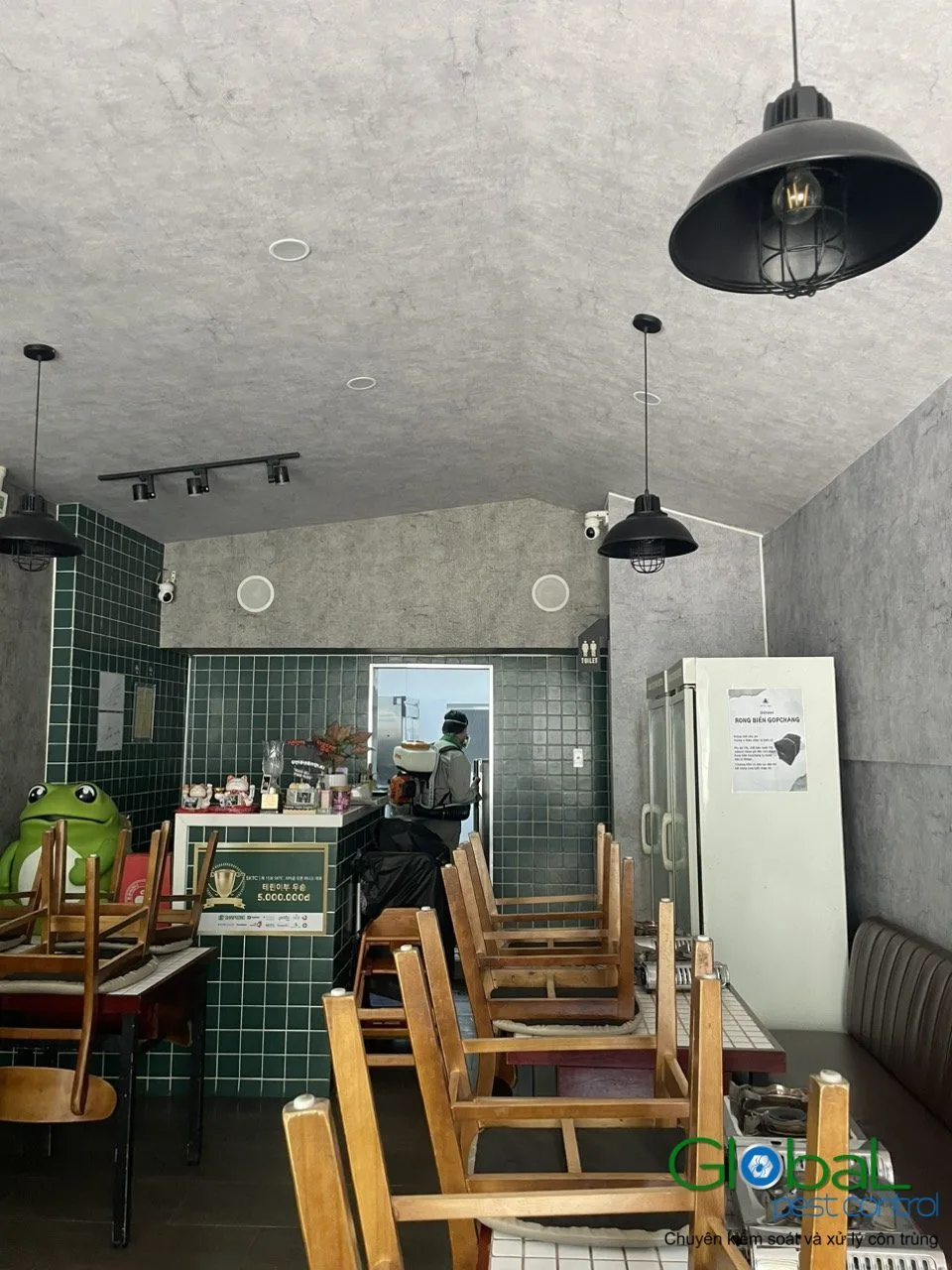
Pest Control for Coworking Spaces and Small Offices
An office has no kitchen and a surprising amount of food. Desk drawers, meeting-room leftovers, a pantry bin emptied once a day, a coffee machine with a drip tray nobody empties, and a fridge that is cleaned when someone complains. Coworking spaces concentrate all of that and add high turnover of people.
Where problems actually start
- The pantry: under and behind the fridge, the coffee machine drip tray, the sink cabinet
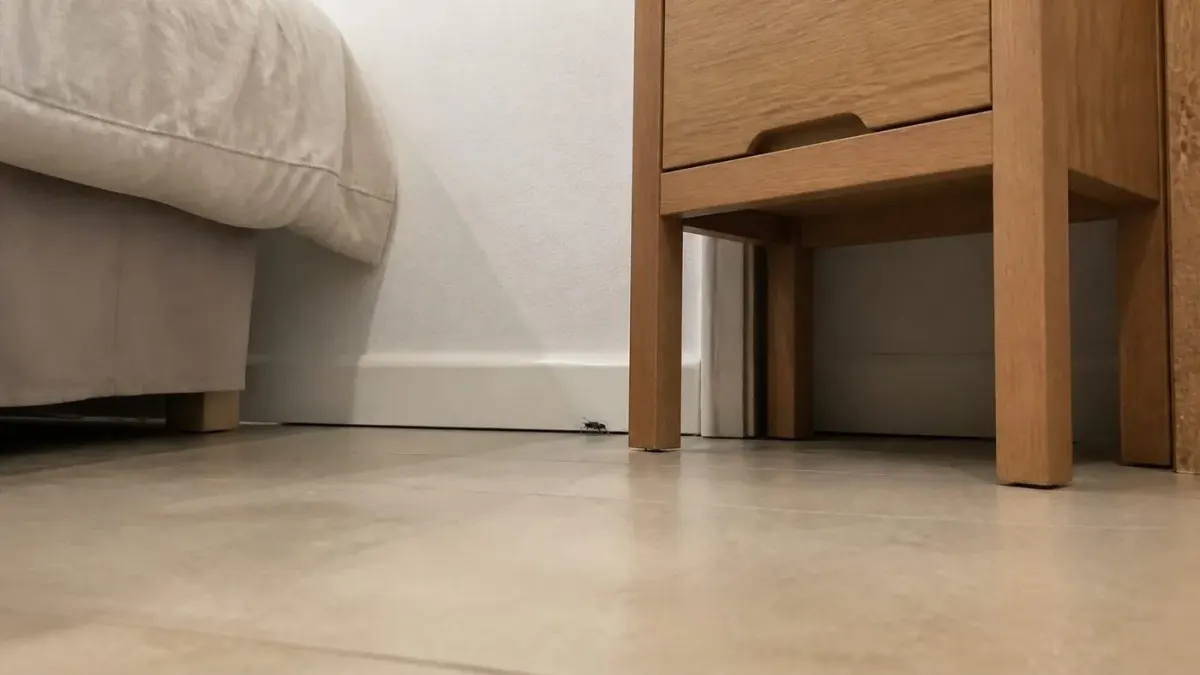
- Desk drawers and pedestals, where snacks are stored and forgotten
- Meeting rooms after catered sessions, particularly under seating
- The bin store or the corridor point where bags wait for collection
- Cable trays and floor boxes, which are warm and never opened
The first two account for most of it, and neither is part of a standard cleaning contract.

Why treatment alone underperforms in offices
A treatment placed on a Friday evening is cleaned over by Monday morning, because office cleaning is thorough on visible surfaces and works to a nightly routine. Gel bait placed inside a pantry cabinet is often wiped out within two days.
The fix is coordination rather than a stronger product: tell the cleaning contractor which surfaces to leave for two weeks, and place bait where routine cleaning does not reach.
Three things worth doing before booking a treatment
- A drawer amnesty: ask everyone to clear food from desks on a stated day, with bins provided
- Change the bin routine so the pantry bin is emptied and the liner replaced at the end of every day, and the bin washed weekly
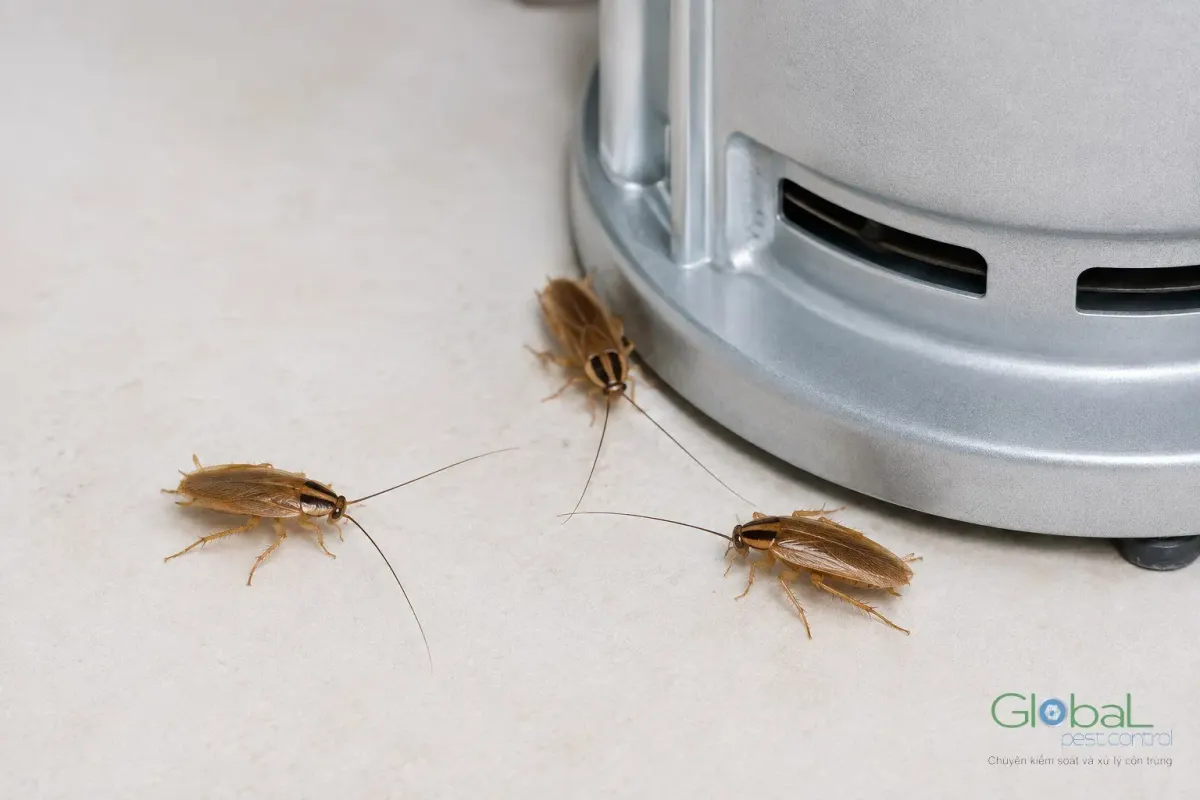
- Pull out the fridge and the coffee machine and clean behind them — this is where the population usually is
A number of offices that do these three find they no longer need the treatment they were about to book.
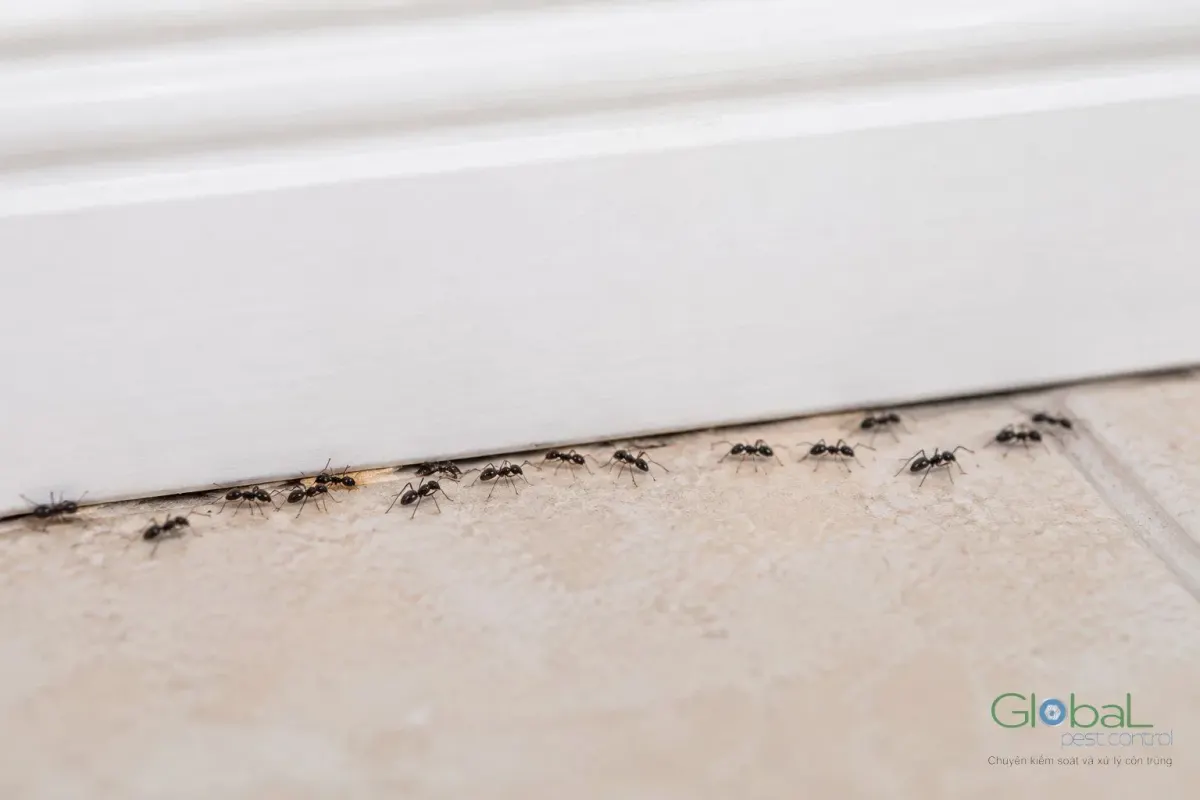
Coworking spaces have a different risk
Members bring bags, boxes and deliveries in continuously, and hot-desking means nobody owns any particular drawer. Add event catering in the evening and a bin that fills faster than the routine assumes.
What works is a house rule that is actually enforceable: no food left in shared storage overnight, catering waste removed the same evening, and a weekly clean behind the pantry appliances rather than around them.
When the building is the source
If an office on a middle floor of a tower has cockroaches with no food source, the route is usually the drainage or the riser rather than the office. The signs are activity in the toilets rather than the pantry, and neighbouring tenants reporting the same thing.
That is a building management conversation. An office can seal its own pipe penetrations and door gaps, but it cannot treat a riser it has no access to.
Treating an office without disrupting it
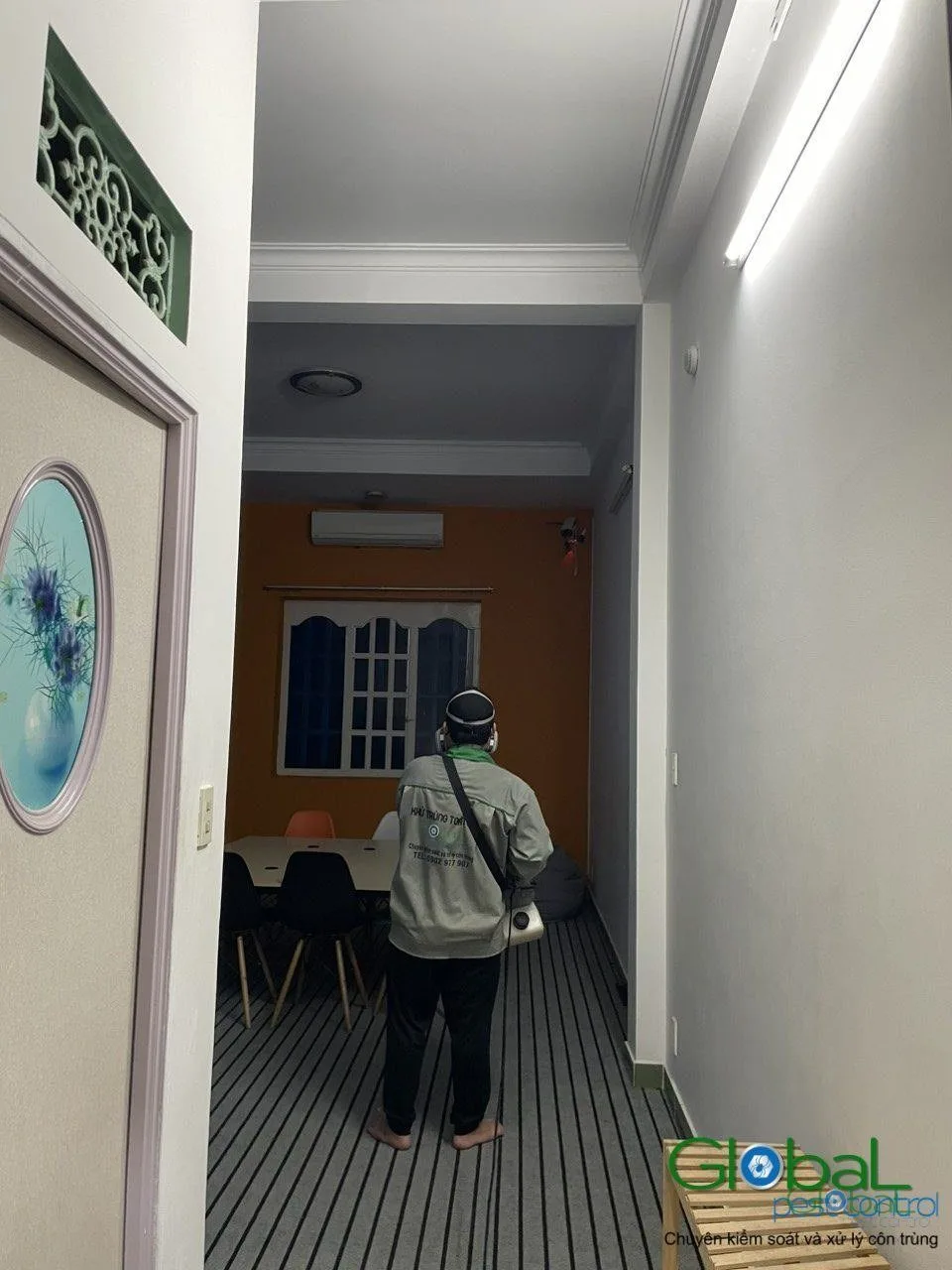
Offices are easier to treat than most premises because they are empty for twelve hours a day. Evening or weekend work means no re-entry problem, no covering of desks, and no conversation with forty people about chemicals.
What it requires is access arrangements agreed in advance: building registration, lift booking, security notification and someone to lock up. A treatment cancelled at reception is the most common wasted visit in commercial work.
Cable trays, floor boxes and server rooms
- Server rooms are warm, quiet and rarely entered — check them even when nothing has been reported
- Floor boxes and cable trays are undisturbed voids running the length of an office
- Rodent damage to cabling is expensive and is usually found as a fault rather than as a pest report
- Any gnawed insulation found by an electrician should be treated as a pest report
What to tell the members or staff
A short notice before an evening treatment prevents most of the questions afterwards: what is being treated, when, what to clear from desks, and when the office is normally usable again. Two sentences on the office channel is enough.
Not saying anything is what produces the complaint the following morning about a smell, which is then harder to answer than it would have been to pre-empt.
The office kitchen agreement
Most office pest problems are a housekeeping question rather than a treatment question, and the fix is an agreement rather than a chemical. Three rules cover nearly all of it: nothing left in the sink overnight, the bin goes out at the end of every day, and the fridge is emptied on a stated day each week.
Put a named person on each rule rather than leaving it to everyone. Rules owned by everybody are owned by nobody, which is why the fridge in most offices is a biological experiment by month three.
When the office moves
An office relocation carries the same risk as a house move and gets even less attention. Filing boxes stored for years, the pantry cupboard contents, the fridge, and the underside of desks all travel together into a new floor.
Two rules cover most of it: nothing from the old pantry goes to the new one, and no old cardboard storage boxes cross over. Replace them, recycle the originals at the old site, and unpack the pantry first so the packaging leaves the building the same day.
Global Pest Control is the English-language arm of Khử Trùng Toàn Cầu. The same technicians and the same programmes are described on the Vietnamese office service page.
Book an inspection
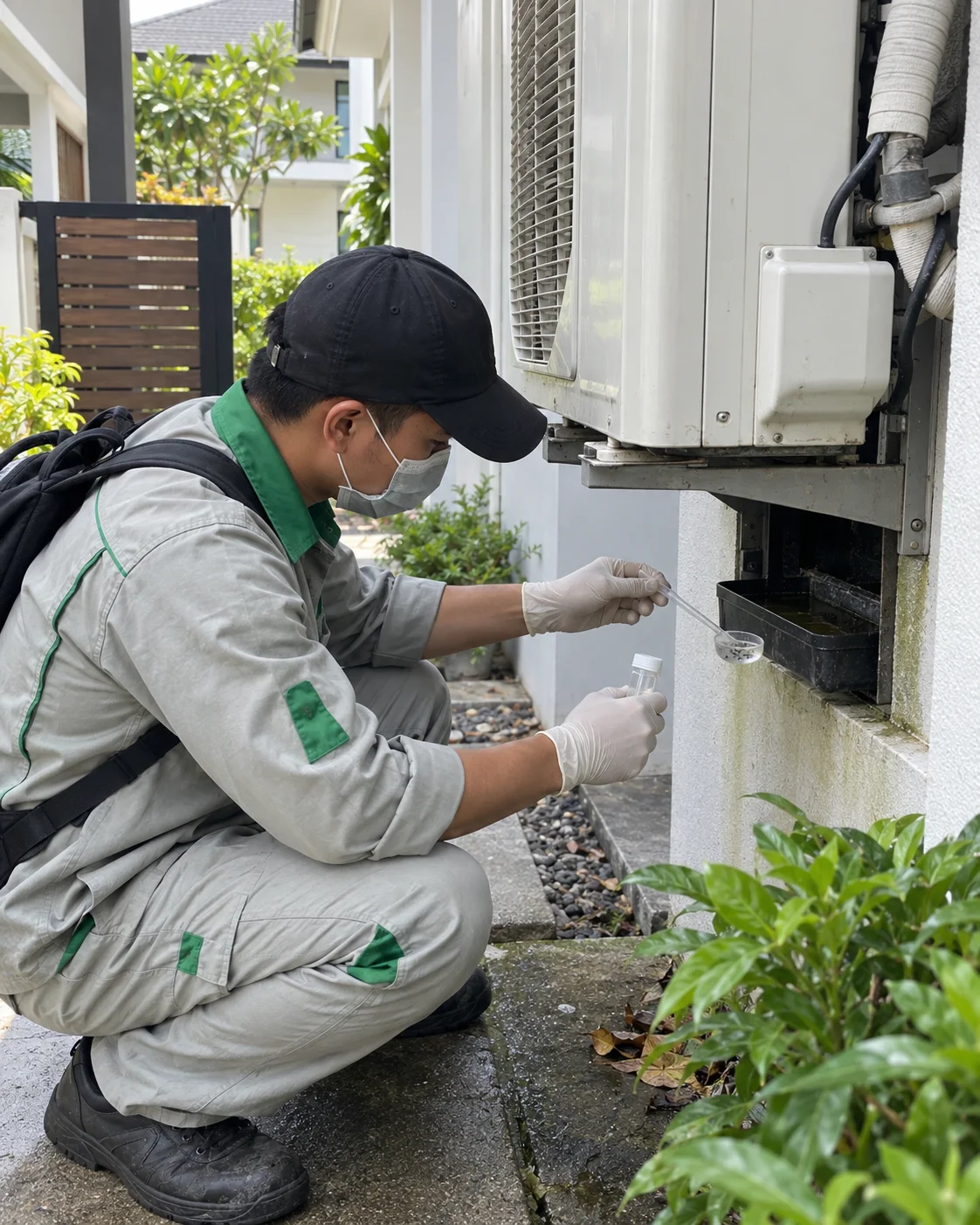
Site inspections are free of charge and carry no obligation. A technician walks the property, identifies the species and the harbourage, and sends a written quotation with the method and the schedule — normally within one working day.
Request an inspection · See indicative prices · All services