Ultrasonic Repellers and Other Things That Do Not Work
Every hardware shop and online marketplace in Vietnam sells devices and products that do not do what the packaging says. Some are harmless and merely wasteful; a few are actively counterproductive because they delay a real response.
This list is not an argument for hiring anybody. Several of the things that do work are free.
Ultrasonic and electromagnetic repellers
These have been tested repeatedly over decades against rodents, cockroaches, mosquitoes and ants, and the consistent finding is no meaningful effect on established populations. Where any short-term response is observed, target species habituate within days.
The plug-in devices sold as electromagnetic or "pest repelling wave" products are the same claim with different wording. There is no mechanism by which household wiring repels animals, and no controlled evidence that it does.

Mosquito-repelling plants
Citronella, lemongrass, basil and lavender contain compounds that repel mosquitoes when the oil is extracted and applied to skin. The living plant releases almost none of that into the air, and studies of plants in a room show no measurable reduction in biting.
Crushing a leaf and rubbing it on your arm does something modest and brief. The plant sitting in a pot does not, and if the pot has a saucer under it, the net effect is negative.
The rest of the list
- Cucumber, cinnamon, bay leaves and coffee grounds for cockroaches — no useful effect on a population.
- Mothballs against rodents — they do not deter rodents in an open space, and mothballs are banned as an insecticide ingredient in Vietnam (Circular 05/2026/TT-BYT).
- Cat hair, dog hair or predator scent for rodents — no reliable effect.
- Solar sonic stakes for outdoor rodents and moles — same category as ultrasonic indoors.
- Vitamin B1 tablets to stop mosquito bites — repeatedly tested, no effect.
- Blue light bug zappers outdoors for mosquitoes — they catch enormous numbers of harmless insects and very few mosquitoes, because mosquitoes are drawn to carbon dioxide and body heat, not light.
Things that do work and cost nothing
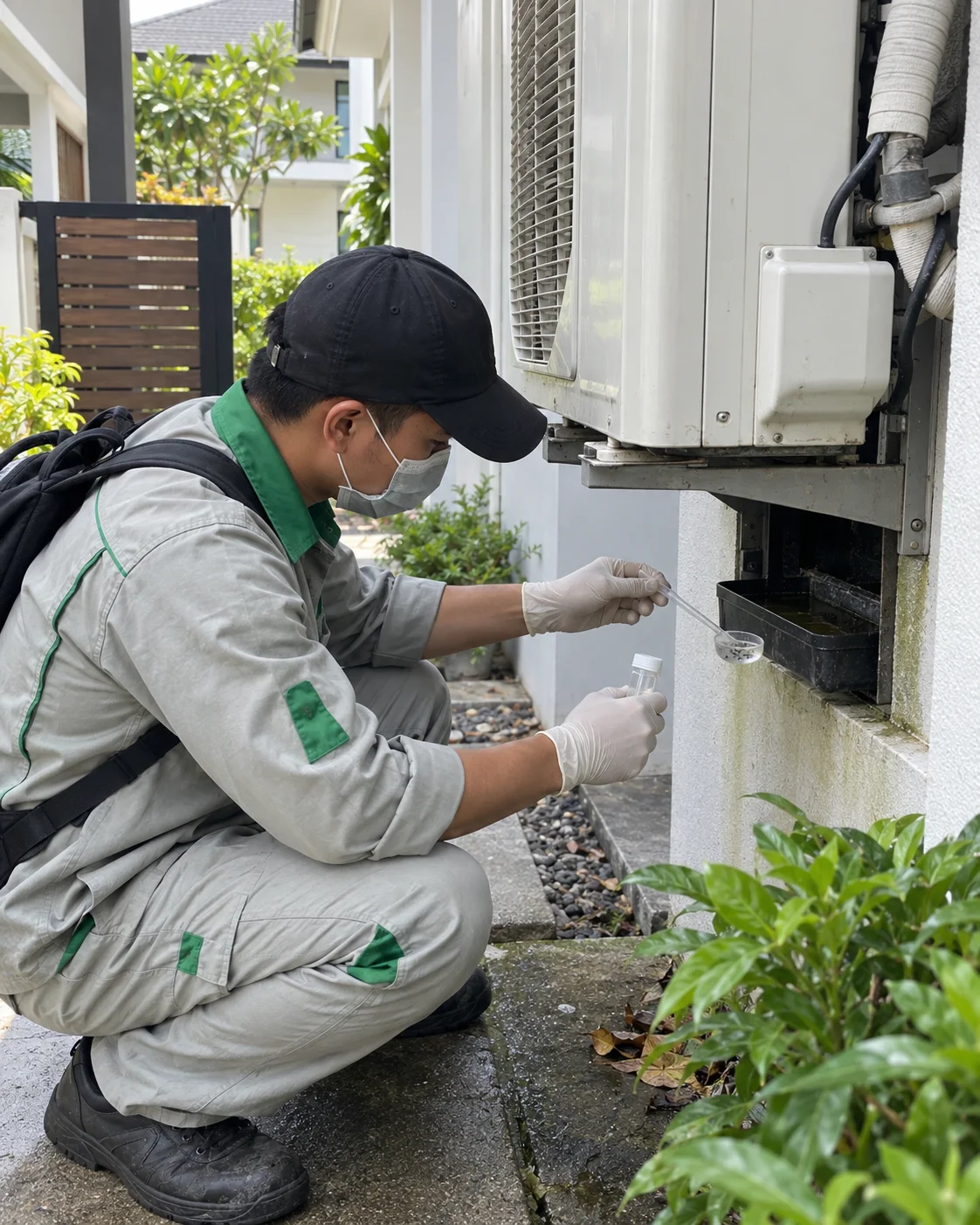
Emptying and wiping standing water weekly. Keeping floor drain traps filled. Sealing the gap where a pipe enters a cabinet. Storing dry goods in rigid sealed containers. Putting a fan on in a room where you are being bitten, because mosquitoes fly poorly in moving air.
Each of those has a clear mechanism and each is more effective than anything in the previous section.
It is worth being clear about what this list is not. Nothing here is an argument that professional treatment is always necessary — several of the effective measures cost nothing and need nobody. The point is narrower: money spent on the products in the previous section buys nothing at all, and the same money spent on a screen or a tube of sealant buys a permanent result.
Things that do work and cost a little
Window and door screens. A brush strip on a door with an undercut. Mesh on an air-conditioner condensate outlet and on water tank vents. Bed nets, properly tucked. Topical repellents containing DEET, picaridin or lemon eucalyptus oil, used on skin as directed (DEET is not for children under 4). Bti larvicide in water that genuinely cannot be emptied, never in drinking or household water. Supermarket cockroach gel bait, if placed in cracks rather than on open surfaces.
One category deserves separate mention because it is genuinely borderline. Insect light traps do work for flying insects in a commercial kitchen or a warehouse, provided they are sited away from doors, away from food and at the right height, and provided somebody counts the catch. Installed in a domestic kitchen for cockroach reassurance, they do nothing at all, because cockroaches are not drawn to light.
Why the useless things sell so well
Because they promise a solution with no effort, no smell and no exposure, and because pest problems are unpleasant enough that people want them to be true. They also benefit from the fact that most pest populations fluctuate naturally — a device installed during a peak will appear to work as numbers fall for unrelated reasons.
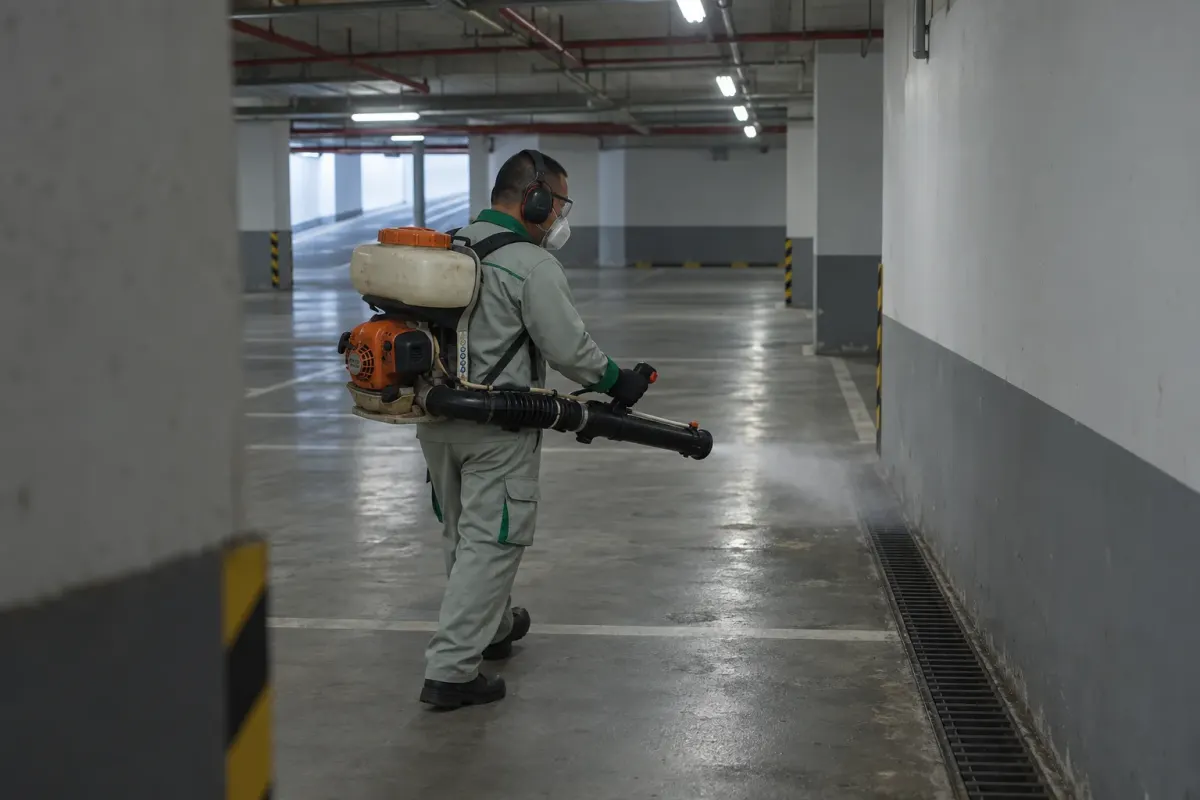
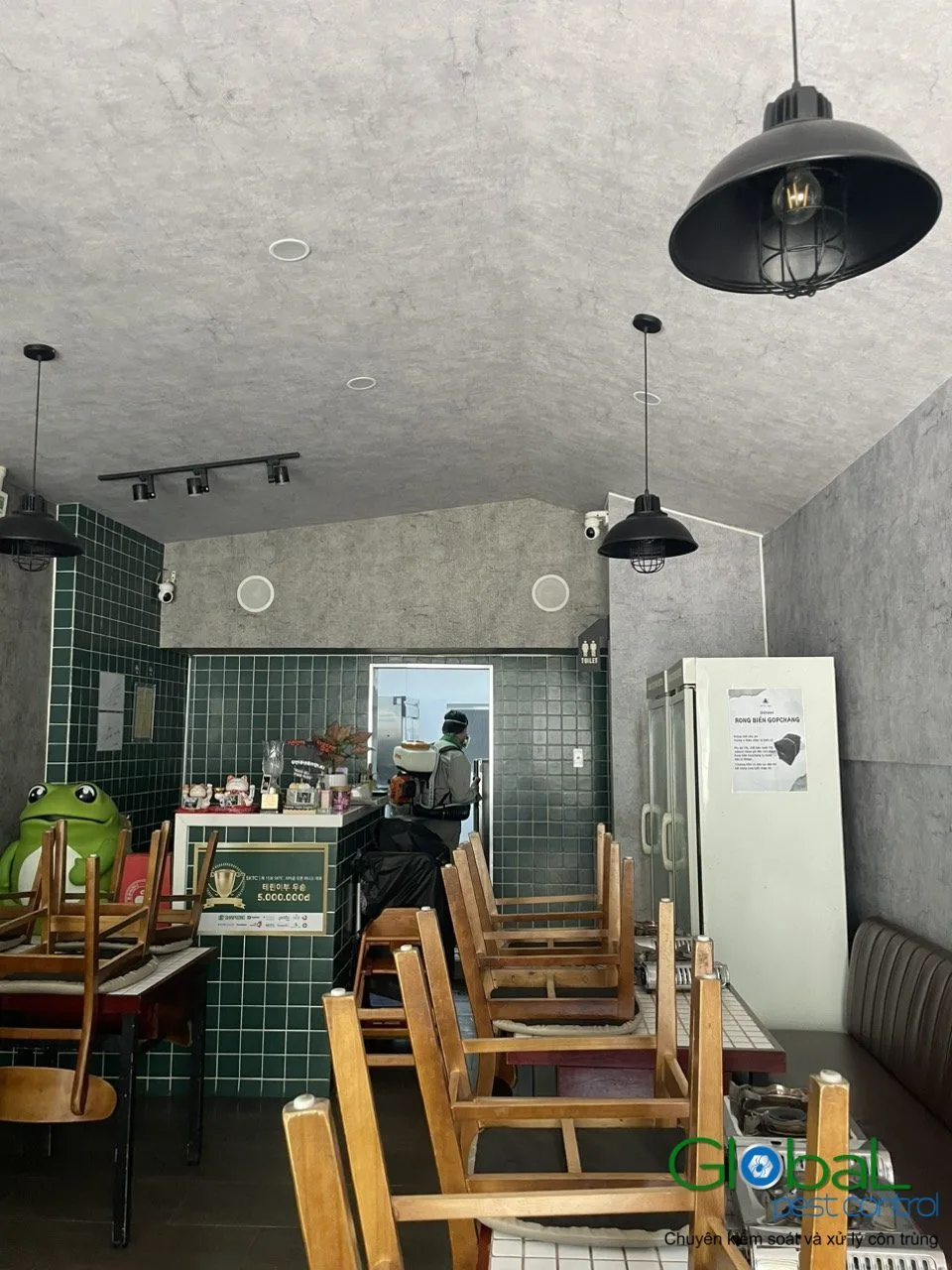
It is worth being sceptical of our own industry on the same grounds. A monthly fogging contract that treats no source is the professional version of the same purchase.
Related reading
See also common pest myths checked and do plants repel mosquitoes. For what does work, physical proofing and breeding sites around your home. On fogging, why we rarely fog a home. Our parent company sets out its methods in Vietnamese across its service pages.
Global Pest Control is the English-language arm of Khử Trùng Toàn Cầu, based in Thu Duc City.
Common questions
My ultrasonic device seemed to work at first. Was I imagining it?
Not imagining, but probably not caused by the device either. Pest activity fluctuates with weather, with what neighbours are doing and with the season, so anything installed during a peak tends to be followed by a decline. That is also why these devices review so well — the timing of purchase is not random.
Are electric mosquito rackets useful?
For killing the mosquito in front of you, yes, and there is nothing wrong with that. They have no effect on the population, because the source is larvae in water elsewhere. Use one and empty your saucers; the second is what changes the number in the room next week.
What about the plug-in mosquito vaporisers?
These do have a real effect in a closed room, since they release a volatile pyrethroid into a contained volume, and for a bedroom overnight they are reasonable. In a room with a door or balcony open they achieve very little because the space is not enclosed. They are a comfort measure rather than control, and a screen does more.