Low-Toxicity Options: Real and Marketing
Every pest control company in Ho Chi Minh City now offers something described as green, herbal, organic, biological or safe for children. Some of it is meaningful. A good deal of it is the same product in different packaging.
Here is a way to tell the difference, and an honest account of what is actually available.
The words that mean nothing here
"Organic" has no regulatory definition in pest control. "Herbal" and "natural" tell you about the origin of a compound and nothing about its toxicity — nicotine, pyrethrum and rotenone are all plant-derived and none of them are harmless. "Odourless" describes the solvent, not the active ingredient, and low-odour formulations are a comfort improvement rather than a safety one.
"Safe for children and pets", printed on packaging, is a marketing claim rather than a classification. No registered insecticide is meaningfully described that way without qualification.
What genuinely reduces exposure
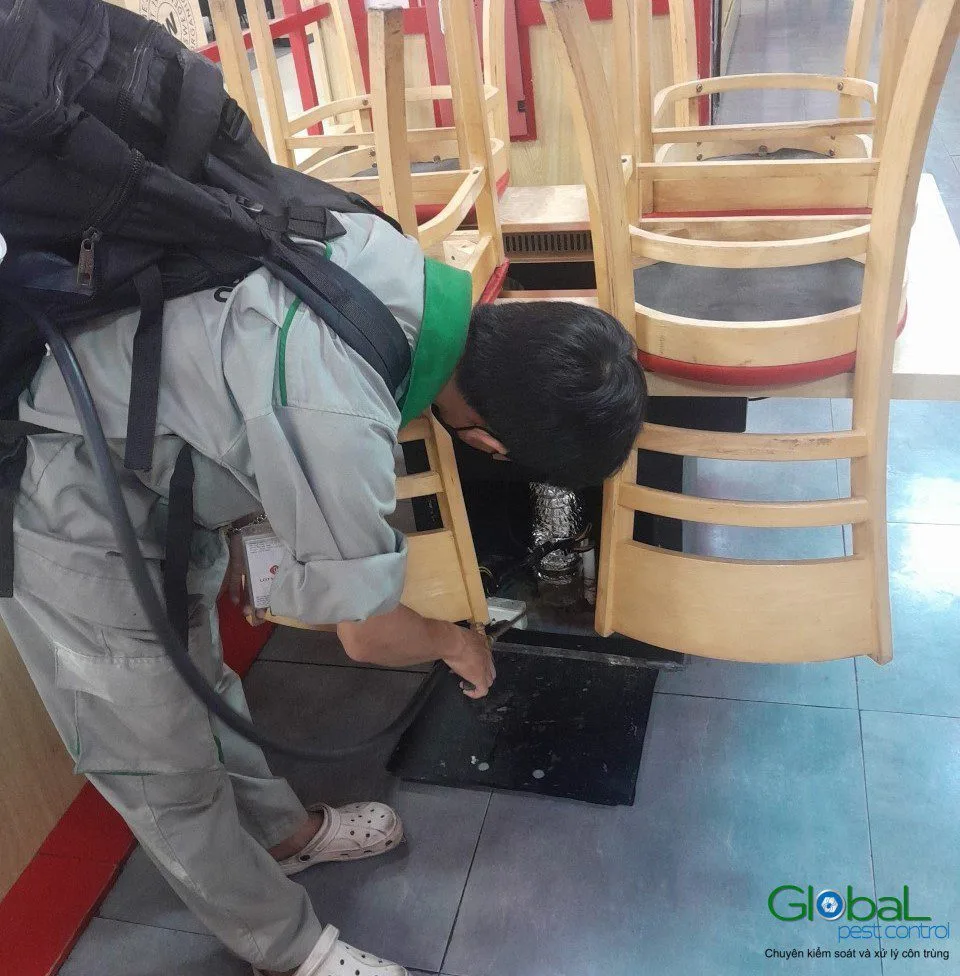
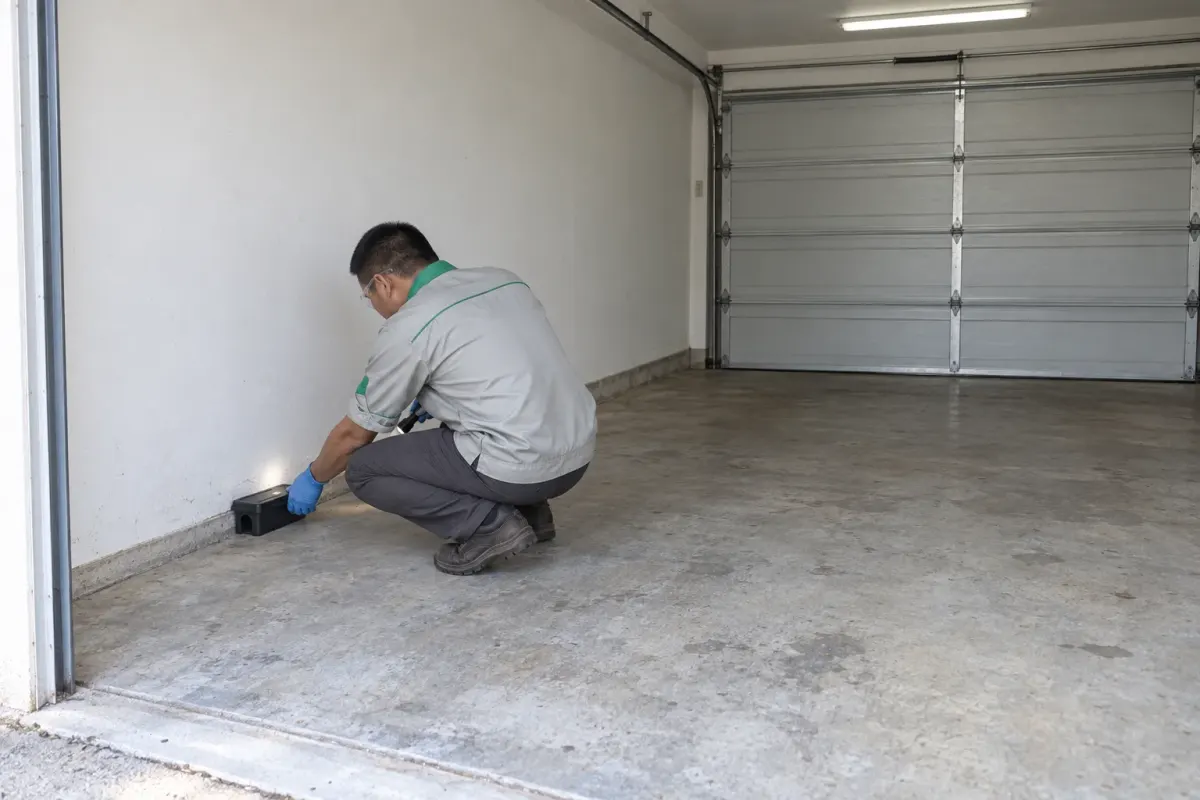
- Placement. A bait inside a closed cabinet void has essentially no accessible residue. This does more than any product choice.
- Insect growth regulators. They interfere with insect development pathways that mammals do not have, and are used at very low rates.
- Desiccant dusts such as diatomaceous earth and silica, which work physically rather than chemically.
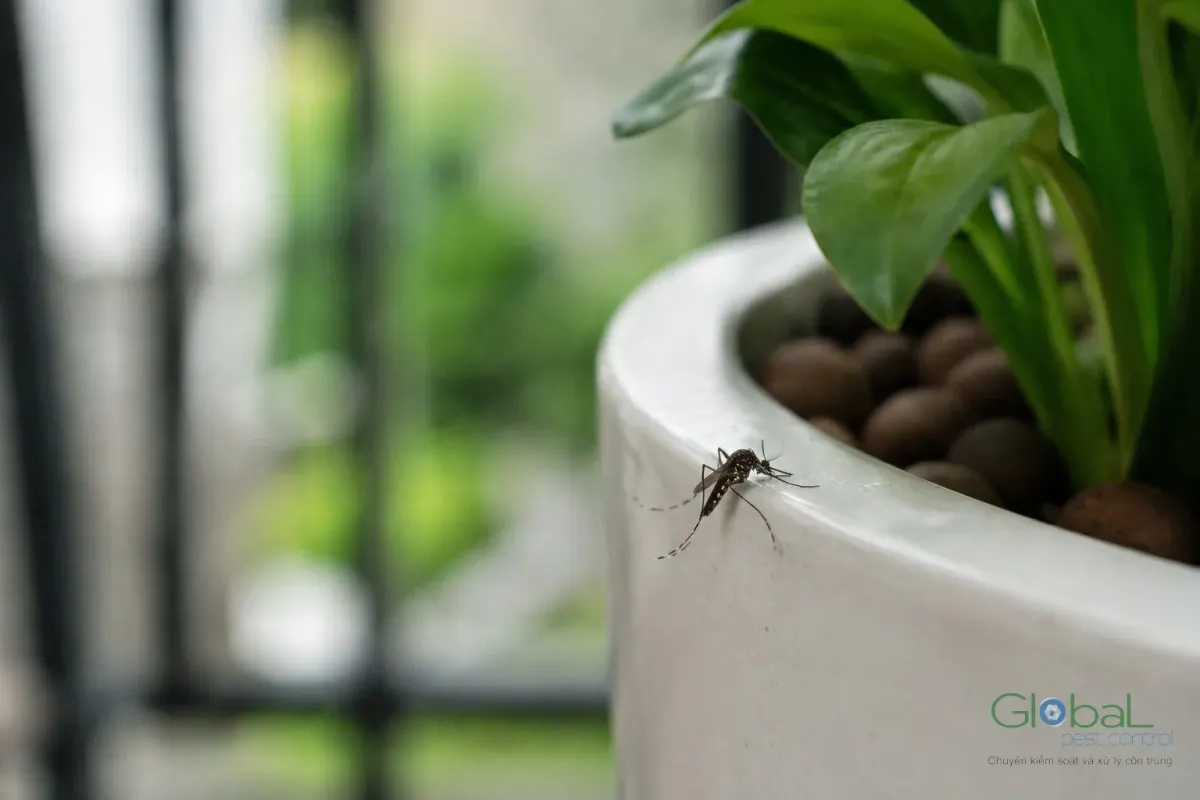
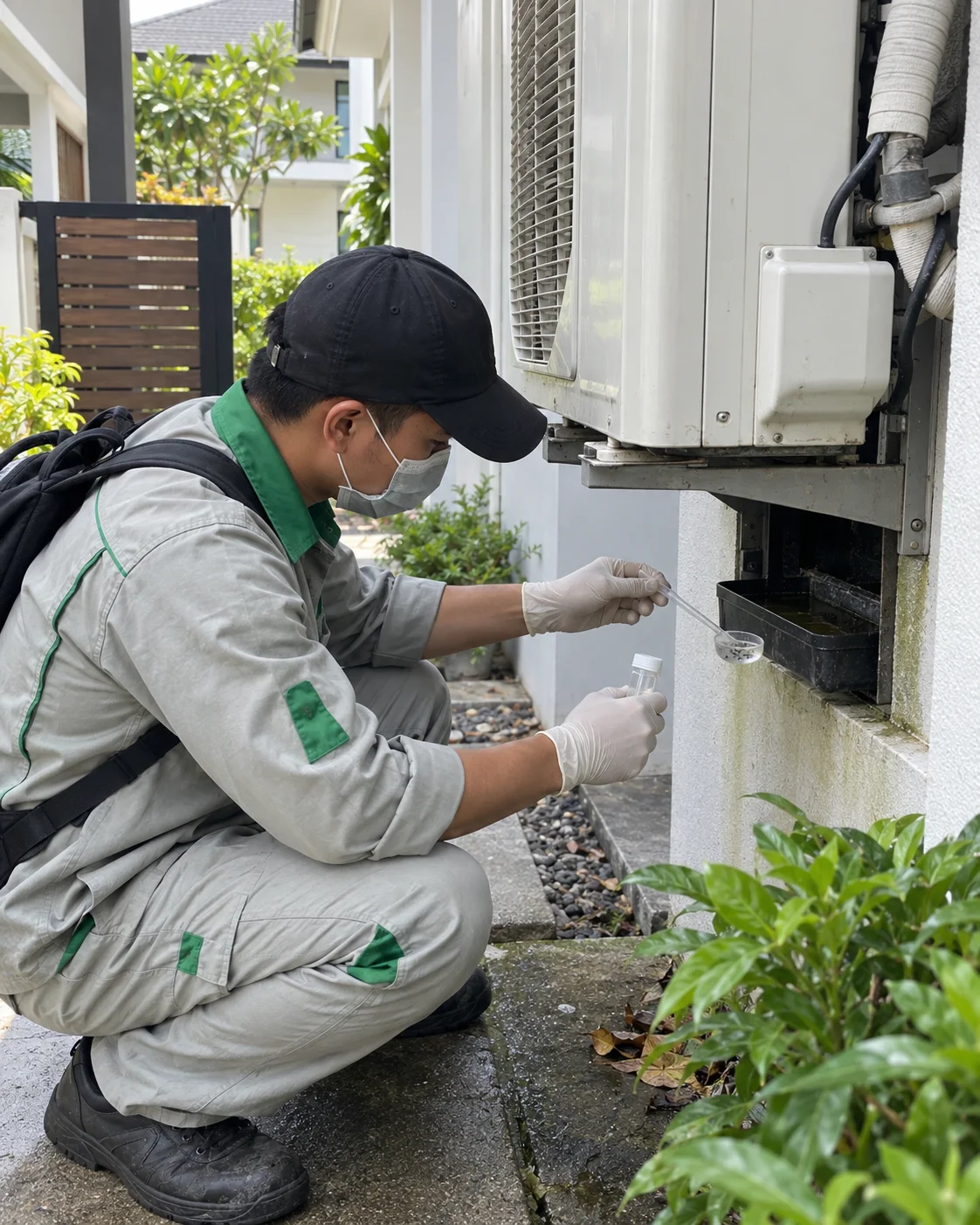
- Bti larvicide for mosquitoes — a bacterium specific to mosquito and blackfly larvae; in Vietnam it is registered only for water that is not used for drinking or household purposes.
- Heat and steam, which leave no residue at all.
- Physical exclusion. Zero exposure, permanent effect.

The one that matters most
Placement is not a product and it is not marketed, which is why it rarely features in a conversation about safety. But the exposure difference between a gel bait inside a sealed plinth void and the same active ingredient sprayed across a kitchen floor is enormous, and it is entirely a decision about method.
When a customer asks us for the safest option, this is what we actually change. The chemistry often stays the same; where it goes does not.
Botanical products, fairly assessed
Plant-derived insecticides exist and some work. Pyrethrum, extracted from chrysanthemum, is genuinely effective and genuinely short-lived, which makes it useful for knockdown and useless as a residual. Essential oil formulations based on clove, thyme or rosemary oils have modest effect and very short persistence.
The honest summary is that they trade duration for a lower-persistence profile. In a situation where you want no residue and are prepared to repeat frequently, that is a reasonable trade. Sold as an equivalent replacement for a residual programme, it is not.
Biological control
Bti for mosquito larvae is the clearest success and is used worldwide in public health programmes, though never in water used for drinking or washing. Beyond that, biological options in an urban building are limited — predatory or parasitoid approaches that work in agriculture do not translate well to a kitchen, and anyone selling a biological solution for cockroaches in an apartment is describing something that does not exist at commercial scale.
It is also worth separating two questions that get merged. One is toxicity, which is a property of the substance. The other is exposure, which is a property of where it goes and who touches it. A household usually cares about the second, and the second is almost entirely within a technician\x27s control, whereas the first is fixed once a product is chosen. Companies that talk only about the first are answering the easier question.
How to ask for a low-exposure programme
Do not ask for organic. Ask for three specific things: nothing applied to any accessible surface, everything placed inside enclosed voids or secured stations, and the active ingredient and placement stated on the report. Any competent company can deliver that, it is genuinely lower exposure, and it is checkable afterwards in a way that a marketing word is not.
Related reading
See insecticidal dust and physical proofing for the low-exposure methods. Labels are covered in reading a Vietnamese product label, and safety in safety with children, pets and pregnancy. Claims are examined in things that do not work. Our parent company lists the products it uses in Vietnamese across its service pages.
Global Pest Control is the English-language arm of Khử Trùng Toàn Cầu, based in Thu Duc City.
Common questions
Is diatomaceous earth safe to use at home?
It works physically by damaging the insect cuticle, and it is comparatively low in mammalian toxicity, which makes it a reasonable domestic option. Two cautions: use the food-grade amorphous form rather than pool-filter grade, and avoid inhaling the dust during application, because any fine powder is a respiratory irritant. Apply thinly into voids, not visibly on floors.
Can you treat my home with no chemicals at all?
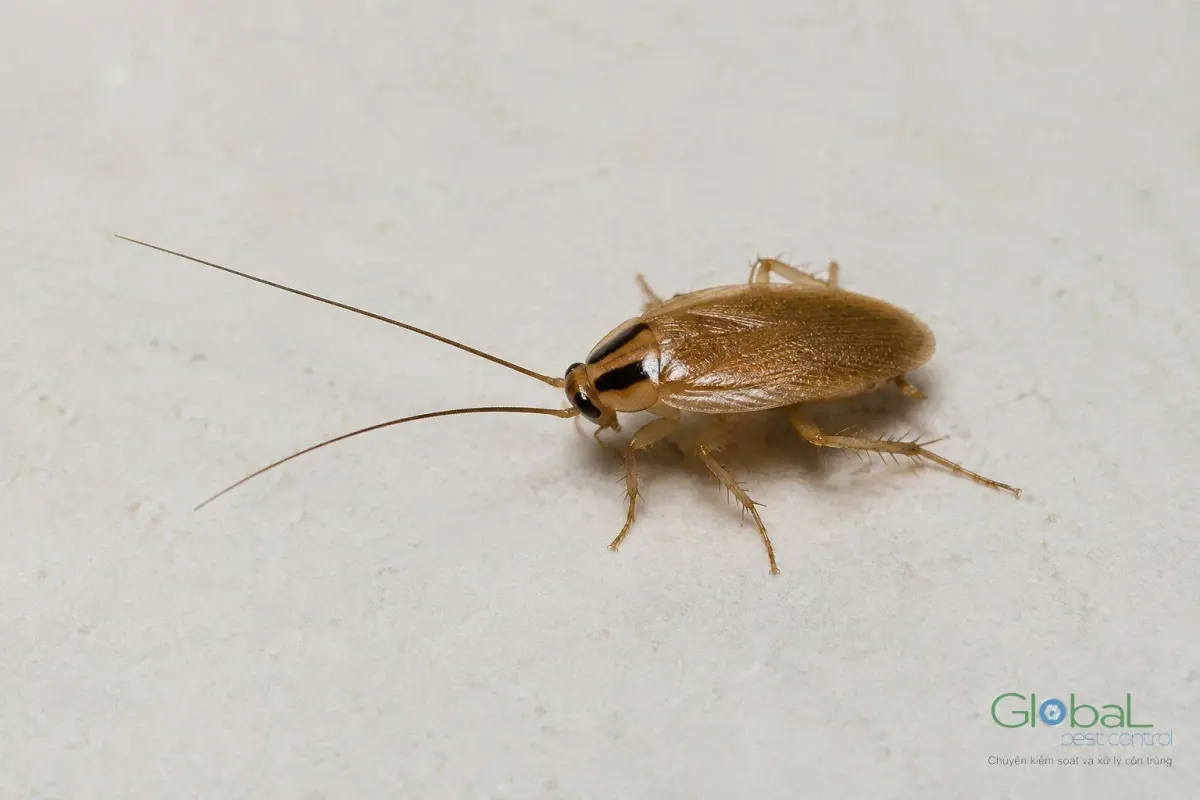
For some situations genuinely yes — proofing, hygiene changes, source removal, steam for a single item and monitoring will resolve a number of problems entirely. For an established German cockroach population in a building with shared structure, no, and we would say so rather than take money for a programme that will not work.
Is a more expensive "green" service worth paying for?
Ask what is different about it. If the answer is a specific method — everything in voids, growth regulators, no accessible residue, heat instead of chemistry — then yes, that is a real difference. If the answer is a brand of product described as herbal, ask for the active ingredient, and compare it with what the standard service uses.