Writing a Pest Clause Into a Vietnamese Lease
A standard residential lease in Ho Chi Minh City is a few pages long and covers rent, deposit, term, utilities and notice. It usually says nothing at all about pest control, which means that when something happens, both sides are arguing from first principles and from whoever is more insistent.
Four short additions at signing remove that entirely, and they are easy to agree at the point where the landlord wants the tenancy to start.
Clause one: condition at handover
That the property is handed over free of active infestation, and that any evidence found within the first thirty days is treated at the landlord\x27s cost.
Thirty days is the useful number. It is long enough for something dormant to become visible and short enough that a landlord does not feel exposed to a whole tenancy.
Clause two: structural causes
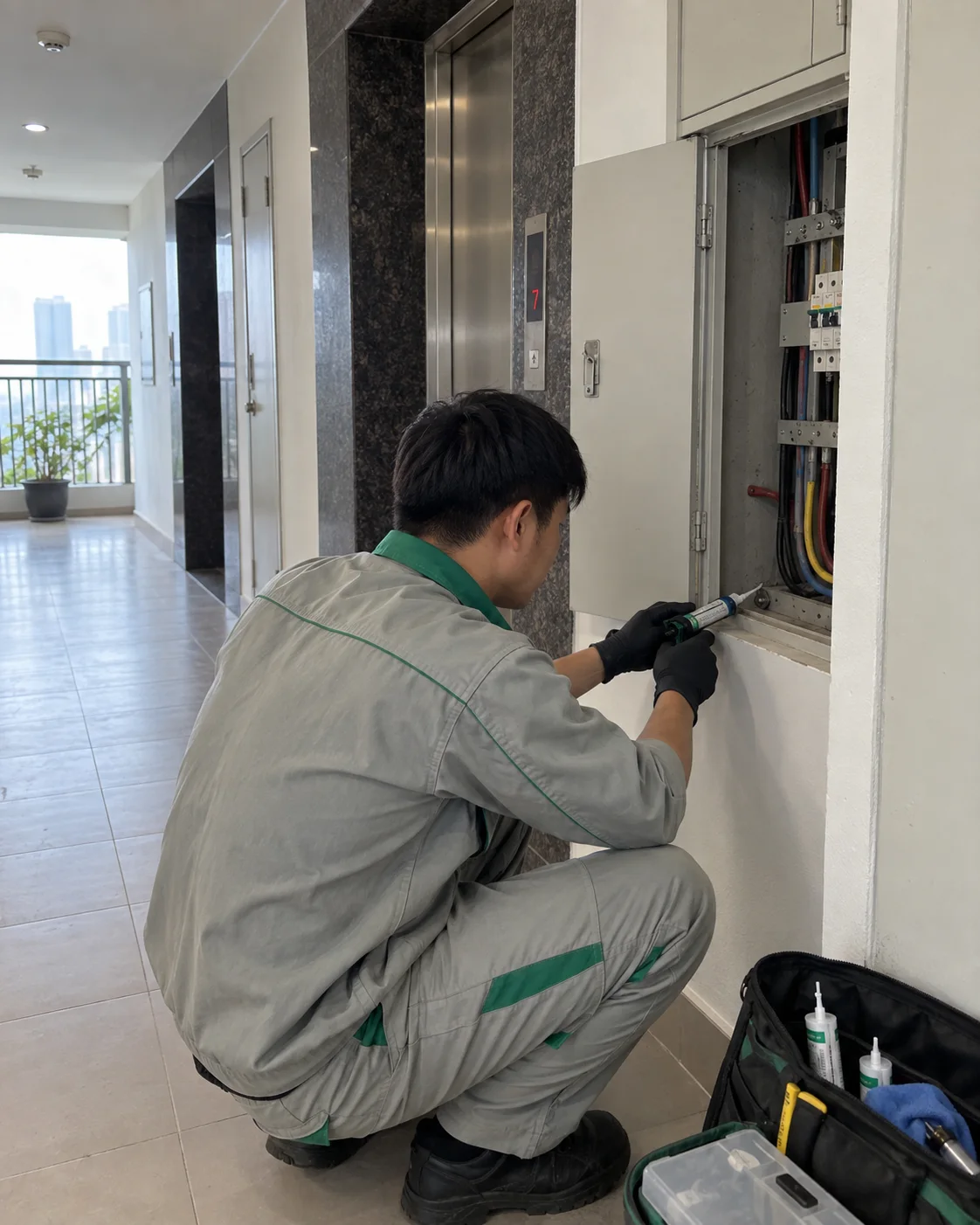
That the landlord is responsible for treatment where the cause is structural — unsealed penetrations, defective drainage, damaged doors or screens, termite activity — and for the repair of the defect itself.
This is the clause that does the most work, because most residential pest problems here have a physical cause that belongs to the building rather than to how the tenant lives.
Clause three: the tenant\x27s side
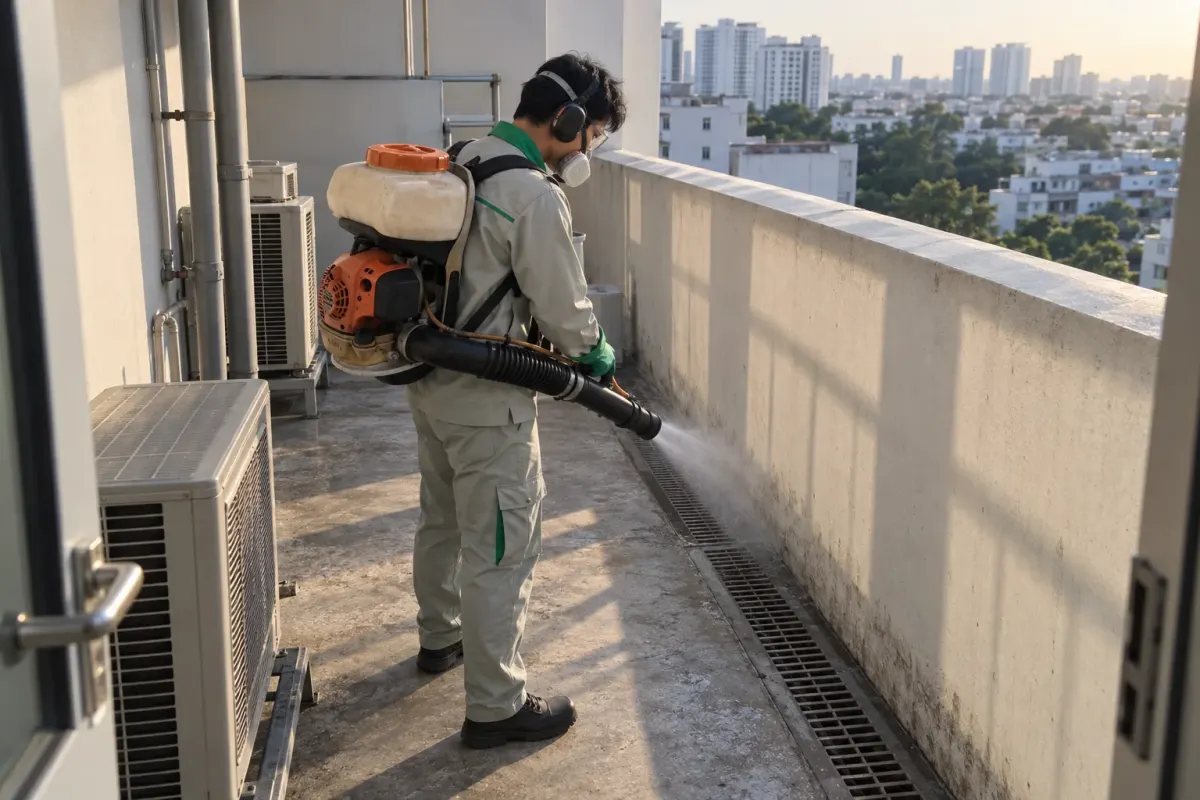
That the tenant is responsible for problems arising from food storage, waste, pets and items brought into the property. Including this is not a concession; it is what makes the other clauses acceptable to a landlord, and it is a fair statement of where the responsibility actually sits.
Clause four: handover at the end
What is required at the end of the tenancy, stated specifically. Either that a professional treatment is required — in which case say by whom, at whose cost, and how far in advance — or that it is not.
The ambiguity here is what produces most deposit disputes. A lease that says the property must be returned "in good condition" leaves the question open, and it gets answered in the last week by whoever is holding the deposit.
Suggested wording
- Bên cho thuê bàn giao nhà không có côn trùng gây hại. Nếu phát hiện trong 30 ngày đầu, bên cho thuê chịu chi phí xử lý.
- Bên cho thuê chịu trách nhiệm xử lý và sửa chữa các nguyên nhân thuộc về kết cấu: lỗ hở kỹ thuật, hệ thống thoát nước, cửa và lưới chống côn trùng, và mối.
- Bên thuê chịu trách nhiệm với các vấn đề phát sinh từ lưu trữ thực phẩm, rác thải, vật nuôi và đồ đạc mang vào.
- Khi kết thúc hợp đồng, bên thuê [có / không] phải thực hiện xử lý côn trùng chuyên nghiệp.
Raising it without derailing the deal
Timing decides how this goes. Raised during negotiation alongside the other practical points — air-conditioner servicing, who pays for the internet, what happens if the water heater fails — it is unremarkable and usually agreed without discussion. Raised after the deposit has been paid, it reads as a renegotiation.
It also helps to present it as protection for both parties, which it genuinely is: the landlord gets a written statement that food storage and pets are the tenant\x27s responsibility, which they did not have before.
For corporate leases
Where an employer holds the lease, these clauses should be in the company\x27s standard schedule rather than negotiated per property, and the relocation team can usually add them without difficulty. It is also worth specifying that reports and certificates are issued in English as well as Vietnamese, since the person defending a deposit position at the end is frequently not the person who lived there.
Related reading
Responsibility is covered in who pays, landlord or tenant and the conversation in talking to your landlord. For the inspection that supports clause one, see the pre-move-in checklist. Deposits are covered in insurance, deposits and pest damage, and handover in end of lease treatment. Our parent company issues the Vietnamese-language certificates through its residential programme.
Global Pest Control is the English-language arm of Khử Trùng Toàn Cầu, based in Thu Duc City.
Common questions
Will a landlord actually agree to this?
More often than people expect, because the clauses are balanced rather than one-sided and because at the point of signing the landlord wants the tenancy to proceed. If a landlord refuses clause two outright, that is worth noticing — it usually means they already know about a structural issue.
Which language version governs if there are two?
Vietnamese, in almost every Vietnamese lease, and the contract usually says so explicitly. That makes the accuracy of the Vietnamese wording the thing that matters, so have the Vietnamese checked by someone you trust rather than relying on the English version reading correctly.
Is a pre-move-in inspection worth paying for?
For a house, a villa or a long lease, generally yes — it gives you a dated baseline and it is the evidence clause one depends on. For a short lease on a modern apartment it is usually unnecessary, and photographs taken carefully on handover day achieve most of the same thing.