Insurance, Deposits and Pest Damage in Vietnam
A tenant leaves, the landlord inspects, and something is found: a damaged wardrobe, stained flooring, a smell in a cupboard. The deposit is two to three months of rent, and there is now a conversation about who is responsible.
These disputes are common and they almost always turn on a single question — whether the condition at handover was recorded — rather than on anything about the biology.
What the general principle is
The workable framing, which most reasonable landlords accept, is that structural and pre-existing problems are the owner\x27s and problems arising from how the property was used are the tenant\x27s. Termites in a door frame, drainage-borne cockroaches and rodents entering through the building fabric are structural. Stored product pests in a cupboard, a flea problem from a pet, and damage from food left in the property are use-related.
Vietnamese residential leases rarely spell this out, which is why the framing matters — you are usually negotiating against a norm rather than a clause.
What actually settles a dispute
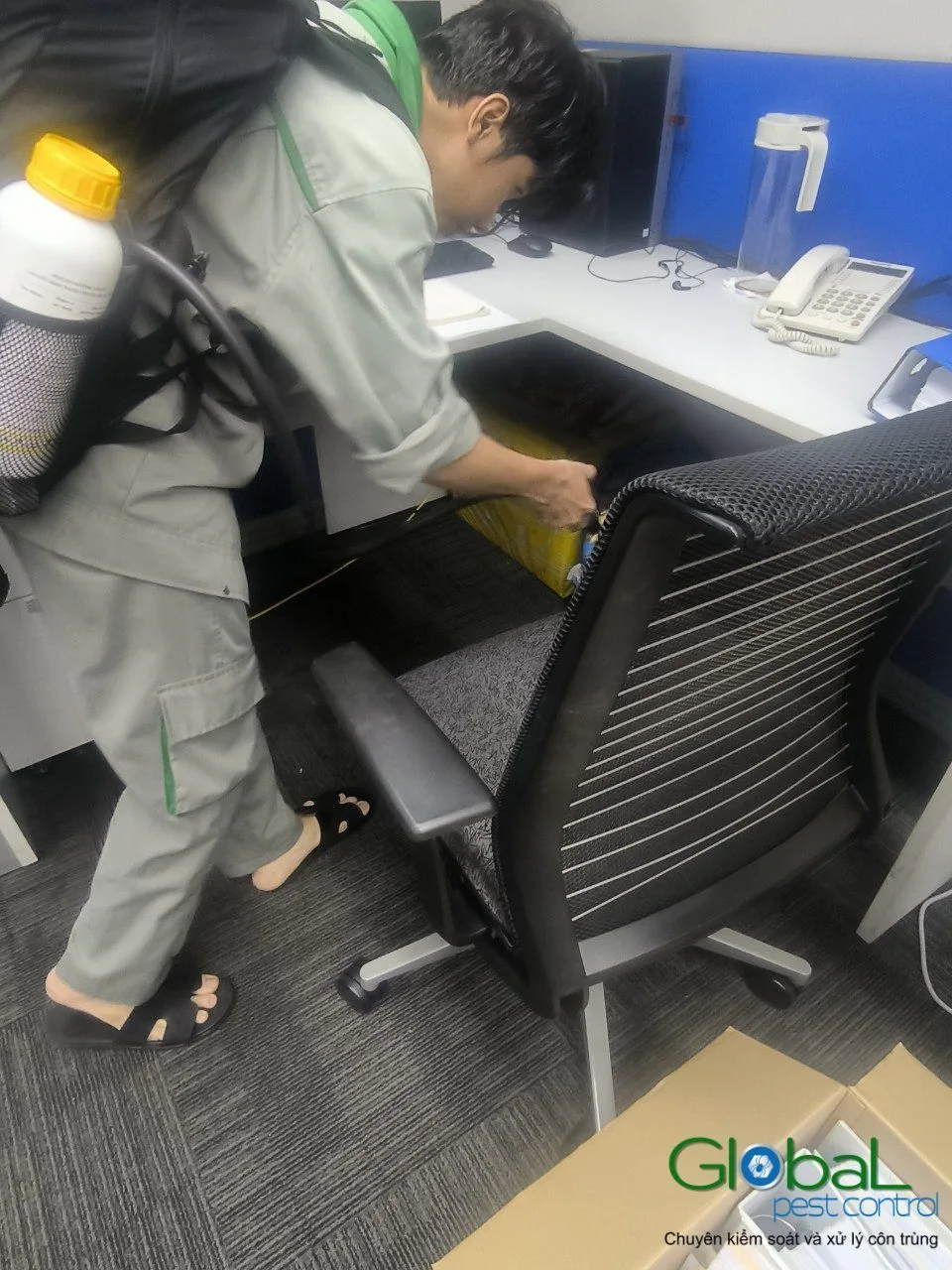
- Dated photographs at handover, both in and out, ideally with the agent present.
- A written handover note listing condition and meter readings, signed by both.
- Any message where you reported a defect during the tenancy, which is why reporting in writing matters far more than it seems at the time.
- A treatment certificate, if one was carried out, naming the areas and the date.
A tenant who reported a damaged drain trap in month two has a very short conversation in month twenty-four. A tenant who mentioned it verbally does not.
Termite damage is the expensive case
Termite damage to a door frame, a skirting or built-in furniture can be significant, and it is almost never a tenant\x27s doing. Subterranean termites enter from soil through the building structure over years, so damage discovered during a two-year tenancy began before the tenancy started.
The useful evidence is the nature of the damage itself: mud tubes on a wall, wood that is hollow and papery internally with the surface intact, and frass. All of these indicate a long-established colony rather than anything recent.
What home insurance here typically does and does not cover
Contents policies available in Vietnam generally exclude damage caused by insects, vermin and gradual deterioration as a standard exclusion, in the same way policies elsewhere do. That means termite damage, fabric pests and stored product damage are usually not recoverable, and it is worth reading the exclusions rather than assuming.
What may be covered is consequential damage from a covered event — water damage from a pipe that failed, for instance — and theft or accidental damage to specific items. If a policy matters to you, the exclusions section is the part to read before signing, not after a claim.
Corporate and relocation tenancies
Where an employer holds the lease, the deposit conversation usually happens between the company\x27s administrator and the landlord, and the employee is not in the room. That makes documentation more important rather than less, because the person defending the position was not living there. Sending your own handover photographs to whoever manages the lease, on the day, is the single most useful thing you can do.
Getting it right at the start
The cheapest insurance against all of this costs nothing: twenty minutes of photographs on the day you move in, sent to the landlord or agent by message so that the date and the delivery are recorded. Include the mattress, the underside of any upholstered furniture, the inside of cupboards, every floor drain and any existing damage. It feels excessive at the time and it ends almost every dispute that arises two years later.
Related reading
Responsibility is covered in who pays, landlord or tenant and writing a pest clause into a lease. For handover see end of lease pest treatment and closing up a home for good. Termite evidence is covered in mud tubes. Our parent company issues the inspection reports a landlord will accept through its residential programme.
Global Pest Control is the English-language arm of Khử Trùng Toàn Cầu. We issue inspection reports in English and Vietnamese on one sheet, which is what a landlord and an agent both need.
Common questions
The landlord is withholding the deposit for cockroaches. Is that reasonable?
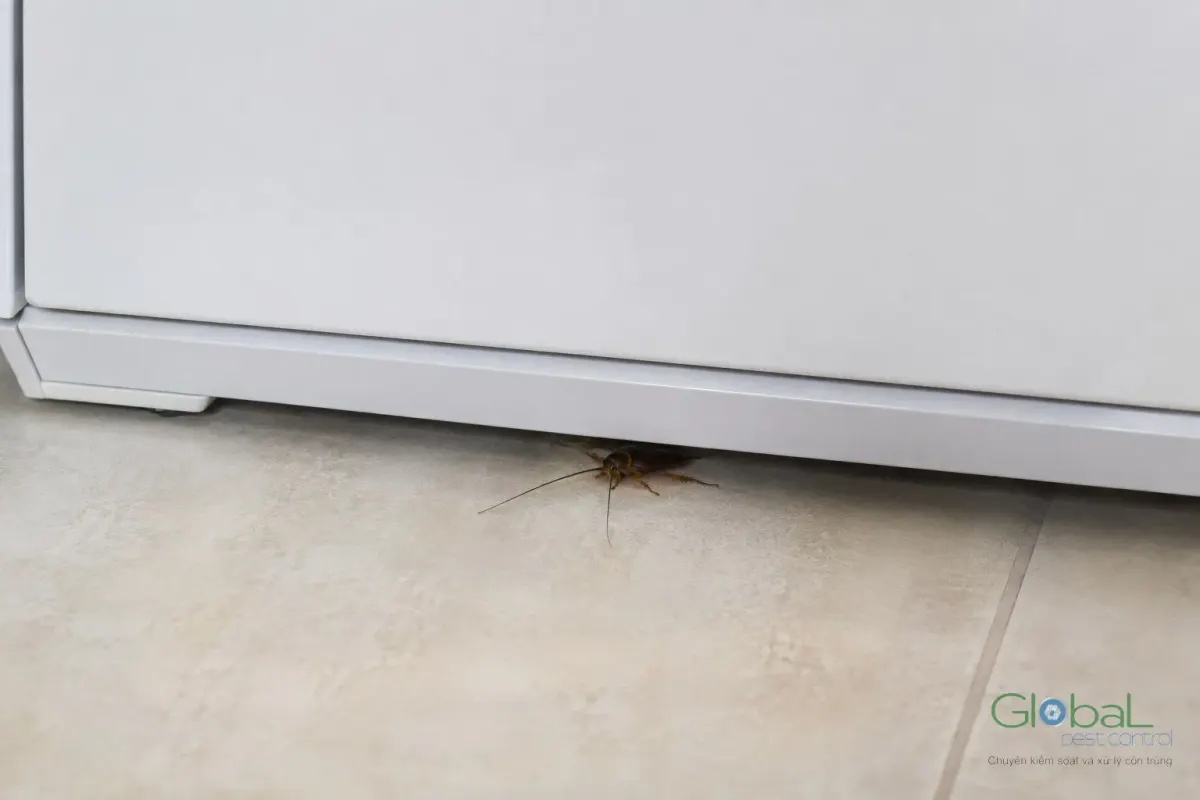
Generally not, if the species is the large drain-dwelling kind, because that indicates building drainage rather than tenant behaviour. A short written reply explaining the distinction, ideally with an inspection report, resolves most of these. Where a genuine kitchen population was left behind, a contribution to a treatment is a fair outcome.
Can I get an independent inspection to support my position?
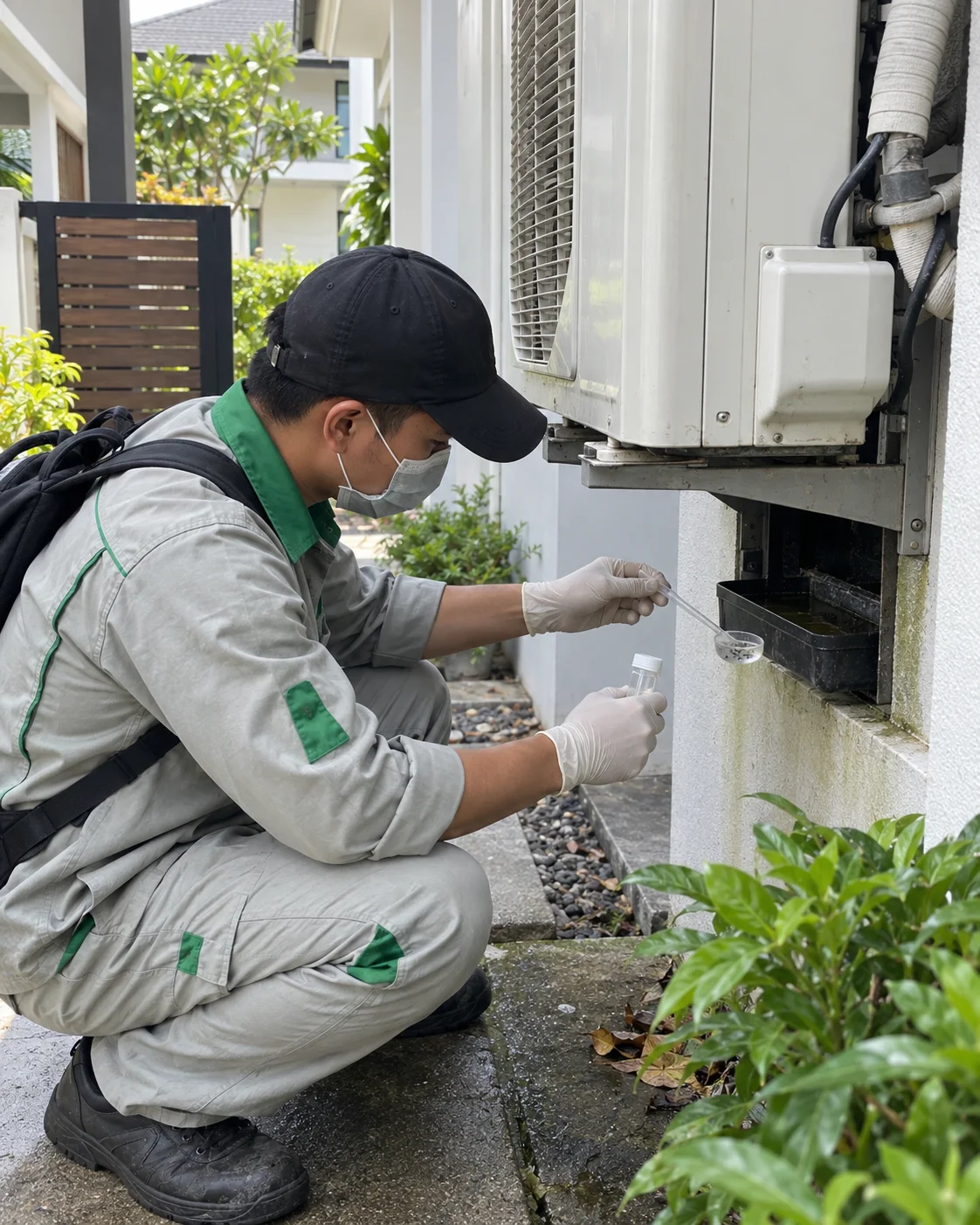
Yes, and it is often worth the modest cost when a substantial deposit is at stake. A dated report from a licensed contractor describing what was found and what caused it carries considerably more weight than an exchange of opinions, and it is usually cheaper than the amount in dispute.
Does any insurance in Vietnam cover termite damage?
Standard household contents policies here generally exclude it, as they do in most markets, because it is treated as gradual damage rather than a sudden event. Some specialist building policies and some new-build warranties include termite protection where a compliant pre-construction treatment was carried out, so the place to look is the building documentation rather than the contents policy.