When the Building Says It Is Not Their Problem
You reported cockroaches, or a smell, or rats in the ceiling. The reply came back that the common areas are treated monthly and the problem must be inside your unit.
Sometimes that is correct. Often it is a first response rather than a finding, and the way forward is the same either way: establish where the population actually lives before arguing about who pays.
Work out whether it is yours
Three questions separate a unit problem from a building problem. Is the species one that lives indoors, or one that lives in drains and shared structure? Does the activity correlate with a shared feature — a riser wall, a ceiling void, a floor drain, a party wall? And are neighbours experiencing it too?
German cockroaches in a kitchen are usually a unit problem. Large American cockroaches in a bathroom, rodents in a ceiling and ants trailing from a riser are usually not.
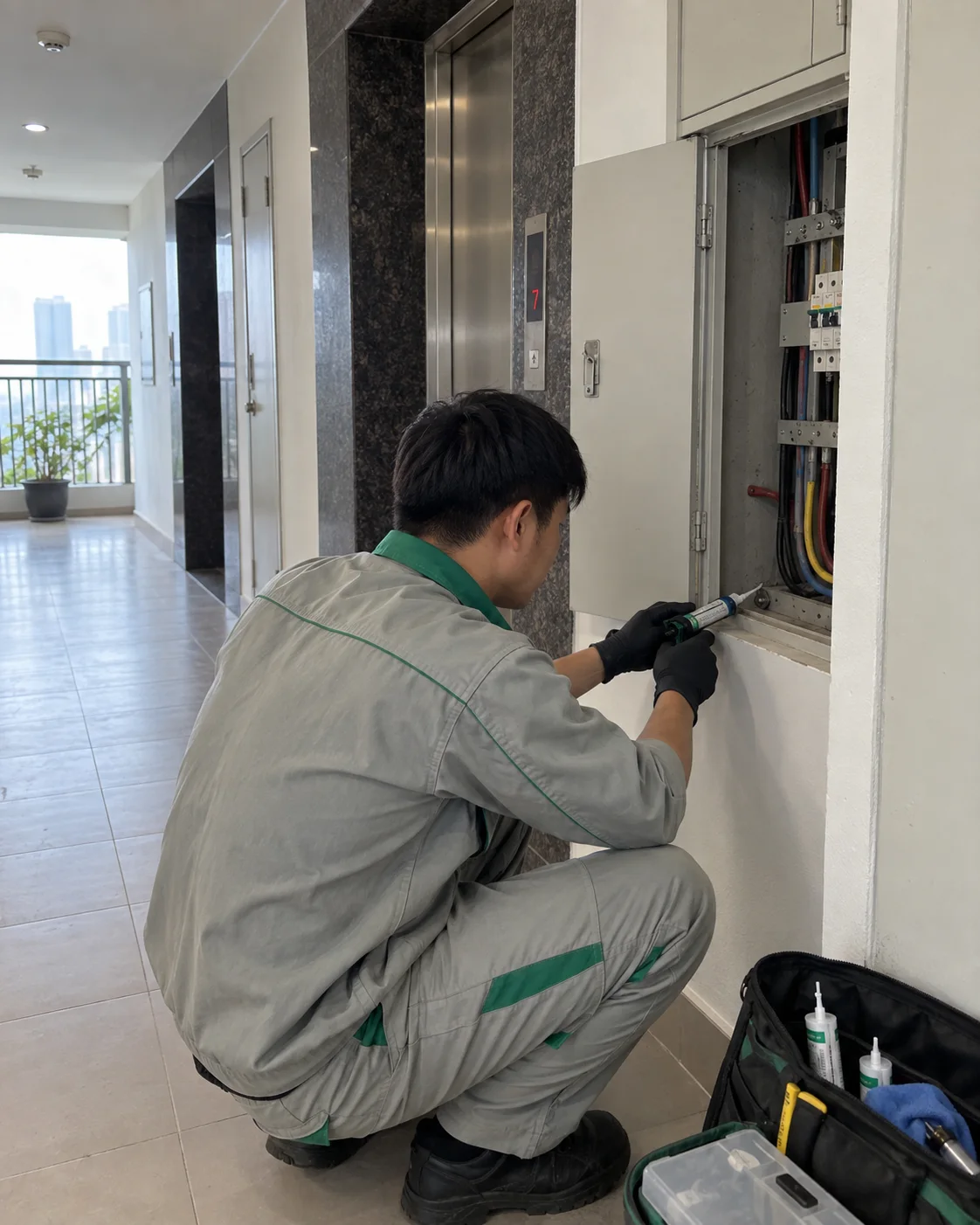
The pattern tells you a great deal
- Vertical pattern — the same problem on several floors of one stack points to a riser or a drainage stack.
- Horizontal pattern — several units on one floor points to a ceiling void or a corridor route.
- Ground floor and podium units only — points to landscaping, the perimeter or the basement.
- Only your unit, only the kitchen — most likely yours, and worth accepting quickly so it gets solved.
Get a survey and hand over a diagnosis
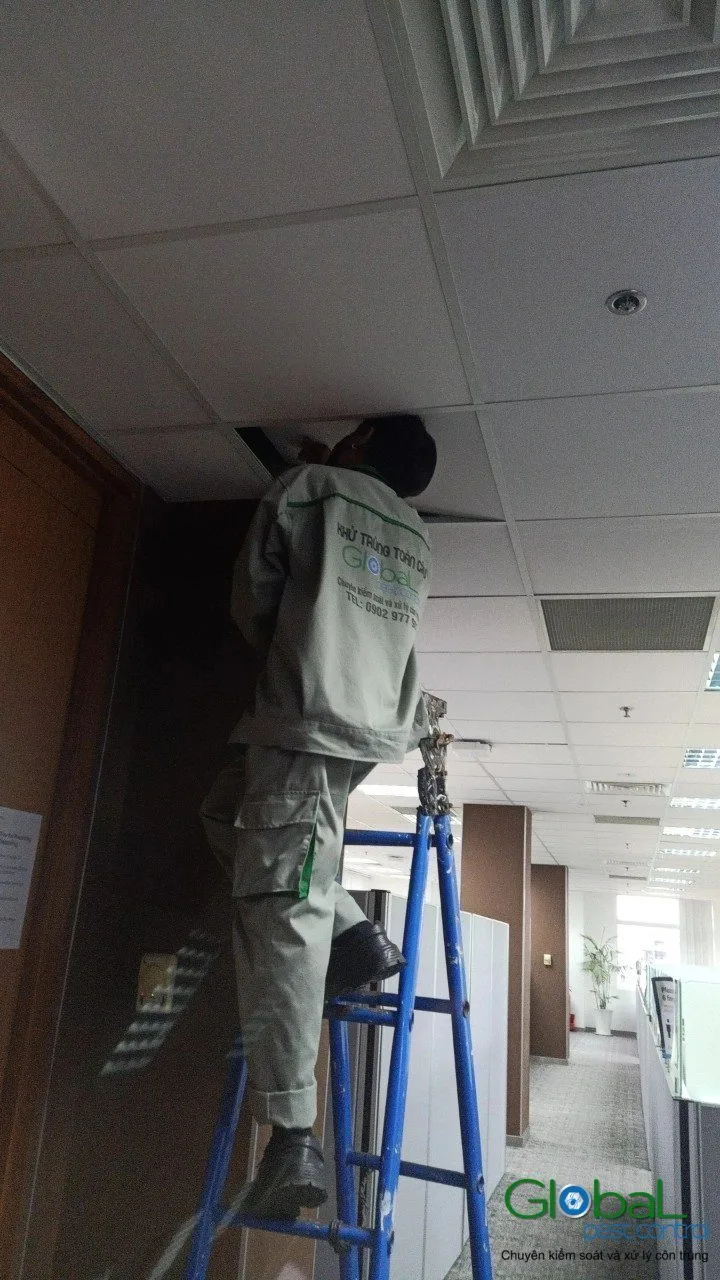
The step that changes these conversations is an independent inspection of your own unit. It is inside your control, it does not need anyone\x27s permission, and it produces a document.
A report that says the harbourage is not inside the apartment and that the entry is a specific unsealed penetration in the riser wall is not a complaint. It is a diagnosis with a location, and management can act on it. That is a fundamentally different message from "there are cockroaches and it is not my fault".
Find out whether neighbours have it too
This is the most persuasive evidence available and it costs nothing. Ask the two flats either side and the ones above and below. A message listing four affected units moves a building operator in a way that four separate complaints do not, partly because it is harder to attribute to one household\x27s habits and partly because it changes the cost calculation for management.
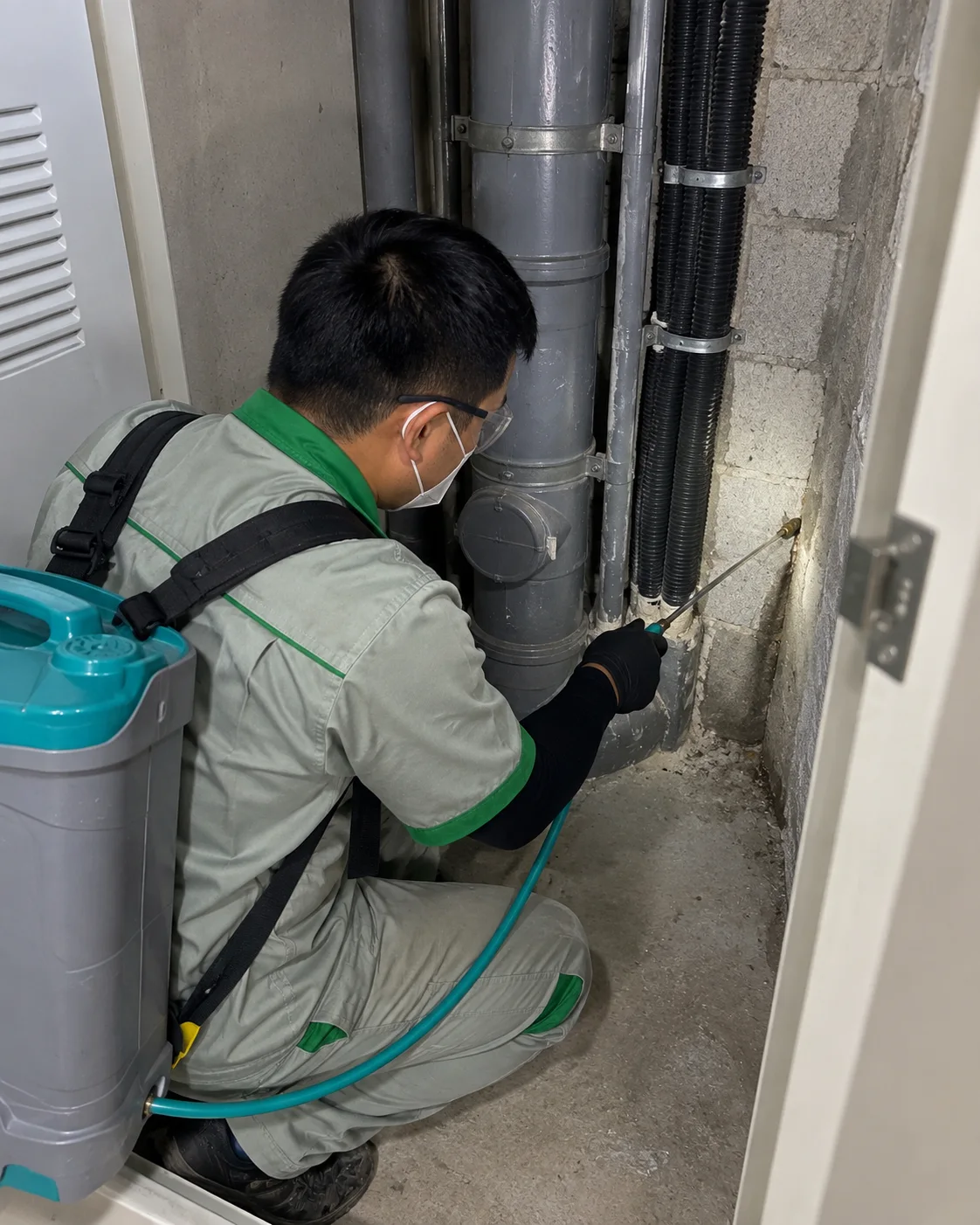
Timing the request also matters. Building operators here work to an annual budget, and a request that arrives in the last quarter often waits for the next cycle regardless of merit. Where the fix is small — a mesh, a door seal, a bag of sealant — saying so explicitly helps, because it moves the item out of the capital conversation and into routine maintenance.
Use the resident or owners committee
Many buildings here have a ban quản trị, an owners\x27 committee, which is separate from the management operator and often has more leverage over it than any individual resident. Where one exists, a documented issue affecting multiple units is exactly the kind of thing it exists to raise. Where you are a tenant rather than an owner, the route is through your landlord, who is an owner and has standing that you do not.
What to do in the meantime
Do not wait for the building. Treat and proof your own unit, because that is what stops the sightings for you regardless of how the responsibility question resolves. Sealing the penetrations into your apartment, restoring the drain seals and treating the harbourage inside your boundary is work that is worth doing on its own merits.
Keep the reports. If the same problem recurs after the building eventually acts, a two-year file showing repeated occurrences at the same location is a much stronger position than a fresh complaint.
Related reading
Start with what building management covers and talking to building management. The physical routes are explained in service risers and ceiling voids. For the landlord side see talking to your landlord. Our parent company works directly with Vietnamese building operators through its cockroach control programme.
Global Pest Control is the English-language arm of Khử Trùng Toàn Cầu. We will write our findings to a building management office in Vietnamese, addressed to them rather than to you.
Common questions
Management says they fog every month, so it cannot be them. Is that a good answer?
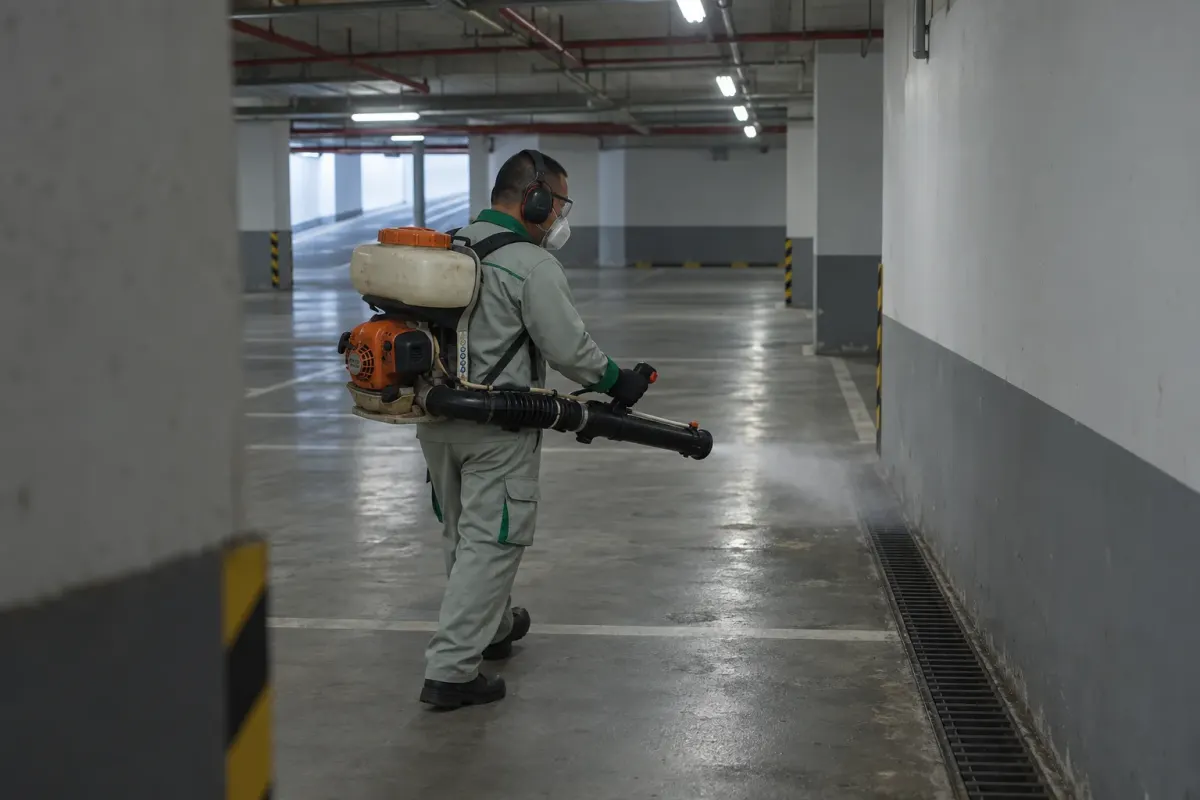
No, and it is worth answering carefully rather than dismissively. Fogging kills adults present at the moment of application and leaves essentially no residual, so anything breeding inside a drain, a tank or a riser is unaffected and produces a new generation within days. Monthly fogging is evidence of spending, not of control.
Can I refuse to pay the management fee over this?
Withholding fees in Vietnam creates a separate dispute and rarely resolves the original one, and it will usually put your landlord in the middle. The more effective pressure is documentation plus other affected residents, which changes the operator\x27s cost of doing nothing.
How much does an independent survey cost?
Considerably less than most people expect for a single apartment, and it is usually the cheapest step available at this stage because it converts a disagreement into a document. Ask specifically for a report that states where the harbourage is and where the entry points are, since that is the part management needs.