Pest Problems in Older Buildings and Shophouses
Older buildings in District 1, District 3 and the shophouse streets have a particular pest profile, and it comes from how they were built rather than from how they are kept. Many are meticulously clean and still have persistent problems.
The common factor is connection. Units share wall cavities, ceiling voids and drainage runs, often modified several times over decades and no longer matching any drawing.
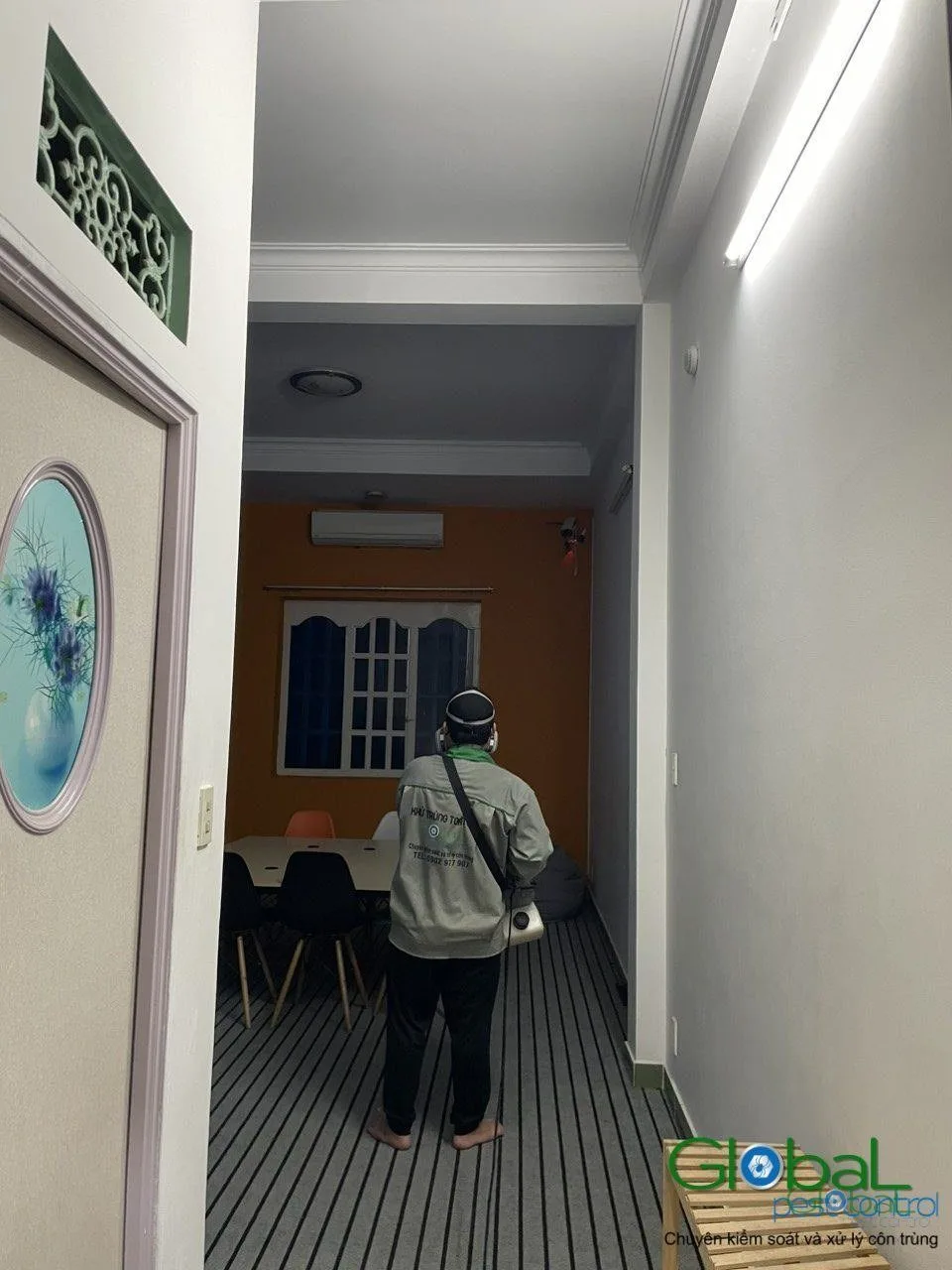
Ceiling voids are the main highway
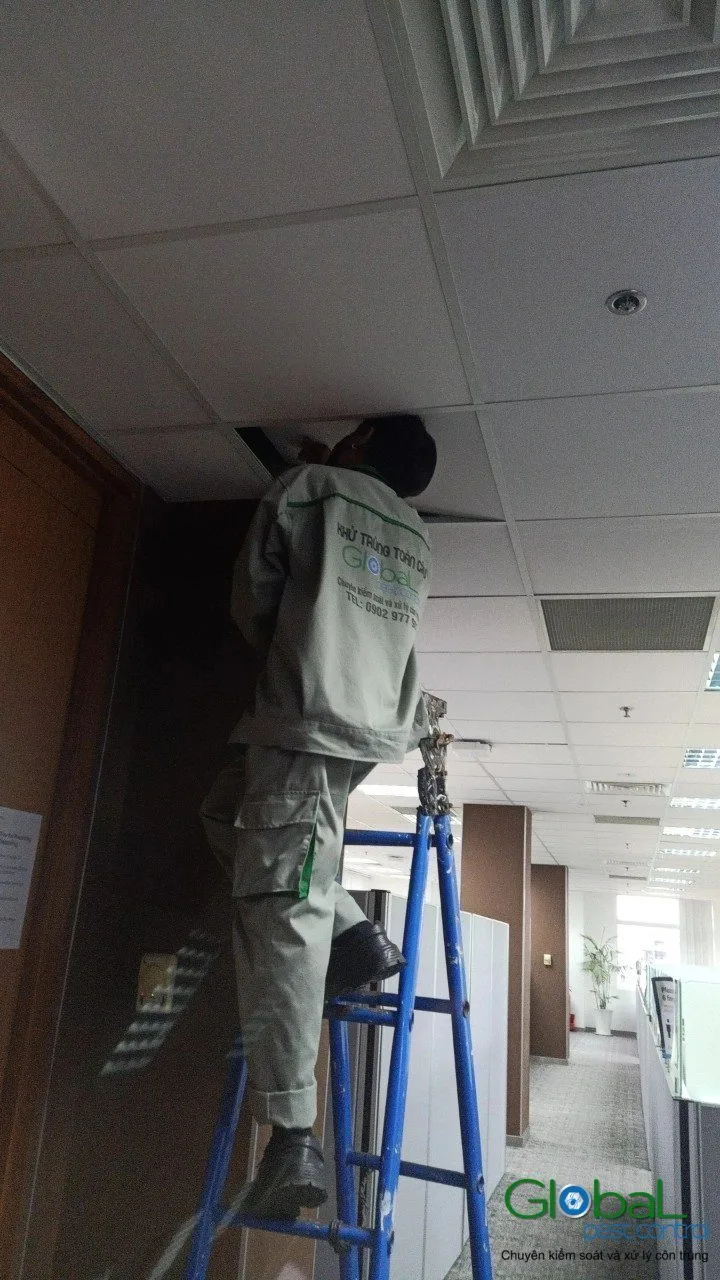
Suspended ceilings added during renovation create a continuous void above several rooms, and frequently above several units. It is dark, undisturbed, full of cabling, and connected to the outside wherever a pipe or conduit passes through.
Rodents use it constantly. The sound residents describe as "something in the ceiling at night" is almost always this. Treating the apartment below it changes nothing, because the animal is not living in the apartment.
Original drainage and later additions
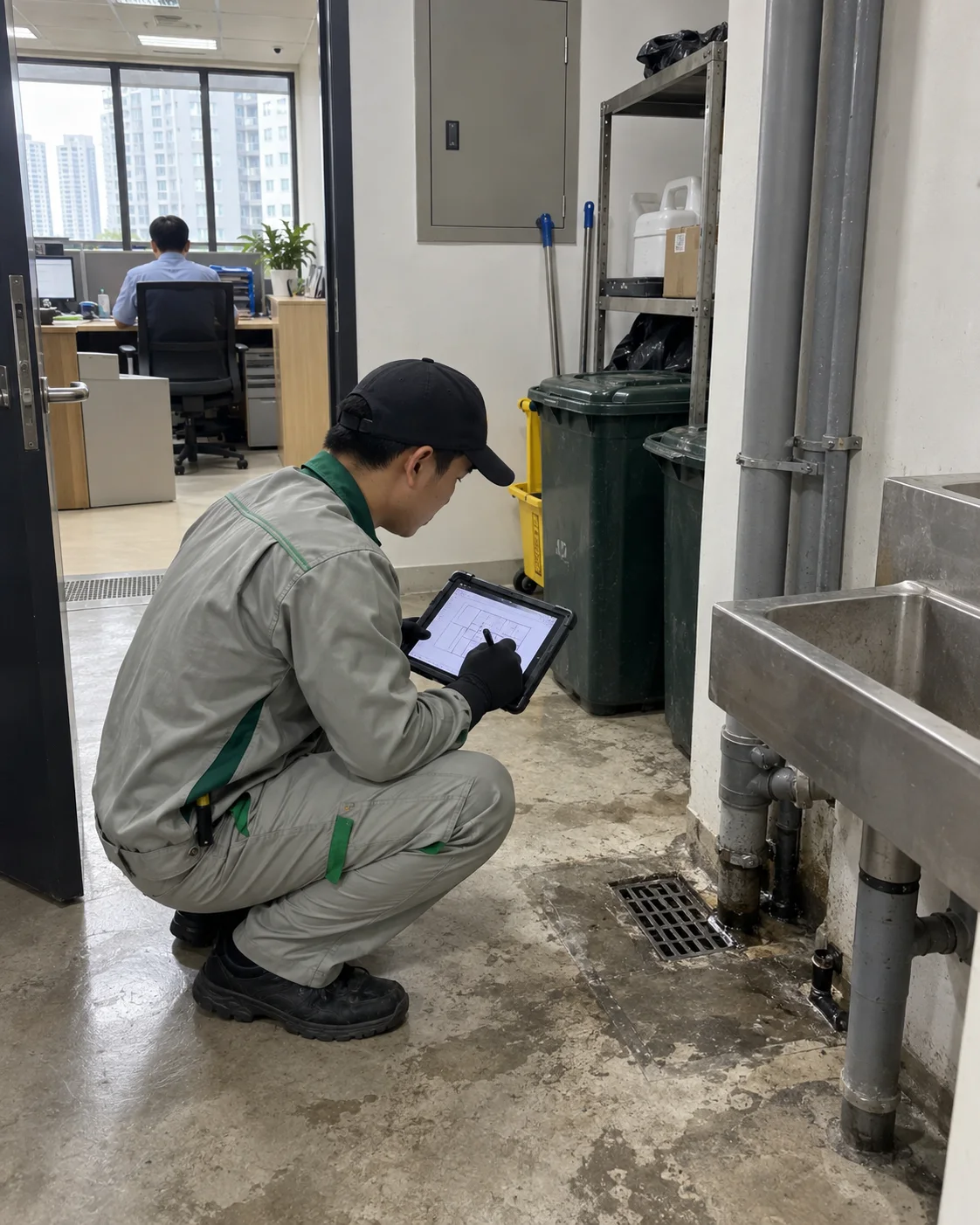
Shophouses often have drainage installed long before the current fittings, extended piecemeal as bathrooms and kitchens were added. The result is redundant pipe runs, abandoned outlets that were capped badly, and floor gullies that connect to more than they should.
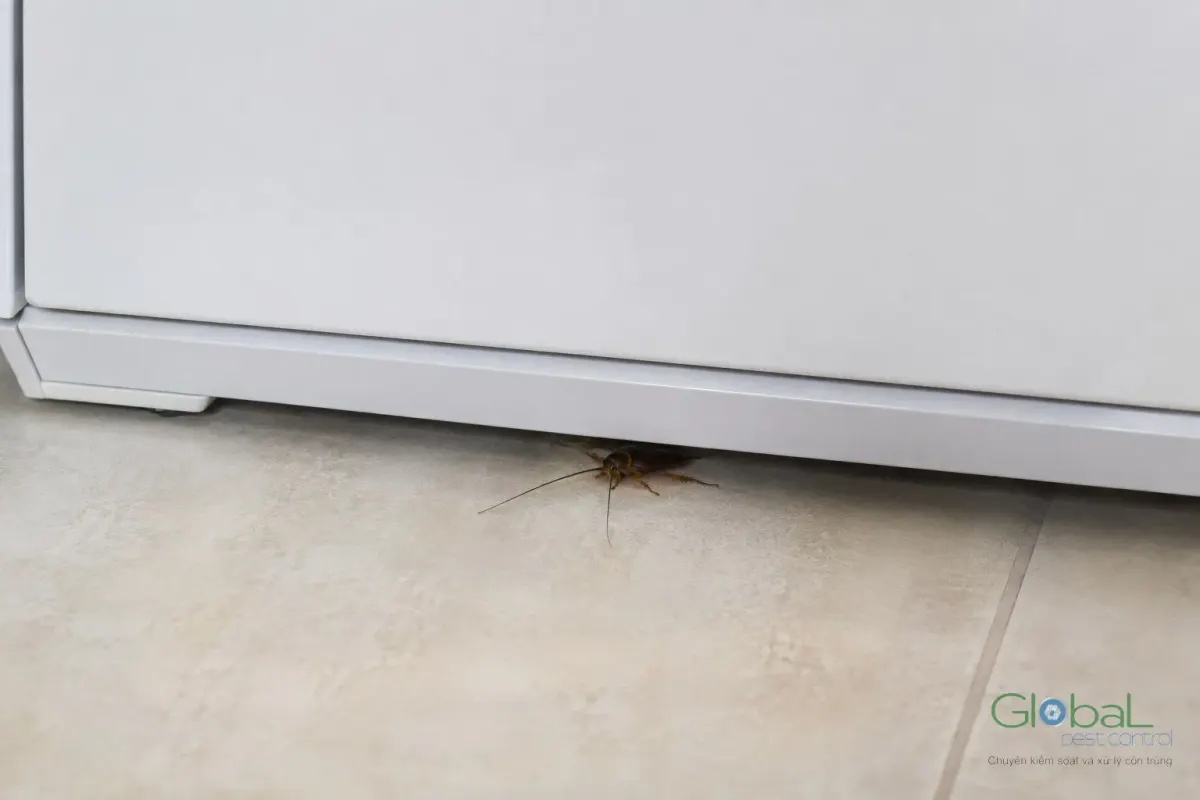
American cockroaches thrive in exactly this. They live in the drainage system and emerge at night, which is why they appear large, appear suddenly, and appear in bathrooms more than kitchens.
Timber that was never treated
Roof structures, staircases, door frames and shutters in older buildings are frequently untreated hardwood in contact with masonry that holds moisture. That combination supports both termites and wood-boring beetles over long periods without any surface sign.
- Tap skirting and door frames — a hollow sound in one section is worth investigating
- Look at the underside of stair treads and the back of shutters, which are never painted
- Check where timber meets a wall at ground level, especially in a courtyard or light well
What is worth solving structurally
In an older building, a proportion of the problem is not a pest problem at all — it is an opening. Sealing conduit penetrations into a ceiling void, fitting a proper grille to a floor gully, and closing the gap where a modern door meets an old frame will each do more than repeated treatment.
These are small jobs. The reason they rarely get done is that nobody owns them: the void is between two units, the gully is in a shared light well, the door is the landlord's. Identifying them in writing is usually the step that gets them fixed.
What treatment can and cannot do
Treatment can reduce a population quickly and hold it down. In a connected older building it cannot keep a unit clear indefinitely on its own, because the neighbouring space is not treated and the routes remain open.
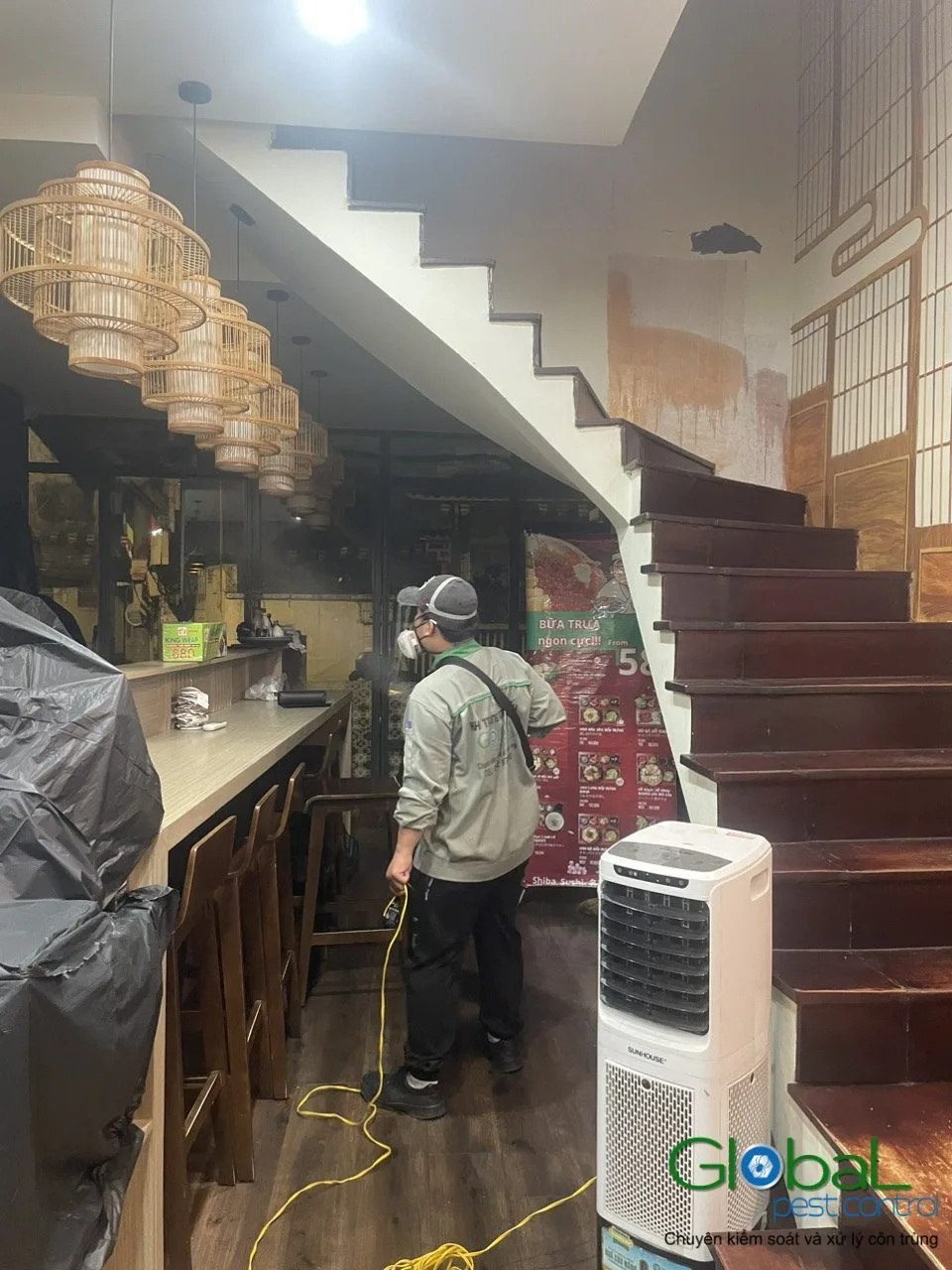
The realistic aim is a programme: periodic treatment of the routes rather than the rooms, combined with whatever sealing work the building will allow.
Renovation is the moment that decides the next ten years
Almost every older apartment in the city has been renovated at least once, and renovation is when the routes are either closed or created. New pipework threaded through an old wall leaves an unsealed hole. A dropped ceiling closes off a void that then never gets inspected. A new kitchen is built against a wall that was damp before and still is.
If you are renovating, the cheapest pest control you will ever buy is twenty minutes of the builder's time: seal every penetration, fit access panels to voids, and put proper grilles on floor gullies before the tiles go down.
Living with a shared problem
- Seal what is inside your boundary, since that is what you control
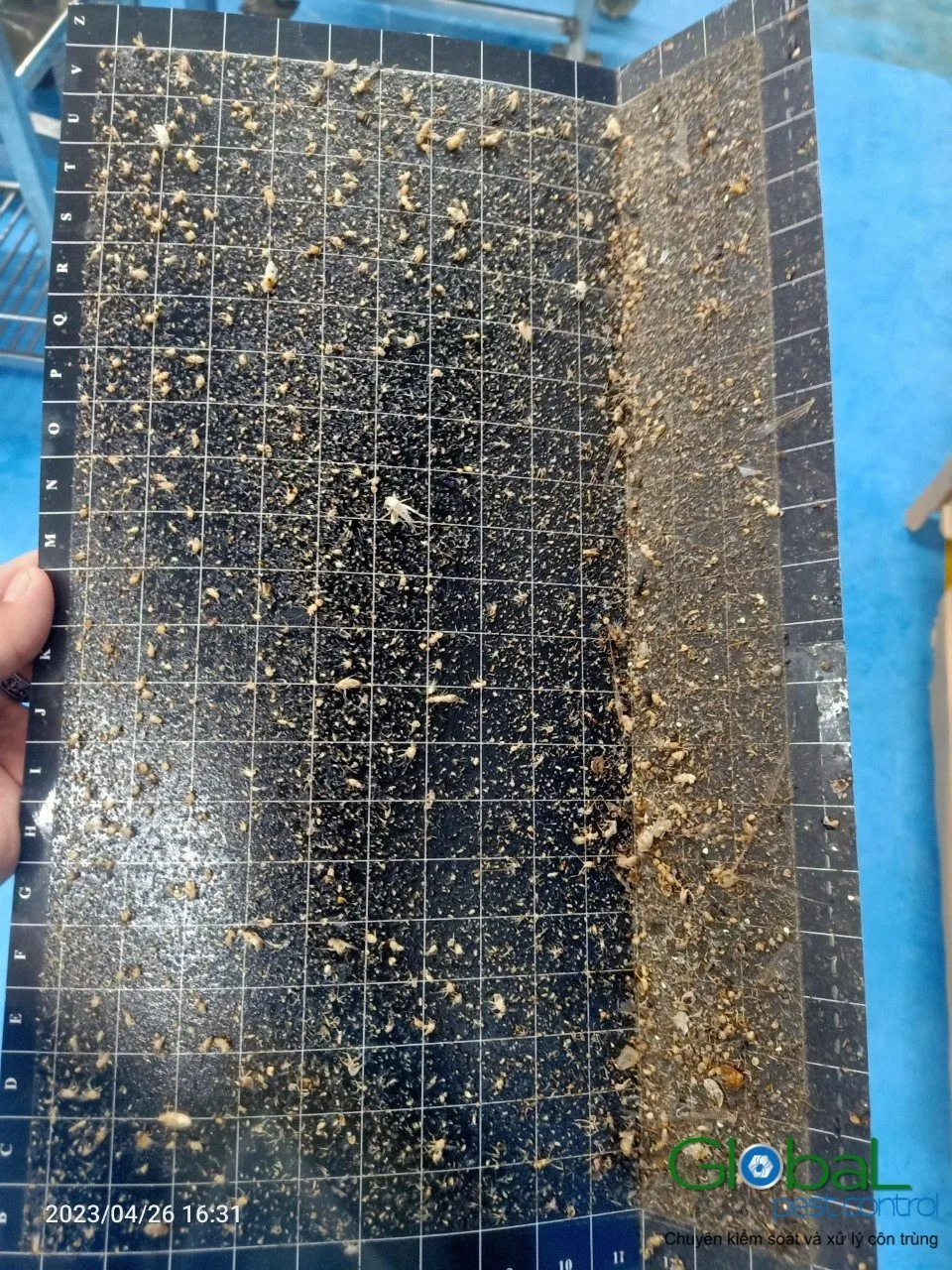
- Keep monitors under the sink so you can tell pressure from occurrence
- Treat on a schedule rather than in response, because the source is not going away
- Raise shared defects in writing with photographs, and keep copies
- Where several units are affected, approach the owner or manager together
Geckos, and why they are a symptom
House geckos are common in older buildings and are not a pest in any meaningful sense — they eat insects and they are protected by nobody's dislike of them. What they indicate is a supply of insects, usually around lit walls and windows at night.
If gecko numbers rise sharply, the useful question is what they are eating. Reducing outdoor lighting near windows and fitting screens usually does more than trying to remove the geckos themselves.
Working with neighbours in a divided building
Many older buildings are divided into units under separate ownership, with no management company and no shared budget. That makes a building-wide programme difficult but not impossible, and the alternative is each owner paying repeatedly for treatments that fail for the same reason.
A practical approach is to propose a single contractor treating the shared routes — drainage, light wells, the stair — with the cost split between units, and each owner responsible for their own interior. Presented with figures, this is usually cheaper per unit than what people are already spending separately.
Global Pest Control is the English-language arm of Khử Trùng Toàn Cầu. The same technicians and the same programmes are described on the Vietnamese service pages.
Book an inspection
Site inspections are free of charge and carry no obligation. A technician walks the property, identifies the species and the harbourage, and sends a written quotation with the method and the schedule — normally within one working day.
Request an inspection · See indicative prices · All services