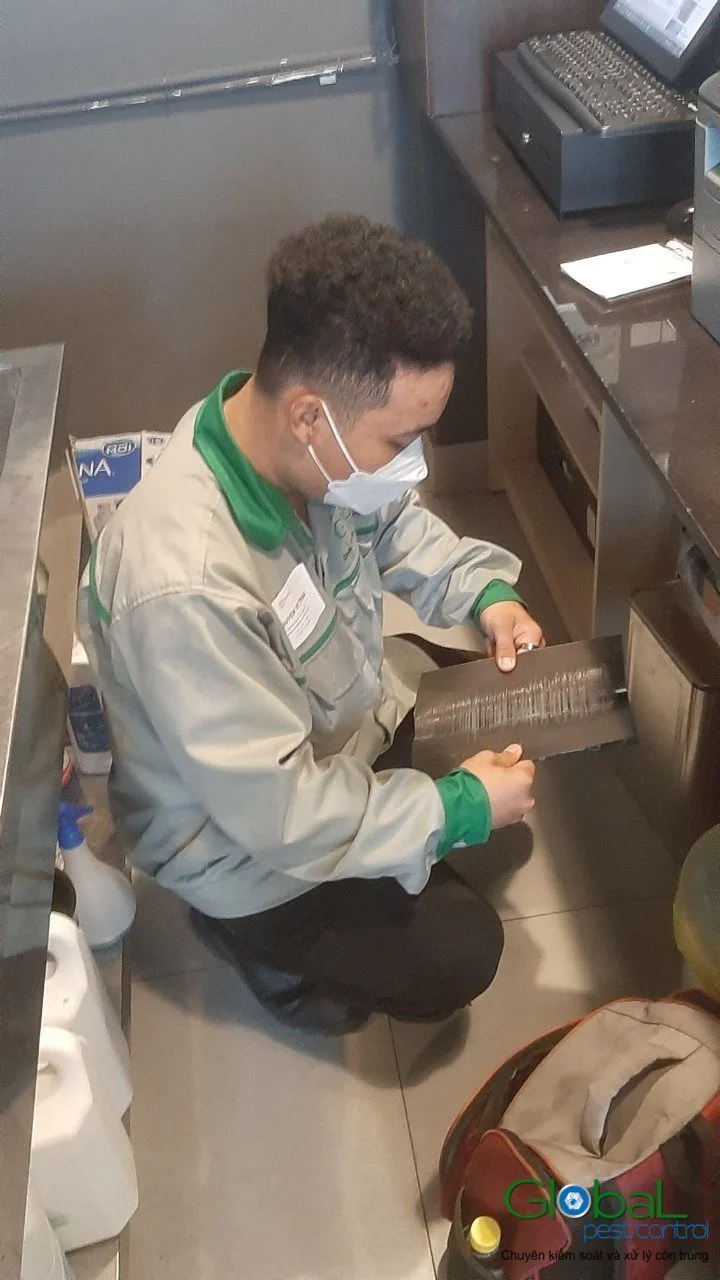
Pest Control in Apartment Complexes: How to Plan It for the Whole Building
Quick answer. In an apartment complex, pests live in the shared parts of the building: refuse rooms and chutes, basements and car parks, drainage, plant rooms and landscaping. They move into units through pipe and cable shafts. Treating one flat at a time does little if the shared areas are left. A workable plan has three parts: a monthly visit to all shared areas, a way for residents to book their own unit on the same visit, and a record of what was done and where activity was found.
Where pests live in a building
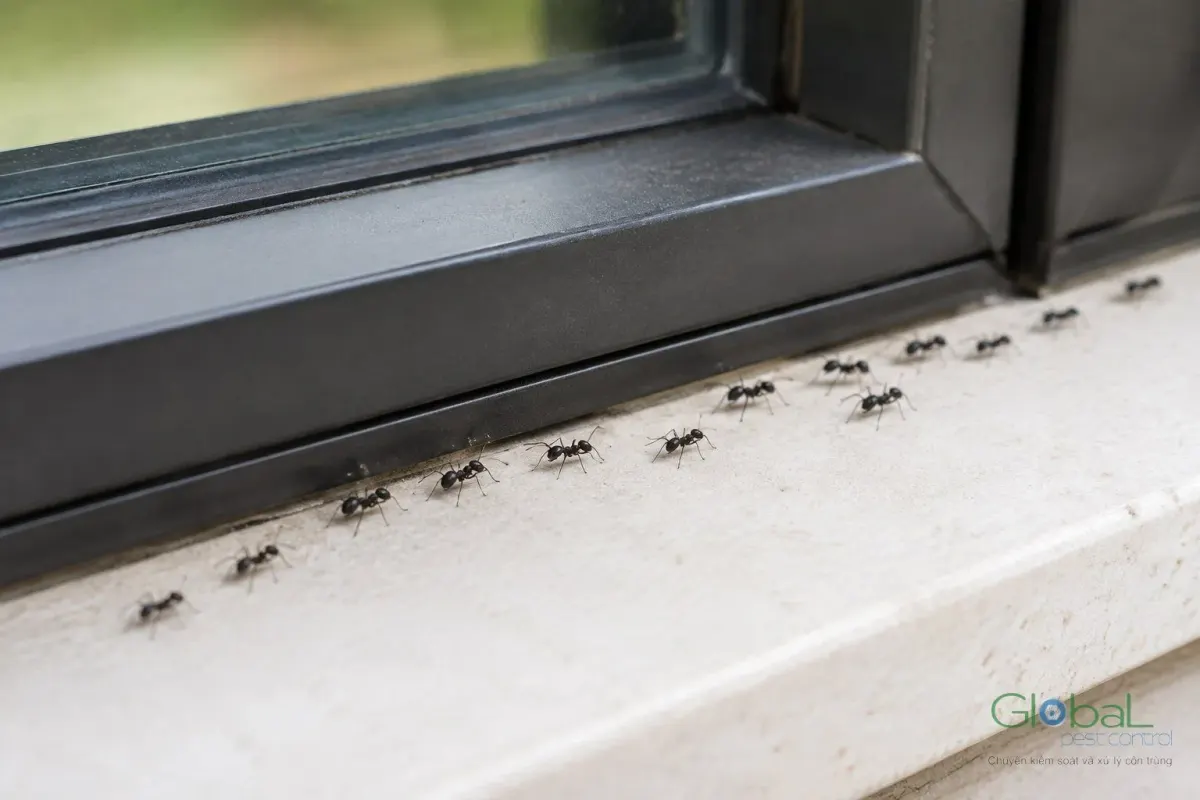
- Refuse rooms and chutes: food waste, warmth and moisture; the main source of cockroaches and flies.
- Basements and car parks: drains, sumps and dark corners for cockroaches and rats; standing water for mosquitoes.
- Service shafts and ceilings: routes between floors for cockroaches and roof rats.
- Landscaping and water features: mosquito breeding, ant nests and cover for rats near the ground floor.
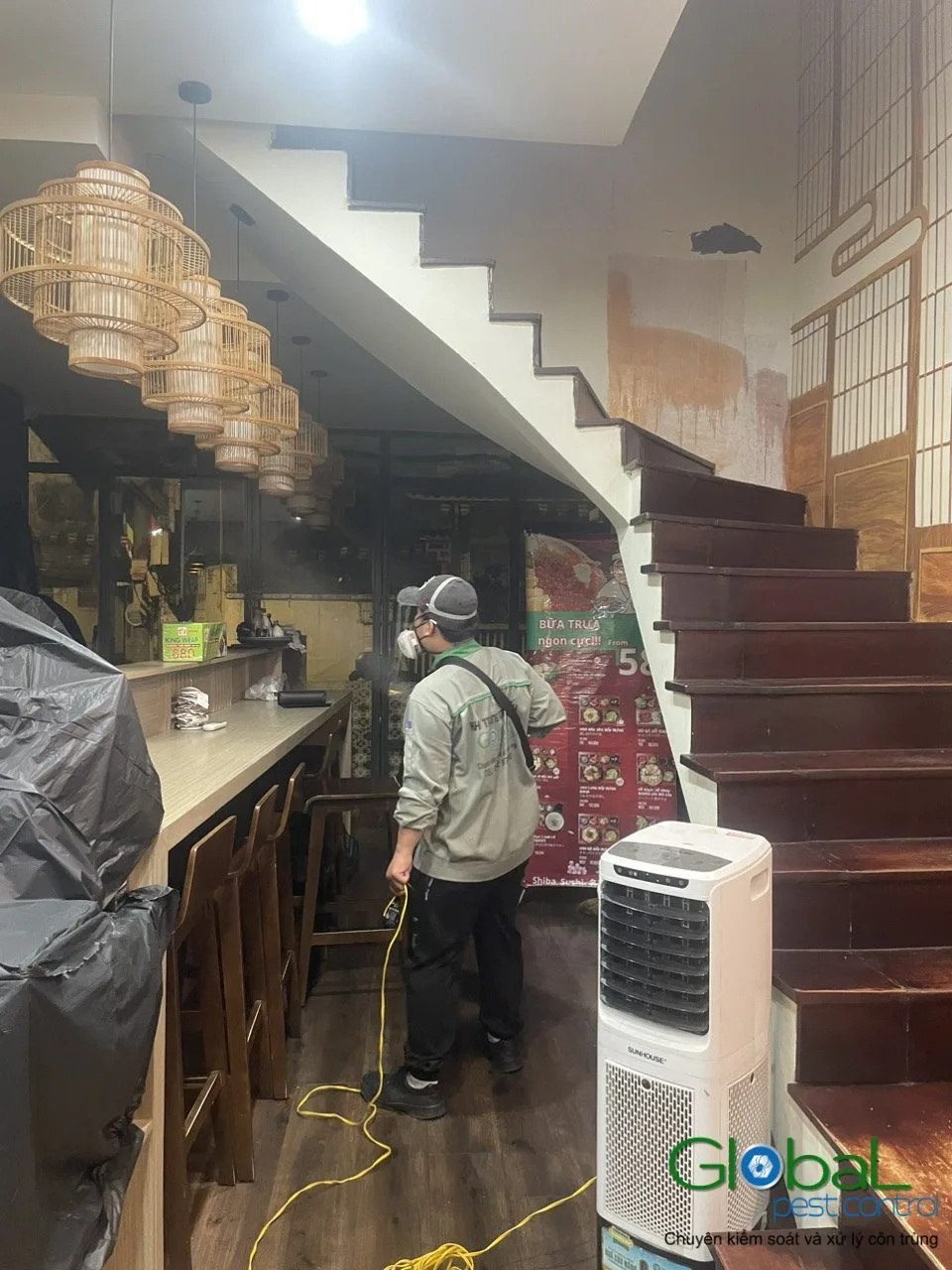
- Shop units and restaurants on the podium: food businesses under the residential floors often supply pests to the floors above.
What a building-wide plan covers
- Survey: one walk through all shared areas, the podium shops and a sample of units, to find the sources and the routes.
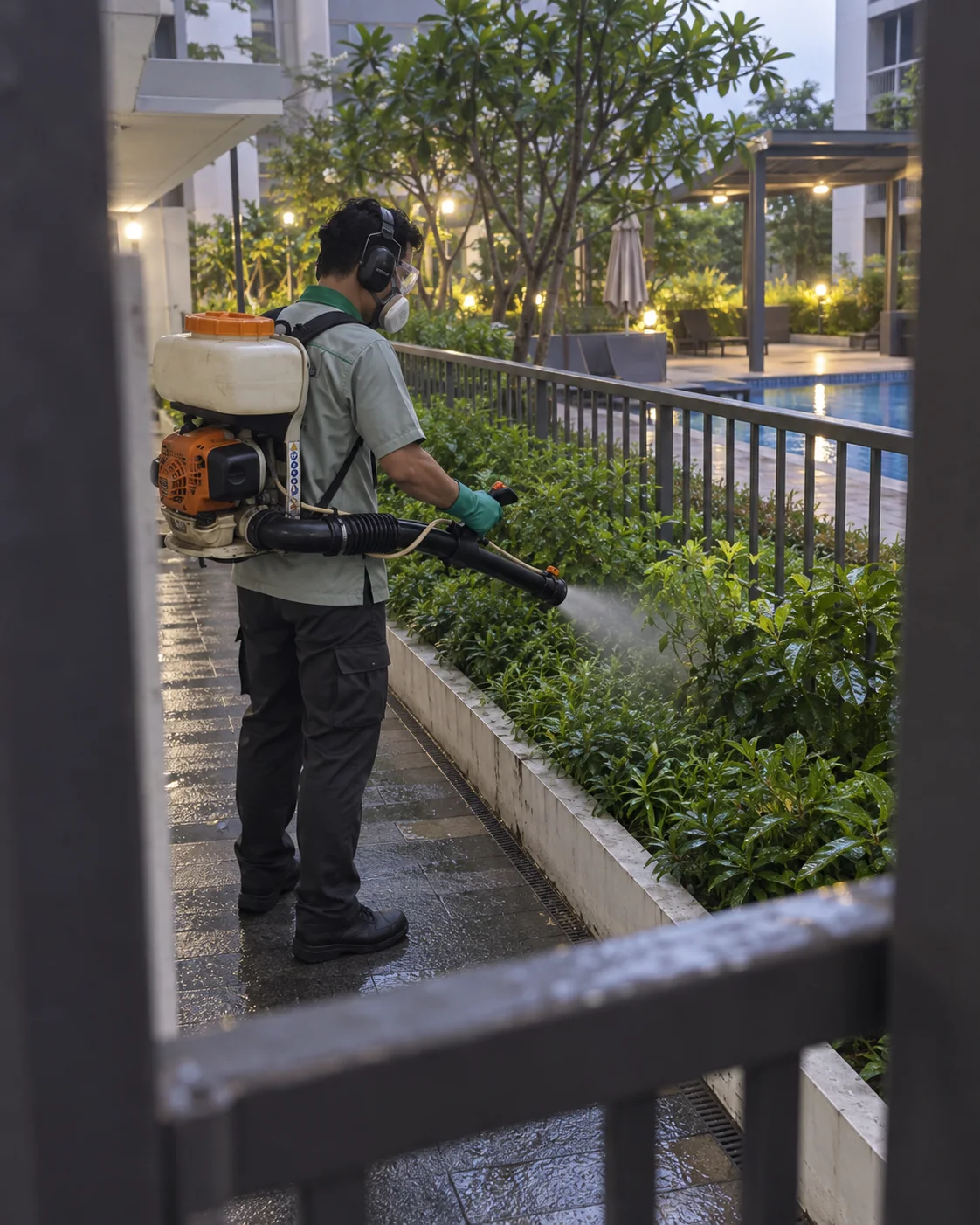
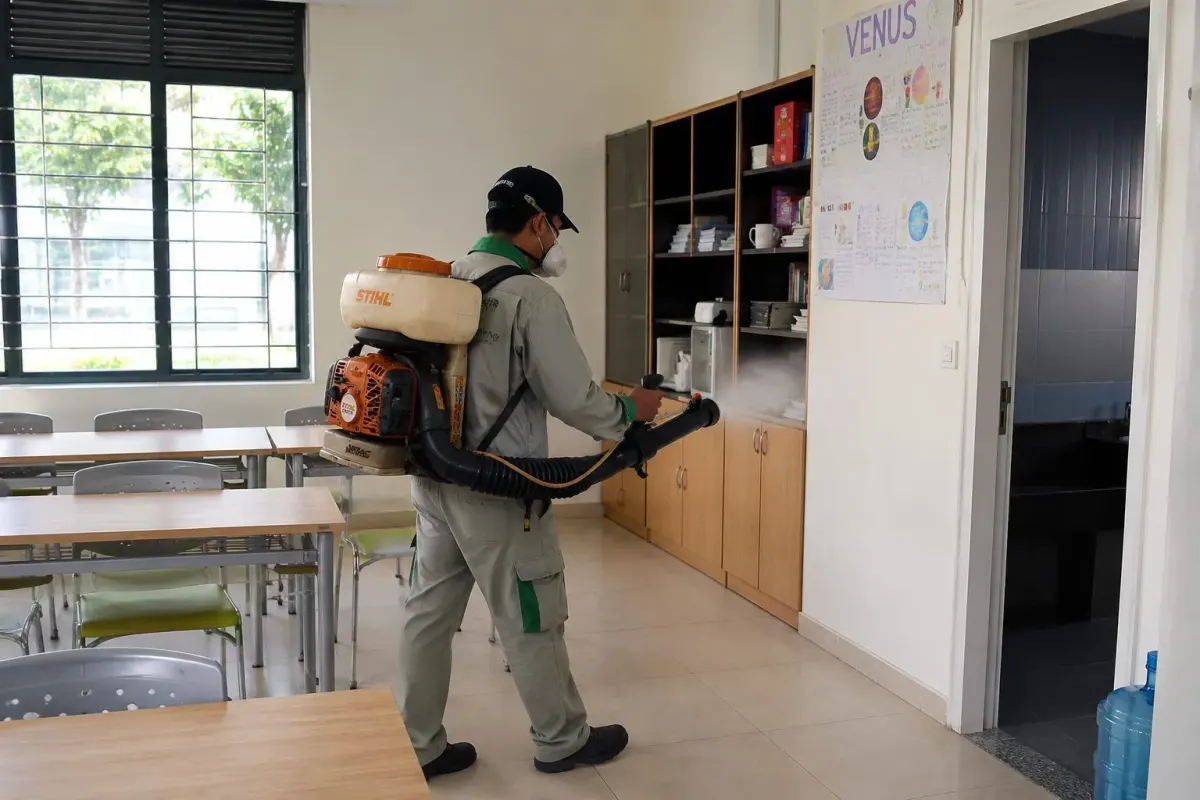
- Monthly shared-area treatment: residual spray along wall bases, drains, refuse rooms and shafts for crawling insects; gel bait where spray does not reach; misting in basements and landscaping for mosquitoes, with water sources cleared.
- Rodents: traps inside the building, locked bait stations around the outside and refuse area, checked every week.
- Units on request: residents book their own unit for the same day, so treated shared areas are not undone by untreated flats.
- Records: a service report after each visit, a plan of rodent stations and a list of repairs, such as open drains or gaps around pipes, that the building needs to fix.
Termites are handled as a separate service after a survey, not as part of the monthly visit.
Timing and notices
Shared areas are treated at a time the building sets, usually when fewer residents are around. Post a notice a few days before, saying which areas will be treated and when residents can use them again, and when unit bookings are open.
What building staff can do between visits
- Clean refuse rooms and chutes on a fixed schedule, and keep bins lidded.
- Report sightings with the floor and place, so the next visit starts there.
- Keep basement drains covered and sumps pumped; turn over anything holding water in the landscaping.
- Seal gaps around pipes entering shafts when repairs are done.
For the service itself, see our pest control for apartment buildings page. Residents asking what the building covers and what they arrange themselves can read what building management covers.
Common questions
Can each resident just hire their own company?
They can, but cockroaches and rats come back from the shared areas. One plan for the building, with units added on the same day, works better.
How often?
Monthly for shared areas; rodent stations every week. Buildings with damp, shaded basements may need mosquito treatment twice a month.
How is it priced?
By the area of the shared parts and the number of stations. Starting prices are on the price list.