Construction Next Door: What to Expect and For How Long
Hoardings go up next door, the demolition starts, and within a fortnight a building that has been quiet for years is reporting rodents. Residents conclude the site is filthy and the contractor is at fault.
Usually neither is true. The animals were already there, living in the ground, the vegetation and the structure of the old building, and excavation removed their home. The nearest occupied building is where they go.
What each phase does
Demolition displaces whatever was living in the old structure — rodents in voids and roof spaces, cockroaches in drainage, occasionally bees or wasps from a nest. This is usually the sharpest and shortest effect, over days rather than weeks.
Excavation is the bigger one. Digging out foundations destroys burrow systems and ant nests over the whole footprint, and it also opens and disturbs the drainage connections. Rodents dispersing from an excavated site do so across a radius of tens of metres and settle wherever they find shelter and food.
The timeline
Expect the first effect within a week or two of demolition beginning, a second and larger one during excavation, and a gradual settling over the following one to three months as displaced animals either establish elsewhere or fail to.
A third, smaller wave often comes at the end, when site welfare facilities and workers\x27 food waste stop being present and whatever was living on those goes looking elsewhere.
The other effects, less discussed
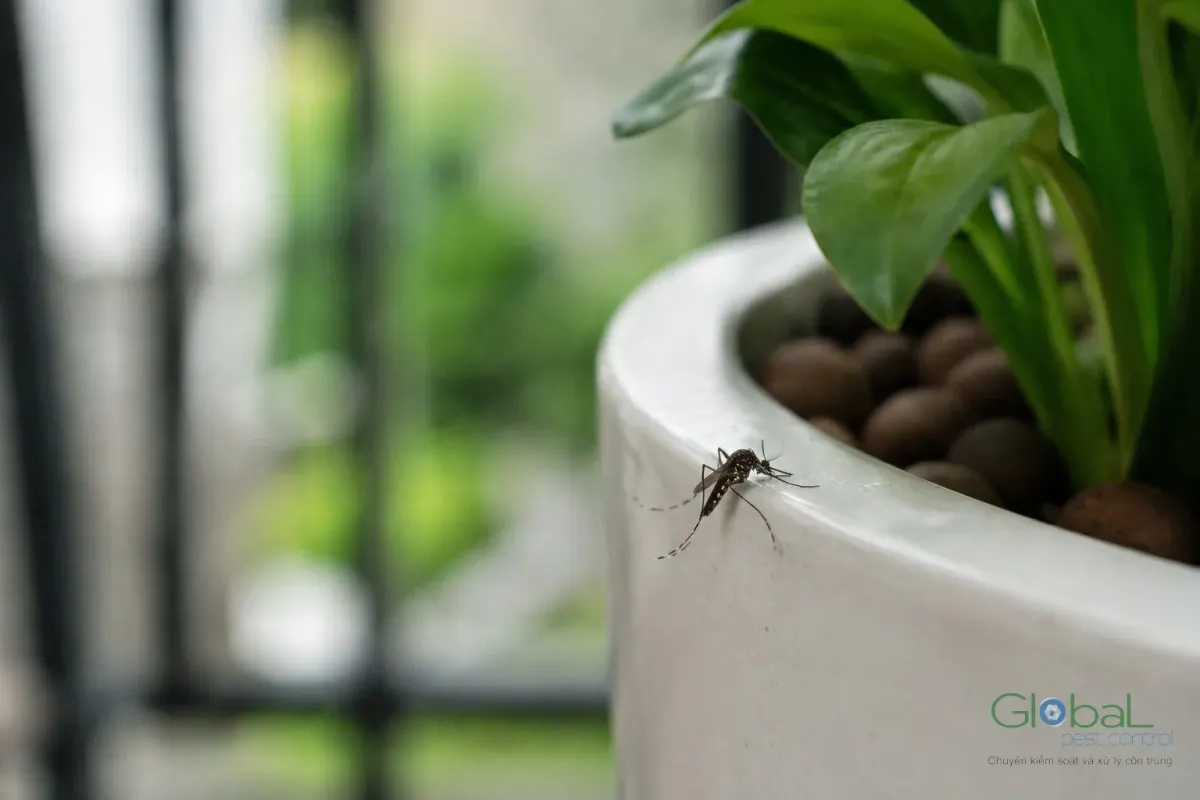
Site drainage connections are frequently opened, capped temporarily or damaged, which produces cockroach and fly activity in surrounding properties. Standing water in excavations and in site equipment produces mosquitoes within about a week, particularly during the rainy season.
Site accommodation and food waste on a large project is a food source of a size the neighbourhood did not previously have, and it sustains a population for the duration of the works.
What actually helps
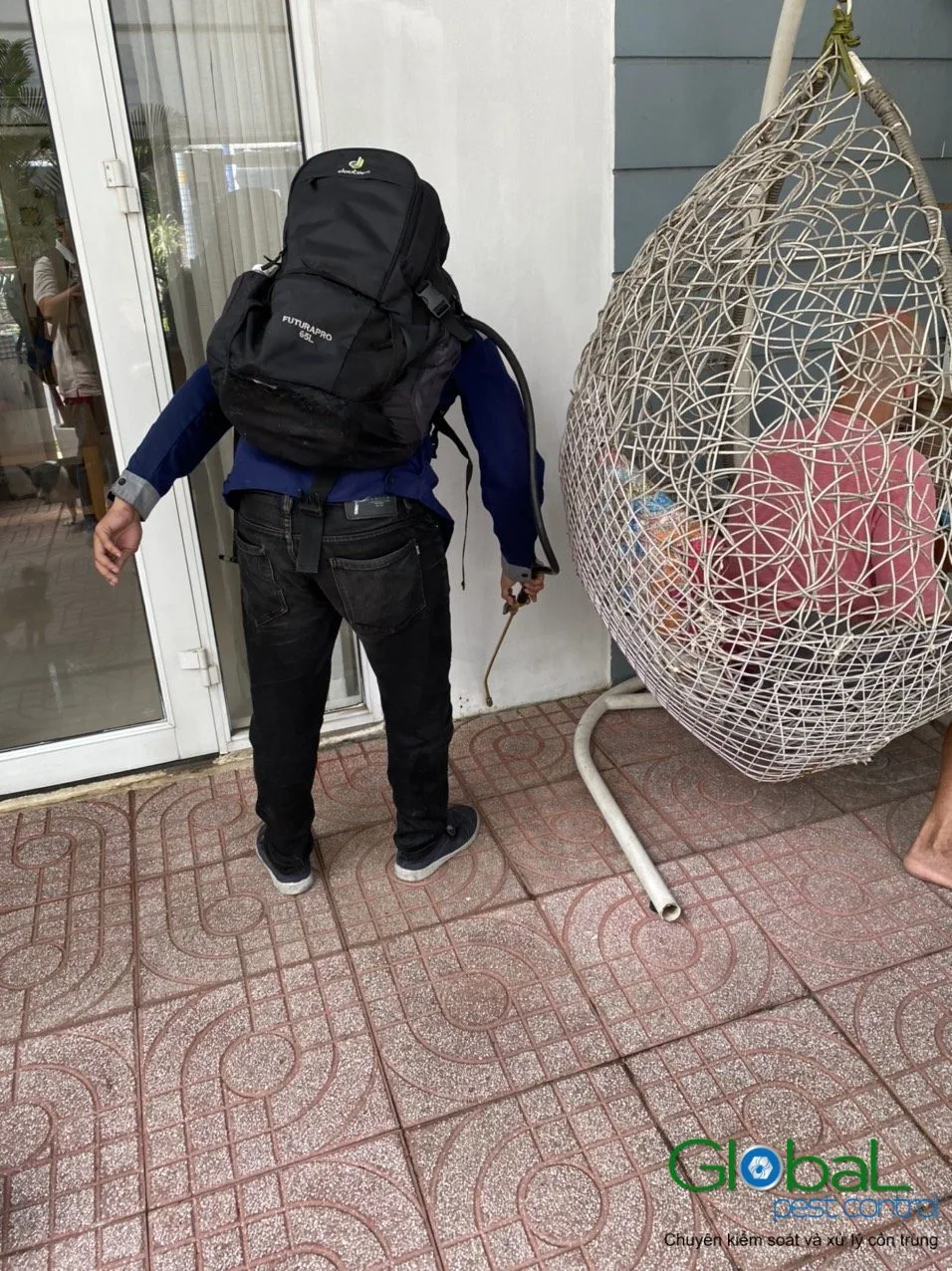
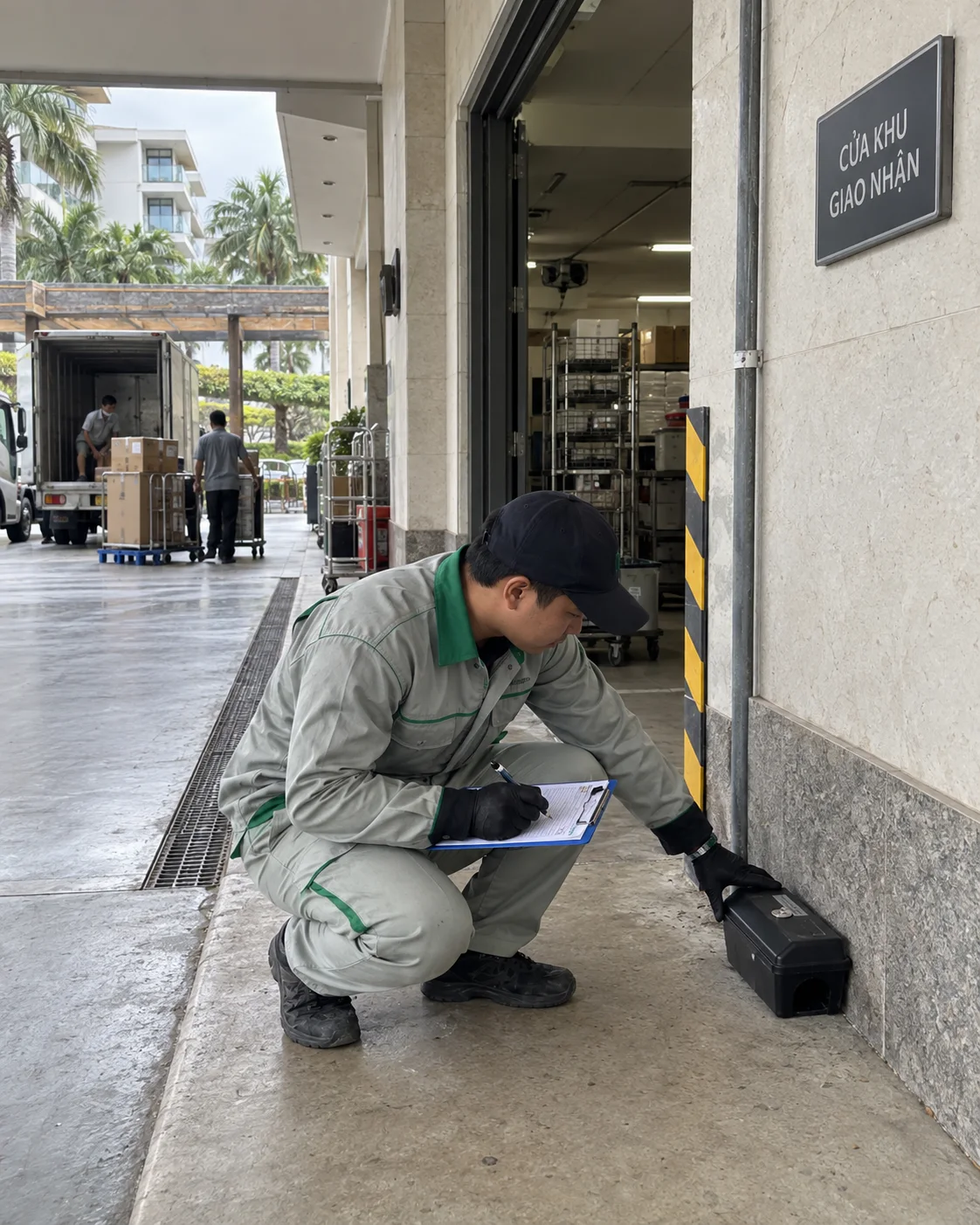
Perimeter work rather than interior treatment. External bait stations on your boundary facing the site, brush strips and threshold seals on external doors, and sealing of any ground-level penetration into your building. That is where the pressure is arriving.
Treating the interior alone is treating the consequence. Monitoring internally so that anything getting in is detected early is worth doing alongside, but the work that changes the outcome is at the boundary.
Raising it with the site
Large contractors in Ho Chi Minh City frequently have their own pest control arrangement, and a polite, specific approach — asking whether they run a rodent programme on the site and whether they can place external stations on their side of your boundary — is answered more often than people expect.
It costs them little, it is in their interest since their own site is affected, and a written request from a neighbouring building carries more weight than a resident complaint. Escalating in tone works much less well than asking clearly.
What to tell your own contractor
Tell them the works are happening. A spike in activity two weeks into a demolition next door is not a failure of the programme, and a technician who knows about the site will design around it — more external monitoring, perimeter emphasis, more frequent visits for a defined period — rather than repeating the same interior treatment.
It is also worth recording it in the file, particularly for a commercial site, because an auditor reading a spike with no explanation reaches a different conclusion from one reading a spike attributed to adjacent excavation with dates.
When it settles
Most of the displacement effect resolves within three months of the excavation finishing, and the ordinary rhythm of the area returns. What does not resolve on its own is anything that established inside your building during that period, which is why early detection matters more than usual while works are ongoing.
Related reading
See why ground floor units have more problems and new buildings in their first two years. On rodents, rats and mice compared and gnaw marks and runs. For the boundary work, physical proofing. Our parent company runs the Vietnamese-language rodent control programme for sites and neighbours alike.
Global Pest Control is the English-language arm of Khử Trùng Toàn Cầu. We can write to a site contractor in Vietnamese on your behalf.
Common questions
Can we require the contractor to do pest control?
It depends on the project approvals and any conditions attached to them, and it is worth asking the site manager what their arrangement is before treating it as a dispute. Most large contractors here already have one because their own workforce is affected. A cooperative approach usually achieves more than a formal one, and it is available immediately.
Should we increase our own treatment frequency?
For the duration of the works, usually yes, and concentrated externally rather than internally. Weekly checks of the external rodent stations during demolition and excavation, as on any programme with rodents, are a proportionate response. Increasing interior treatment while the perimeter is untouched is the common and ineffective version.
How long after the works finish before it is normal again?
Typically two to three months after excavation ends, sometimes longer on a large site with an extended construction phase. What matters is whether anything established inside your building during that window, which is why monitoring through the period is worth more than treatment after it.