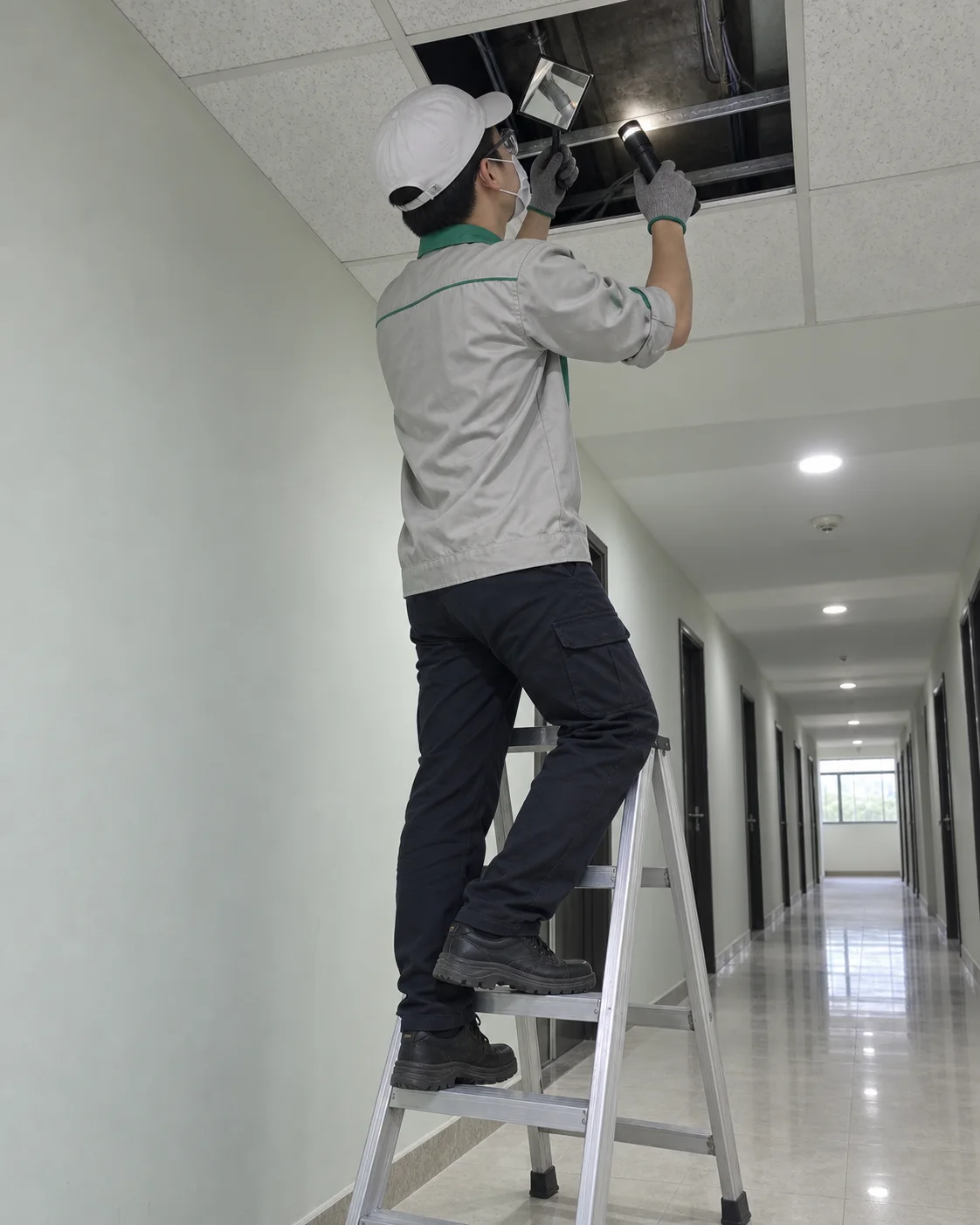
Moving Between Districts: What Changes and What Does Not
Ho Chi Minh City is not uniform. A tenant moving from a high-rise in District 1 to a villa in Thao Dien often reports more mosquitoes and fewer cockroaches, and assumes the new place is worse or better. It is neither — it is different, and the differences are predictable.
Two variables explain most of it: how close you are to standing water and green space, and how old the building is.
What green space and water change
Thao Dien, An Phu, parts of District 2 and the villa compounds of District 7 have gardens, canals, ponds and mature planting. That means more mosquitoes, more ants, occasional snakes and geckos, and more seasonal variation. It also means fewer of the drain-associated problems that dominate dense central districts.
Waterside property in particular has a different mosquito profile, because tidal channels and drainage canals support species that breed in larger bodies of water rather than in containers.
What building age and density change
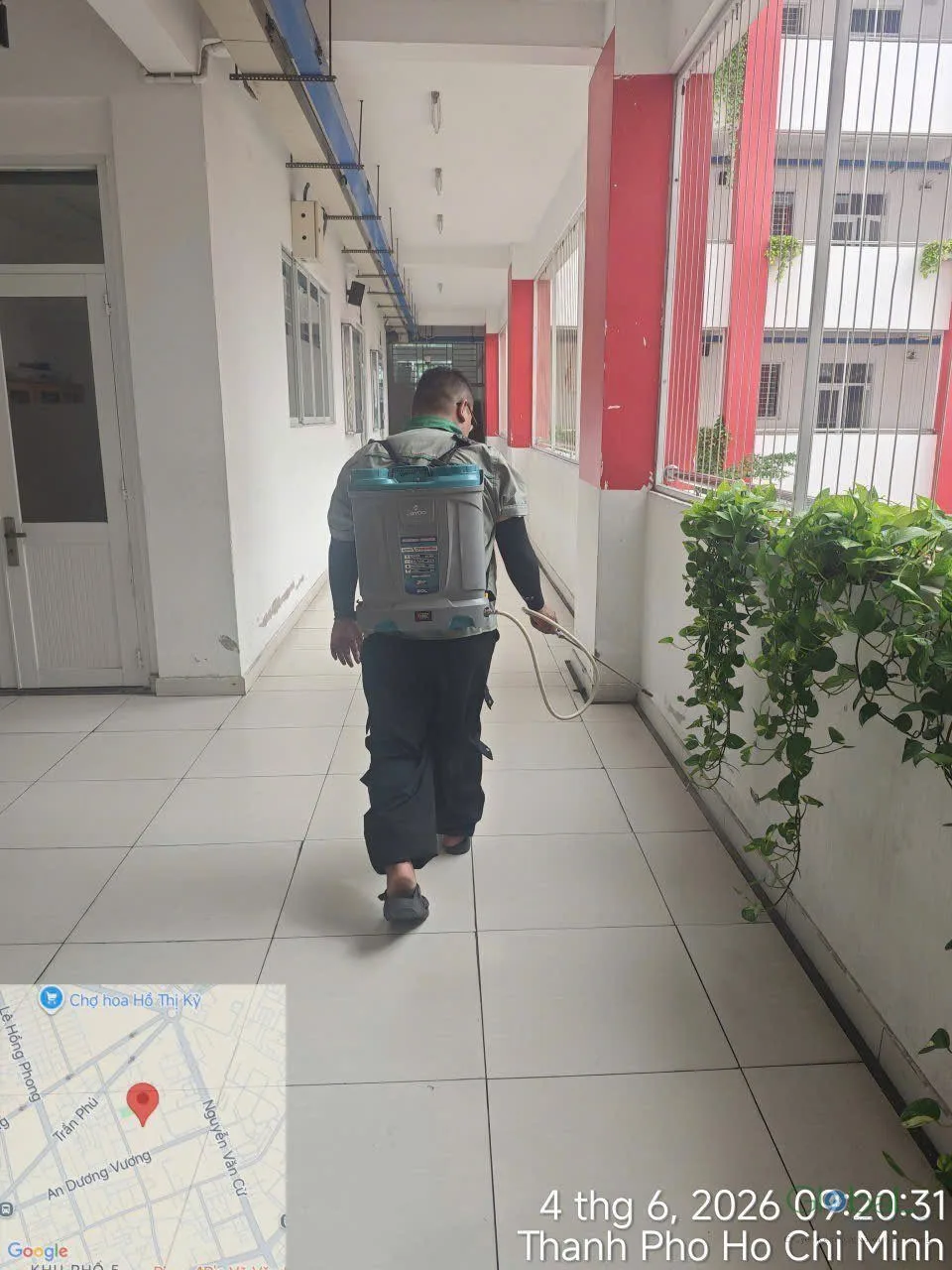
District 1, District 3, Binh Thanh and Phu Nhuan have a high proportion of older concrete buildings and shophouses, with shared party walls, aged drainage and structural voids that were never designed to be sealed. That produces more cockroaches, more rodents and more problems that originate next door rather than inside your own unit.
New towers in Thu Duc, Thu Thiem and Phu My Hung have better drainage and better sealing, and their characteristic problems come from construction next door, from landscaping, and from the first two years while the building settles and the fit-outs are completed.
Season interacts with district as well. The rainy months lift mosquito pressure everywhere, but they lift it far more in low-lying, canal-adjacent areas than in a sealed tower on high ground, and they push rodents upward out of basements in dense districts. A place that feels quiet in February can feel very different in August, which is worth knowing when you view a property in the dry season.
A rough district profile
- Thao Dien and An Phu — mosquitoes, ants, geckos, termites in older villas, garden-associated species.
- Phu My Hung and District 7 — mosquitoes from the canal network, generally good building stock, landscaping-driven ants.
- District 1 and District 3 — cockroaches, rodents, shared-structure problems, older drainage.
- Binh Thanh and Phu Nhuan — mixed, with dense alley housing where treating a single property has limits.
- Thu Duc and Thu Thiem — newer buildings, construction-adjacent problems, landscaping and podium gardens.
What follows you regardless of district
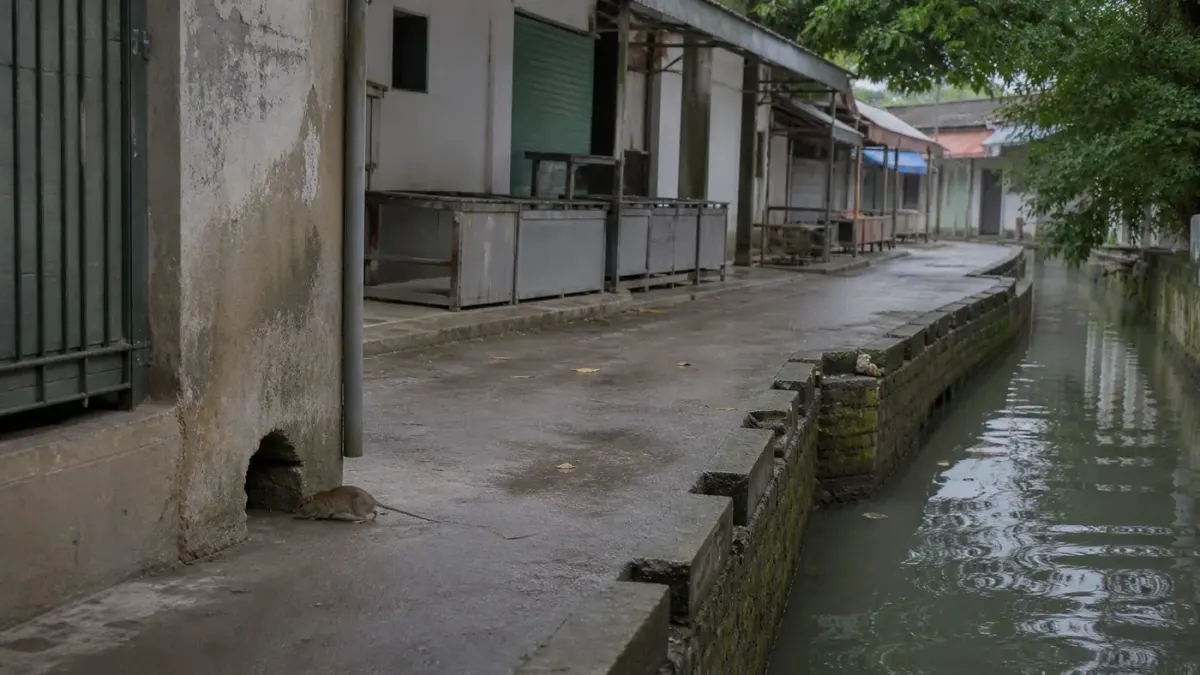
Three things travel with you. Anything living in your furniture, particularly a mattress or a sofa, arrives at the new address on the removal van. Anything in your dry goods — rice, flour, pet food — moves in the boxes. And your own habits move with you, which mostly means how food is stored and how often bins go out.
This is why the moving day itself is the useful intervention. Checking what goes onto the van matters more than anything about the destination.
Villas need a different programme from apartments
People moving from an apartment to a villa often keep the same expectations and are then surprised. A villa has ground contact, which means termites are a live risk rather than a theoretical one; it has a garden, which means the perimeter matters; and it has more entry points at ground level than an eleventh-floor flat has in total.
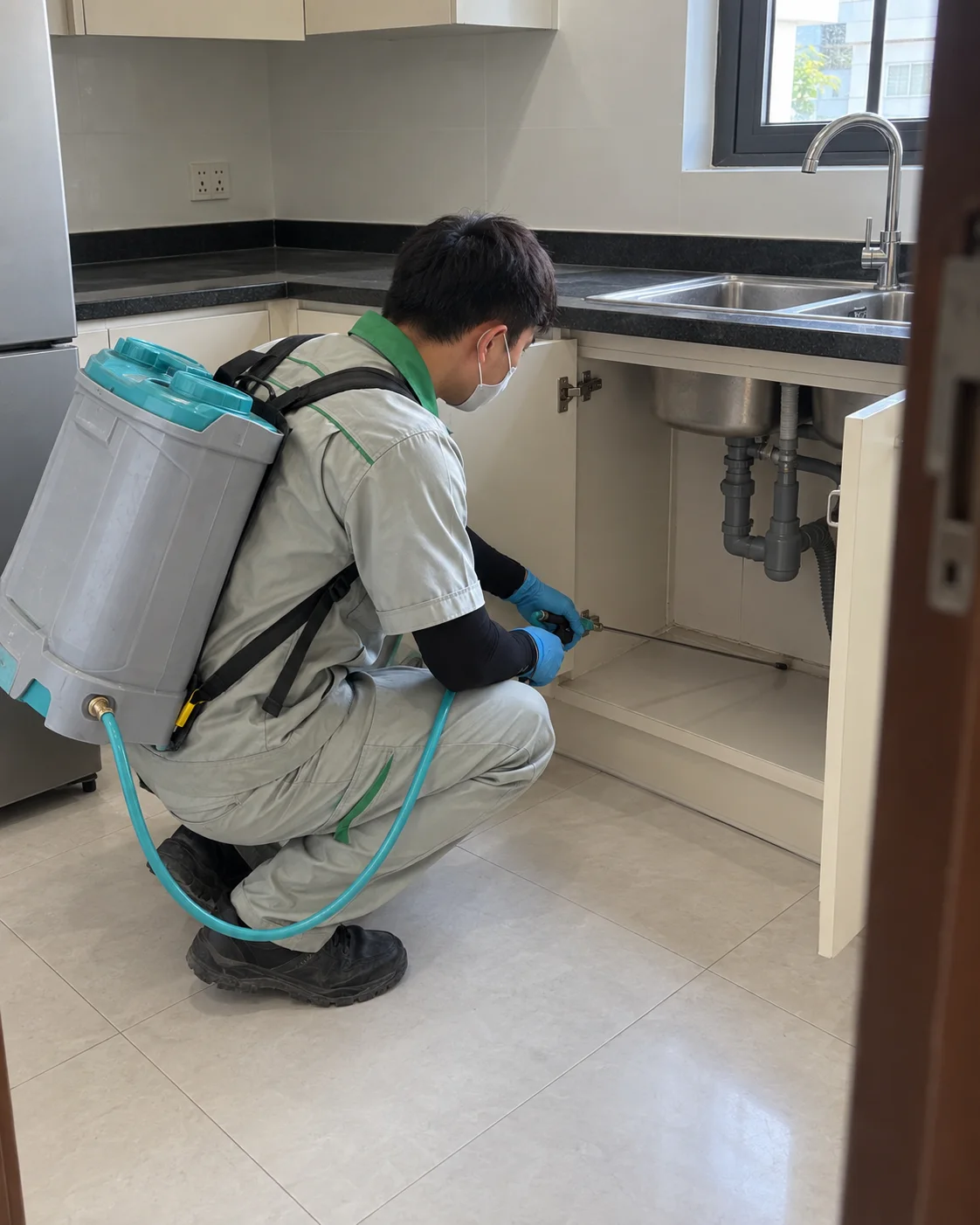
The programme changes shape accordingly: a perimeter treatment and attention to drainage and planting near the walls, rather than the kitchen-and-drains focus that suits an apartment. Termite work is a separate service, quoted on its own if the house needs it.
The practical move-day list
Do not move a mattress you have doubts about; this is the moment to replace it. Empty and discard opened dry goods rather than packing them. Do not use second-hand cardboard boxes from a supermarket, which is how stored product pests most often change address. And at the new property, fill every drain on the first day, because it has almost certainly stood empty for a few weeks.
Related reading
District pages are listed under areas we cover, including Thao Dien and Phu My Hung. For the move itself see moving house without taking cockroaches, and for houses with gardens, villas and compounds. Building age is covered in older buildings and shophouses. Our parent company runs the Vietnamese-language residential programme across the same districts.
Global Pest Control is the English-language arm of Khử Trùng Toàn Cầu, based in Thu Duc City and covering the whole city.
Common questions
Is one district genuinely better than another?
Not in a way worth choosing a home over. Every district here has a manageable profile, and the variation between two buildings on the same street is usually larger than the variation between districts. Building condition, drainage and what your neighbours do matter more than the postcode.
We are moving to a villa. Should we get a termite inspection?
Yes, before or shortly after moving in, and it is one of the few genuinely worthwhile preventive inspections in this city. Ground-contact property in southern Vietnam has real termite pressure, damage is slow and hidden, and an inspection at the start gives you a baseline you can compare against later.
Will my current pest contract transfer to the new address?
With us it does, and we would re-survey the new property rather than simply continuing the same schedule, because a villa and an apartment need different programmes. If you are moving mid-contract, tell us before the move rather than after, so the first visit can be timed to the empty property.