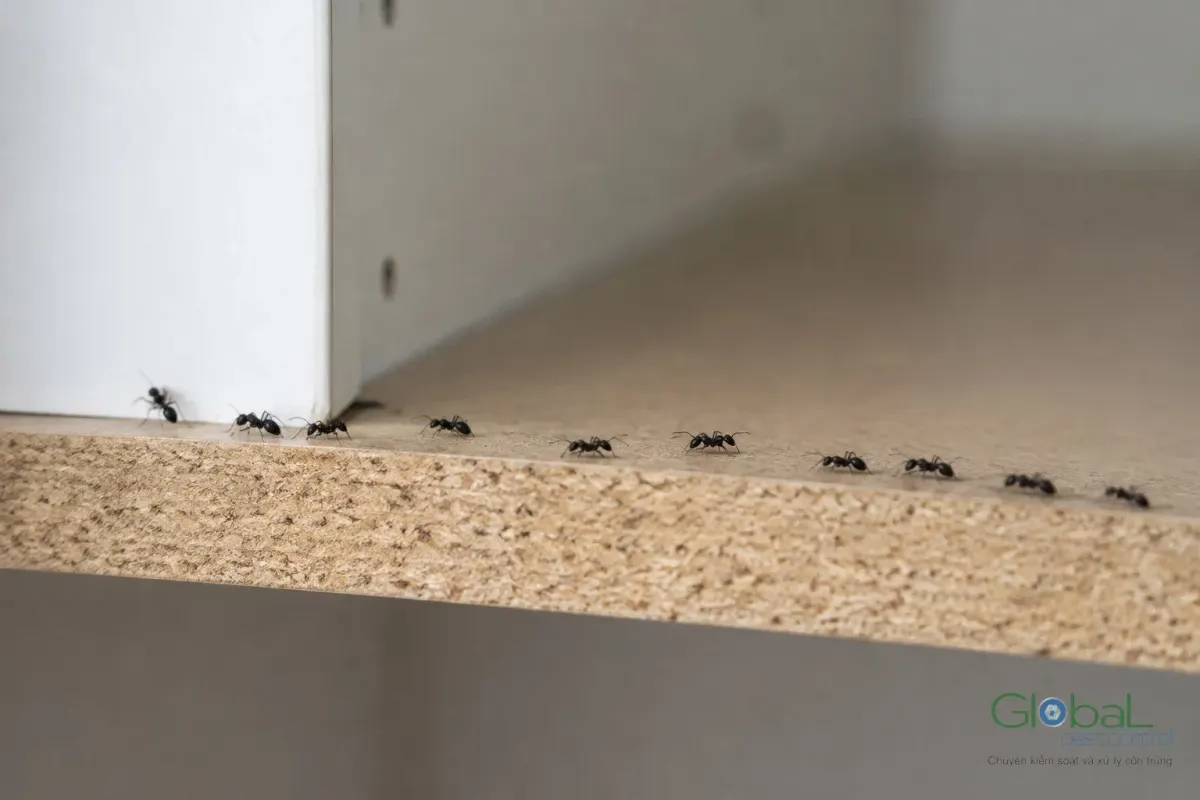
Before and After a Pest Treatment: A Practical Checklist
Preparation makes a treatment more effective, and the wrong cleaning afterwards can undo it completely. Both are simple, and neither is usually explained properly.
Before the visit
- Clear the cabinet under the kitchen sink and the cupboard beside the hob so the technician can reach the corners
- Move small appliances off the counter; leave the refrigerator where it is, the technician will pull it out
- Put open food, fruit bowls and pet bowls away in sealed containers or the refrigerator
- Cover an aquarium and switch off its air pump
- Put away toothbrushes, soap and anything left open on a bathroom shelf
- Make a list of where you have seen activity, with times of day — this is more useful than it sounds
Do not deep-clean the kitchen the day before. Grease and residue mark the routes insects are using, and a technician reading those marks finds harbourage faster.
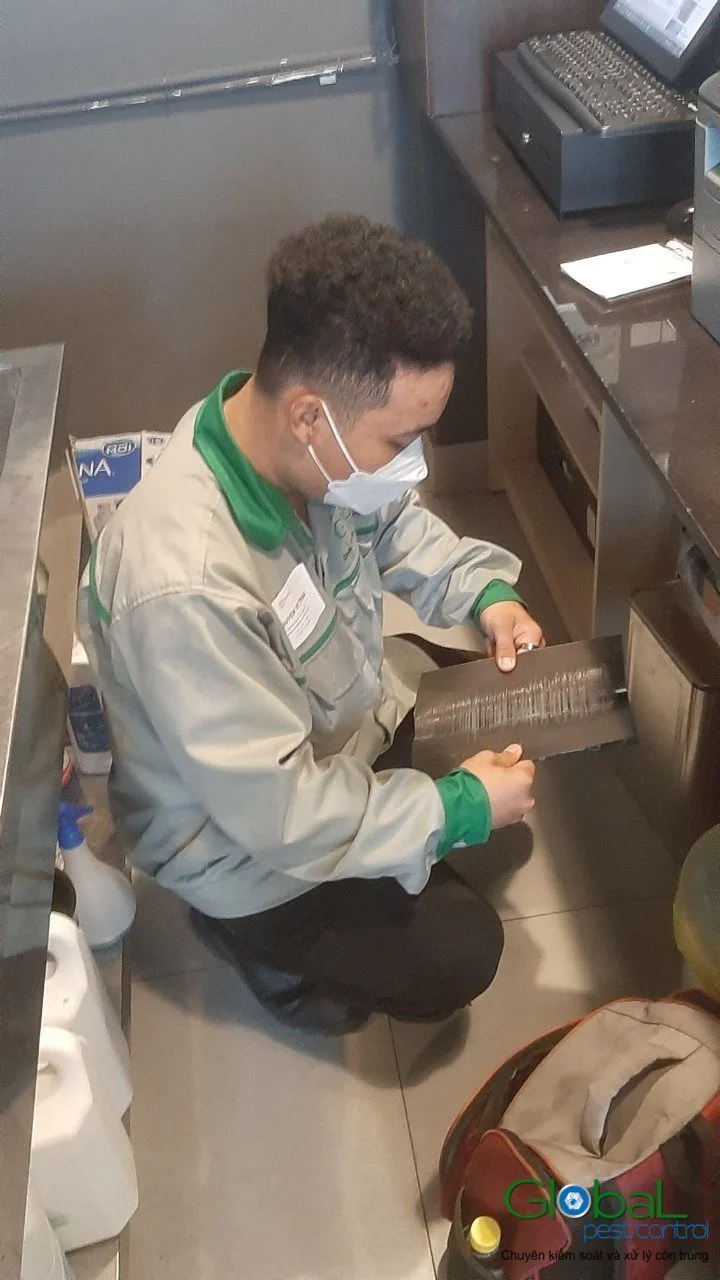
During and immediately after
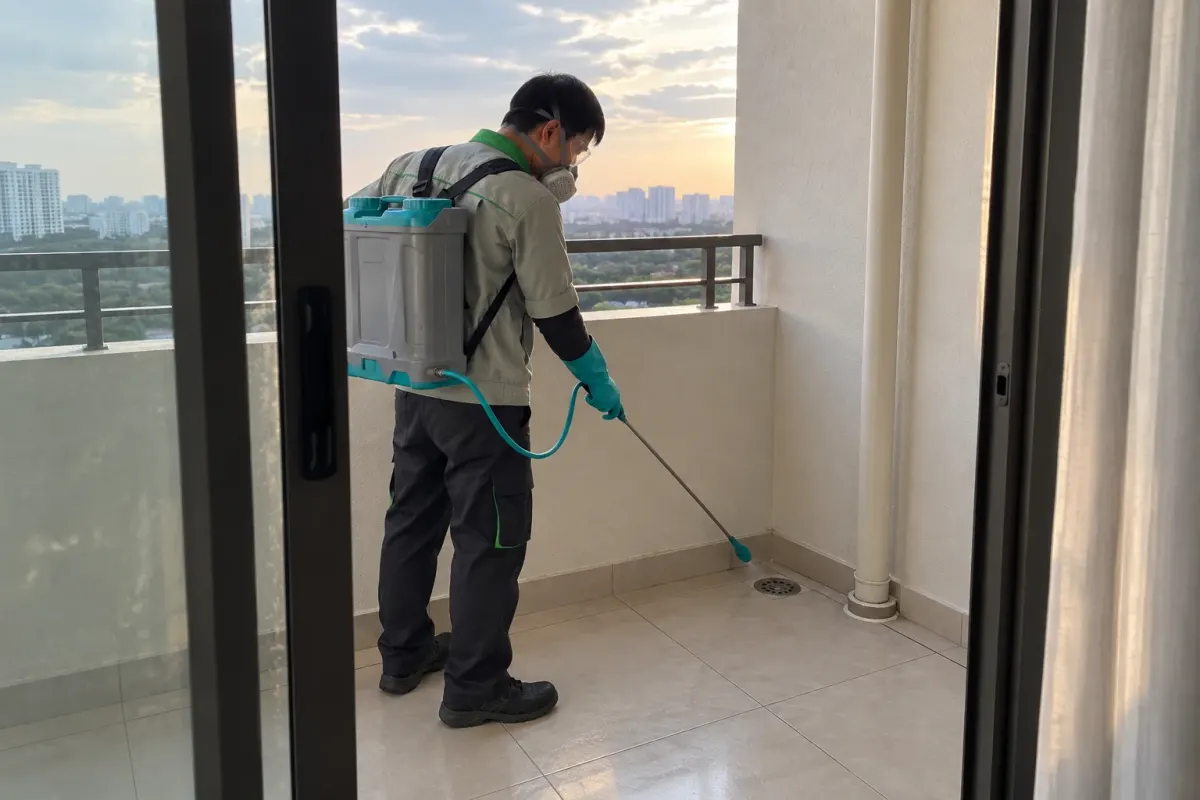
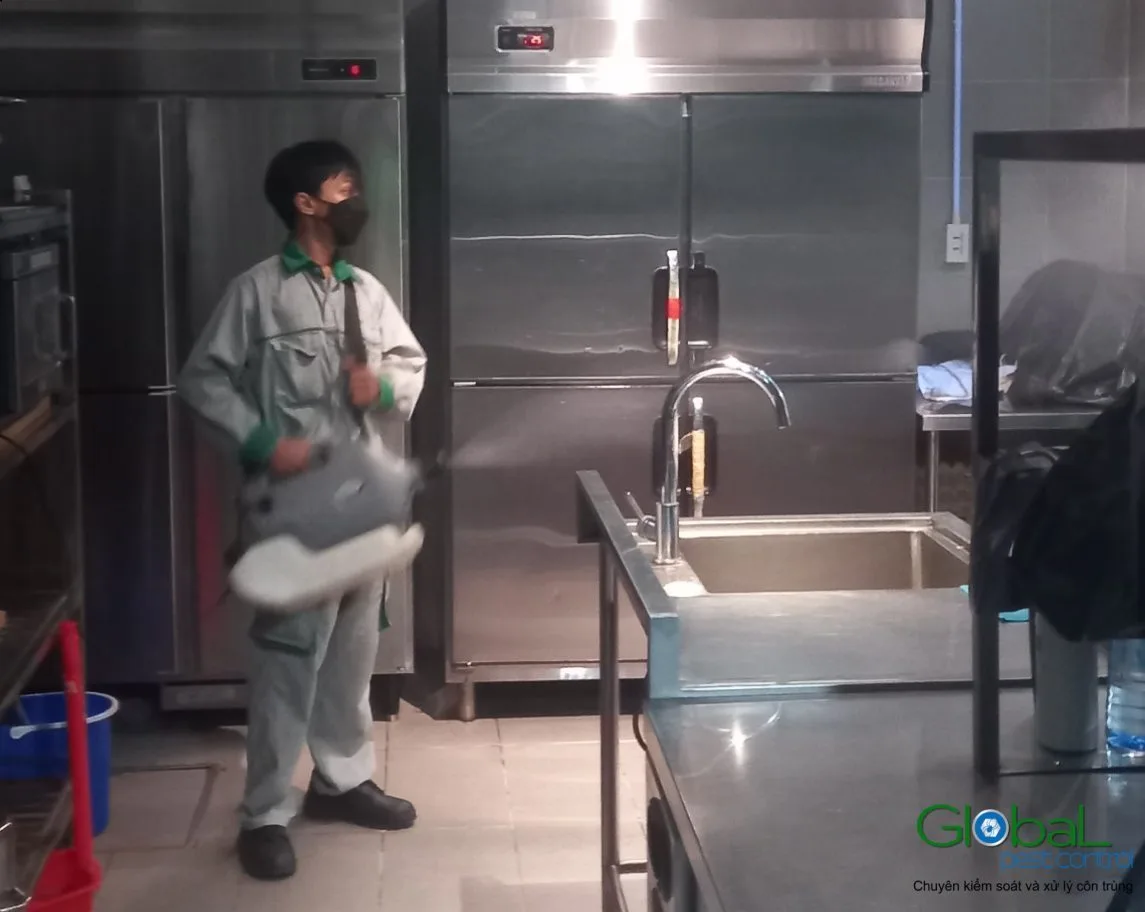
For gel baiting there is normally no need to leave at all. For a residual spray, stay out of the treated rooms until the surfaces are dry, usually two to four hours, and ventilate afterwards. For a full fogging treatment, expect to be out longer and follow the specific instruction you are given.
Anyone pregnant, any infant and any pet should be out for the treatment and back only once surfaces are dry and the space has been aired.
The cleaning mistake that undoes the visit
The most common way to waste a treatment is to clean thoroughly the next day. Gel bait is placed in cracks and on hidden surfaces; a wipe-down removes it. Residual product on skirting and behind appliances is removed by the same cleaning.
- Do clean food preparation surfaces, tables and anything you eat from
- Do not wash skirting boards, the backs of cabinets, hinge recesses or behind appliances for two to three weeks
- Do not wipe out the interiors of cabinets that were treated
- Do not move bait stations, even if they are visible
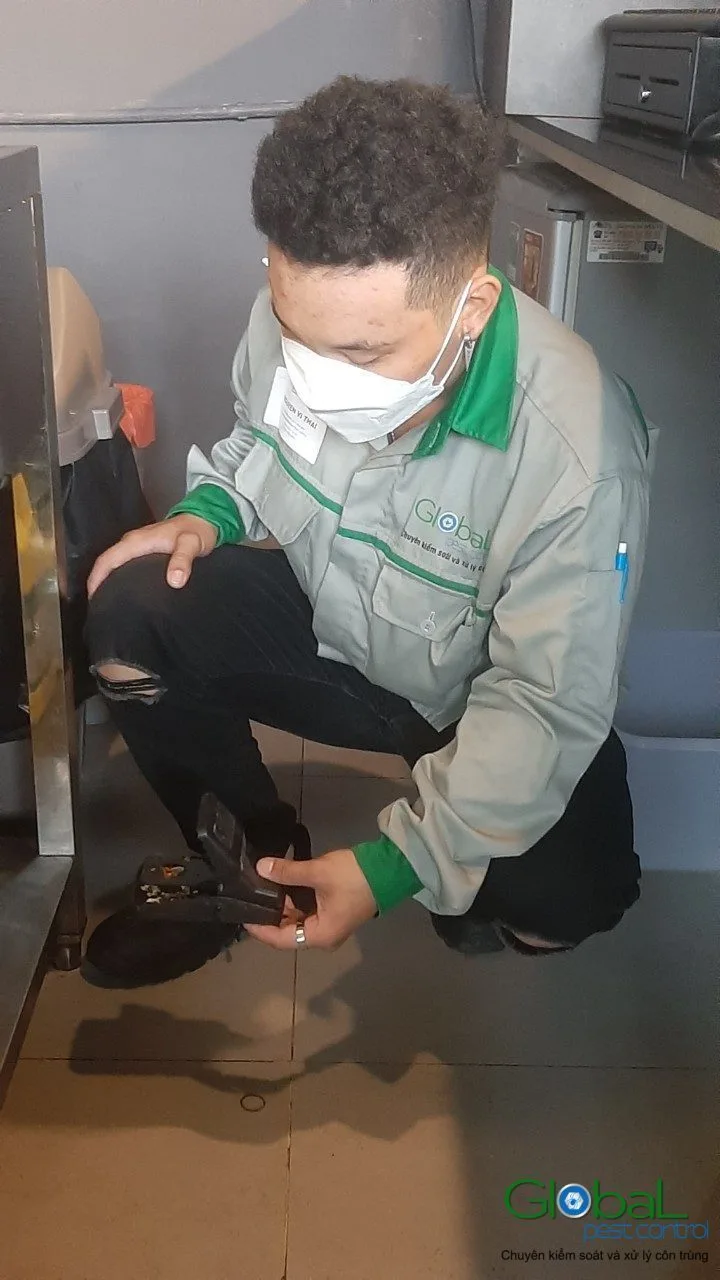
What is normal in the days afterwards
More visible activity for two to four days is normal and is a sign the treatment is working. Insects leave harbourage because it has been disturbed and because they are affected. Seeing cockroaches in the open during the day in that period is expected rather than alarming.
Dead insects appearing over a week or two is also normal. Sweep them up rather than washing the area.
When to call back
If activity is unchanged after two weeks, or if new activity appears in an area that was not affected before, call. That is information, not a complaint, and it usually means the harbourage is somewhere that was not found on the first visit.
A company that includes a follow-up visit will normally schedule it at two to three weeks for exactly this reason.
Preparing a kitchen properly
The single most useful preparation is emptying the cabinet under the sink and the cupboard next to the hob. Those two are where treatment is most often placed and where access is most often blocked by stored cleaning products and pans.
Leave the refrigerator and the cooker where they are. A technician will pull them out, and moving them beforehand disturbs the insects and pushes them deeper into voids the day before treatment.
Aquariums, birds and reptiles
- Cover the tank completely and switch off the air pump before treatment begins
- Keep it covered until the treated surfaces are dry and the room has been ventilated
- Move birds and reptiles out of the property entirely for treatment days
- Tell the company before the visit, not on arrival — it changes the products and placements
Keeping a simple record
Note the date, what was treated, and where. Then note what you see over the following month. Two lines a week is enough: what, where, how many.
That record is what makes the next conversation useful. "Still seeing them" is difficult to act on; "nothing for eleven days, then three in the bathroom at night" points straight at a drain and at a route that was not treated.
How long results take, by pest
- Ants: visible reduction in three to seven days as bait reaches the colony; a trail may increase first
- German cockroaches: substantial reduction in one to two weeks, with a second generation possible at three to four
- American cockroaches from drains: immediate reduction indoors, with recurrence unless the route is corrected
- Rodents: activity should stop within one to two weeks of proofing and trapping
- Bed bugs: two treatments over three weeks, with re-inspection before declaring the room clear
- Mosquitoes: adults reduced immediately by fogging, but numbers return within a week unless breeding sites are removed
Knowing the expected curve is what stops a treatment being judged too early. Most complaints about a treatment "not working" are made in the first week.
If you have to clean for another reason
Sometimes a deep clean cannot wait — a landlord inspection, a viewing, a family visit. Tell the technician when you book, and the placements can be chosen accordingly: bait in voids that a cleaner will not reach, rather than on surfaces that will be wiped.
If the clean has already happened after a treatment, say so rather than waiting to see. It is usually a short return visit to replace placements, and it is far cheaper than the four weeks of no result that otherwise follow.
Global Pest Control is the English-language arm of Khử Trùng Toàn Cầu. The same technicians and the same programmes are described on the Vietnamese version of this guidance.
Book an inspection
Site inspections are free of charge and carry no obligation. A technician walks the property, identifies the species and the harbourage, and sends a written quotation with the method and the schedule — normally within one working day.
Request an inspection · See indicative prices · All services