HACCP Pest Control Records for Restaurants in Vietnam
A pest control programme that exists only as a technician arriving once a month will not pass a food safety audit, however clean the kitchen is. What gets assessed is the file. An auditor reads documents and then walks the site to see whether the documents describe reality.
The six documents a file should contain
- A site plan showing every monitoring device with a number, matching numbered devices physically present
- A device register listing each device, its type, its location and its installation date
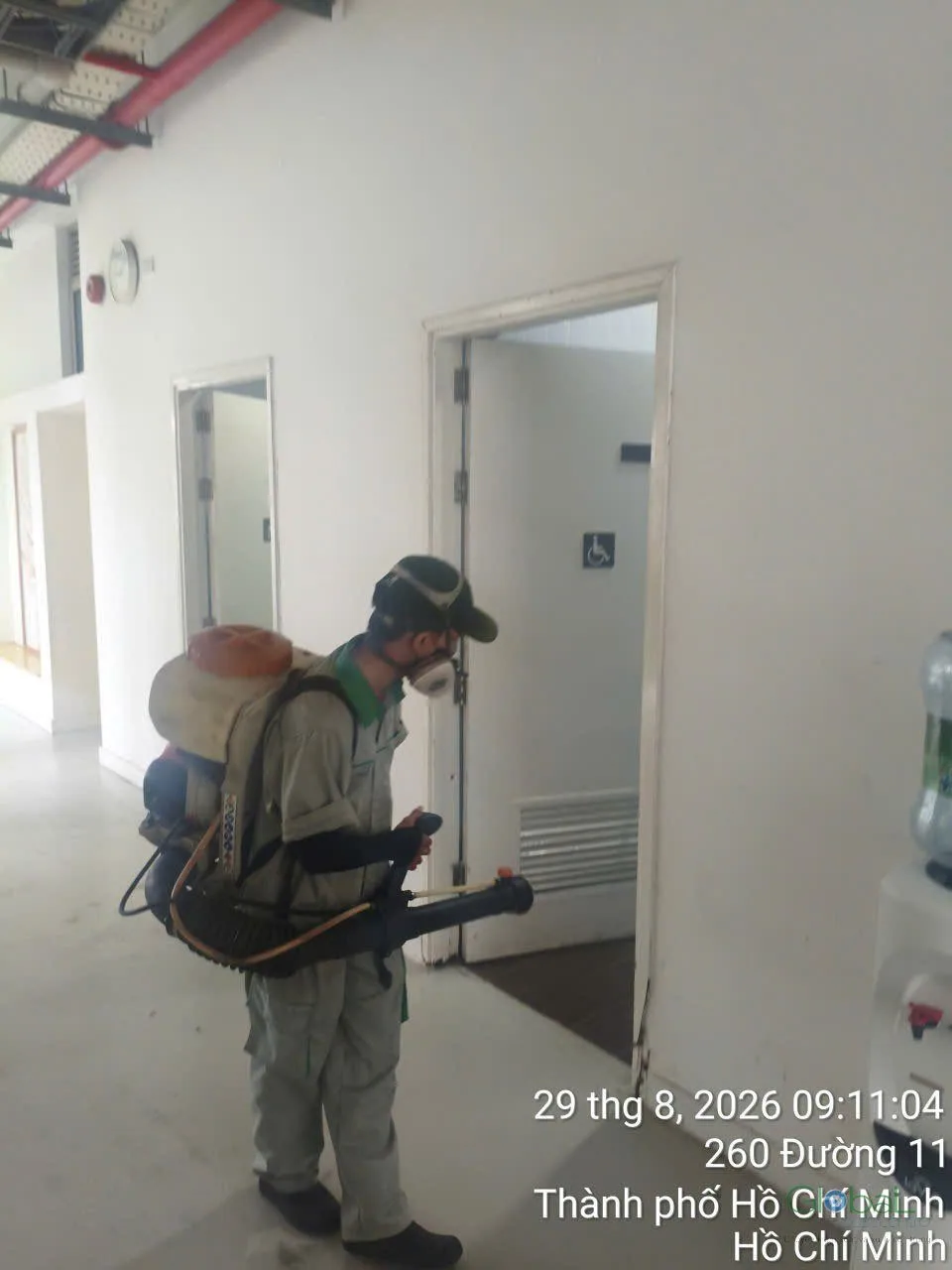
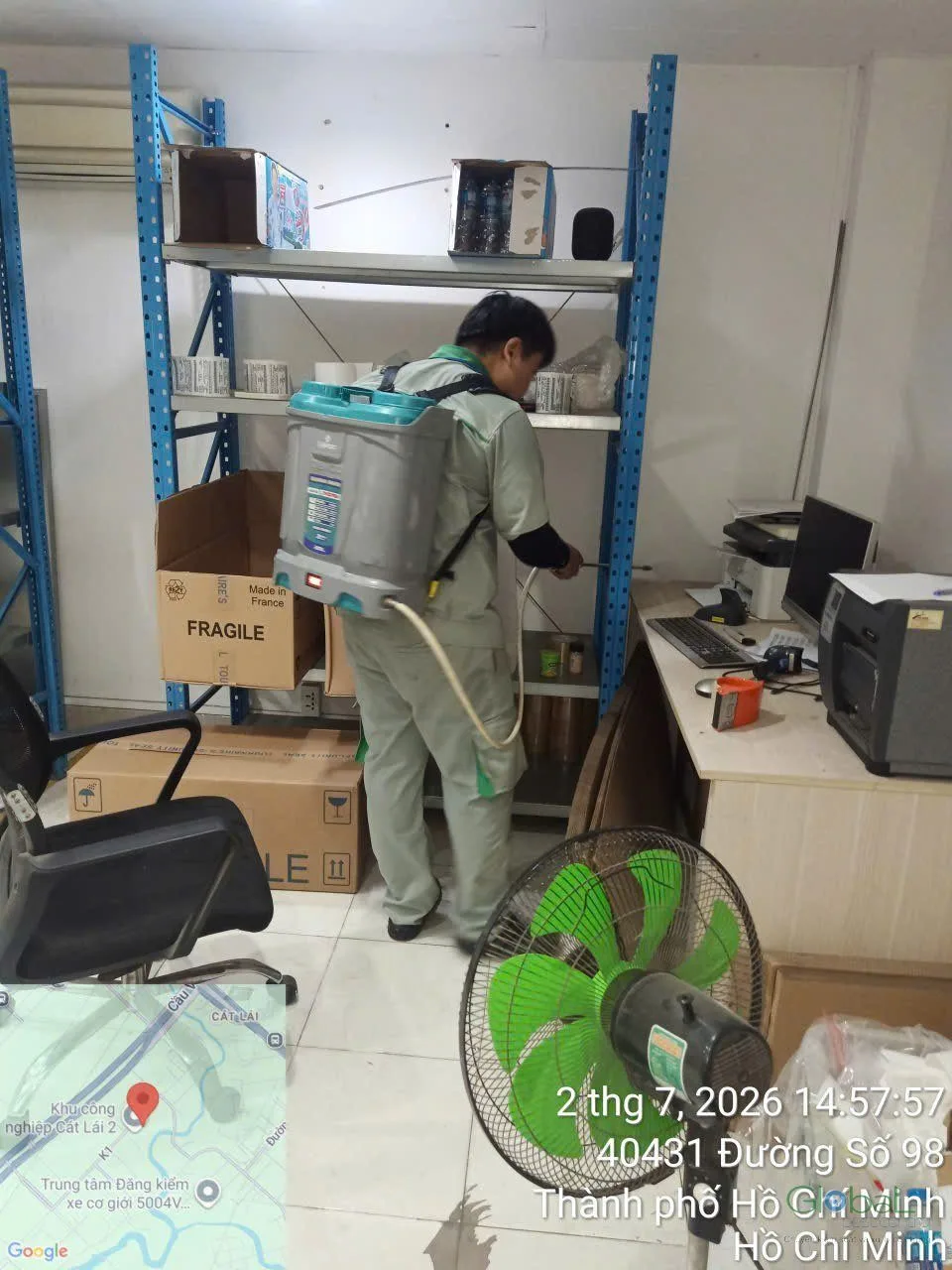
- Service reports for every visit, signed and dated, describing findings by location
- Trend analysis showing catch numbers over time, by device or by area
- Corrective action records: what was found, what was done, by whom, when, and confirmation it was closed
- Supporting documents: the contractor's licence, technician certificates, product registrations and safety data sheets
The first two are usually missing in Vietnam, and they are the first two an auditor asks for.
Why the site plan matters more than the visits
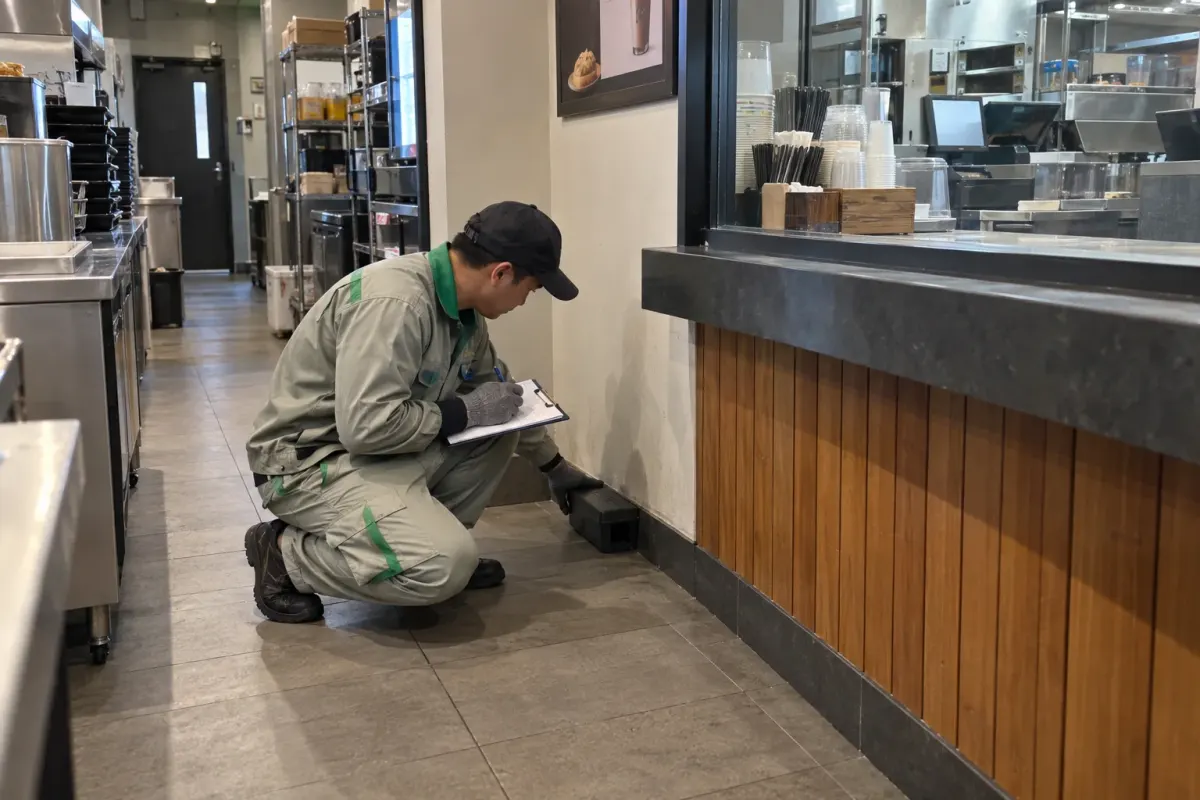
A numbered plan turns pest control from an activity into a system. It makes it possible to say that device 12 by the back door caught four flies in June and eleven in July, which is a trend and prompts an action. Without numbers there is only "we do pest control monthly", which is not evidence of anything.
It also makes gaps visible. A plan with no device near the goods-in door invites the obvious question.
Trend analysis in practice
This does not need software. A simple table of device numbers down one side and months across the top, with catch counts in the cells, is sufficient and is what most auditors expect to see. What matters is that somebody looks at it and acts when a number rises.
A rising count at one device points to a location. That is far more useful than a total for the whole site.
Corrective actions are where files usually fail
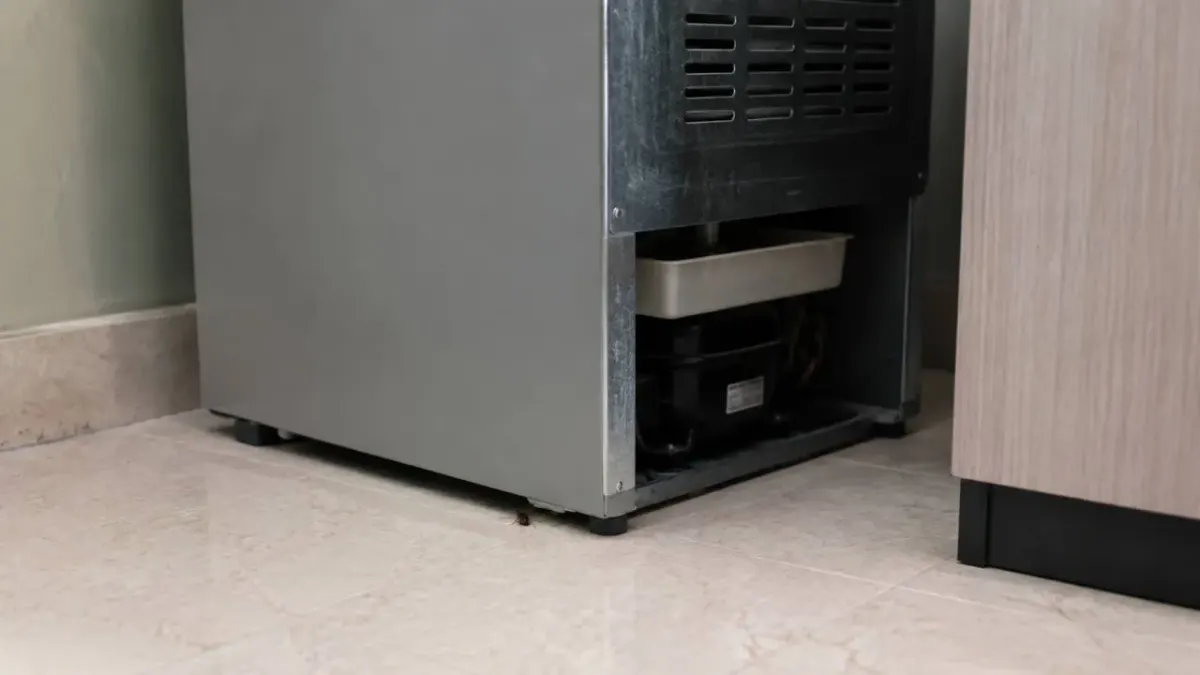
A report noting "gap under back door" in three consecutive months, with no record of it being fixed, is worse than not noting it. It shows the system identified a defect and the business ignored it.
Each finding needs a recorded action, a responsible person, a date and a closing note. Even "door sweep fitted 12 July, verified 9 August" is enough.
What the contractor should provide and what stays with you
The contractor provides the plan, the register, the service reports, the product documentation and their own licences. The business owns the corrective actions, staff training records and the daily checks — cleaning schedules, waste removal, goods-in inspection.
Auditors are used to seeing a strong contractor file sitting beside an empty business file. It is the second one that determines whether the programme is real.
The daily checks that belong to the business
- Goods-in inspection: cartons checked for damage and for evidence before they enter the store
- End-of-day: bins emptied, floors cleared, food covered, drains flushed
- Weekly: clean behind and under equipment, not around it
- Monthly: check door seals, screens and drain covers, and record the check
- Any sighting recorded with time, location and what was done
A sighting log is the document auditors like most and businesses keep least. A log with entries in it demonstrates a working system; an empty log in a busy kitchen demonstrates the opposite.
Training records
Staff need to know what to look for and where to report it. That does not require a course — a short briefing, recorded with a date and a list of who attended, satisfies most standards and genuinely improves detection.
Cover four things: what evidence looks like, the three places it is usually found, who to tell, and that nobody gets in trouble for reporting.
Keeping the file usable
One folder, in order, kept where the manager can reach it during an audit rather than in an office across town. Reports in date order, plan at the front, corrective actions with the reports they came from.
Digital copies are fine and are increasingly expected, but have a printed set as well. Audits happen on days when the internet is down.
Small premises with no formal system
A twenty-seat restaurant does not need the documentation of a factory, and the standard is not that it should. What it needs is a proportionate version of the same thing: a plan of where the devices are, the service reports in a folder, a note of anything seen, and evidence that defects were fixed.
That is four documents and about ten minutes a month. It is enough for a local inspection, enough to satisfy most landlords and delivery platforms, and enough to make the pest control itself work better, which is the part that matters when the room is full.
Delivery platforms and landlord requirements
Beyond food safety inspection, two other parties increasingly ask for pest control records: delivery platforms verifying kitchens, and landlords of retail units in malls and mixed-use buildings.
Both usually want the same short set — a current contract, recent service reports, and evidence that findings were closed. A file kept for an audit satisfies both without extra work, which is a practical argument for keeping it even where no formal certification applies to the business.
Global Pest Control is the English-language arm of Khử Trùng Toàn Cầu. The same technicians and the same programmes are described on the Vietnamese service pages for food businesses.
Book an inspection
Site inspections are free of charge and carry no obligation. A technician walks the property, identifies the species and the harbourage, and sends a written quotation with the method and the schedule — normally within one working day.
Request an inspection · See indicative prices · All services