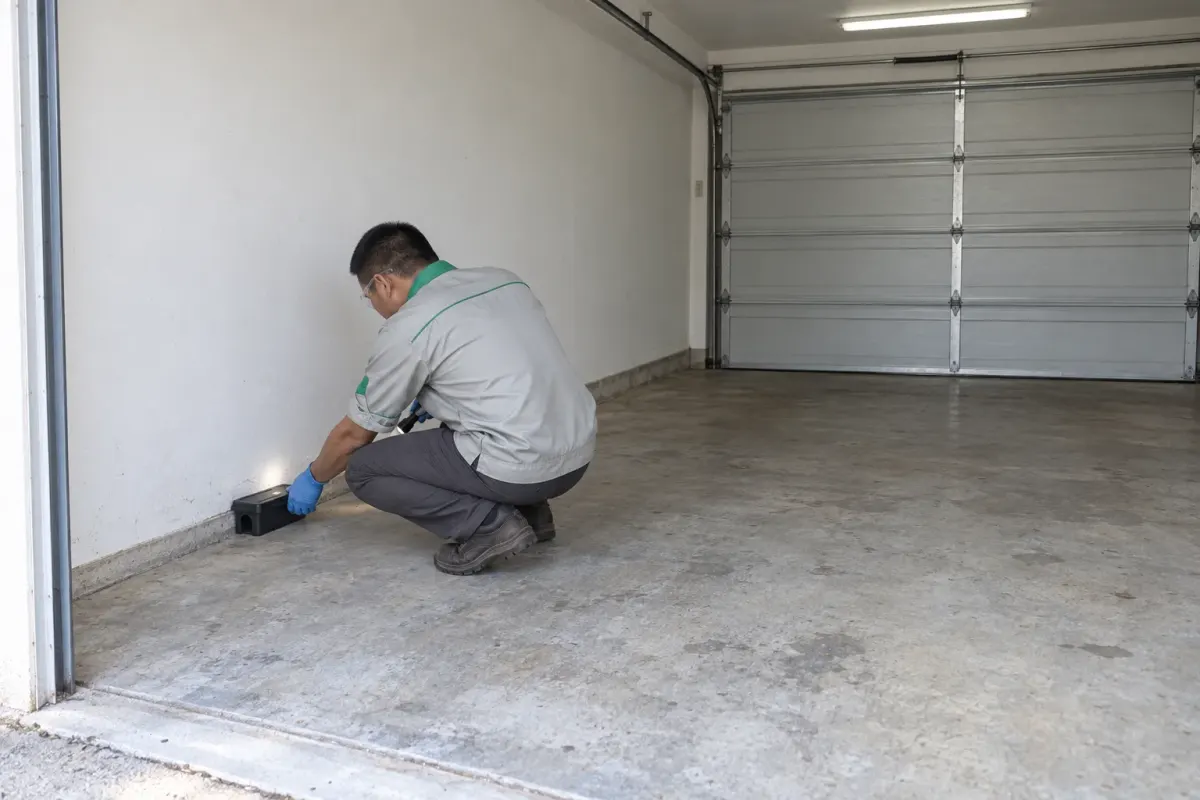
Your Housekeeper and Pest Control: What to Ask For
Most foreign residents in Ho Chi Minh City have someone who cleans two or three times a week. That person opens cupboards you have not opened in months, moves furniture you never move, and sees the apartment at a level of detail you do not.
With four specific requests, that becomes the earliest warning system in the flat. Without them, routine cleaning quietly erases the evidence that would have told you something was starting.
One: tell me, do not clean it
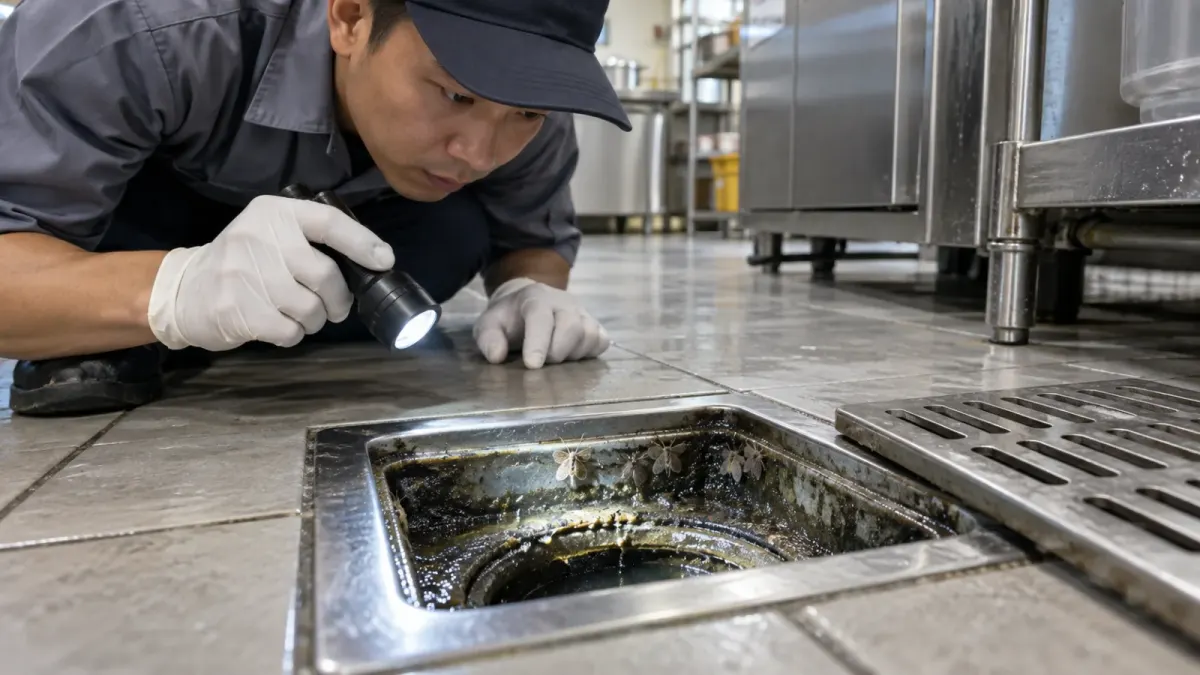
This is the most valuable instruction and the least intuitive one. A good cleaner\x27s instinct is to remove anything unpleasant immediately, which means droppings, an egg case, a dead insect or a group of dark specks are wiped away before anyone with a reason to interpret them sees them.
What you want is a photograph and a message. Position and quantity are diagnostic; a cleaned surface tells nobody anything.
Two: move these four things once a month
- The refrigerator, or at least clean the floor visible beneath it.
- The washing machine.
- The microwave, including its base plate and the vents.
- The bin, and the floor underneath and behind it.
These are the four objects that never move during normal cleaning, and between them they account for most of the harbourage in a Vietnamese apartment. Once a month is enough.
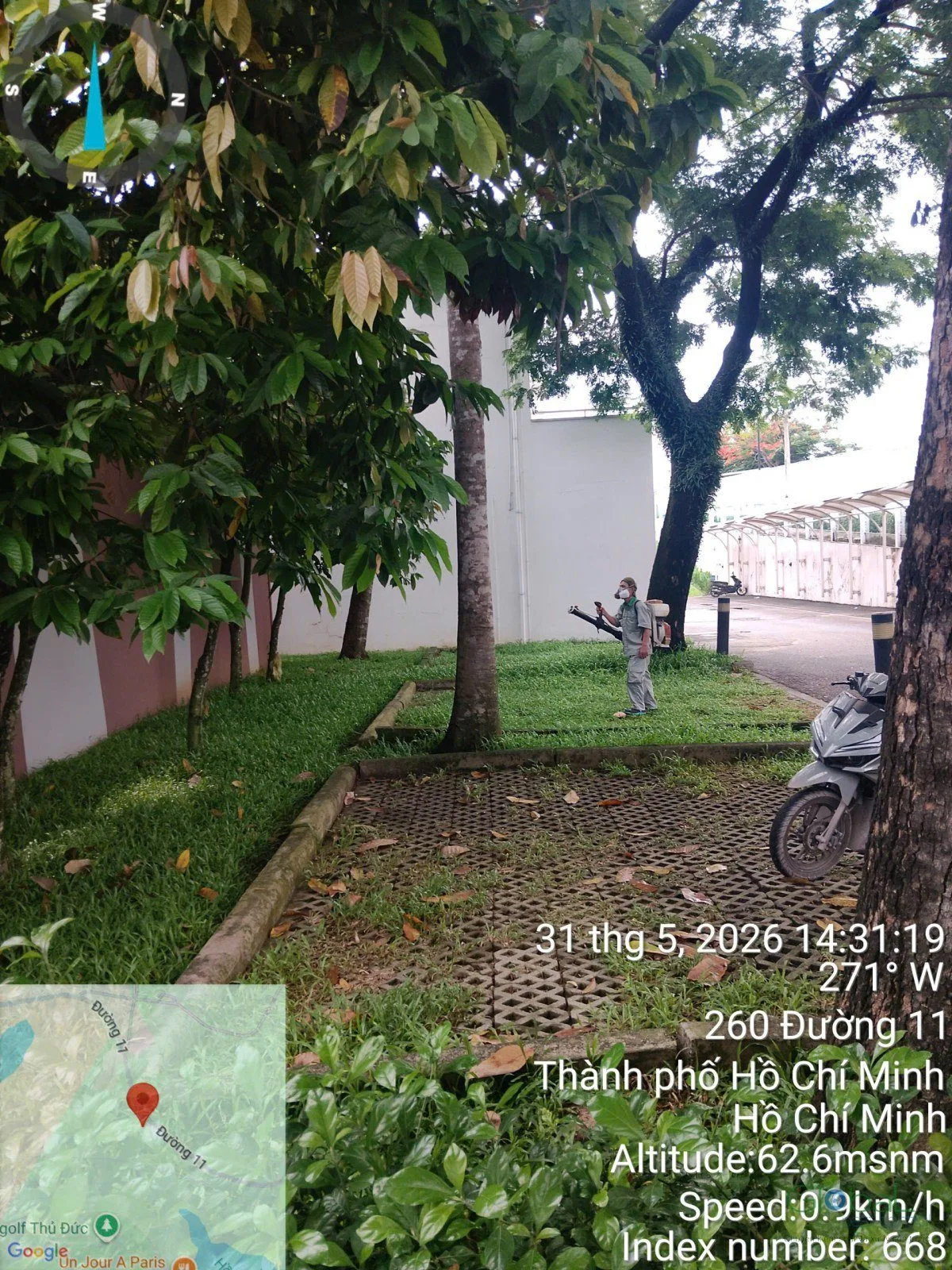
Three: run water down every floor drain
In rooms used daily this happens by itself. In a guest bathroom, a spare shower room or a service balcony, it does not, and the trap dries out within a fortnight. Adding it to the routine costs thirty seconds and removes the single most common cause of large cockroaches appearing in a bathroom.
Four: no aerosol
Many households keep a can of insect spray, and using it is a natural response to seeing something. It is worth asking explicitly that nothing is sprayed, for two reasons: a repellent aerosol scatters a population rather than reducing it, and residue on surfaces stops bait working, which makes a later professional treatment harder and slower.
Replace the can with a simple instruction — photograph it and tell me — and the household loses nothing.
Getting this across a language gap
Most housekeepers here speak limited English, and instructions delivered verbally in a second language get about half received. What works is a short written list in Vietnamese, printed and left inside a kitchen cupboard, with the four points as four lines rather than a paragraph.
We supply that sheet in both languages on the same page, so you can point at the English line and they read the Vietnamese one. It is a small thing that removes most of the friction from this conversation.
What not to ask for
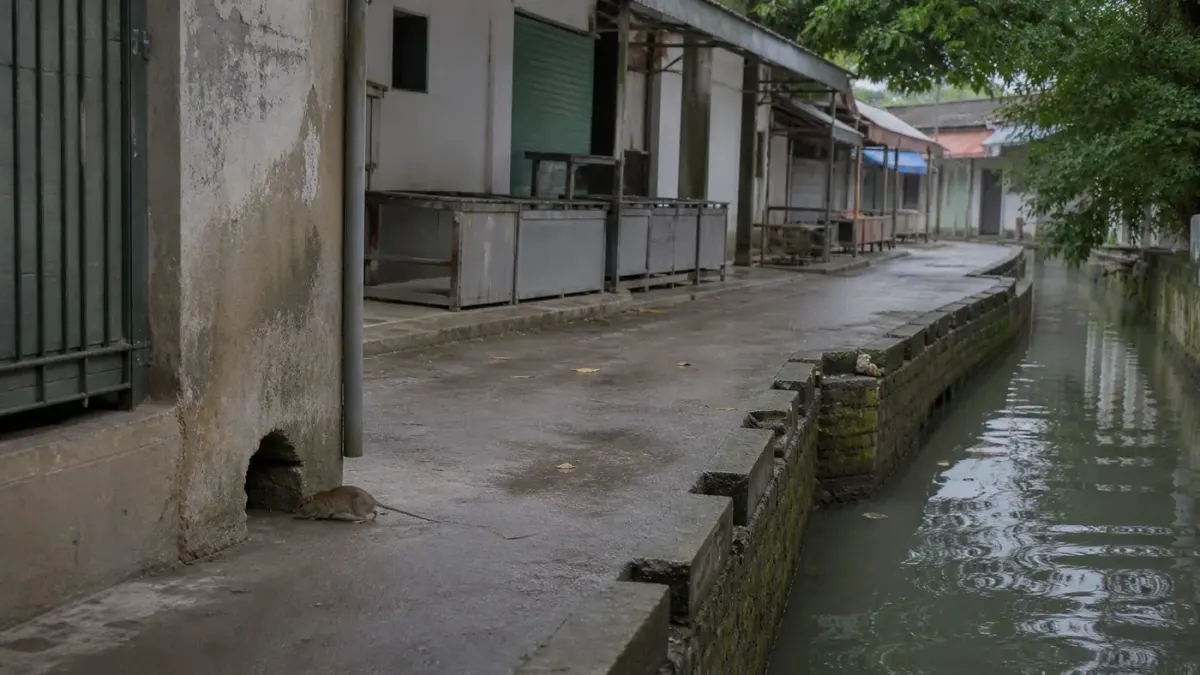
Do not ask a housekeeper to identify species, to decide whether something is serious, or to handle a treatment. That is not their job, they have no reason to know, and asking puts them in the position of guessing about something that matters to you. Photograph and report is the entire brief.
Equally, do not treat a finding as their failure. A household where reporting a problem produces displeasure gets exactly one report, and then it gets silence — which is precisely the outcome that costs the most later.
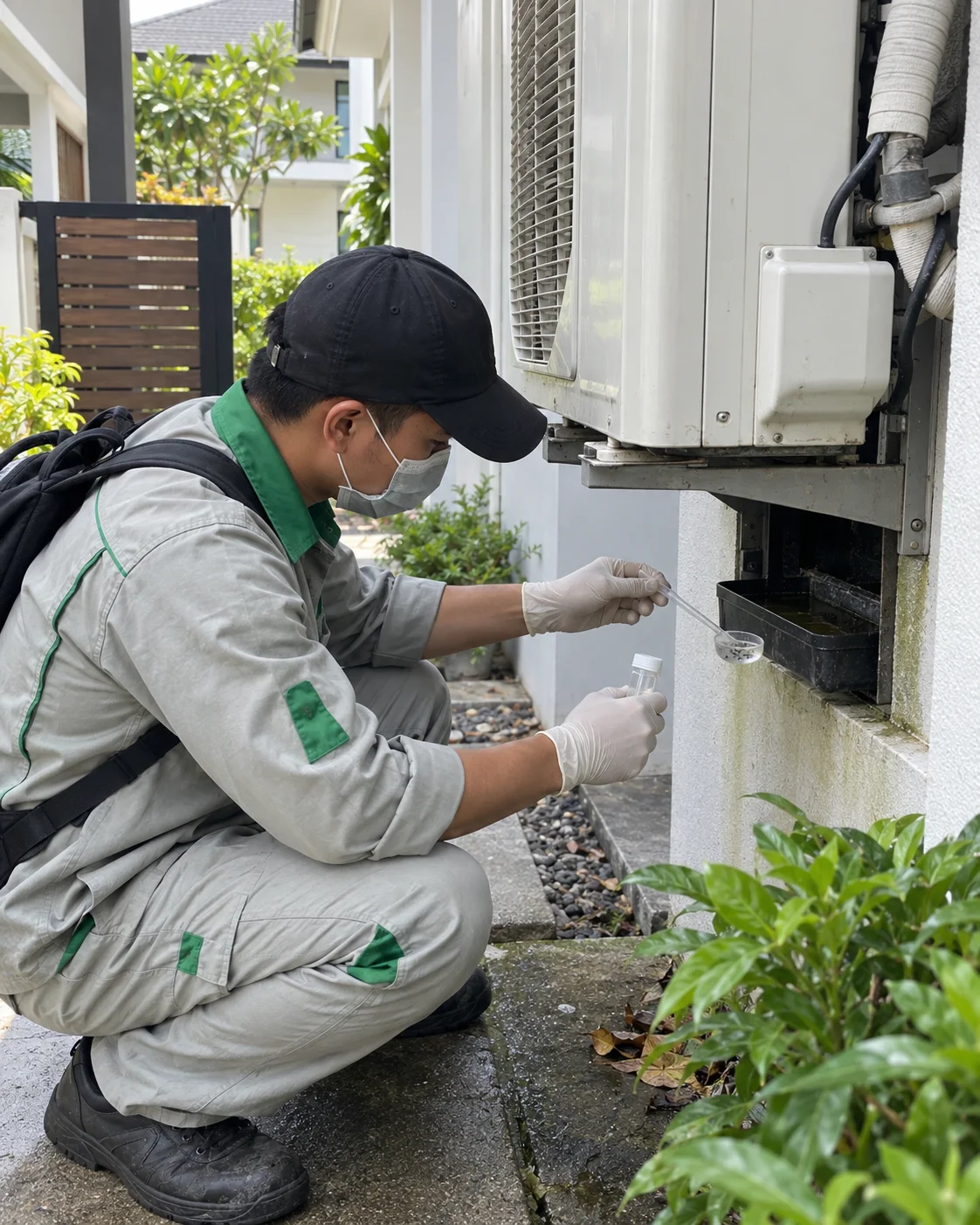
One more request is worth adding for households with a garden or a terrace: ask that outdoor plant saucers are emptied and wiped rather than topped up during watering. It takes seconds, it is the single most effective mosquito measure available at a property, and it is the one that never happens unless somebody asks for it explicitly.
On the day of a treatment
It helps enormously to have the housekeeper present, because they know where things are and can tell a technician which cupboard is used for what. It is worth asking them not to clean the treated areas afterwards for the period we specify, usually a week or two, since wiping down a skirting board removes the treatment from the surface it was placed on. That instruction also needs to be in writing, for the same reason as everything else on this list.
Related reading
The rooms concerned are covered in the kitchen sink cabinet, behind your refrigerator and laundry rooms and utility areas. For the vocabulary, see our Vietnamese-English glossary. Aftercare is covered in what not to clean after a treatment. Our parent company runs the Vietnamese-language residential programme.
Global Pest Control is the English-language arm of Khử Trùng Toàn Cầu. We can brief your housekeeper directly in Vietnamese during a visit, at no extra charge.
Common questions
My housekeeper says there is no problem but I keep seeing things. What now?
That is usually a reporting gap rather than a disagreement — the evidence is being cleaned before anyone interprets it, which is exactly what a conscientious cleaner does. Asking for a photograph before cleaning resolves it in almost every case, and it is worth explaining why rather than just asking.
Should I pay extra for the monthly appliance move?
It is genuinely additional work, so a small adjustment is fair and it buys you the most useful hour of cleaning in the month. It is also two-person work for a heavy fridge, which is worth acknowledging rather than assuming.
Can the housekeeper let the technician in while I am at work?
Yes, and that is how most of our residential visits happen. What we need from you beforehand is a short note of what you have seen and where, because the technician will otherwise be surveying blind. A photograph and two sentences by message is enough.