Replacing Furniture or Treating It
The instinct on finding something in a mattress or a sofa is to get it out of the house immediately. It feels decisive and it is frequently the worst available option.
Carrying an infested item through a corridor, a lift and a stairwell distributes whatever is in it along that route, and in an apartment building that turns one household\x27s problem into several. It also costs money that a treatment would not have.
What can be treated successfully
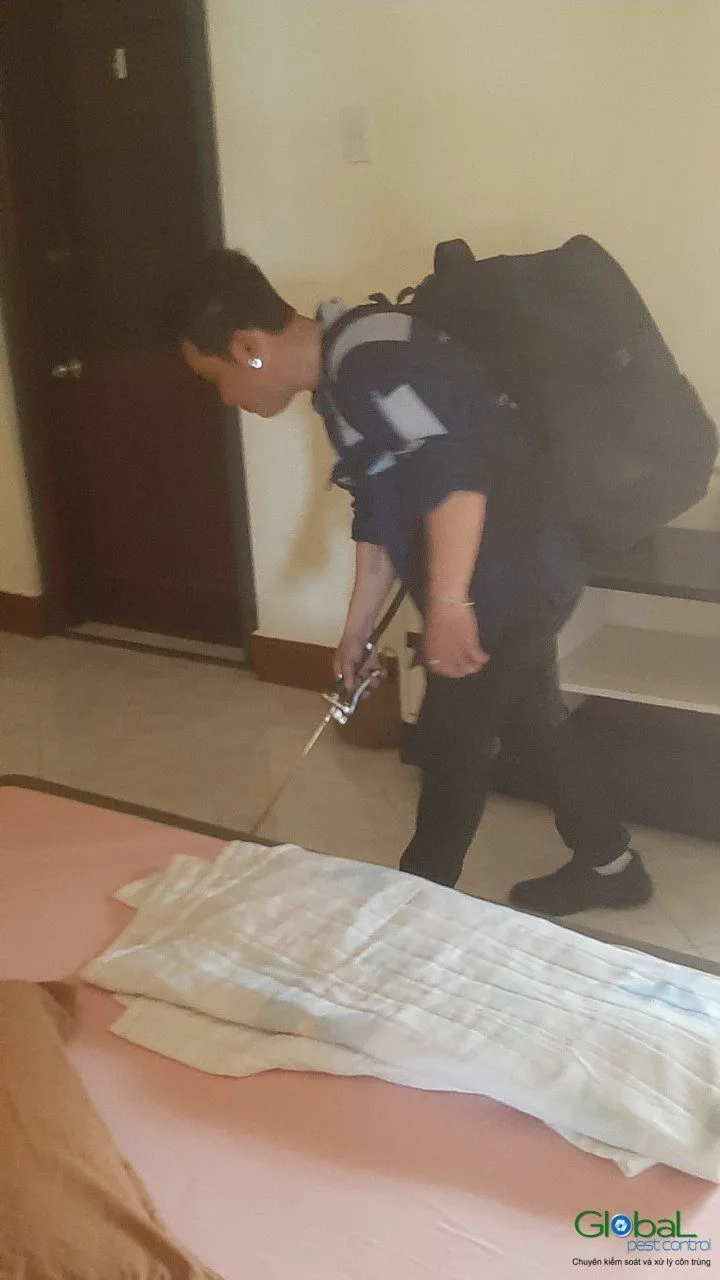
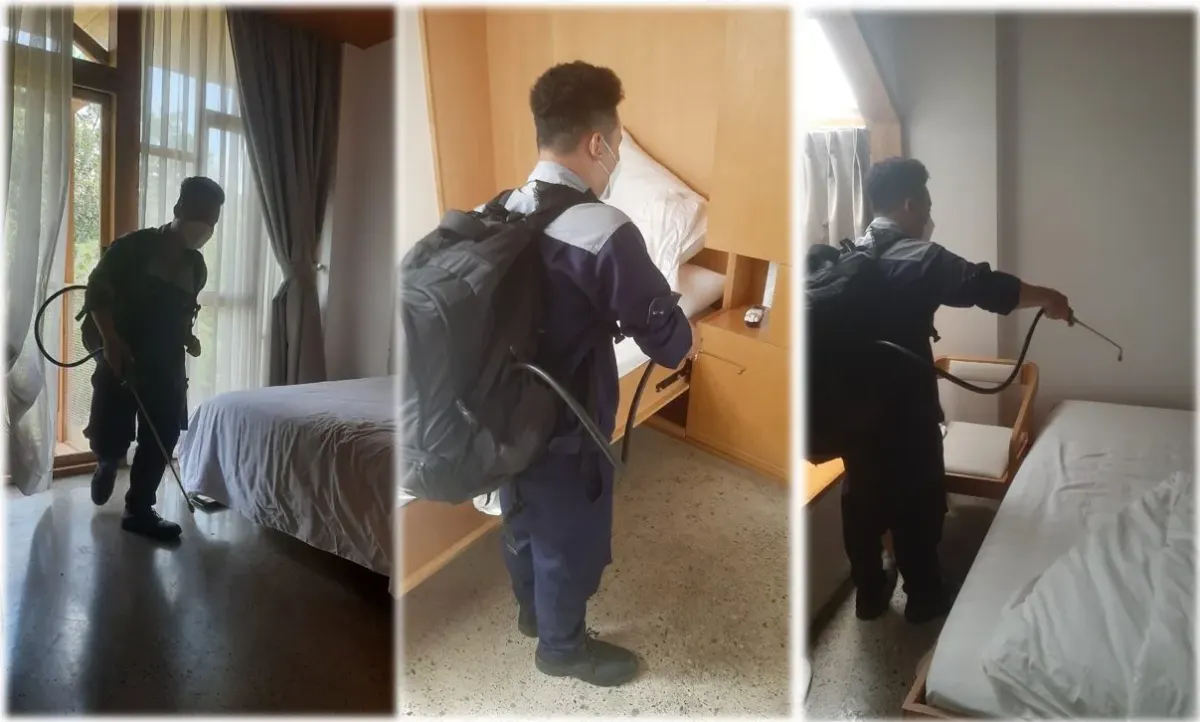
Mattresses, in almost every case. Steam treatment of the seams plus an encasement resolves the item, and a good encasement is cheaper than a mattress and traps anything remaining inside it.
Upholstered sofas and armchairs, where the frame can be treated and the seams steamed. Wooden bed frames, wardrobes and hard furniture, which are straightforward. Curtains and soft furnishings, which are resolved by a hot wash and a hot dry.
What is genuinely worth replacing
An item that was already at the end of its life, where the cost of treatment approaches the cost of replacement. Anything structurally damaged by wood-boring insects to the point of being unsafe. Anything that cannot be steamed, washed, treated or sealed — rarely, some composite or heavily upholstered pieces with inaccessible cavities.
And any item where treatment has been attempted twice without success, which usually indicates a cavity nothing can reach.
If you do dispose of something
Seal it in the room before it moves. Heavy plastic sheeting and tape, wrapped in the room where it stands, then carried out. That single step prevents the corridor problem entirely.
Mark it clearly as infested so that nobody takes it — in Ho Chi Minh City a mattress left at a kerb is collected by somebody within hours, and an unmarked infested mattress becomes another household\x27s problem within a day.
Wood-boring damage is a different calculation
For furniture with beetle exit holes, the question is whether the item is structurally sound and whether the activity is current. Old holes with no fresh powder mean past activity and the item may be fine. Fresh powder means treatment or replacement.
A single treated item is straightforward. What matters more is whether the same insect has reached structural timber elsewhere in the property, which is the question worth asking before deciding about the furniture.
Insurance rarely helps with this decision. Household contents policies available here generally exclude damage caused by insects and vermin as a standard exclusion, so the replacement cost usually falls on whoever owns the item. That makes the treat-or-replace question a real financial one rather than a formality, and it is another reason to establish first whether the item can in fact be treated.
The commercial version
For a hotel, replacing every mattress on a floor is occasionally proposed and is almost never the right first answer. Treatment plus encasement is cheaper, faster and does not put fifty mattresses through the service lift.
Where replacement is genuinely warranted, it should follow a treatment rather than substitute for one, because a new mattress in an untreated room is a new mattress in an infested room within a fortnight.
There is a second cost people underestimate: the replacement itself arrives in packaging. A new mattress or sofa is delivered wrapped in cardboard and plastic, often from a warehouse, and cardboard is the classic route for German cockroaches. Unwrap deliveries at the door and remove the packaging from the building the same day rather than flattening it into a cupboard.
The emotional part, which is real
People find it genuinely difficult to sleep on a mattress that has had bed bugs in it, even after treatment, and that is a reasonable thing to weigh. Where a household will not be comfortable, replacement after treatment is a legitimate choice and we would not argue with it.
What we would ask is that the replacement happens after the room is resolved rather than before, and that the old item leaves the building sealed.
Related reading
See bed bug evidence and heat treatment. For buying, buying second-hand furniture safely, and for wood damage, carpenter ants and wood. Hotels are covered in guest room turnover. Our parent company runs the Vietnamese-language bed bug treatment service.
Global Pest Control is the English-language arm of Khử Trùng Toàn Cầu, based in Thu Duc City.
Common questions
Is an encasement enough on its own?
It is a strong measure and not a complete one. A properly fitted encasement traps anything inside the mattress and prevents new introduction into it, which effectively removes the mattress from the problem. It does nothing about the bed frame, the headboard or the room, which is where evidence more often appears, so treat it as one component.
Can I treat a sofa myself with steam?
A domestic steam cleaner can help on seams if it is hot enough and applied slowly, and the common failure is moving too fast for the heat to penetrate. It also does not reach the frame underside or the stapled dust cover, which is where a population often sits. It is a reasonable supporting measure and not usually sufficient alone.
The landlord wants us to replace the mattress at our cost. Is that fair?
It depends on where the problem came from and what the lease says, and in most cases treatment rather than replacement is the proportionate answer, which changes the amount in dispute considerably. A written report stating that the item was treated successfully is usually enough to settle it.