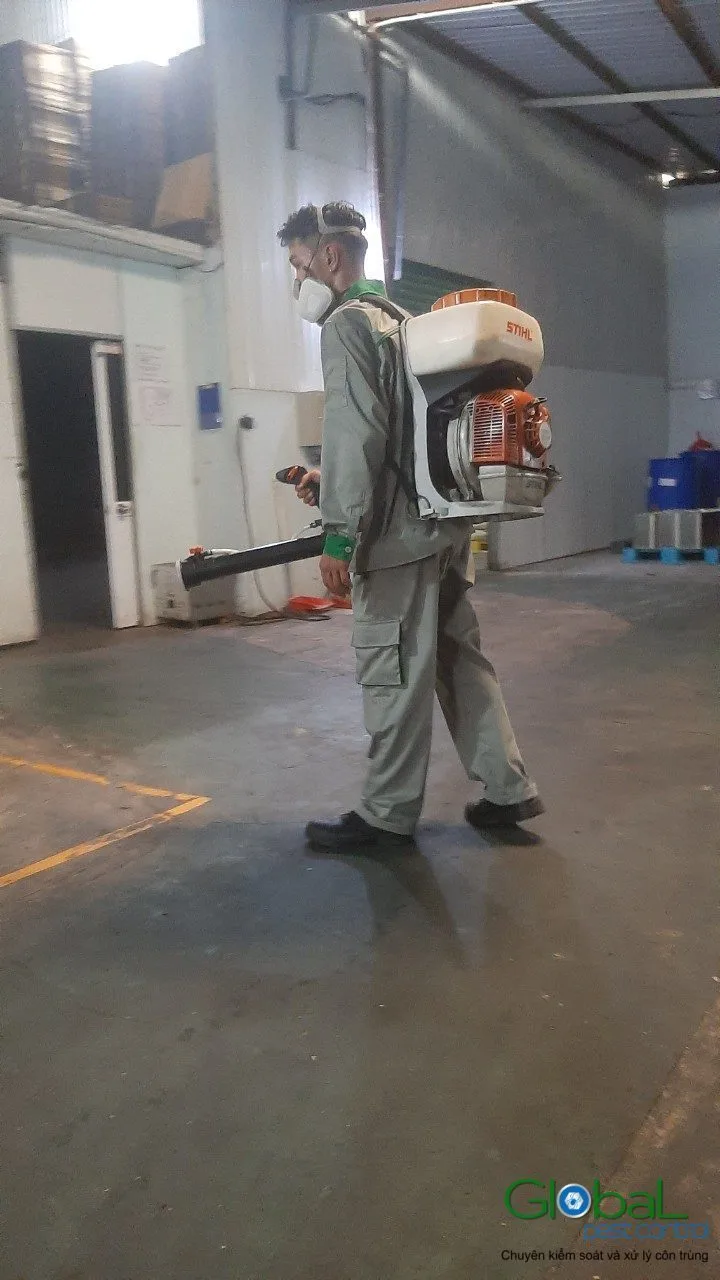
Treating One Property in a Dense Alley
A large part of Ho Chi Minh City is built as hẻm — narrow alleys of tightly packed houses, sharing walls, sharing drainage, and often with only a metre or two between facing buildings.
It is a good place to live and a difficult place to treat as a single property, and the honest version of that limitation is worth stating before anyone spends money.
Why one house is not a unit
Houses in an alley share party walls, roof junctions, drainage connections and often a common drain running the length of the alley. Cockroaches move through the shared drainage, rodents through roof junctions and wall cavities, ants across any continuous surface, and termites underground where no boundary exists at all.
Treating one house reduces the population inside it. It does not change the pressure at the boundary, which in an alley is high and continuous.
What one household can genuinely achieve
A great deal, provided the objective is a defended house rather than an eliminated population. Seal every penetration on your side of the party walls. Fit brush strips and a threshold seal to the front door. Fit one-way inserts to every floor drain. Close the roof junction where it is reachable from your side.
Then treat the interior properly — harbourage rather than surfaces — and monitor. A house that does all of this in a difficult alley typically sees occasional individuals rather than an established problem, which is a realistic and worthwhile outcome.
The alley drain
Most alleys have a covered channel or a shared drain running their length, and it is the single largest shared feature. Where it is blocked, sludged or has gratings that no longer seat, it supports a cockroach and fly population that serves every house on the alley.
Getting the alley drain cleared is the highest-value collective action available, and it is usually a maintenance request to the ward rather than a pest matter. Framing it that way is what gets it done.
The waste question
Alley waste collection is typically a daily handcart, and bags are put out in advance. A bag standing in an alley for several hours in the evening is a food source at ground level for every house around it, and in a narrow alley that is a shared problem created by individual habits.
Putting bags out at the collection time rather than in the afternoon is the single behavioural change that matters most, and it is one where a neighbour asking politely achieves more than any contractor can.
Working with neighbours
A joint treatment of three or four adjacent houses is dramatically more effective than one house treated alone, and it is normally cheaper per house. In our experience this is agreed more readily than foreign residents expect, because neighbours in an alley already cooperate on a great deal and because everyone has the same problem.
The approach that works is a shared quotation presented as a group discount rather than a conversation about whose house it started in. Nobody wants the second conversation and it changes nothing.
Termites in an alley
This is the case where individual treatment is genuinely weakest. A subterranean colony lives in soil beneath several properties, and a barrier applied under one house while the neighbours are untreated protects that house and leaves the colony intact.
For termites, a joint approach is not a cost optimisation — it is the difference between managing a colony and repeatedly defending one building against it.
What to expect from a treatment
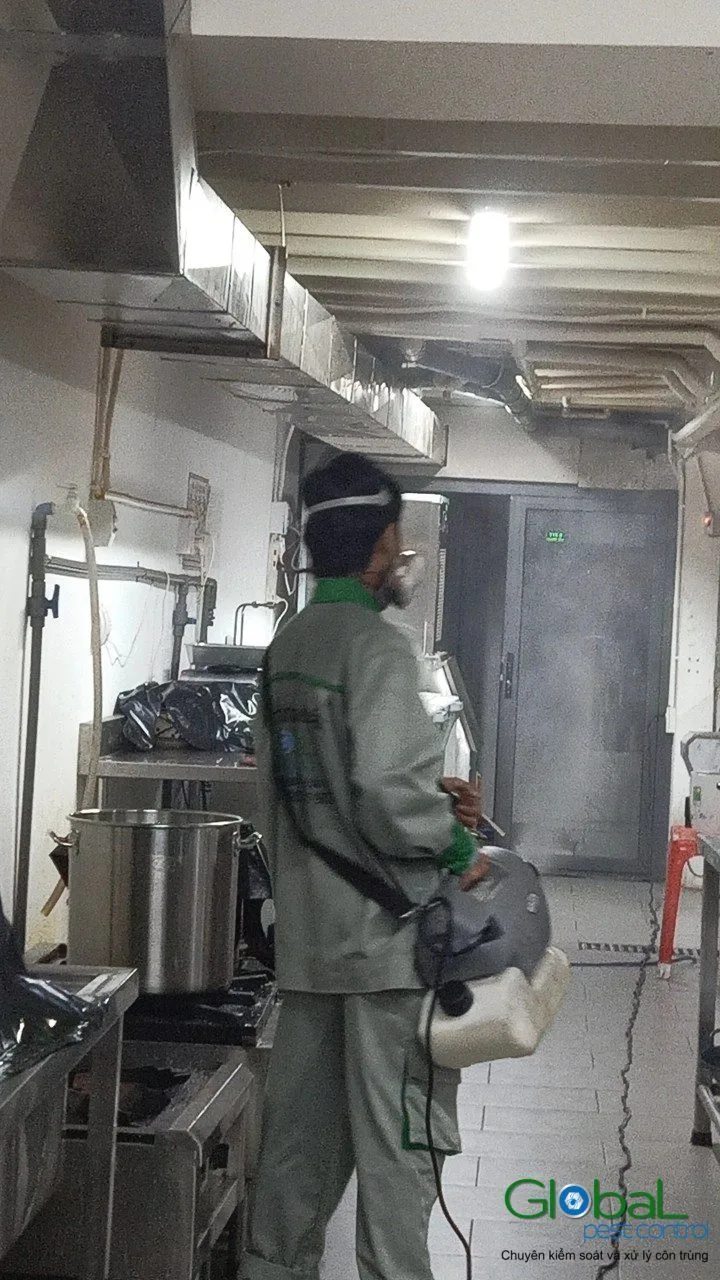
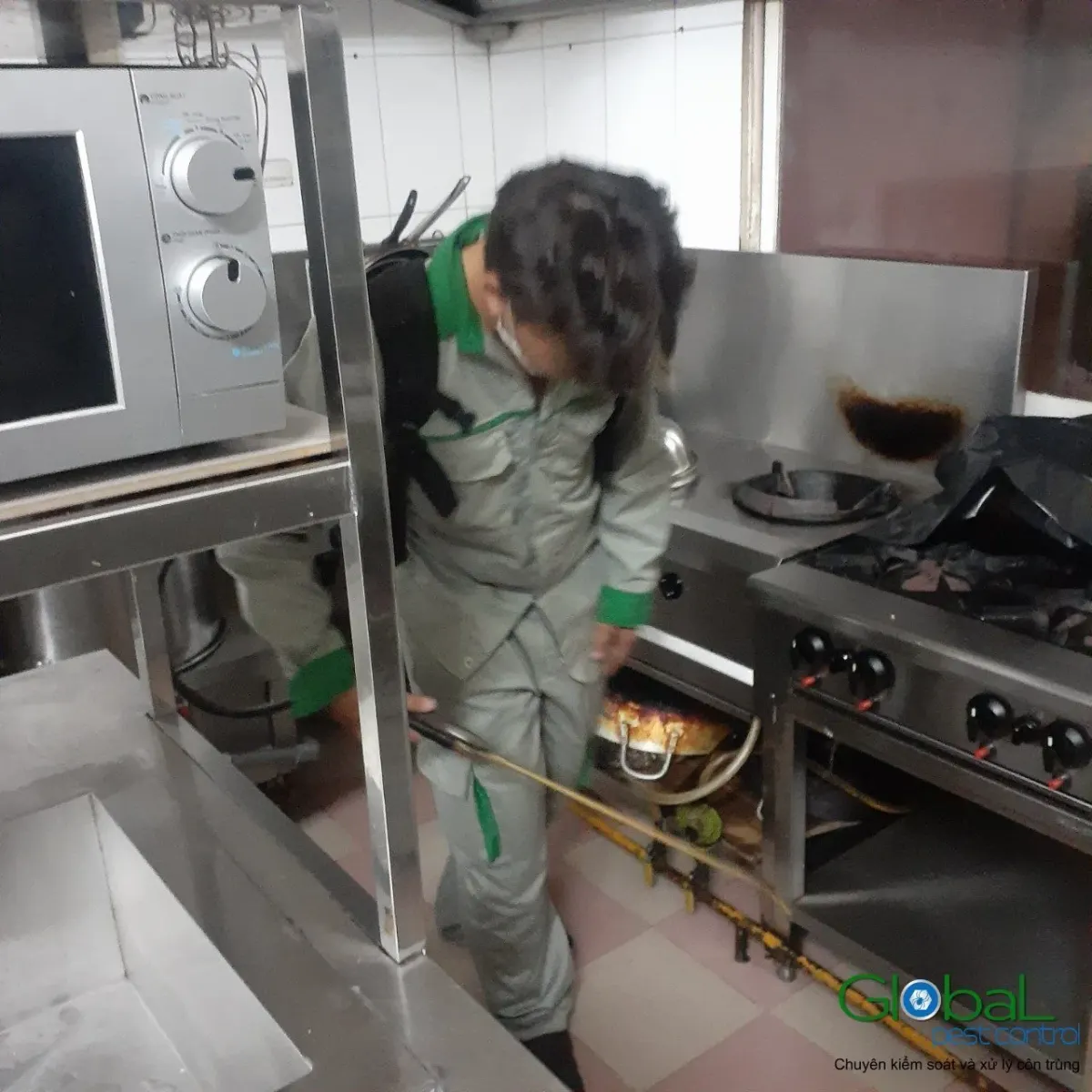
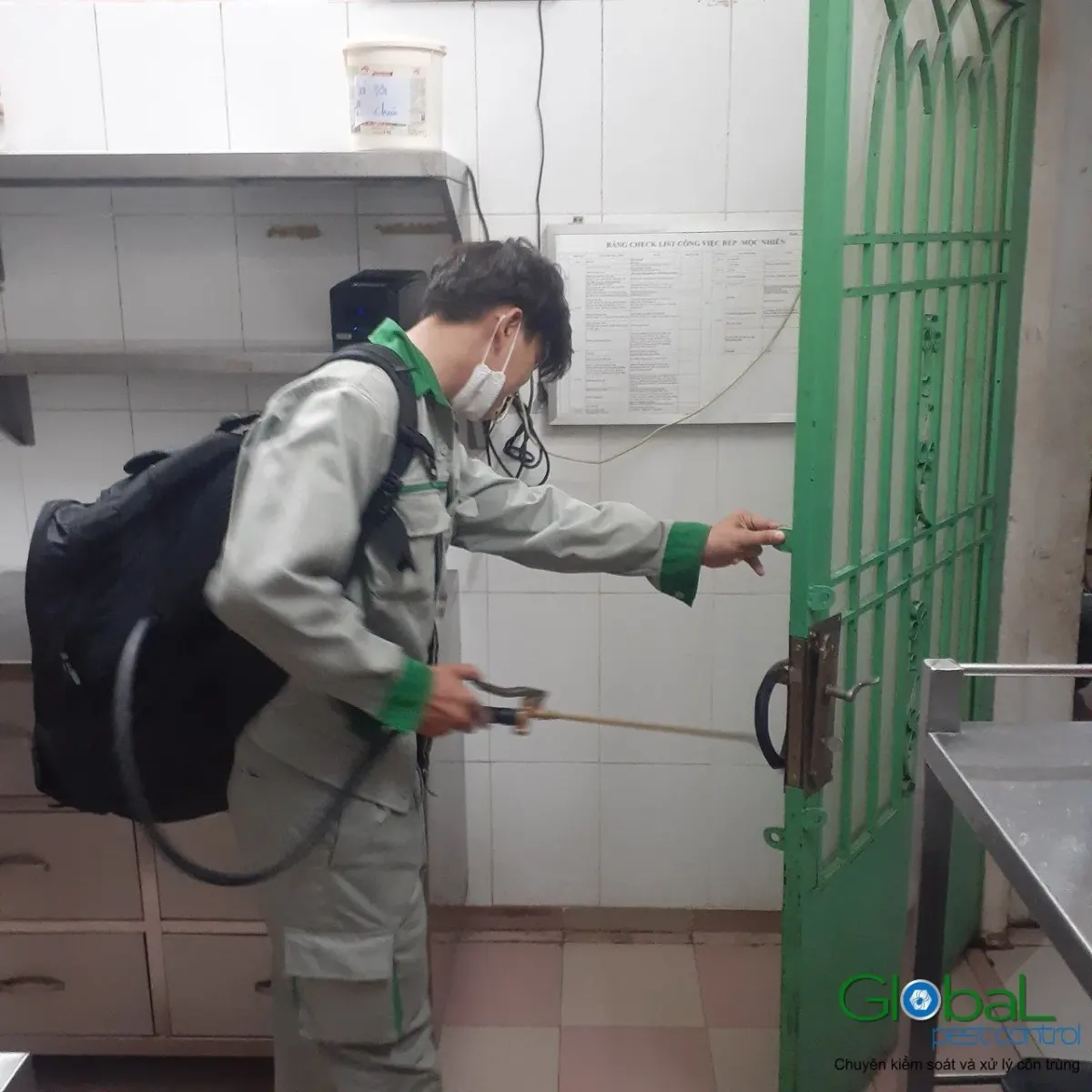
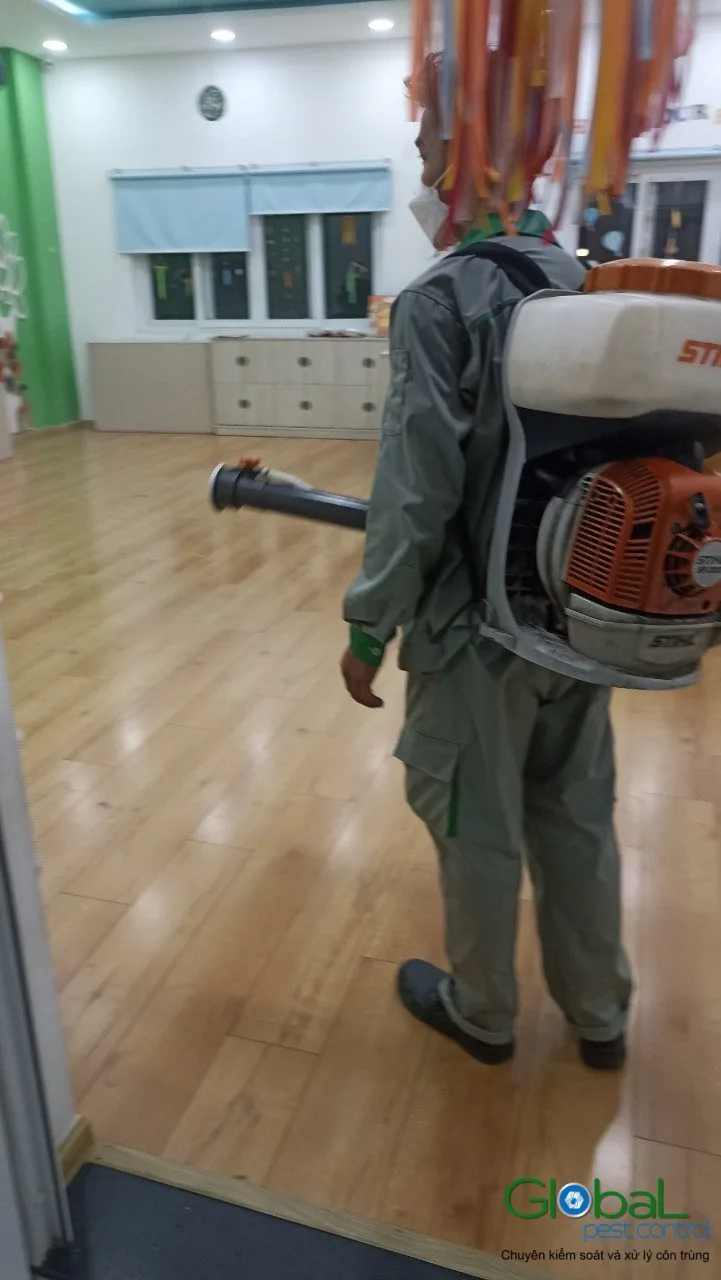
A good contractor working in an alley should say plainly that the objective is exclusion and reduction rather than elimination, should emphasise proofing over product, and should recommend monitoring so that pressure is visible. A contractor promising elimination in a dense alley is either inexperienced or selling.
Related reading
See party walls and roof junctions and older buildings and shophouses. On drainage, how buildings here are drained. For proofing, physical proofing, and for the language, describing a problem in Vietnamese. Our parent company works throughout these neighbourhoods in Vietnamese via its residential programme.
Global Pest Control is the English-language arm of Khử Trùng Toàn Cầu. We can approach neighbours in Vietnamese and quote a joint treatment for several houses at once.
Common questions
Is it worth treating at all if the neighbours will not?
Yes, with adjusted expectations. Sealing and treating one house converts a continuous problem into occasional pressure, which for most households is the difference between an unpleasant home and a normal one. What it will not do is remove the source, so the programme becomes ongoing exclusion rather than a resolution.
How do I raise it with neighbours without causing offence?
Frame it as a shared cost saving rather than as a problem attributed to anyone. "The company will do three houses together for less per house" is a proposal; "your house has cockroaches" is an accusation. If language is the barrier, we will make the approach in Vietnamese, which removes the awkwardness entirely.
Our alley drain smells and nobody will clear it.
Report it to the ward as a blocked drain rather than as a smell or a pest issue, because that routes it to the department with responsibility and a budget for it. A written request signed by several households carries considerably more weight than one, and it is one of the few things in this article where collective action is straightforward to organise.