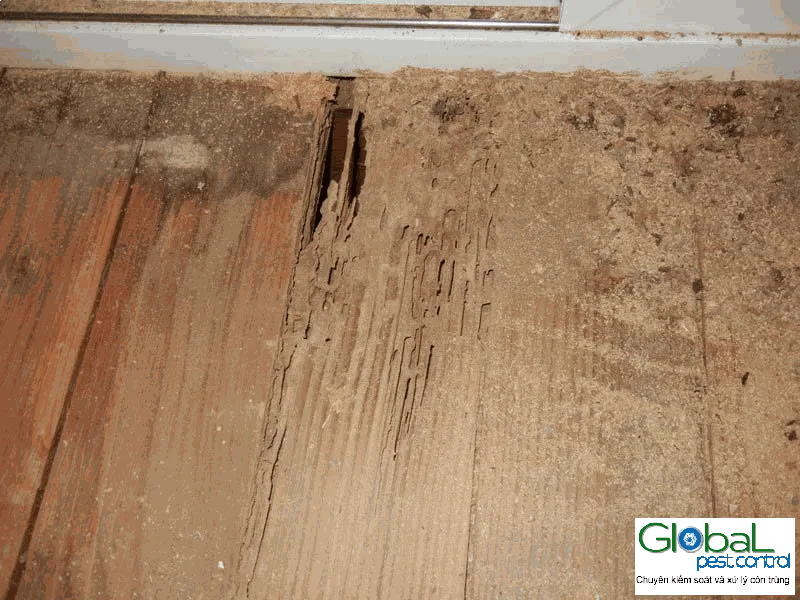
March: Preparing a Property Before the Rains
The rains arrive in Ho Chi Minh City usually in May, occasionally late April, and they change the pest picture within about a fortnight. Mosquito numbers rise, termites swarm, drains load up, damp establishes, and rodents move as ground conditions change.
Almost all of that is decided by conditions that exist before the first storm. March is when those conditions can still be changed cheaply, because everything is dry and reachable.
One: drainage, which matters more than anything else
Clear roof gutters and downpipes, check that yard gullies and channel drains actually run, and look for any low point that will hold water. A blocked gutter is a container that fills with every storm and holds water for days, which is precisely what container-breeding mosquitoes require.
Inside, check that floor traps hold water and that gratings seat properly. The rainy season loads the drainage system, and a defective trap that was merely a smell in March becomes a route in July.
Two: containers, everywhere
- Plant saucers, buckets, watering cans, tyres, tarpaulins, unused pots.
- Air-conditioning condenser trays, which fill and stay full.
- Water tank lids, vents and overflows — mesh missing or perished is the biggest single source in a building.
- Roof and podium areas, where builders leave buckets and offcuts that nobody revisits.
The rule is simple: anything that can hold water for more than a week will produce mosquitoes once the rain starts. Remove, drill, invert or fill with sand.
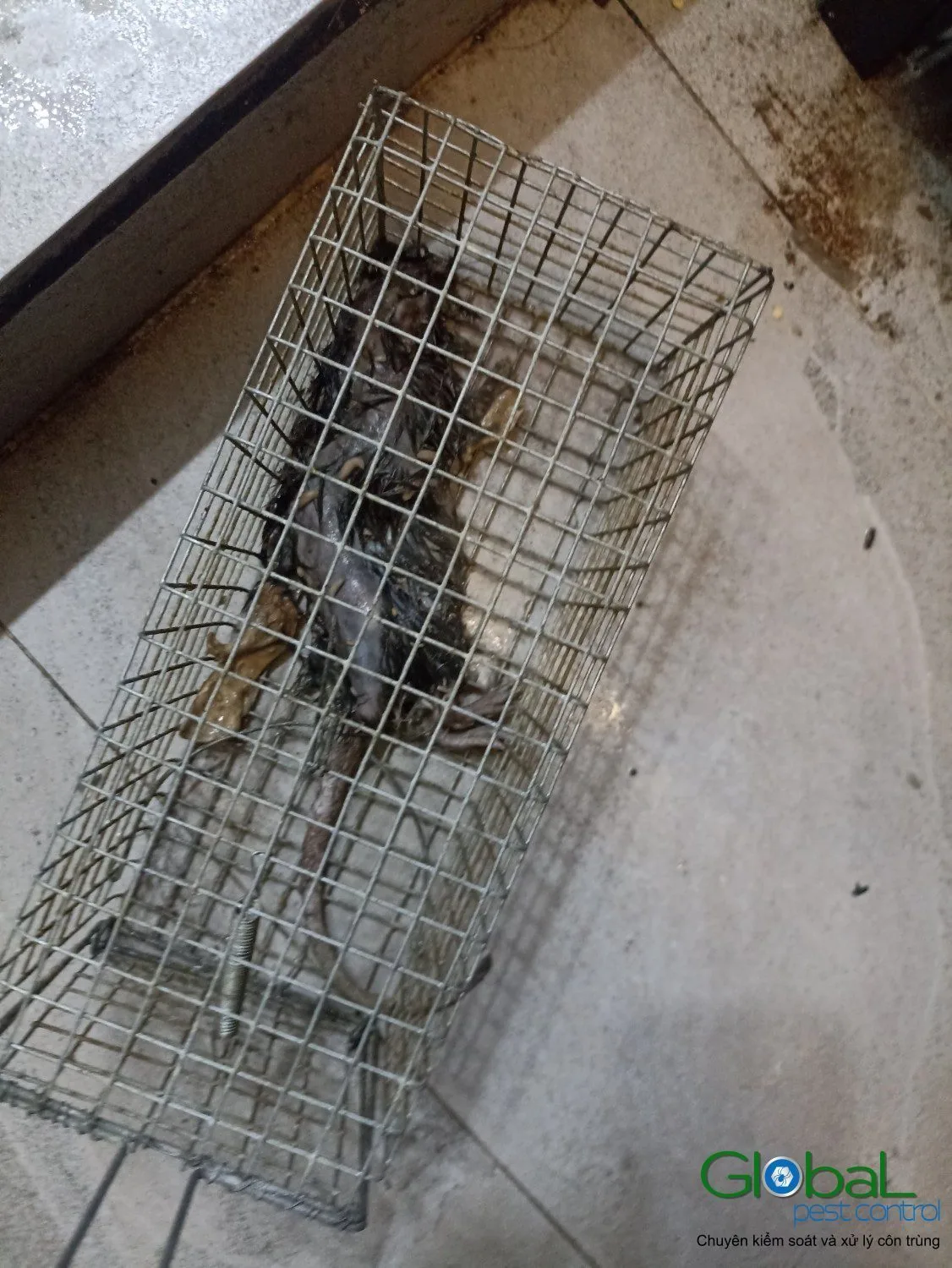
Three: the termite check
Termites swarm with the first heavy rains, usually in April or May, and by then a colony has been present for years. March is the sensible month for an inspection, because the ground is dry, mud tubes are visible and there is time to act before the swarming season announces the problem for you.
Look at the base of external walls, at any point where wood meets soil, at door frames on the ground floor and at any timber in contact with a planter or a garden bed.
Four: vegetation and the perimeter
Cut back anything touching the building. A branch resting on a roof is a bridge, dense planting against a wall is cover, and mulch or soil piled above the damp-proof course is a termite invitation. A clear strip of 30 to 50 cm around the base of a building is worth more than it looks.
This is also the time to look at the ground itself: burrows against walls, gaps at the base of gates, and holes where services enter below ground level.
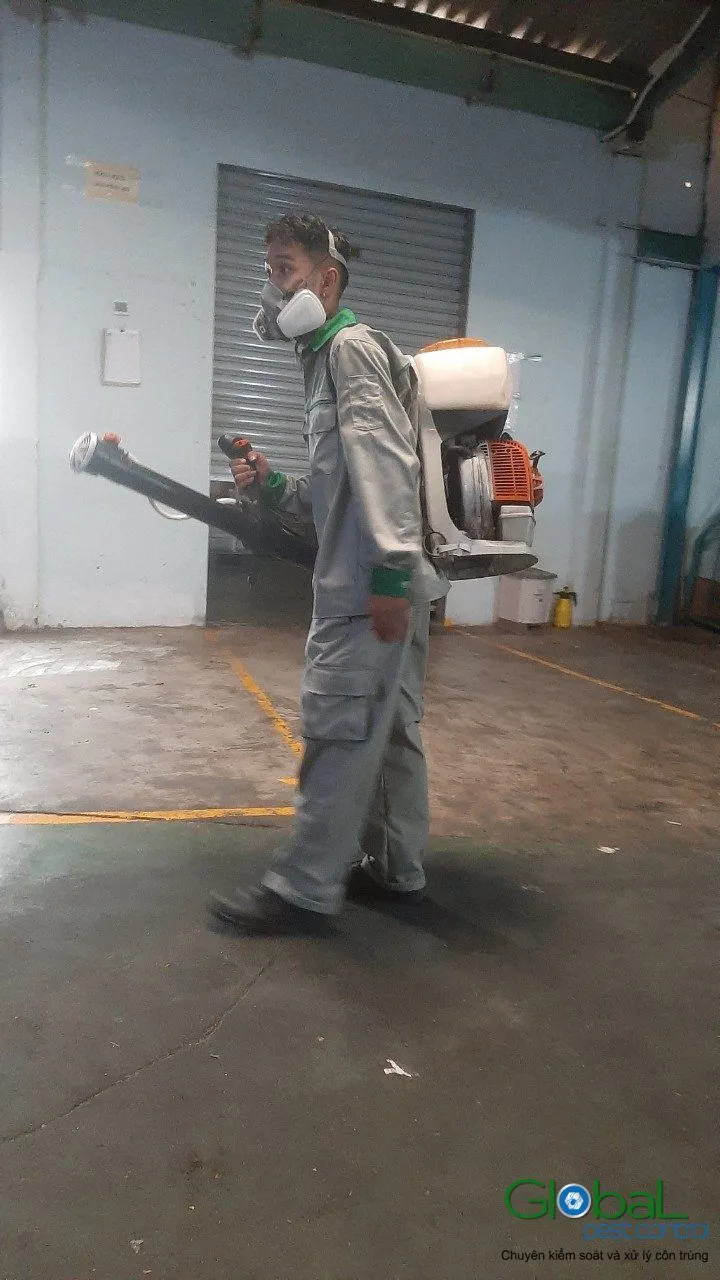
Five: seal what you found in January
Dry-season rodent work usually identifies routes. March is when to close them, because sealant, mortar and foam all cure properly in dry conditions and because the work will not be interrupted by rain.
The same applies to any external painting, rendering or repair that closes a gap. Doing it in July means doing it twice.
Six: the dry stores. March is the last comfortable month to empty a store room, decant bulk rice and flour into sealed containers and vacuum the shelving, because everything will be damper from May onward. It is also the month to fix a leaking roof over a store, since a store that becomes damp in June stays damp until November.
What the rains do to an unprepared property
Water pools where drainage fails, and mosquito numbers rise from those sites within two to three weeks. Rodents displaced from flooded burrows move upward and inward. Damp establishes in cupboards and behind furniture, which brings silverfish, booklice and mould. And any timber in ground contact becomes considerably more attractive to termites.
Seven: agree who does what
In a building, most of this list belongs to different parties — gutters and tanks to the operator, balcony containers to residents, ground-floor drainage to whoever holds the lease on that unit. A March circular naming the four things residents should do, sent before the rains rather than during them, is one of the cheapest and most effective actions a management office can take, and it is rarely done.
Related reading
See the pest year in Ho Chi Minh City and rainy season pest control. Swarming is covered in April, the month the termites fly, and water in rooftop water tanks. For proofing, physical proofing. Our parent company covers the same season in Vietnamese at khutrungtoancau.vn.
Global Pest Control is the English-language arm of Khử Trùng Toàn Cầu, based in Thu Duc City.
Common questions
Is a preventive treatment before the rains worth it?
A preventive inspection almost always is; a preventive chemical treatment usually is not, unless there is a specific target such as a termite barrier or a known perimeter pressure. The work with the best return in March is physical — clearing, sealing, cutting back and fixing drainage — and none of it involves product.
When exactly do the rains start?
Typically May, with the first significant storms sometimes arriving in late April, and it varies by a few weeks each year. Working to a March deadline gives enough margin, and the specific date matters less than being finished before the first heavy rain rather than during it.
Our building manager says they will do it in May. Is that too late?
It is late rather than useless. Gutter clearing in May still helps, and container removal helps whenever it happens. What genuinely suffers from the delay is anything needing dry conditions — sealing, rendering, ground-level repairs and termite barrier work — which becomes slower, more expensive and less durable once the ground is wet.