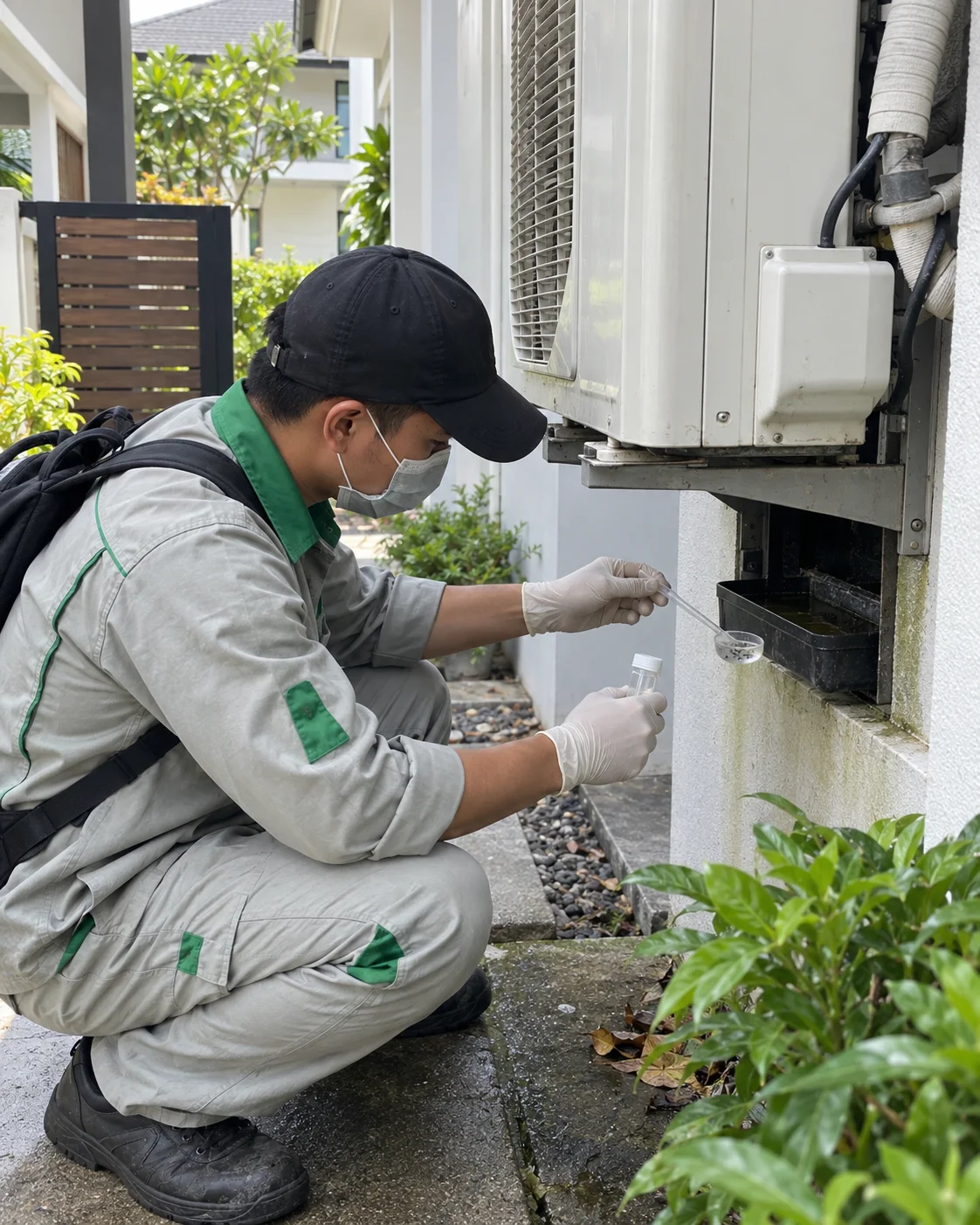
Bringing Pets to Vietnam: Fleas, Ticks and What Changes
Owners arriving from Europe, North America or Australia often have a well-established routine for their dog or cat: treat in spring, keep it up through summer, ease off in autumn, stop in winter. It works because a temperate winter interrupts the parasite life cycle every year, whether the owner does anything or not.
Ho Chi Minh City does not have that interruption. Temperature and humidity here sit inside the ideal development range for fleas and for the brown dog tick all twelve months, so the population is never reset. That is the single most important thing to understand.
What the numbers actually mean
A flea completes egg to adult in as little as two to three weeks in these conditions, against six weeks or more in a cool climate, and adults that would go dormant elsewhere simply keep breeding. Perhaps five per cent of a flea population is on the animal at any moment; the rest is eggs, larvae and pupae in flooring, bedding and the cracks of a sofa.
That ratio is why treating only the animal never resolves an established problem, and why owners describe fleas returning a week after a bath.
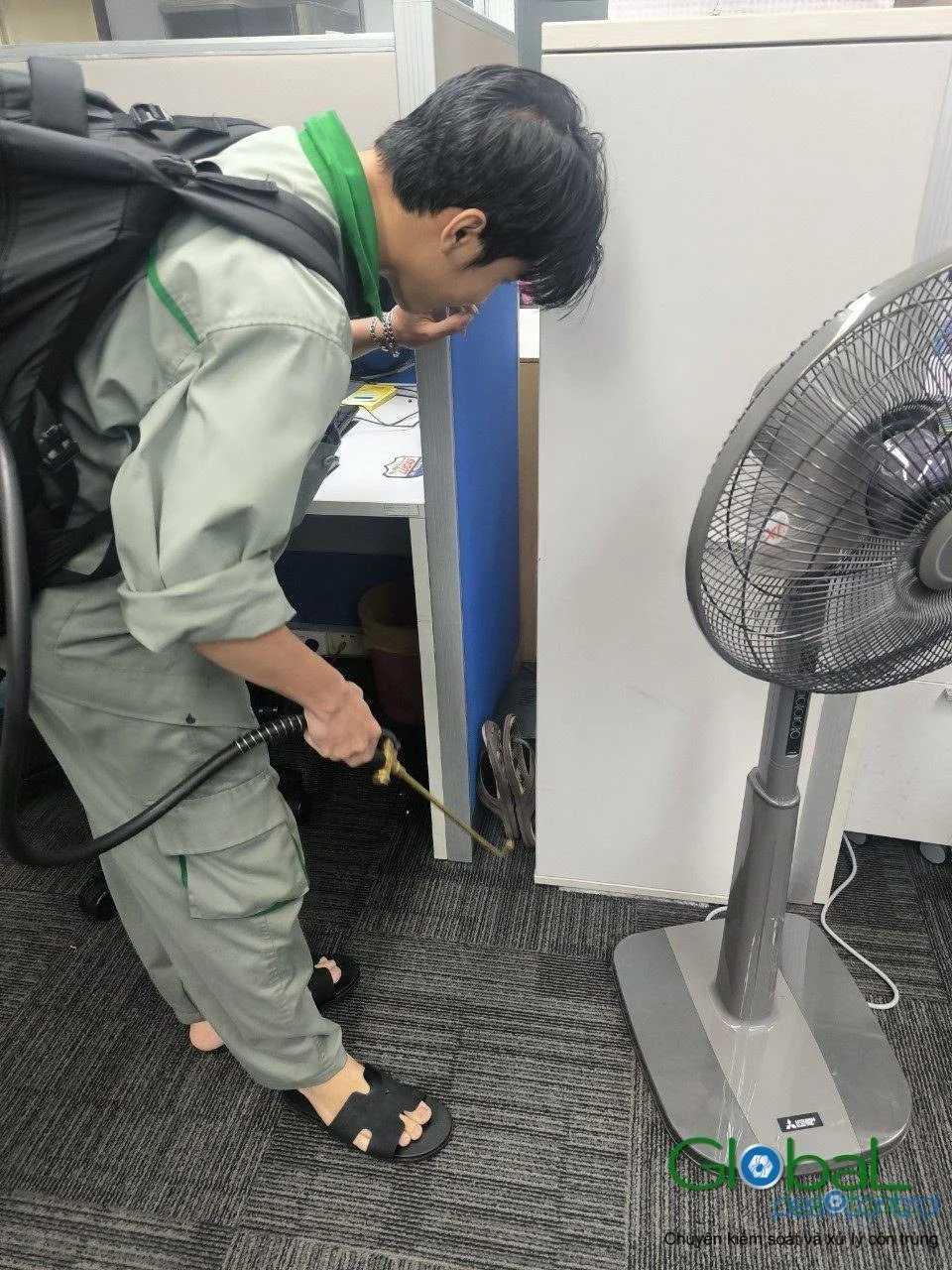
The brown dog tick is the local specialist
Most tick species need vegetation and a fairly narrow set of conditions. Rhipicephalus sanguineus, the brown dog tick, is different: it completes its whole cycle indoors, tolerates dry air, and climbs. In this city it is by far the most common tick we deal with and it is the reason ticks turn up in apartments with no garden at all.
The diagnostic sign is where you find them. Ticks in wall cracks, along skirting, behind picture frames or high on a wall near the ceiling are almost certainly this species. That is not normal tick behaviour, and it means the infestation is in the building rather than on the animal.
What to change about your routine
- Year-round preventive treatment, without the seasonal gap, on veterinary advice.
- Wash bedding weekly at high temperature and dry it hot rather than in air.
- Vacuum thoroughly and often, particularly along skirting and under furniture — vibration triggers pupae to hatch, which is useful.
- Treat the environment as well as the animal when there is an established problem, not instead of it.
Where the environmental problem lives
In an apartment, the reservoir is where the animal sleeps and where it rests during the day: bedding, the base of a sofa, the edge of a rug, the gap under a wardrobe. In a villa it extends outdoors to shaded soil, the edge of a terrace and any kennel or covered area. Treatment that does not include those places is treating five per cent of the problem.
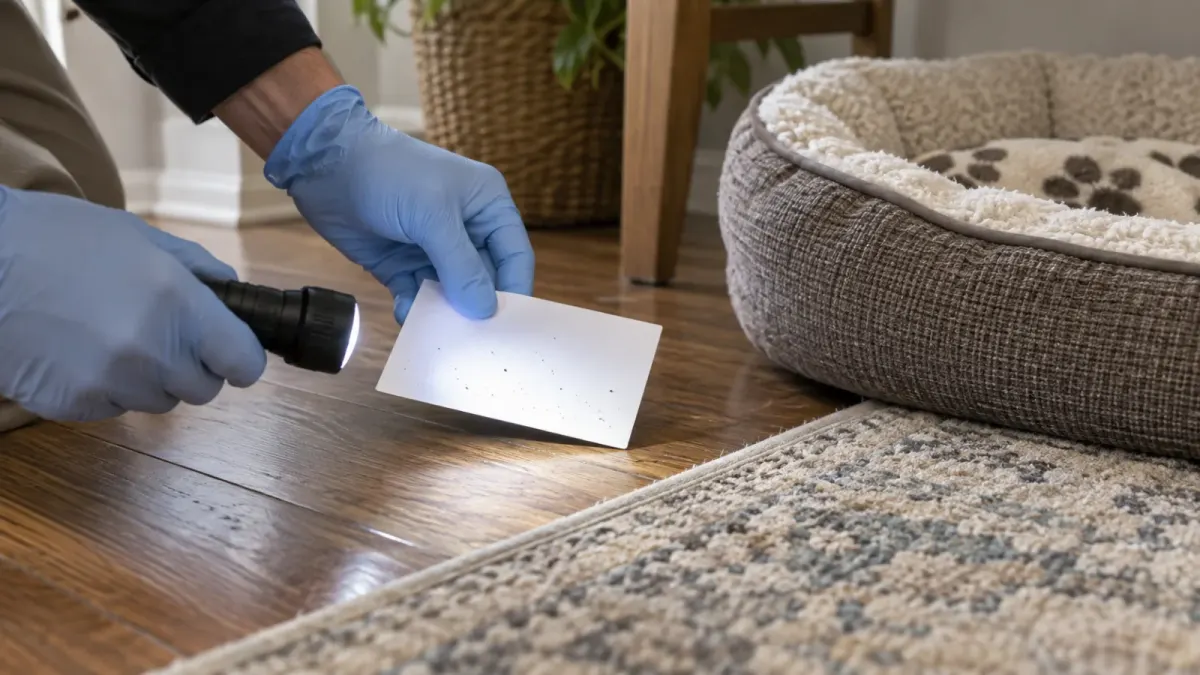
What a treatment involves and what you do around it
For fleas we use an insect growth regulator combined with an adulticide, applied to floors, skirting, soft furnishing edges and the animal\x27s resting areas — the growth regulator matters most, because it breaks the cycle rather than killing what is present today. Pets and people leave the property for a stated period, aquariums are covered and their pumps switched off, and bedding is washed on the same day rather than replaced afterwards.
The animal itself is treated by a vet, not by us, on the same day where possible. Treating the property while the animal remains untreated simply reseeds it.
The Tet and holiday pattern
A pattern we see every year: the family travels for two weeks, the apartment is closed, and they return to a severe flea problem that was not there when they left. Pupae are triggered to emerge by vibration, warmth and carbon dioxide — in other words by somebody walking in — so a population that accumulated quietly all emerges within a day or two of the door opening. It is not that something arrived while you were away; it is that everything that was waiting hatched at once.
Related reading
Species detail is in our tick and flea guide, and the empty-property effect in returning after a long trip away. For gardens and compounds see villas and compounds, and for safety around animals during a treatment, safety with children and pets. Our parent company runs the Vietnamese-language tick and flea service.
Global Pest Control is the English-language arm of Khử Trùng Toàn Cầu, based in Thu Duc City.
Common questions
My dog is on a monthly preventive and we still have fleas. Why?
Because the preventive protects the animal rather than the apartment. It kills fleas that bite, which does gradually reduce a population, but where a reservoir is already established in flooring and bedding, new adults emerge faster than the product removes them. That situation needs the environment treated once, after which the preventive is enough to hold it.
Can we stay in the apartment during a flea treatment?
Not during the application and not for the stated re-entry period, which is usually four to six hours for the treated areas. After that the flooring is dry and the property is normal to use. We would ask you not to vacuum for a week or so, because that removes the growth regulator from exactly the surfaces where the larvae are.
We have no pet but we have fleas. How?
Almost always a previous tenant had one, and the pupae survived the vacant period — they can wait for months without feeding. Rodent activity is the other explanation and is worth ruling out. Either way the treatment is the same and it usually only needs to happen once.