Closing a Property Safely Over a Public Holiday
Vietnam has several long closures a year and Tet is the longest. For a restaurant, a shop or an office, the closure itself is not the problem — the reopening is, and it is decided entirely by what was done on the last afternoon.
Three things happen while a building is empty, and each has a preventive step that takes minutes.
One: every water seal evaporates
Floor drains, gullies, basin traps, the standpipe behind a dishwasher, the trap under an unused sink. Each holds a small volume of water that seals the building from the drainage system, and in this heat that water is gone within about two weeks.
By the time staff return, the building has several open pipes into the sewer, and the first thing anyone notices is the smell followed by large cockroaches in the wet areas. Filling every trap on the last day, with a spoonful of cooking oil in the ones that will not be used, prevents it.
Two: waste completes its cycle
Waste collection stops for the holiday, usually before the business does. A bin emptied on the last working day is emptied into a store that will not be collected, and anything left in it ferments for a week in a warm room.
The fix is to plan the closure backwards from the last collection date rather than from the last trading day. Whatever is generated after that final collection has to leave the site by another route or not be generated at all.
Three: nothing is disturbed
This is the quiet one. Normal operation constantly interrupts anything establishing — surfaces are wiped, equipment moves, people walk through. A ten-day closure removes all of it, and a small population that would have been noticed at week two is discovered at a much larger size on reopening.
It is also why the closure is the best treatment window of the year, for exactly the same reason.
The last-afternoon list
Fill every trap and gully. Empty and remove all waste, including the bin store. Clear every fridge and cold room of anything that will not survive, and prop the doors of any unit being switched off. Clean under and behind equipment, since this is the only time it can be moved without stopping service.
Then decant or remove opened dry goods, close the delivery door properly rather than leaving it on a latch, and check that the bin store door closes and locks.
Use the closure rather than surviving it
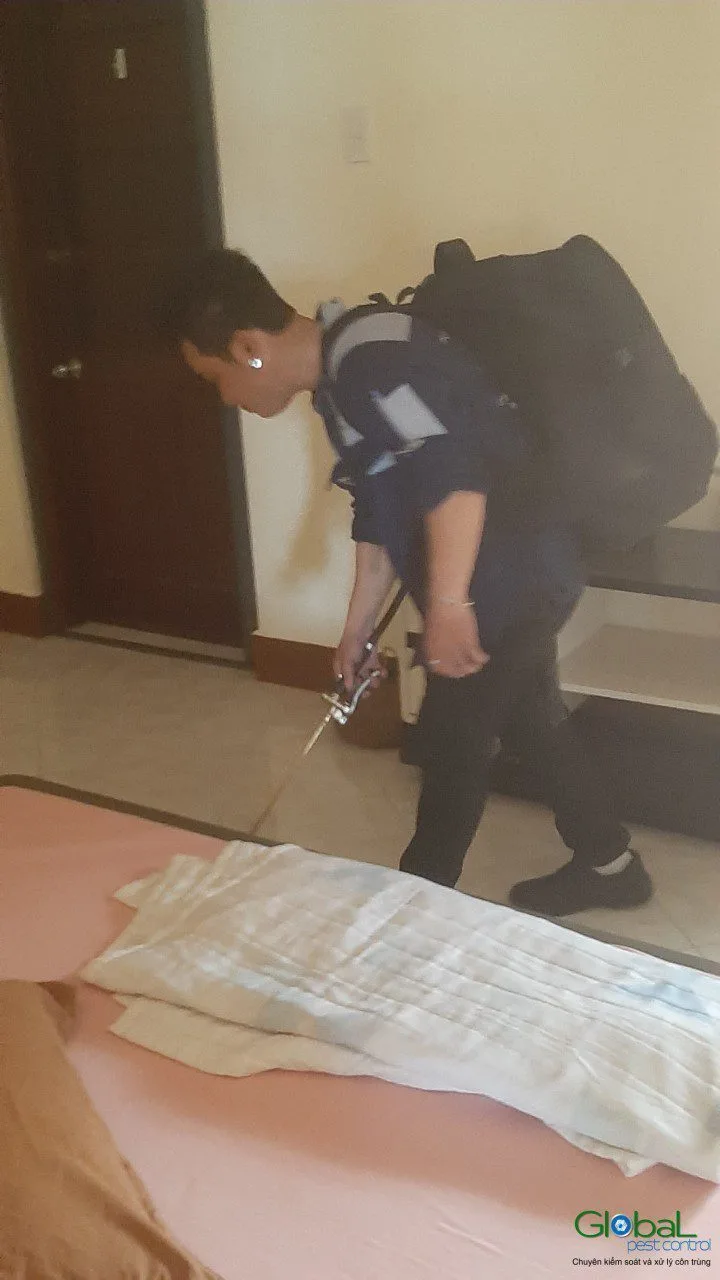
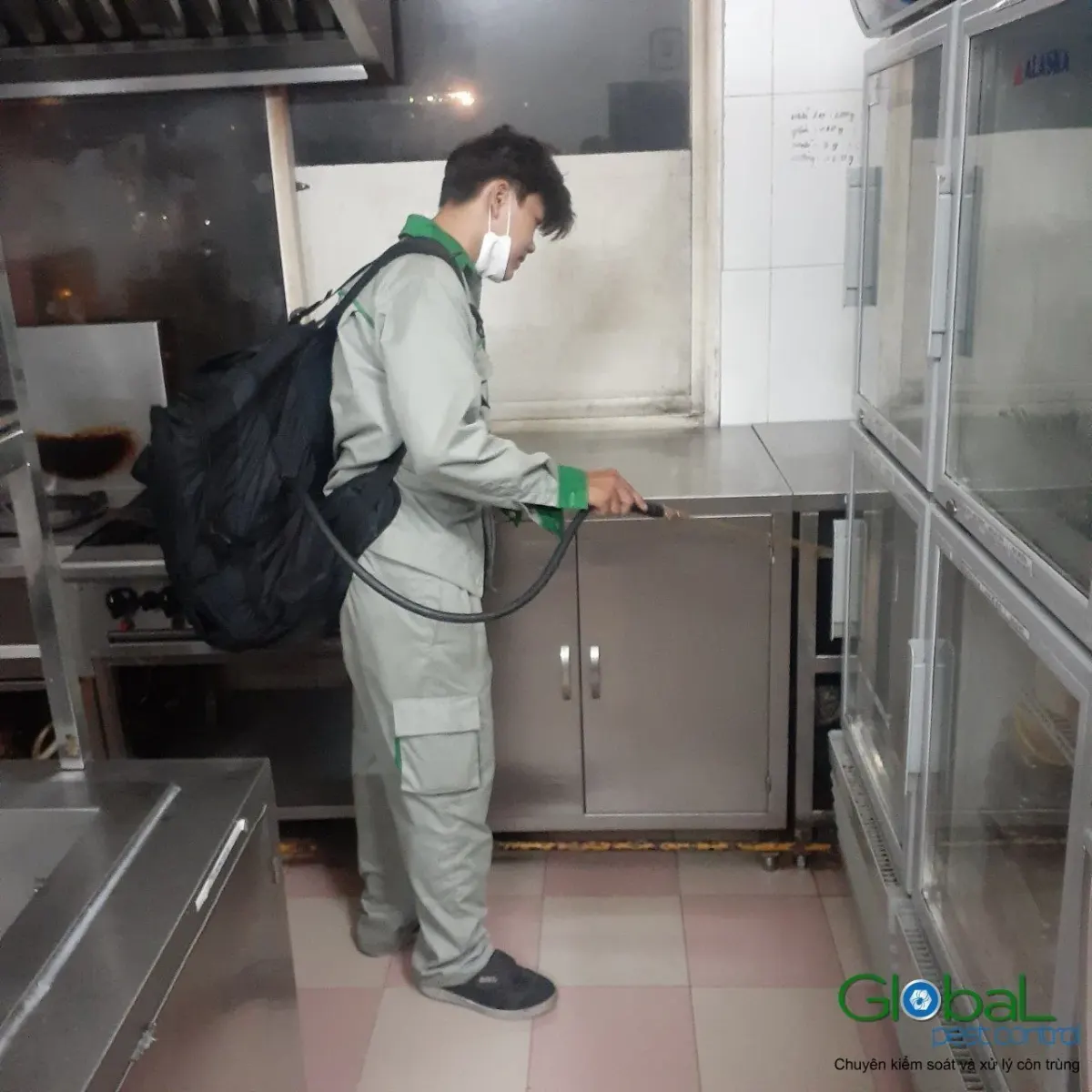
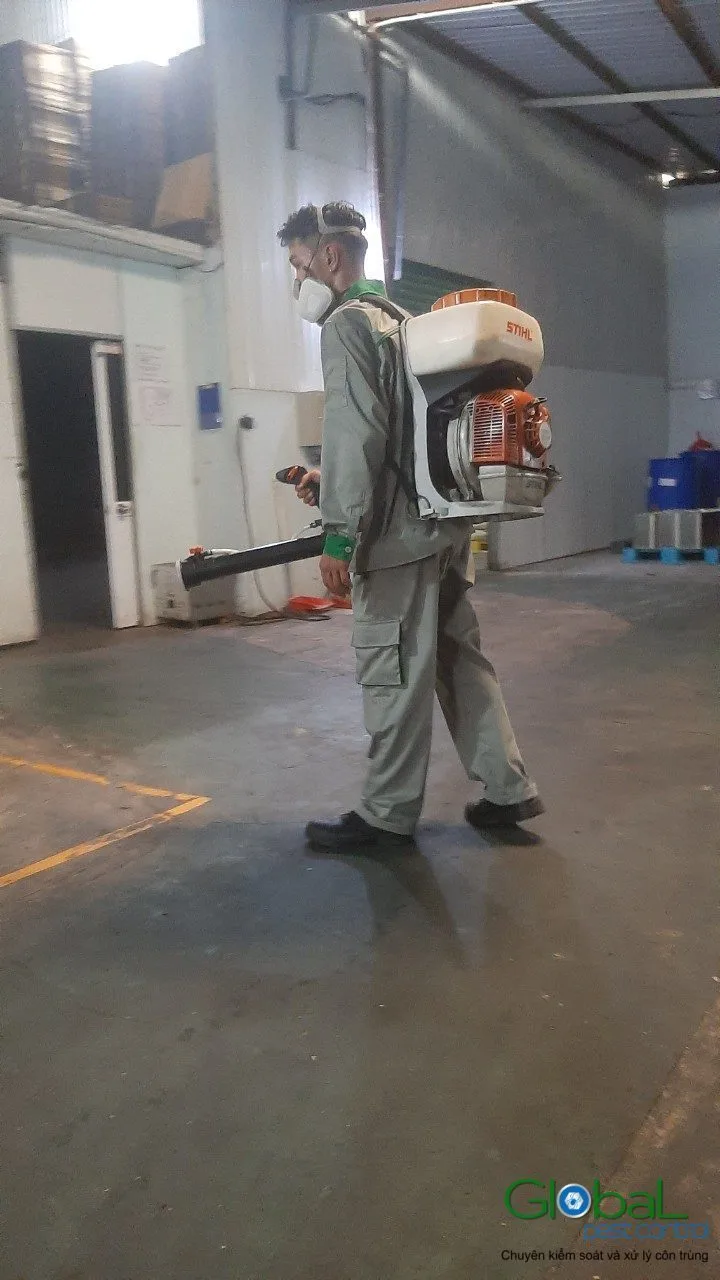
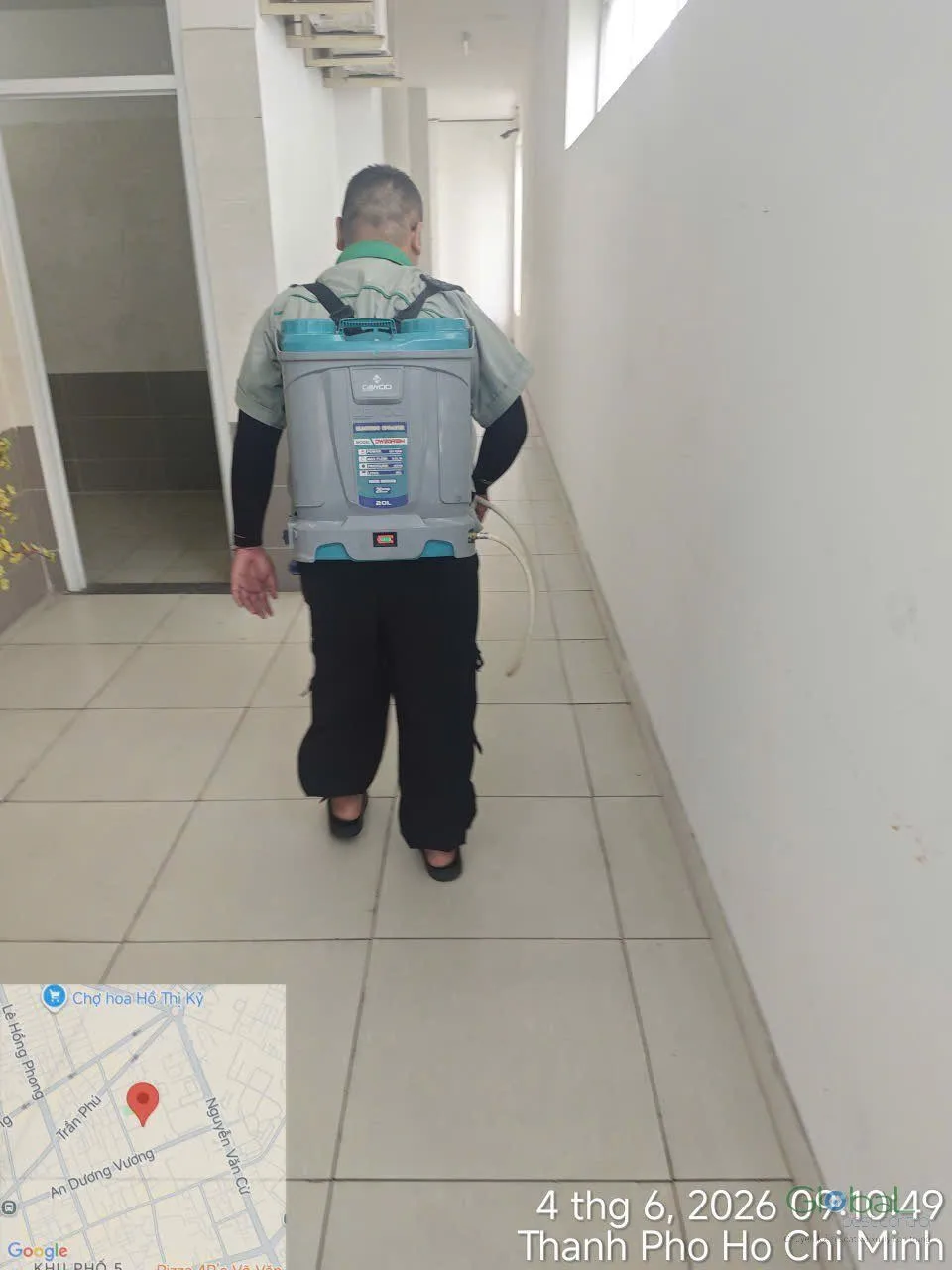
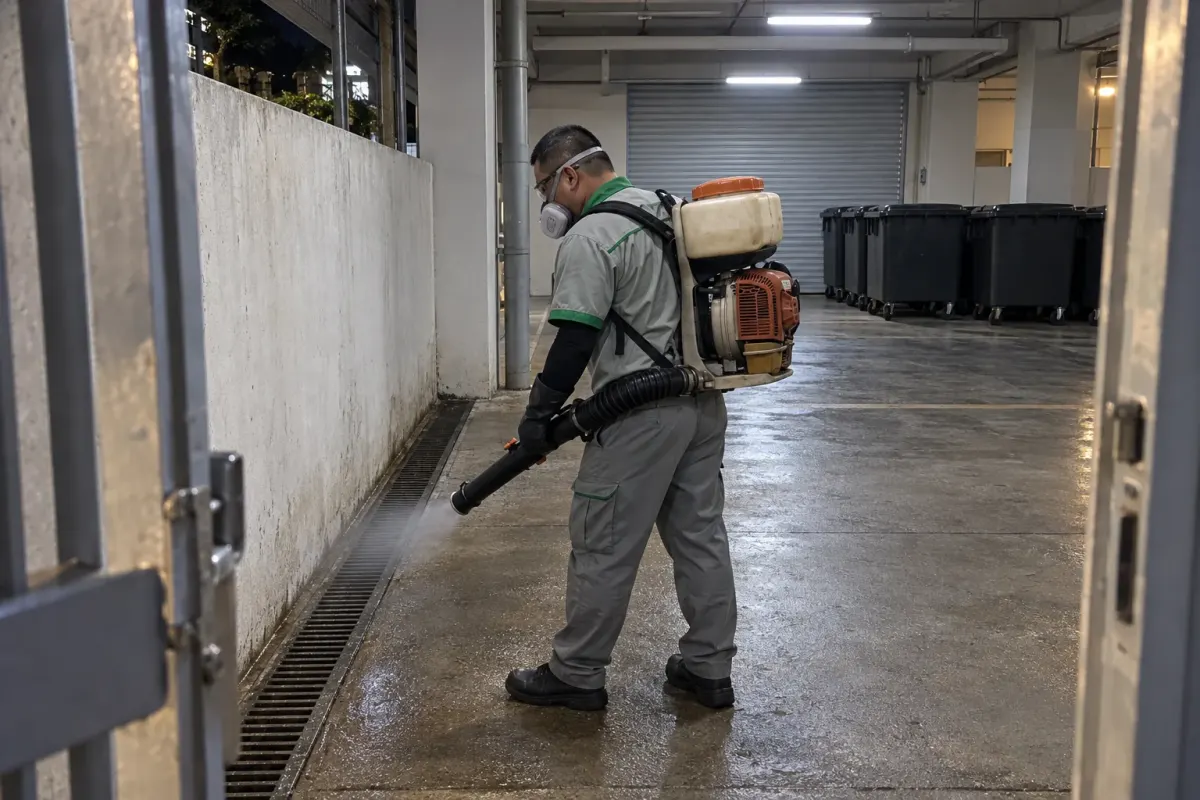
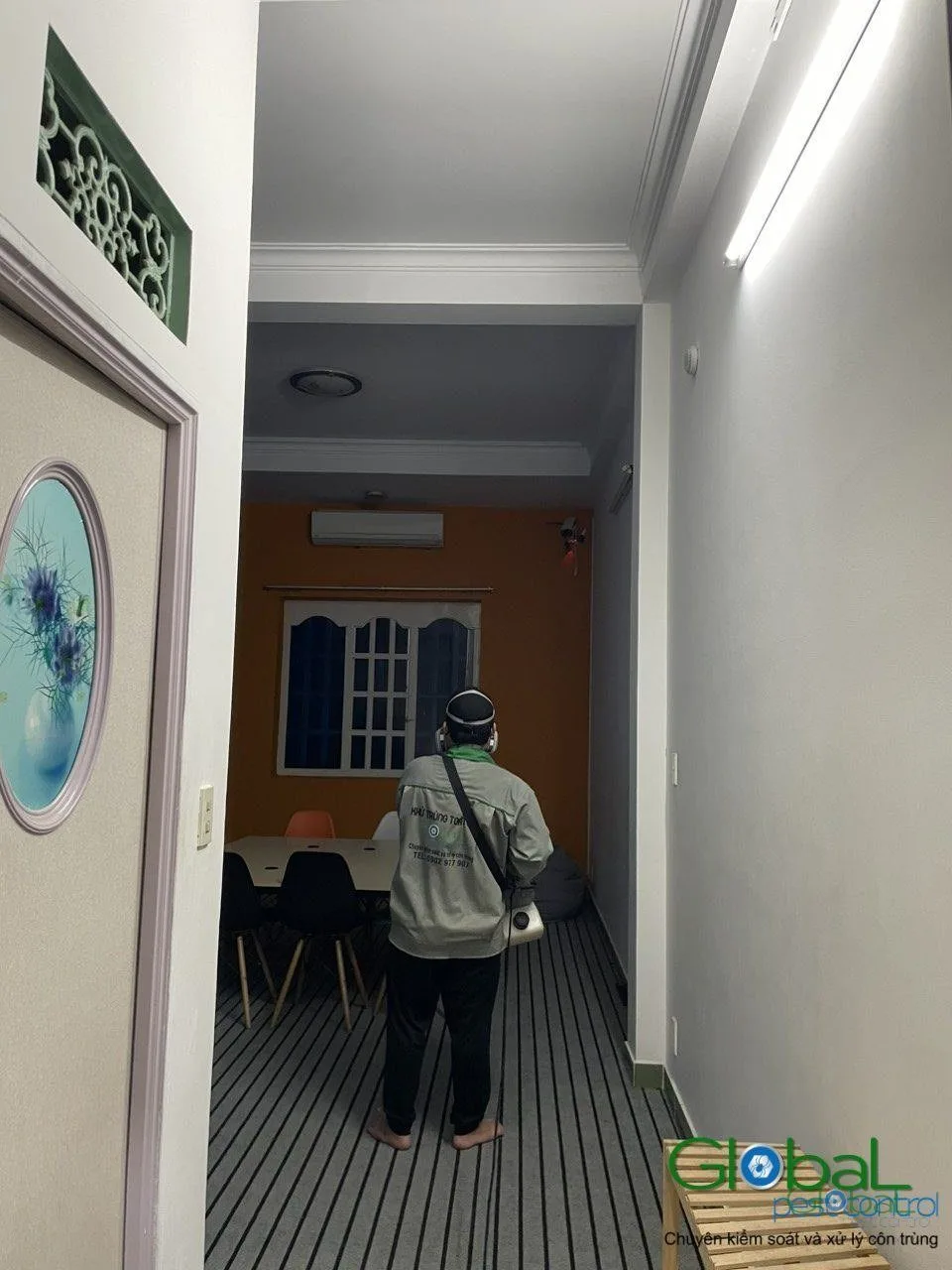
An empty kitchen with no competing food is the best environment a bait programme will ever encounter, and there is no re-entry constraint to work around. Scheduling the annual deep treatment into a long closure achieves more than several visits squeezed between services, and it costs the same.
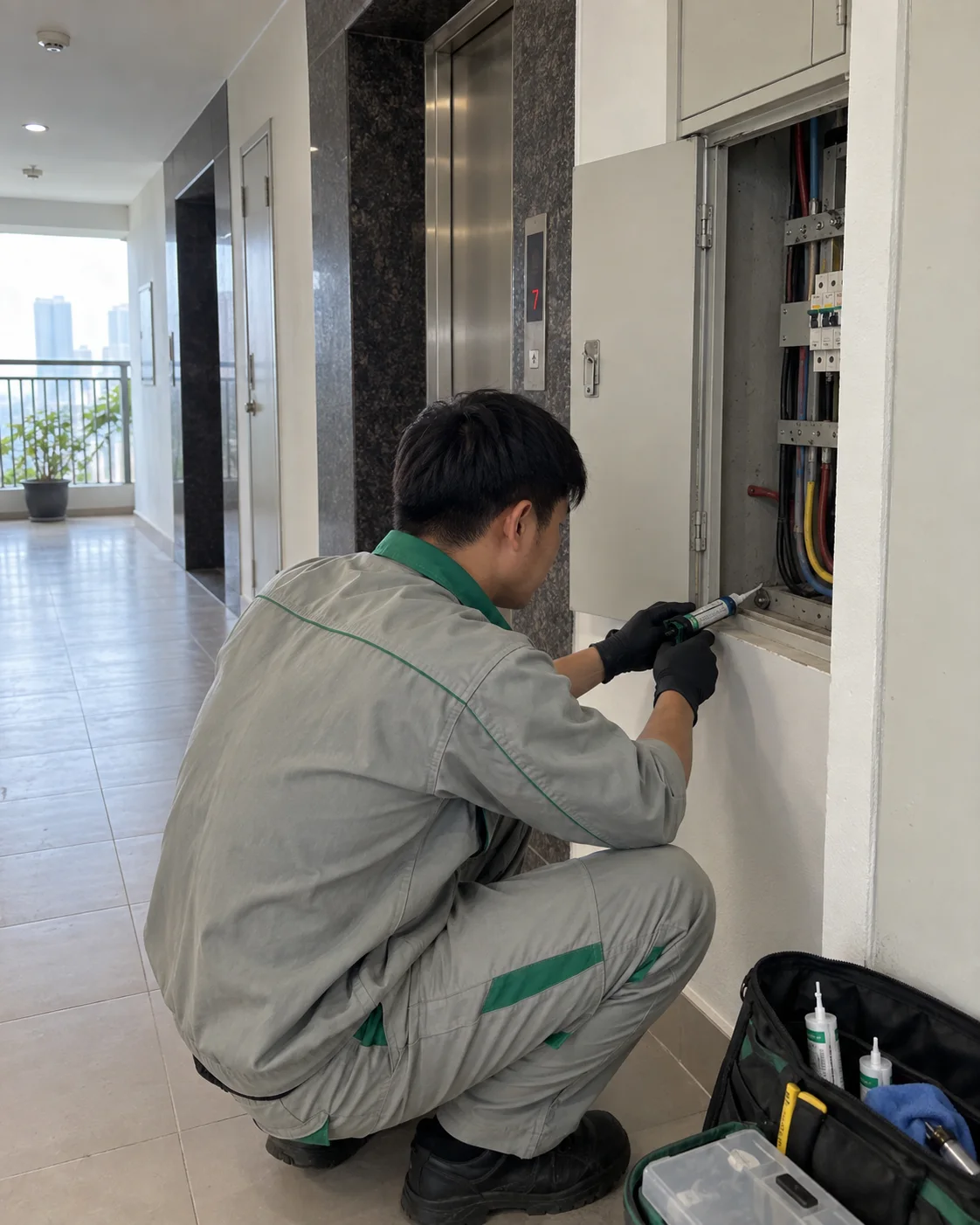
The same applies to the physical work that never gets done: moving equipment for cleaning, treating and then sealing voids, replacing a damaged door seal, and clearing a drain properly rather than pouring something into it.
The reopening morning
Run every tap, shower and floor drain before anything else. Open the doors and get air moving. Then walk the site with a torch before service preparation begins, looking specifically at the wet areas, the dry store and the space behind equipment.
Anything found on that walk is far easier to deal with before the kitchen is running than three days later during service.
For an office or a shop
The same three principles apply with less at stake. Bins out, traps filled, no food left in desk drawers or in the pantry fridge, and the pantry bin removed rather than lined. Offices reopen to fruit flies and ants more often than to anything dramatic, and every one of those cases traces back to something organic left in a warm room for ten days.
Related reading
See Tet holiday closed kitchens and the December check. The residential version is leaving a home empty for a month. For the reopening, returning after a long trip. The drain mechanism is in drain treatment. Our parent company runs closure treatments in Vietnamese through its restaurant and kitchen programme.
Global Pest Control is the English-language arm of Khử Trùng Toàn Cầu, based in Thu Duc City.
Common questions
Should we leave the air-conditioning on over a closure?
For pest purposes it makes little difference and the running cost is significant. Where it does matter is a site storing anything moisture-sensitive, and there a dehumidifier in the affected room is cheaper than cooling the whole premises. Leaving cold room doors propped open once switched off matters more than either.
Is it safe to have a treatment while nobody is there?
Yes, and it is usually the best possible timing. What we need is access, a named contact reachable by phone, and agreement on what is left where. We would also ask that the site is cleaned before rather than after, since cleaning after a treatment removes it.
We came back to fruit flies everywhere. Where did they come from?
Something organic left in a warm building for the length of the closure — a fruit bowl, a bin liner, a drip tray, a mop bucket, a bottle with residue in it. Fruit flies complete a cycle in about a week here, so ten days is more than one generation. Find and remove the source and the population collapses within days without any treatment.