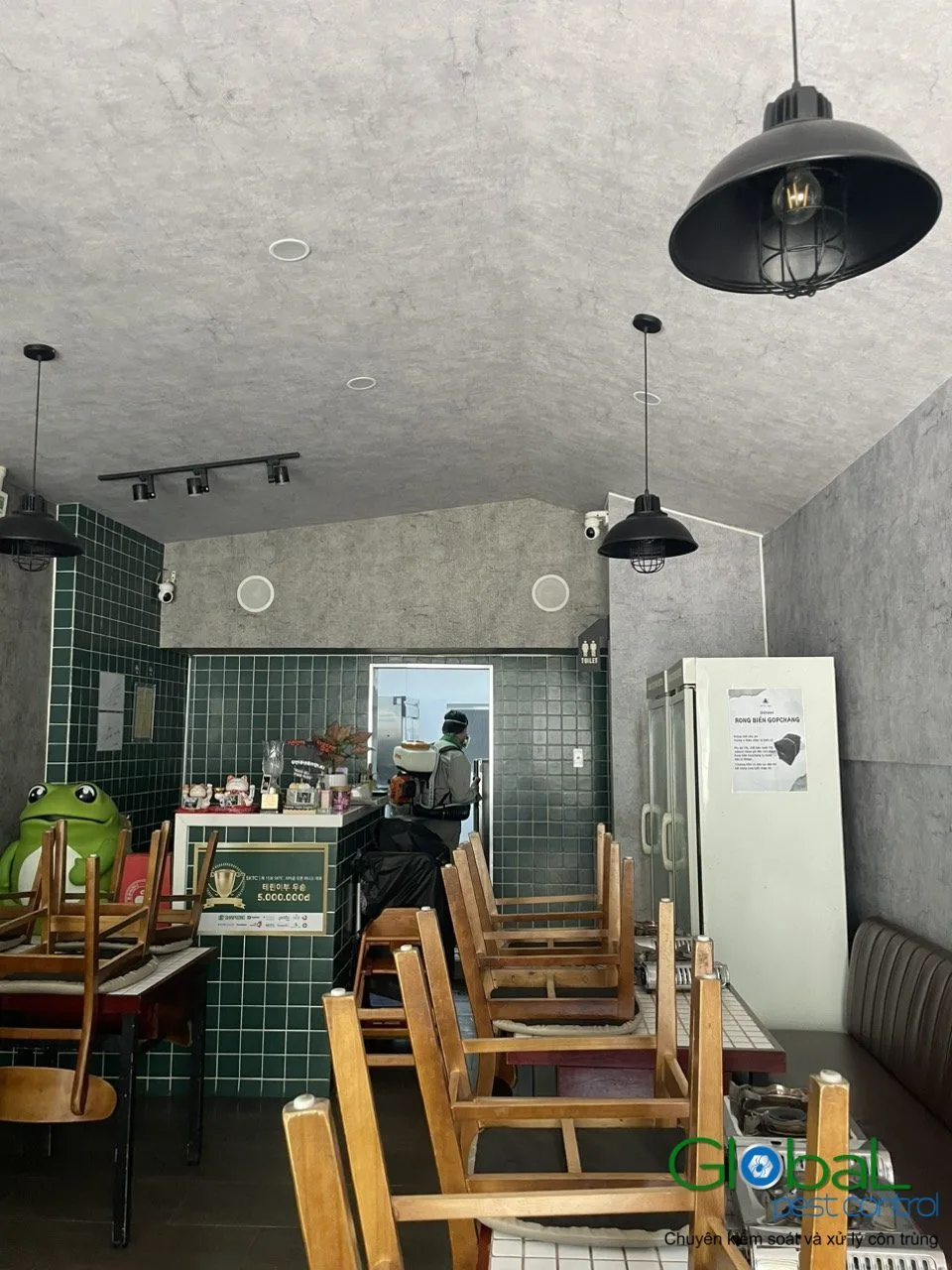
Opening a Restaurant in Ho Chi Minh City: The Pest Checklist
A restaurant fit-out is the one moment when every wall, void and pipe run is visible and nothing is bolted down. Everything on this list takes minutes now and hours later, and a few items become genuinely impossible once the cold room and the hot line are in.
It is also the moment your monitoring records begin. A site that starts with a documented baseline can prove twelve months later that a problem was imported rather than inherited — which matters in a landlord dispute and in a supplier discussion.
Before the equipment arrives
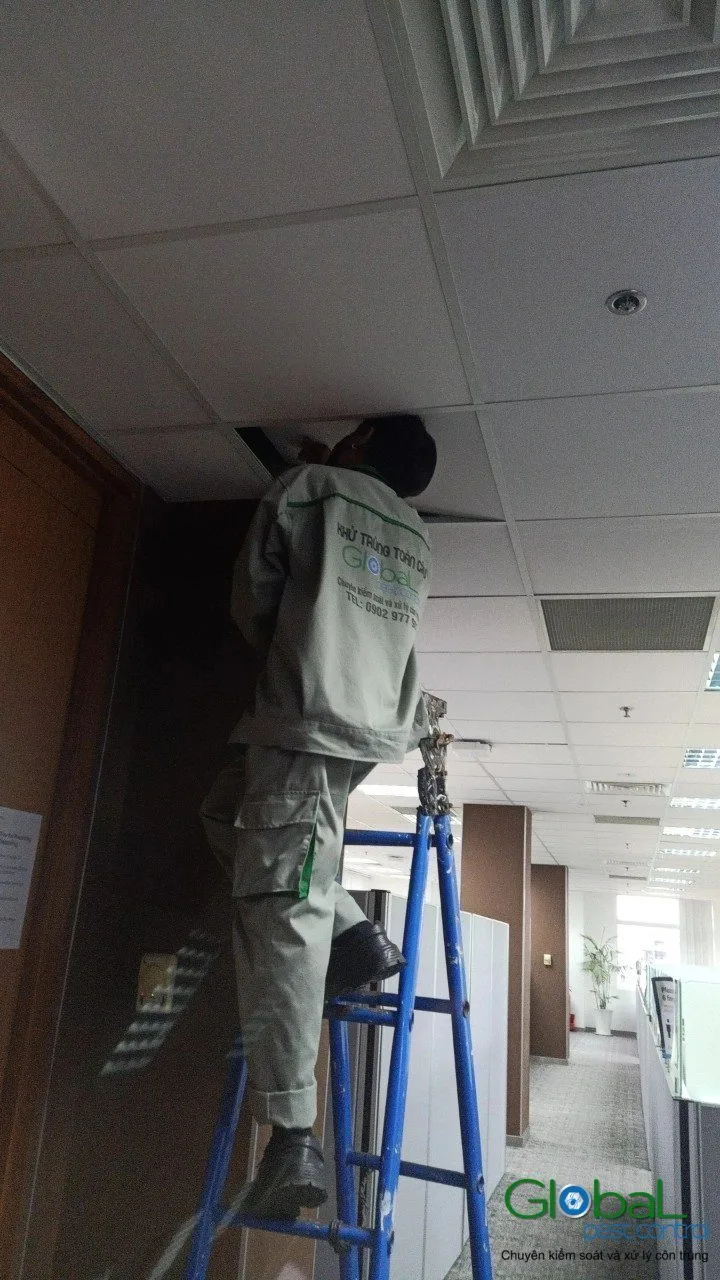
- Seal every pipe and cable penetration. Waste, water, gas, refrigeration lines, electrical conduit. Each one is a hole into a void, and each is trivial to close while the wall is open.
- Close the gap under external doors. A house mouse passes through 6 mm; a brush seal or a threshold strip removes the commonest rodent entry a restaurant has.
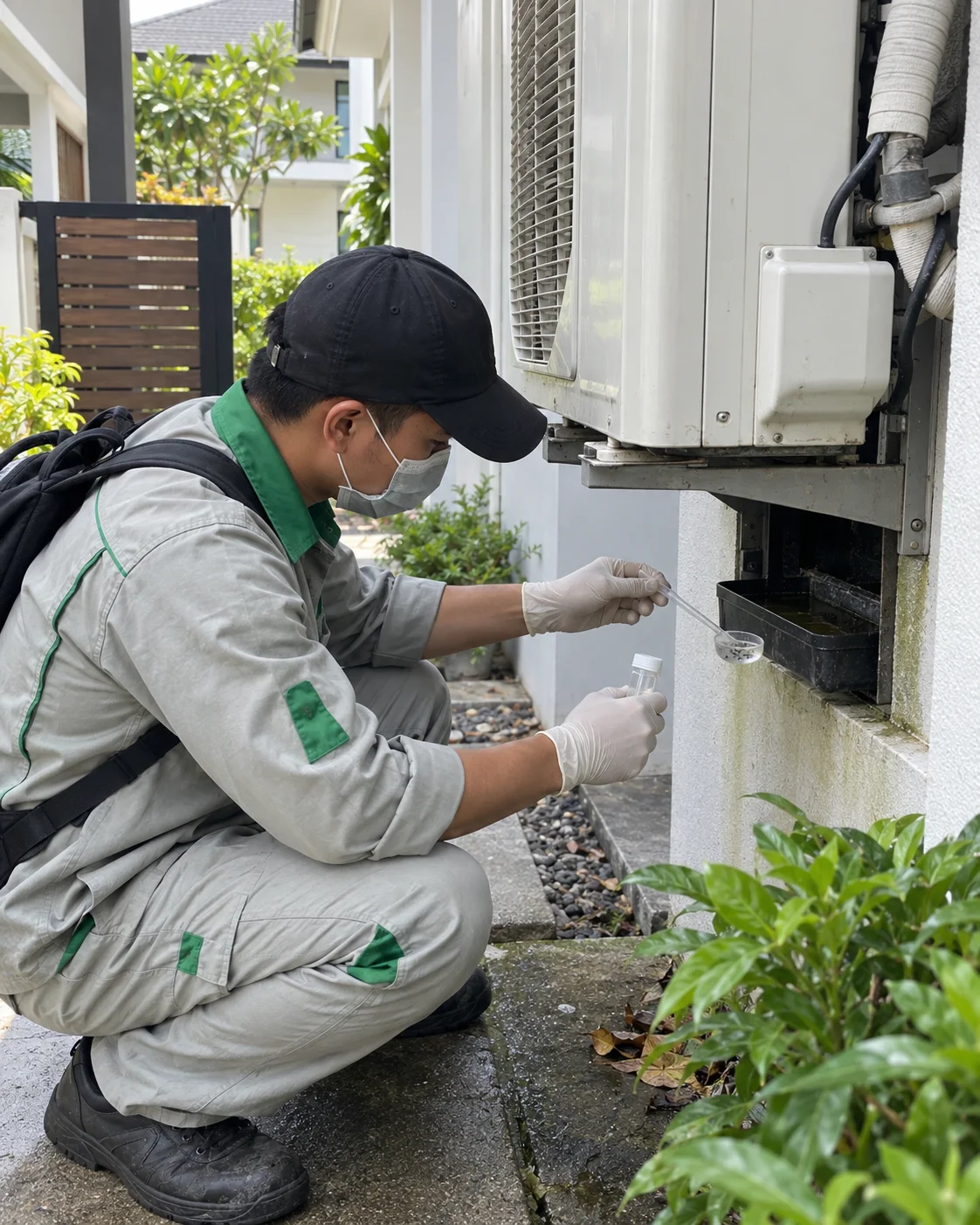
- Check the drainage falls before the floor is finished. Water that sits is water that breeds, and a floor gully that never fully drains is a permanent fly site.
- Specify floor gullies with removable baskets rather than fixed grates. If a gully cannot be opened and cleaned, it will not be cleaned.
- Leave 150 mm of clear floor under fixed units, or seal them to the floor completely. The one thing that does not work is a 30 mm gap nobody can reach into.
- Do not build a void you cannot open. Boxed-in pipework with no access panel is a permanent harbourage with a warranty on it.
The cold room and the hot line
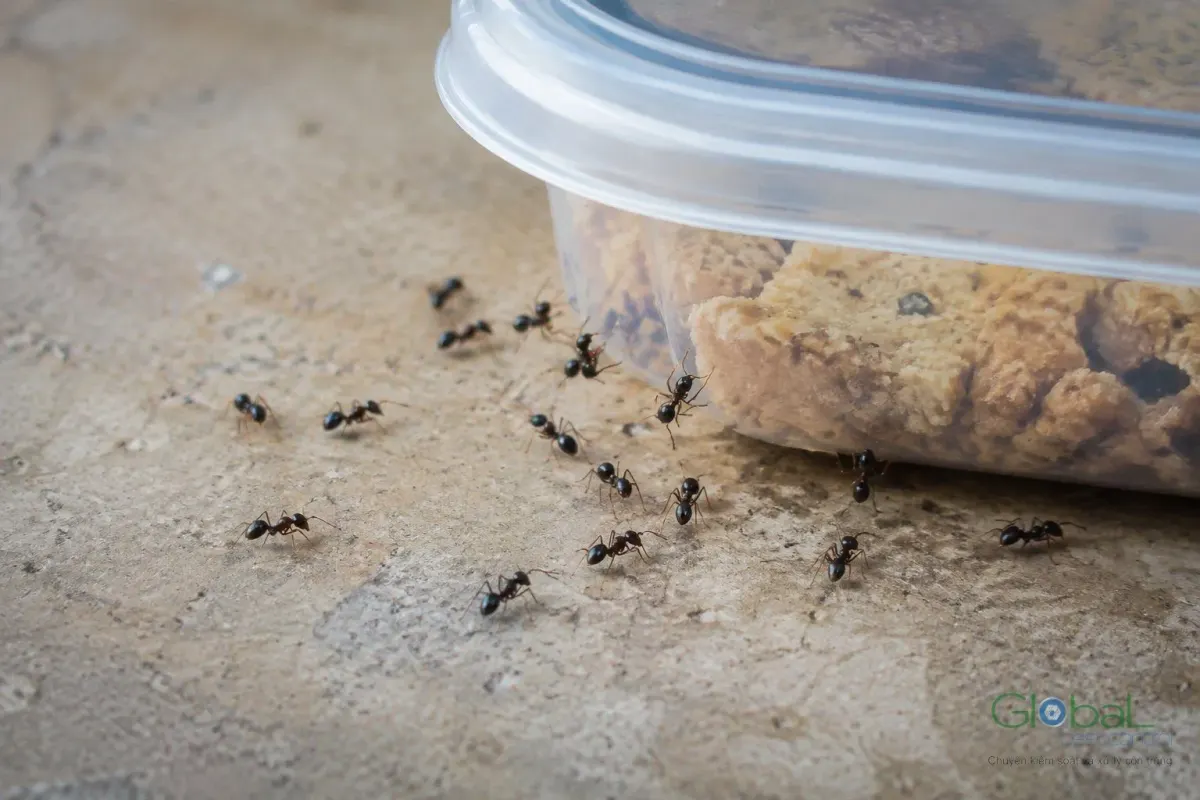
Two areas produce most of the recurring complaints in a Vietnamese kitchen, for opposite reasons. The cold room seal and its condensate drain create a permanently damp strip along the door line; if the drain discharges into an open gully inside the kitchen, that gully is running twenty-four hours a day. The hot line generates grease that migrates into every joint within two metres, and the plinth beneath it is warm, dark and inaccessible.
Specify both with cleaning in mind: a cold room drain that discharges to a trapped, accessible point, and a hot line on legs rather than a sealed plinth, or a plinth fully sealed with no cavity at all.
Waste and delivery, which is where the pressure comes from
In this city the bin store decides more than the kitchen does. A restaurant generating waste in the evening in a dense district is feeding everything within a hundred metres unless the store is enclosed, the lids close, and collection is frequent. Plan for bins that fit with the lid shut, a hosable floor, and a door that seals — and put the store as far from the kitchen entrance as the layout allows.
Deliveries are the other half. Cartons arriving from a warehouse carry stored product pests, and the first place they are set down becomes the transfer point. Keep a metre of clear, inspectable floor inside the delivery door and never let it become storage.
What to put in your first month of records
- A numbered site plan showing every monitor and bait station, drawn before you open.
- A baseline inspection report dated before the first service is cooked.
- Product registration certificates and safety data sheets from whoever treats the site.
- A monitor reading log — even if every reading is zero, especially if every reading is zero.
- The name of one person on your team who is responsible for reporting sightings.
The three things new operators skip
Almost every new restaurant we survey has skipped the same three. The drain schedule — gullies and grease traps need a defined cleaning cycle written down, not "when it smells". The staff briefing — ten minutes on where to look and who to tell, given once, changes how fast problems surface. And the neighbour question — if the unit above, below or beside you is also food, your pressure is partly theirs, and that is worth knowing before you sign rather than after.
What this costs
A pre-opening treatment and proofing survey on an empty shell is at the low end of commercial pricing because there is no equipment to work around and no trading hours to work outside. It is the cheapest visit the site will ever have, and it is the one that sets the baseline. Indicative ranges are on the price list, and the restaurant programme sets out what an ongoing contract covers.
Global Pest Control is the English-language arm of Khử Trùng Toàn Cầu, based in Thu Duc City. Survey, quotation and every report in English; the conversations with your landlord, your waste contractor and the authorities in Vietnamese. Vietnamese-language services are at khutrungtoancau.vn.
The order of work, if the budget is tight
Not every operator can do all of it before opening, so this is the order that returns the most for the least. Proofing first — penetrations, door thresholds, and any void you can still close. It is permanent, it needs no repeat visit, and it is the only item that gets harder every week you delay. Drainage second — falls, removable baskets, trapped discharges. Baseline treatment third, because an empty shell rarely needs much. Monitors last, once you know where the equipment will actually stand.
An operator who does only the first two has removed most of the recurring cost of the next three years. An operator who does only the third has bought one quiet month.
Related reading
For the ongoing programme once you are trading, see the restaurant programme. For the records an auditor or a delivery platform will ask for, see HACCP pest control records and the food safety audit file. If your unit sits under apartments, living above a restaurant or café explains what your neighbours will experience.
Common questions
How early should the first pest visit be?
When the shell is finished and before the equipment is installed — usually two to four weeks before opening. That is when the penetrations are visible, the floor is accessible and the proofing work is quick. A second visit just before opening confirms the baseline once everything is in.
We are taking over a unit that was already a restaurant. Is this list still relevant?
More so. Ask the previous operator for their pest records; their absence tells you something. Then treat the handover as a fit-out anyway: open what can be opened, inspect the voids, and get a dated baseline before you trade, because from that day the site history is yours.
Do we need a contract from day one, or can we wait?
For a food business, from day one. Not because the site has a problem yet, but because the record starts on day one and a gap at the beginning is the gap an auditor asks about. The first months can be a light schedule; what matters is that it is continuous.