New Buildings: What Goes Wrong in the First Two Years
Residents moving into a new tower reasonably expect the fewest pest problems they will ever have. Modern drainage, sealed construction, new finishes and no accumulated history.
What actually happens in the first two years is a distinct and predictable set of issues, none of which are defects in the usual sense and all of which resolve.
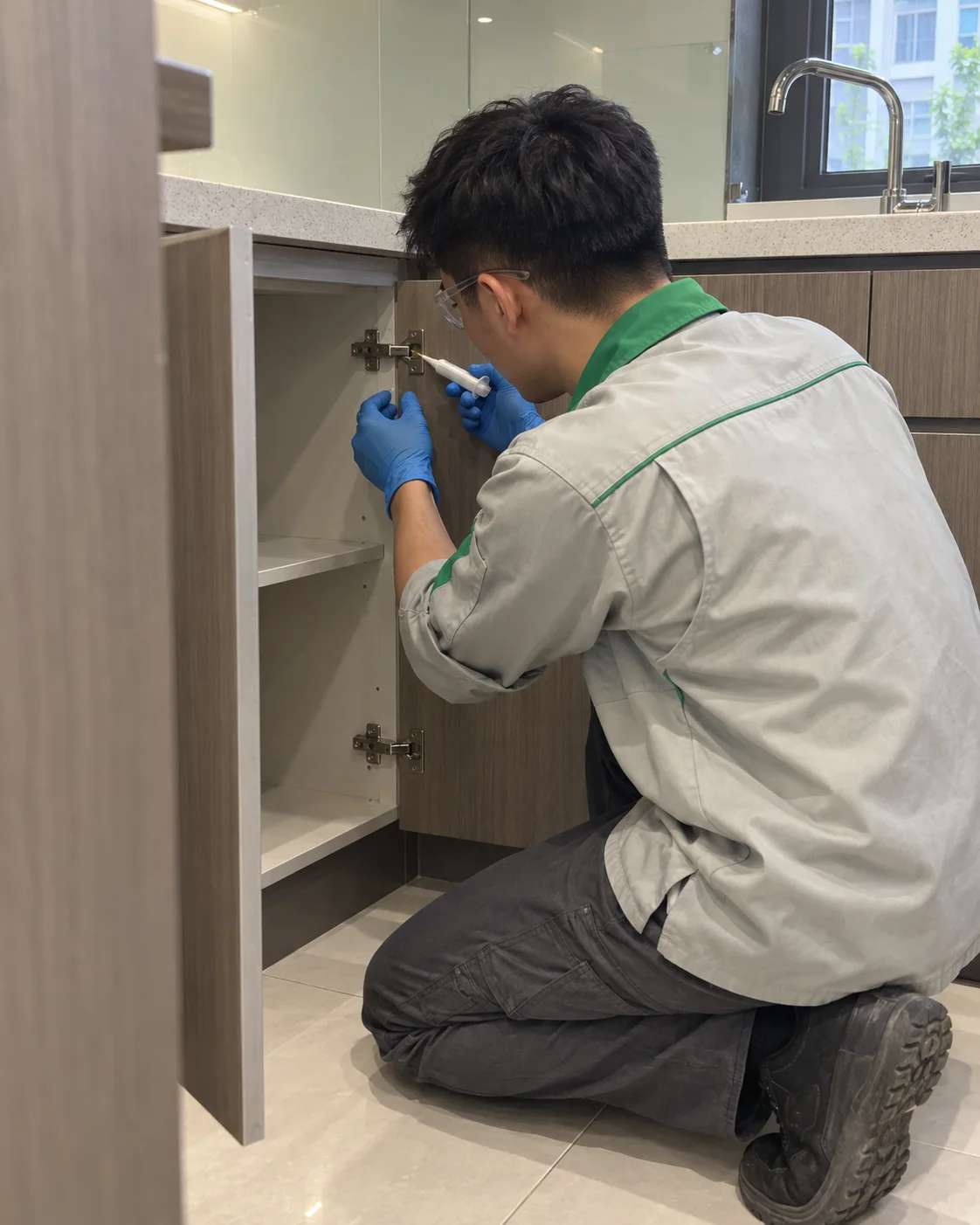
Construction moisture
New concrete and plaster release moisture for a long time — a year or more in a large structure. In a humid climate that produces surface mould on walls and inside cupboards, and where there is mould there are booklice.
This is by a wide margin the most common complaint in a new building here, and it is genuinely temporary. Ventilate, run a dehumidifier where it is severe, and expect it to fade as the structure dries. If it persists into a third year, that is worth investigating properly.
Fit-outs, which never all finish at once
A tower is occupied floor by floor while other floors are still being fitted out. Each fit-out generates cardboard, timber offcuts, waste, and workers who prop doors open, and each one drills penetrations that may or may not be sealed afterwards.
That is why a building can be pristine on floor six and have a problem on floor seven, and it is why the first two years of a building\x27s pest history rarely resemble its third.
Landscaping arriving with its own residents
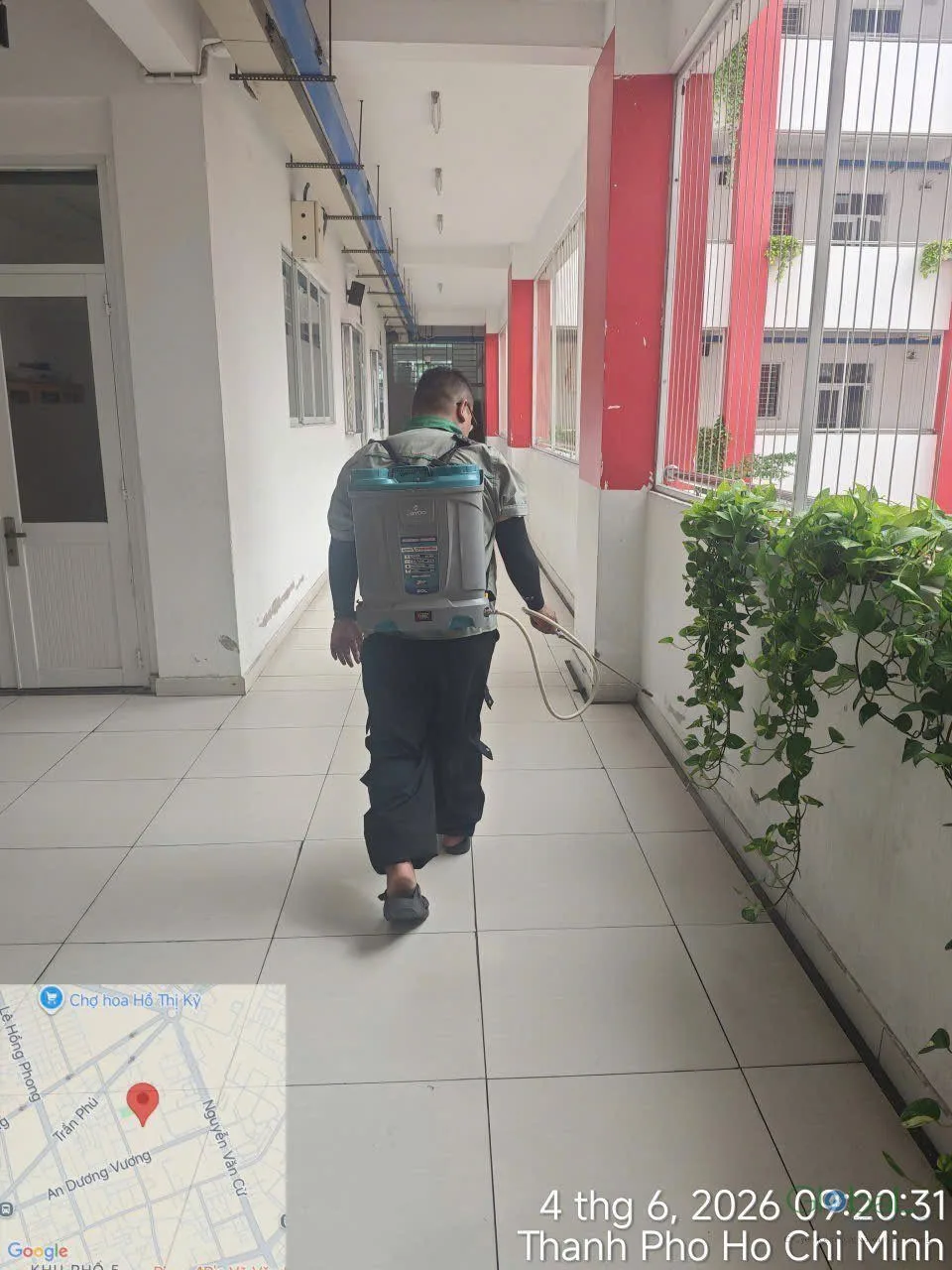
Podium gardens are planted with mature stock brought in from nurseries, and soil, root balls and mulch arrive with ants, occasionally termites, and whatever else was living in the nursery bed.
New landscaping is also irrigated heavily while it establishes, which means permanently damp soil against a building for the first year. Ant complaints in a new tower are very often traceable to the podium planting rather than to anything indoors.
Commissioning gaps in the drainage
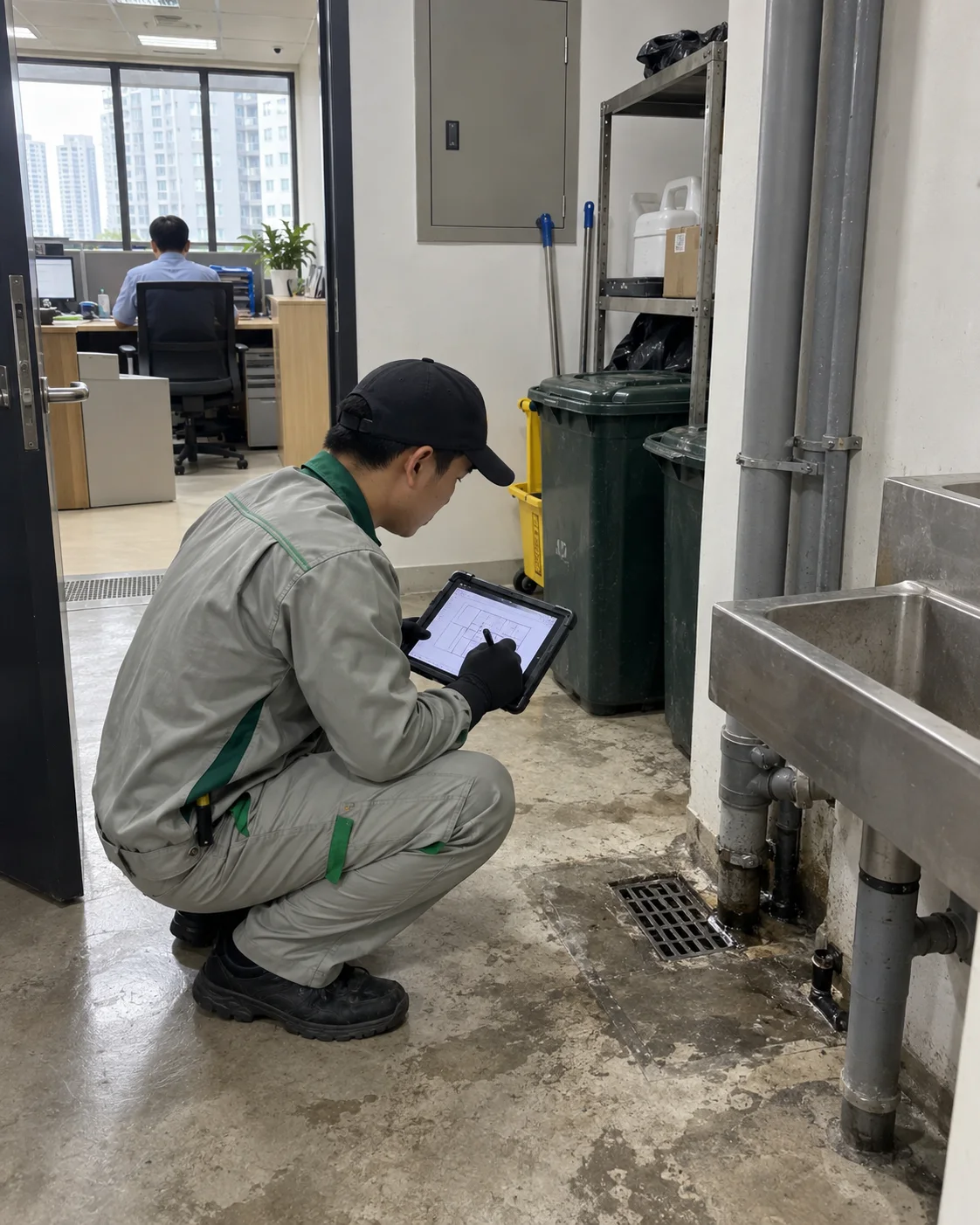
Floor traps in unsold or unoccupied units dry out completely, and a building with thirty empty apartments has thirty open connections into the drainage stack. That is the usual explanation for large cockroaches appearing in a brand new building where nothing should yet have established.
Management can resolve it cheaply by running water through empty units monthly, and it is worth asking whether anyone does.
The commercial ground floor
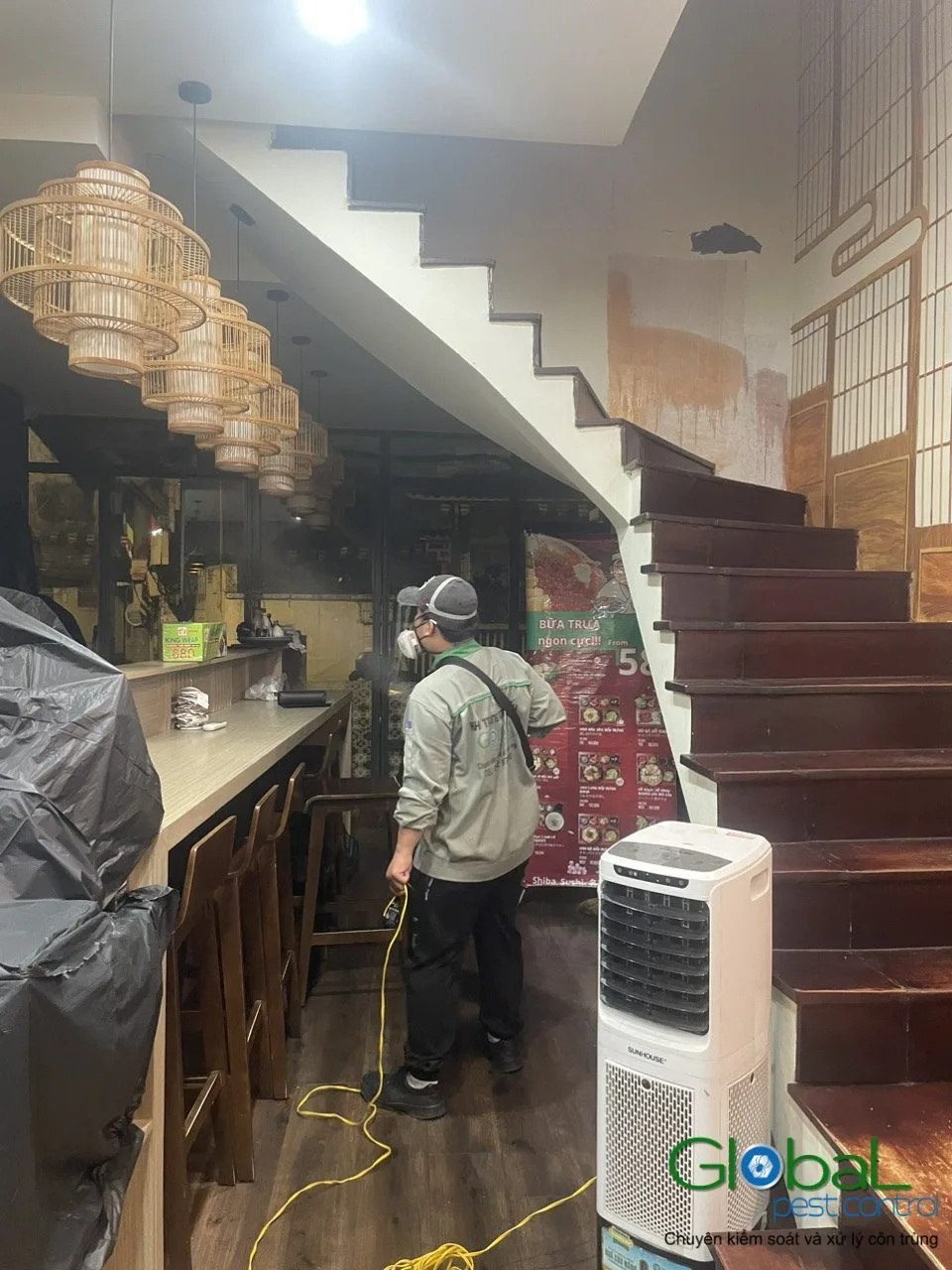
The retail and food units at the base of a new tower usually open later than the residential floors, and their fit-outs are the most disruptive of all — grease traps commissioned, drainage connected, deliveries beginning. A residential building that was quiet for a year frequently changes character when its ground floor food units open.
What a new building does well
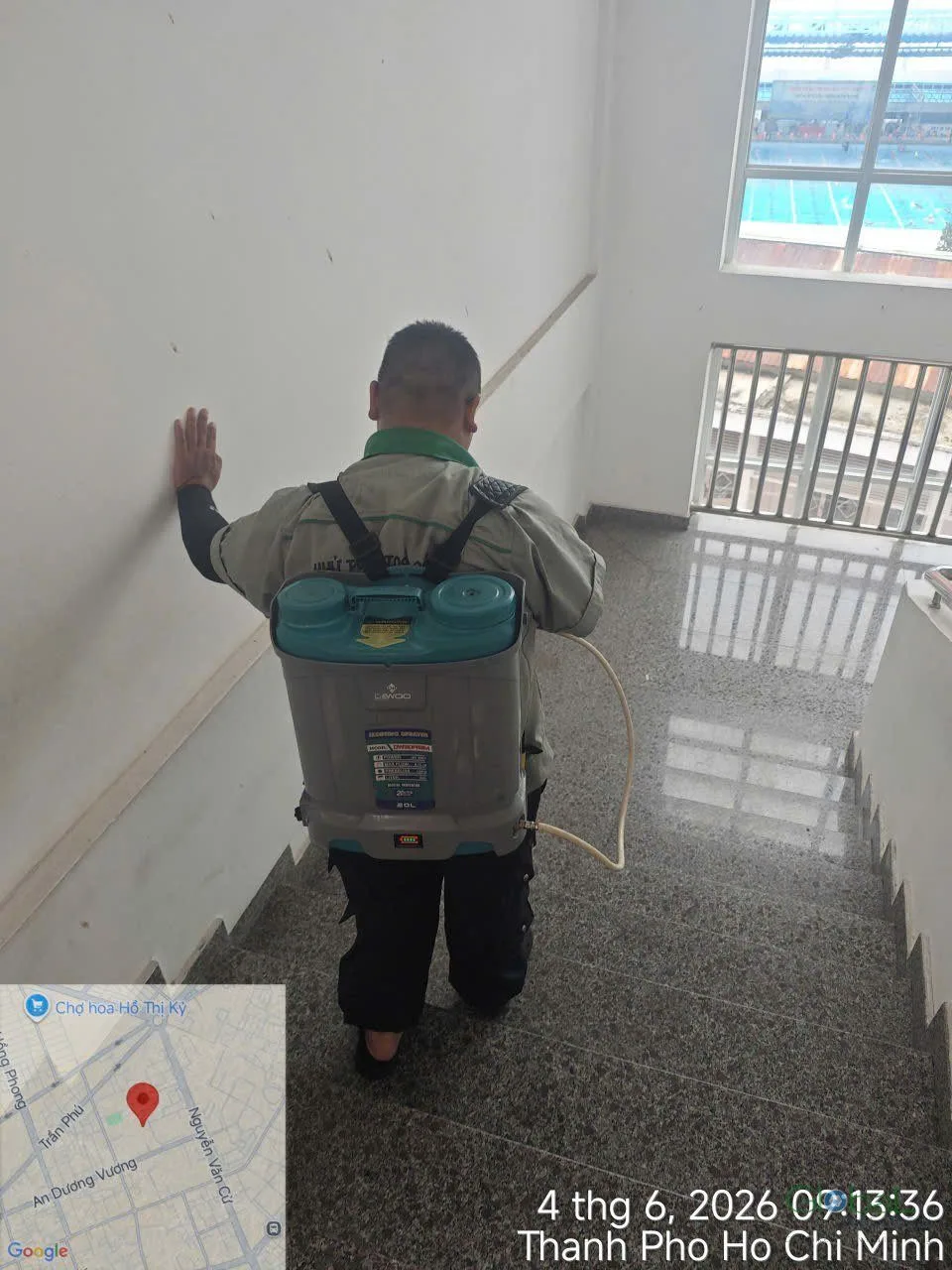
Drainage is sound, penetrations are documented, riser doors close, and the building has a management company with a maintenance budget and a warranty period. All of that makes problems easier to resolve than in an older building, provided somebody raises them while the defects liability period is still running.
That period is the single most valuable window a new building has, and it is routinely allowed to expire without anyone raising the pest-relevant items.
The waste system is the other thing that takes time to settle. A new building often opens with a collection schedule set for full occupancy and an actual occupancy of thirty per cent, or the reverse, and either mismatch shows up as bins standing full in a bin store. It is worth watching for the first year and raising as a scheduling question, because it corrects easily and it is the largest single food source in the building.
What to raise during the warranty period
Unsealed riser penetrations on your floor. Floor traps that do not hold water. Gaps under corridor and riser doors. Missing mesh on water tank vents and overflows. Landscaping soil piled above the damp-proof course. Each of these is a defect with a contractor still on the hook, and raising it in month ten costs nothing while raising it in year three costs a management fee.
Related reading
See construction next door and silverfish, booklice and damp. On the routes, service risers and building drainage. Landscaping is covered in rooftop gardens and green walls. Our parent company works with new developments in Vietnamese through its commercial programme.
Global Pest Control is the English-language arm of Khử Trùng Toàn Cầu, based in Thu Duc City.
Common questions
Tiny insects appeared on our walls three weeks after moving in. Is the building defective?
Almost certainly not. Booklice feeding on surface mould from construction moisture are a normal feature of a new building in this climate, and they resolve as the structure dries. Ventilate, use a dehumidifier if it is heavy, and give it time. Persisting past two years would be a different conversation.
Should a new building need a pest contract at all?
A light one, yes, mainly for the common areas, the basement, the bin store and the ground-floor commercial units. Individual apartments in a new tower often need nothing for the first year or two. What matters more is that somebody is monitoring rather than treating, so a problem arising from a fit-out is caught while it is still on one floor.
Large cockroaches in a brand new apartment. How?
The drains, essentially always. Either your own traps have dried out, or empty units on your stack have dried out and the stack is open at several points. Fill yours, and ask management whether anyone is running water through the unoccupied units — that question resolves this surprisingly often.