Rooftop Water Tanks and Mosquito Access
Residents who have removed every saucer from their balcony and still have mosquitoes are usually not wrong about their own flat. They are missing a container several floors above them that holds more water than every balcony in the building combined.
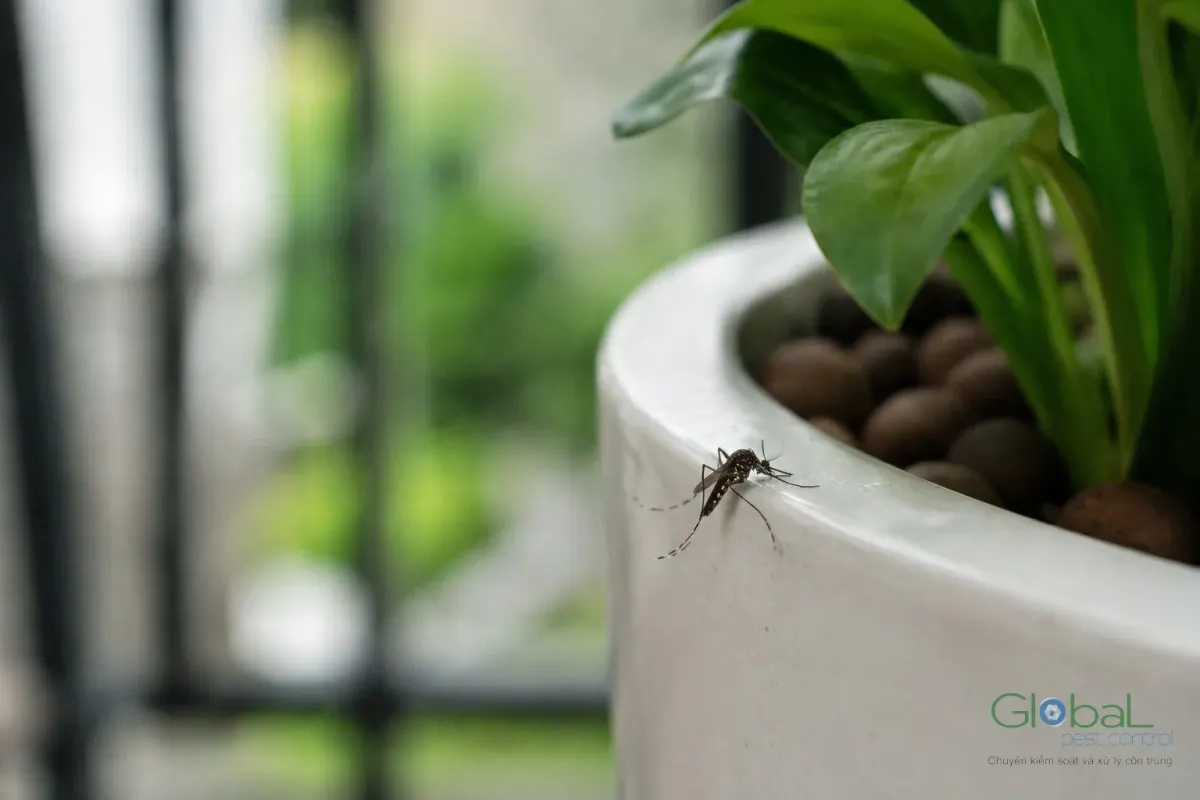
Rooftop and podium water tanks are clean, still, permanently full, shaded, and — in a great many buildings here — not properly sealed. For a container-breeding mosquito that is not a marginal habitat. It is ideal.
Why a tank beats every other site
Small containers dry out, get emptied, get knocked over. A tank does none of those things. It also has a large internal wall area above the water line, which is exactly where Aedes lay their eggs, and those eggs survive dry periods for months and hatch when the level rises again.
The result is that a single unsealed tank can maintain a population through the dry season, when every other site in the building has gone. Then the rains arrive, the population is already established, and everyone assumes the rain caused it.
What to look at on a roof
- The lid or hatch. Does it seat flat, is the gasket present, is it latched, has it been left ajar by a maintenance visit.
- The overflow pipe. An open-ended overflow is a direct entrance. It needs fine mesh.
- The vent. Same problem, same fix.
- Around the tank. Puddles on a flat roof, an unused sump, a builders bucket, a blocked roof drain.
- Old tanks left in place when a new one was installed — these are frequently uncovered and forgotten entirely.
Mesh, not just a lid
The overflow and vent are the parts that get missed, because a closed lid looks like a sealed tank. Stainless mesh of about 1 mm aperture over both, fixed with a clip so it can be removed and cleaned, is the whole fix. Plastic insect screen degrades in ultraviolet within a year on a Ho Chi Minh City roof and then tears, which is worse than nothing because it looks sealed.
This is a maintenance item that costs very little and is essentially never budgeted, which is why it is worth asking about specifically rather than asking whether the tanks are maintained.
Shading matters as well as sealing. A black plastic tank in full sun heats through the afternoon and the water inside can pass the point where larvae develop comfortably, whereas a tank under a roof canopy or a stainless tank in shade stays in the range that suits them. That is not a reason to remove shade, but it does explain why two tanks on the same roof can behave differently.
The water quality question
An open tank is not only a mosquito question. It collects dust, leaves, bird droppings and occasionally dead animals, and in buildings where the tank feeds bathrooms and kitchens that matters for reasons well beyond pest control. When we raise tank sealing with a building committee, this is usually the argument that moves it, because it has an owner and a standard behind it.
The other frequent finding on a Ho Chi Minh City roof is the lift motor room and the plant enclosure beside the tanks. Both are enclosed, warm and entered only by contractors, and both often have a floor drain that has been dry for years.
Larviciding where sealing is not immediate
Where a tank cannot be sealed quickly — a shared tank, an access problem, a budget cycle — the interim measure is physical: close-fitting mesh over every opening, a cover on the access hatch, and flushing and cleaning the tank to remove larvae already in it. Nothing chemical and no larvicide goes into water used for drinking, cooking or washing; in Vietnam, larvicides such as Bti are registered only for water that is not used for household purposes. These measures are not a substitute for a lid, and any programme that relies on them indefinitely has quietly accepted a recurring cost instead of a one-off fix.
Raising it with building management
The conversation goes better with three things: a photograph of the specific defect, a named location, and a request that is a maintenance task rather than a complaint. "The overflow pipe on tank 2 has no mesh" is actionable. "There are mosquitoes in the building" produces a fogging contract, which will not help, and which will be repeated monthly at cost while the tank keeps producing.
Related reading
The apartment-level version is in balcony planters, and the full survey in mosquito breeding sites around your home. For the species see our mosquito guide and Aedes and Culex compared. For responsibility, what building management covers. Our parent company runs the Vietnamese-language mosquito control programme for residential buildings.
Global Pest Control is the English-language arm of Khử Trùng Toàn Cầu, based in Thu Duc City.
Common questions
I am a tenant. Can I get onto the roof to check?
Usually not, and you should not try. What works is asking building management in writing for the date of the last tank inspection and whether the vents and overflows are meshed. A specific written question tends to produce either an answer or an inspection, and either of those is progress.
Would fogging the roof solve it?
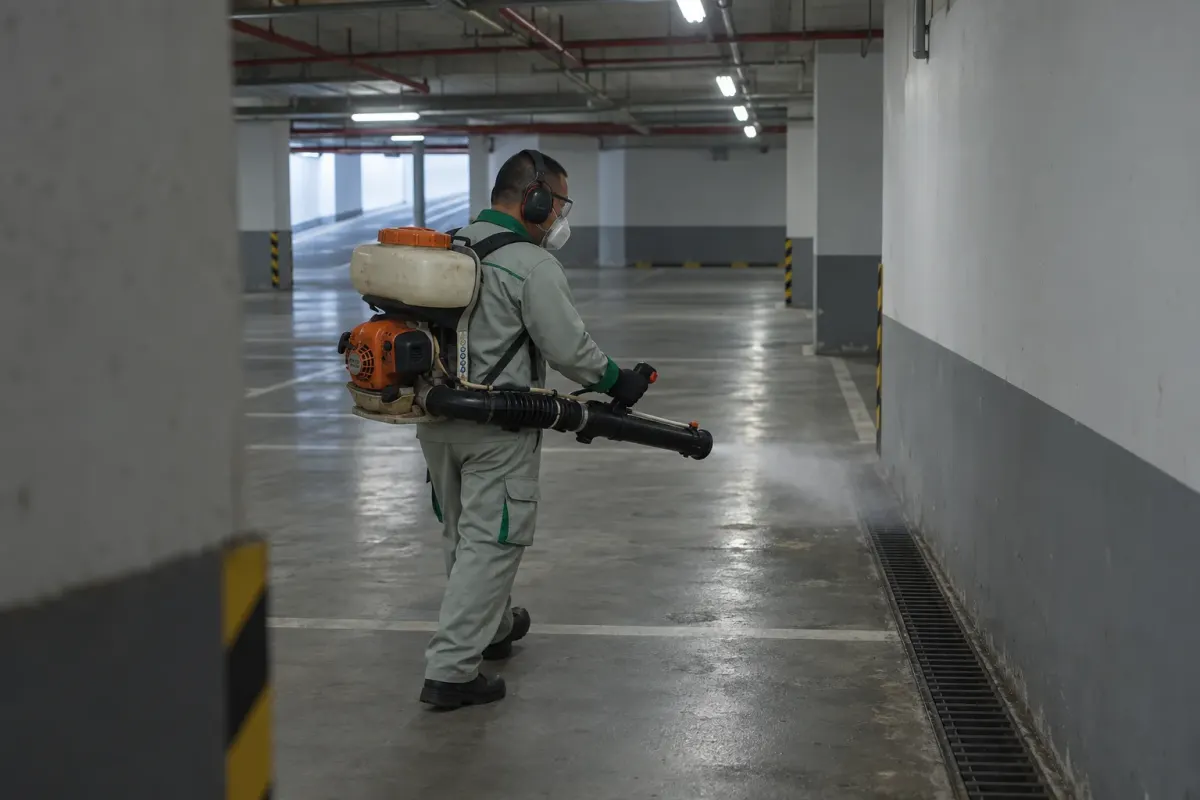
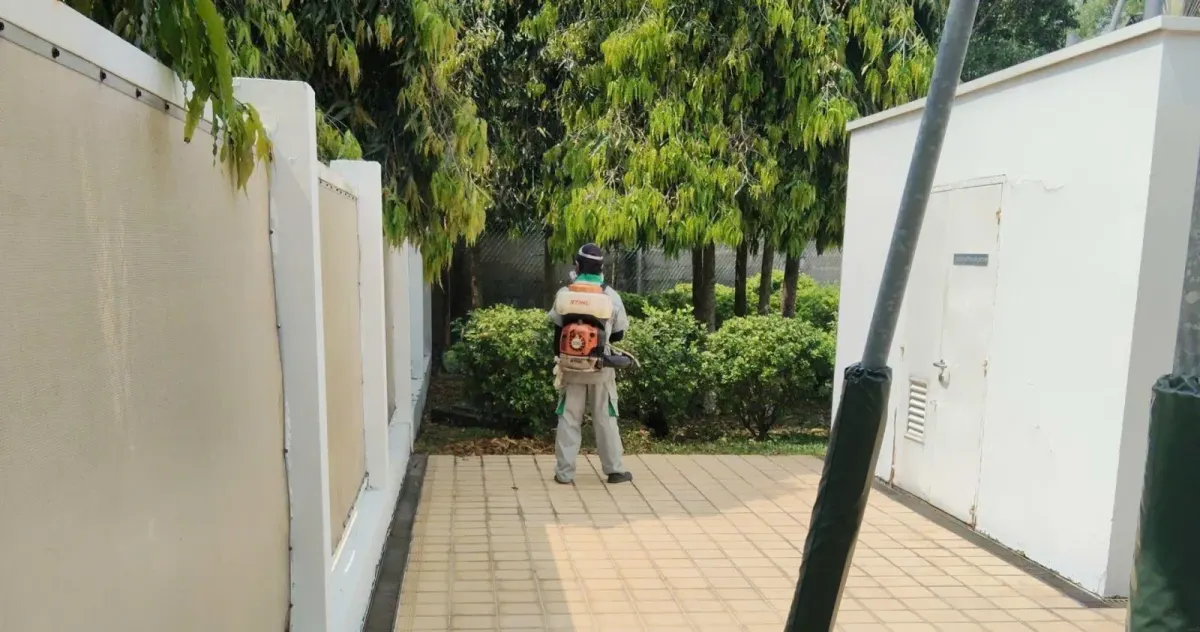
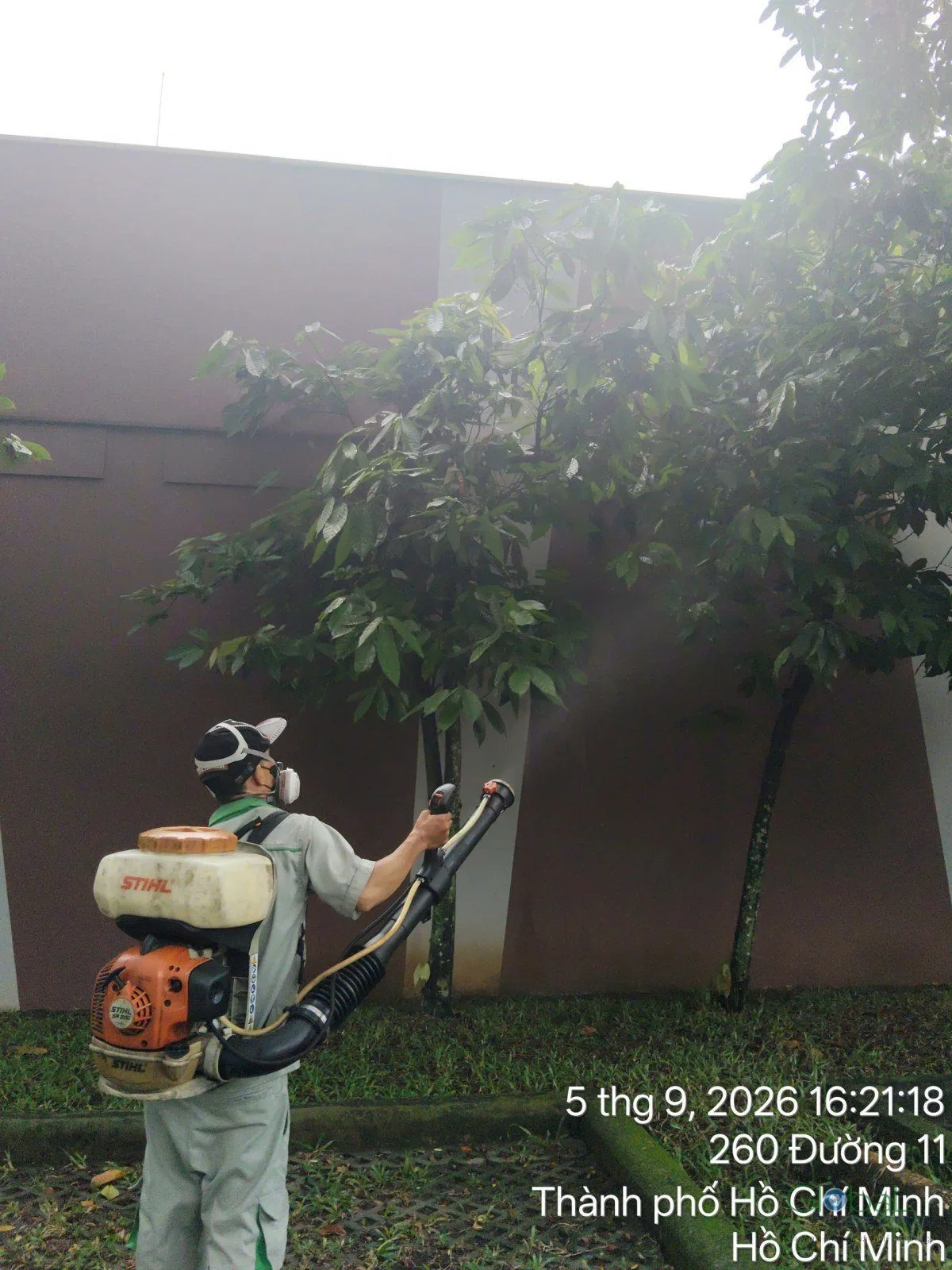
No. Fogging kills adults present at that moment and has no effect on larvae in the tank, so the tank produces a new generation within days. Fogging a roof is the clearest example we see of money being spent on the visible half of a problem.
Does a covered tank still need checking?
Yes, twice a year. Lids get left open after maintenance, gaskets perish in the heat, and mesh tears. A tank that was sealed correctly three years ago is not necessarily sealed now, and the failure mode is invisible from ground level.