Preparing for a Food Safety Audit: The Pest Control File
Auditors work from the file to the floor. They read the documents, form a picture of what should be there, and then walk the site to test it. Most findings come from the gap between the two rather than from insects being present.
These four come up more often than anything else in Vietnam, and all four can be closed before an audit rather than during one.
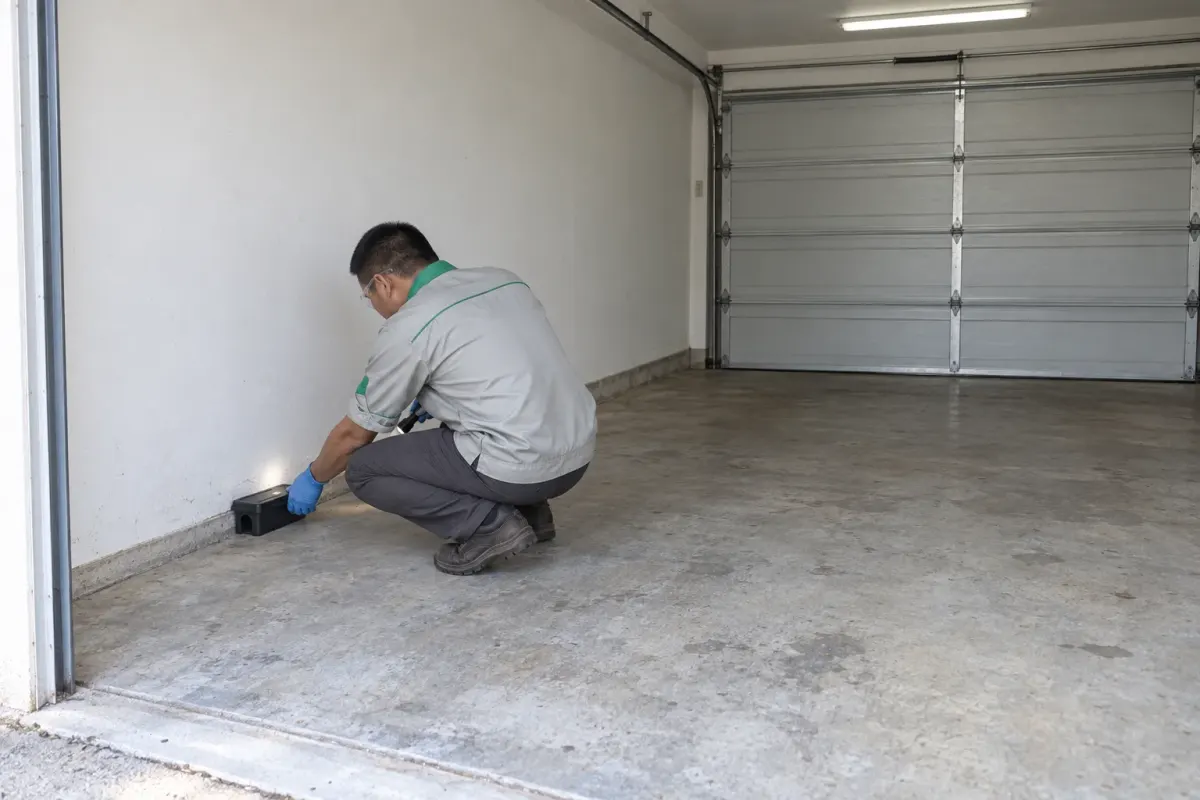
One: devices not numbered or not matching the plan
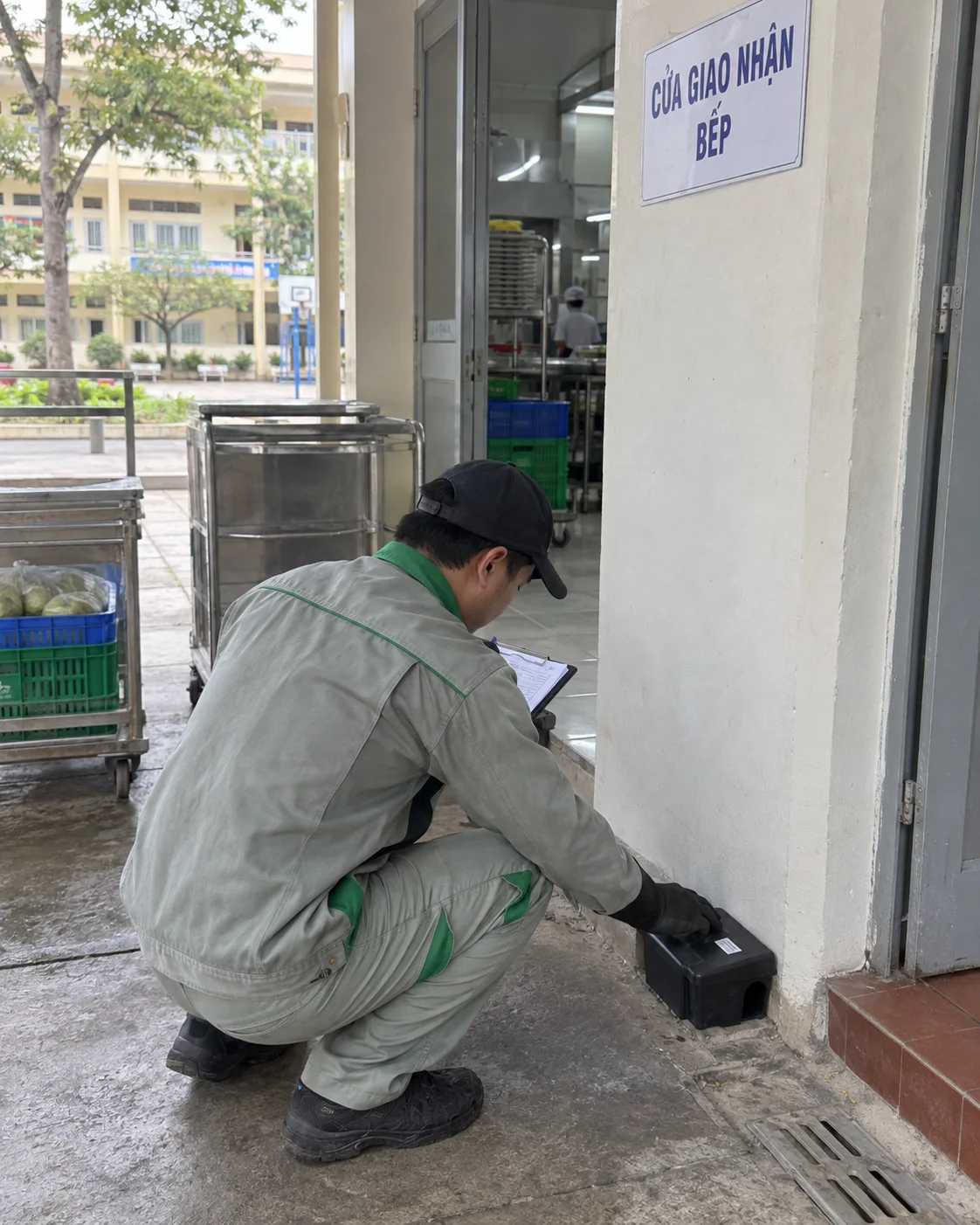
A bait station in a corner with no number on it, or a plan showing sixteen devices when eighteen are installed, is an immediate finding. It means the system cannot be verified.
Fixing it is an afternoon: number every device physically, update the plan, and check the two match by walking the route with the plan in hand.
Two: corrective actions raised and never closed
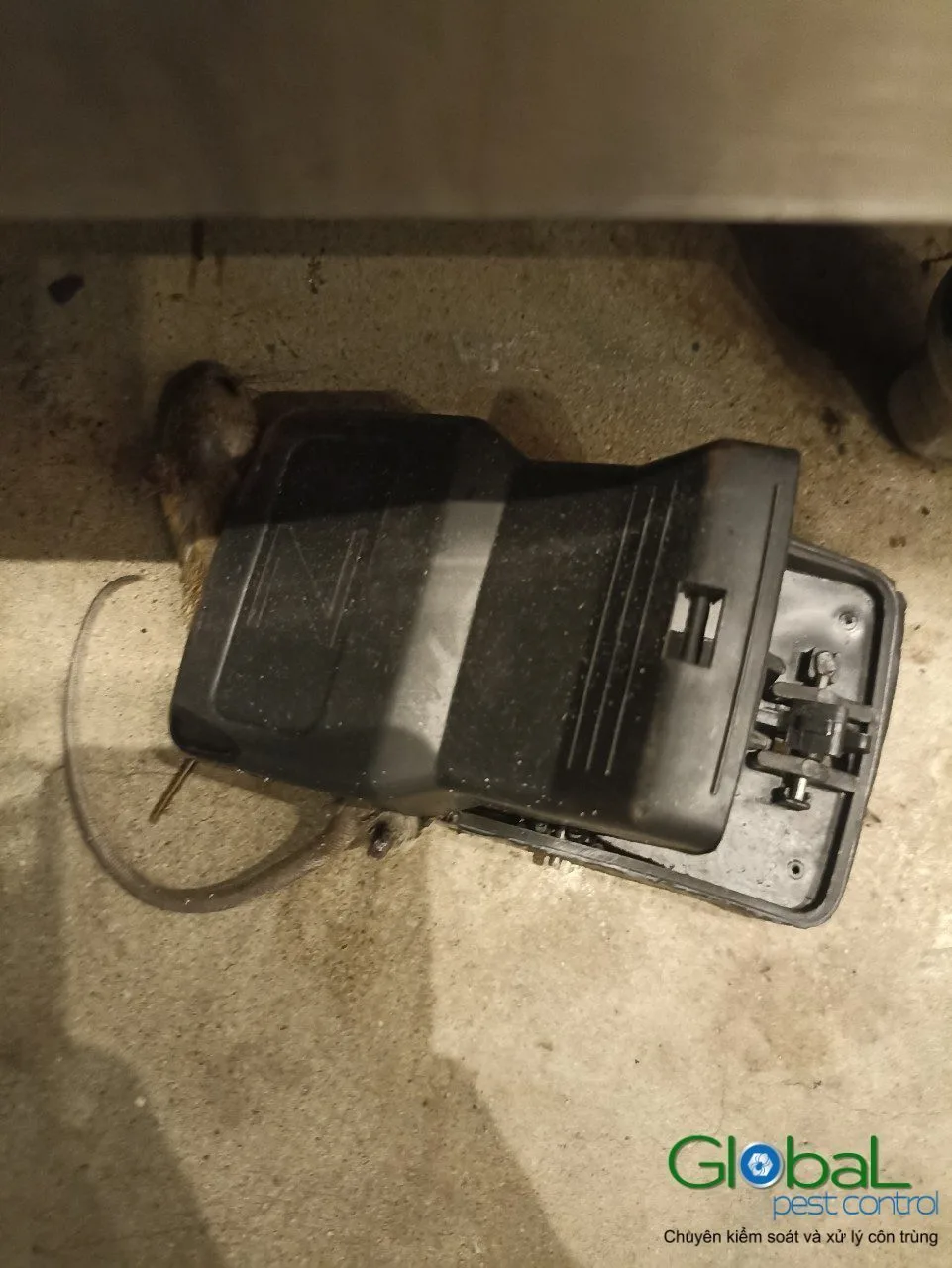
The service report says "evidence of rodent activity in dry store, recommend proofing". Three months of reports say the same thing. Nothing in the file says anything was done.
Auditors read repeated findings as a management failure rather than a pest problem, and they are right to. Each recommendation needs an owner, a date and a closing entry.
Three: gaps in the building fabric
- Gaps under external doors, particularly goods-in and refuse doors
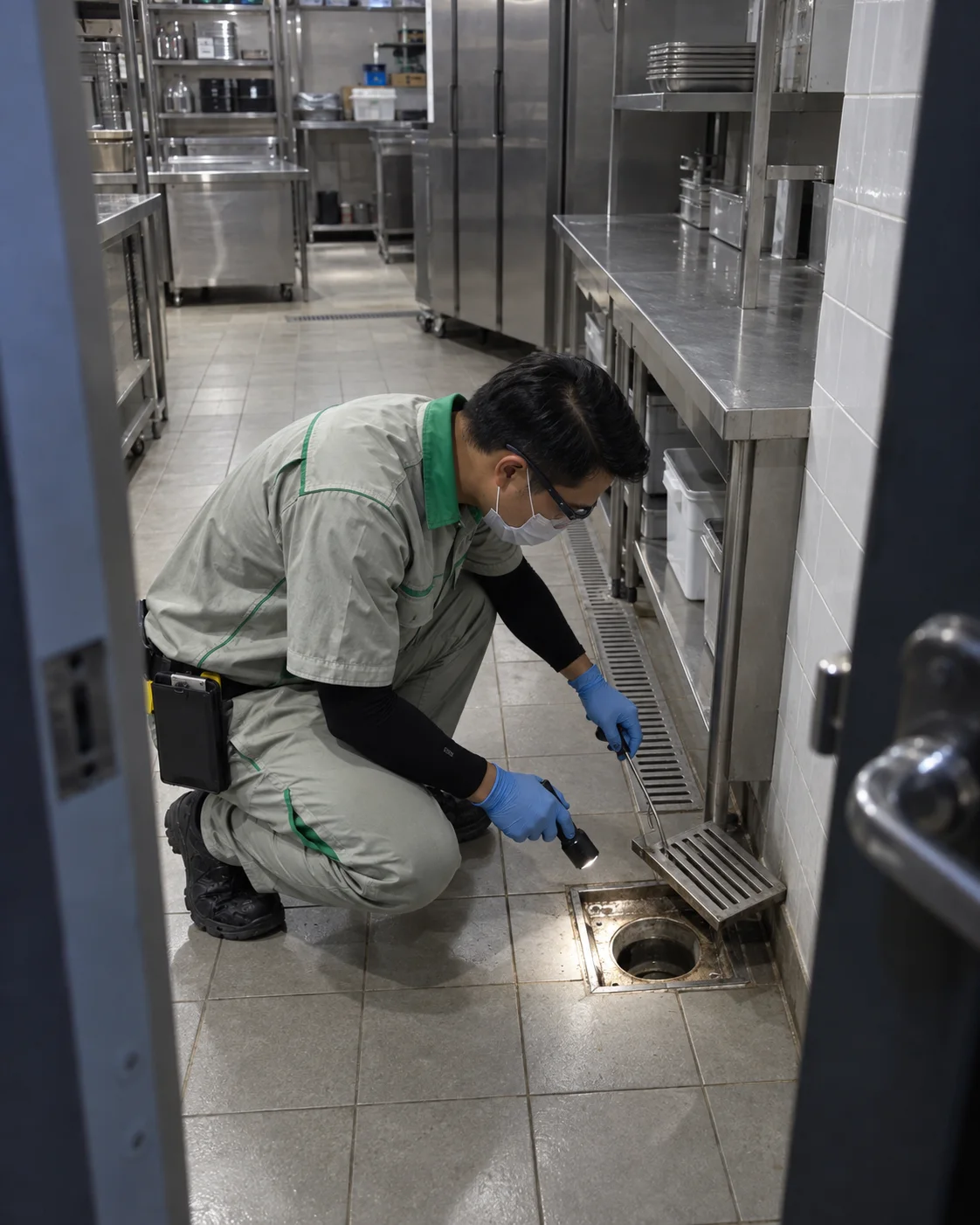
- Damaged or missing drain covers
- Unsealed pipe and cable penetrations through external walls
- Broken fly screens, or windows that open without screens
- Gaps around roller shutters at the sides and base
These are inexpensive to correct and are the most frequently cited physical findings. They are also the ones a business can survey itself with nothing more than a torch and half a day.
Four: rodenticide used inside a food area
Toxic bait inside a production or storage area is a serious finding in most standards. The expectation is external bait stations around the perimeter, and non-toxic monitoring plus trapping internally.
If your contractor is placing bait blocks inside a dry store, that is a problem to raise before the auditor does.
A four-week preparation sequence
- Week one: walk the site with the plan; number devices; correct the plan
- Week two: read twelve months of service reports and list every open recommendation
- Week three: close the physical items — door sweeps, drain covers, sealing, screens — and record each with a date and a photograph
- Week four: assemble the file in order, check licences and product registrations are current, and do a dry run with someone who has not seen it
What good looks like on the day
A single file, in order, with a plan at the front. Numbered devices that match it. Twelve months of reports with every recommendation closed. A trend table someone can explain. And a manager who can say what the last three findings were and what was done about them.
That combination passes, even in a building with an old fabric and a difficult location.
The walk, and what auditors do on it
After reading the file, an auditor walks the site with it. They will pick two or three devices from the plan and go to find them. They will look at the goods-in door, the waste compound and the dry store. They will lift a pallet or look behind a rack.
Nothing about this is adversarial. They are testing whether the documents describe the building, which is the only thing a file can be checked against.
Findings that are recorded but not scored
- A single fly in a warehouse in the rainy season
- A gecko in an external corridor
- Ants outside the building envelope
- A catch count that rises seasonally and is documented as such
Auditors distinguish presence from failure. What is scored is a system that did not notice, or noticed and did nothing.
Between audits
The file is easiest to maintain monthly and hardest to reconstruct annually. Ten minutes when the service report arrives — file it, transfer any recommendation into the action log, update the trend table — keeps it permanently ready.
Sites that do this stop preparing for audits altogether, because there is nothing left to prepare. That is the actual goal, rather than passing any particular inspection.
Unannounced audits
More standards now include unannounced audits, which removes the option of preparing in the week beforehand. That sounds harder and is actually easier, because it forces the file to be maintained continuously rather than reconstructed twice a year.
A site that files each report on arrival, updates the action log the same day and keeps the plan current has nothing to do when an auditor appears. That is the only reliable preparation for an audit whose date you do not know.
Who should hold the file and answer for it
Name one person. In sites that struggle with audits the file usually has three part-owners: the contractor holds the reports, an administrator files them, and a manager answers the questions without having read them.
One named owner who receives each report, updates the action log and reviews the trend table monthly turns twenty minutes a month into a file that never needs preparing. It is the single organisational change that most improves audit outcomes.
Global Pest Control is the English-language arm of Khử Trùng Toàn Cầu. The same technicians and the same programmes are described on the Vietnamese pages on industrial programmes.
Book an inspection
Site inspections are free of charge and carry no obligation. A technician walks the property, identifies the species and the harbourage, and sends a written quotation with the method and the schedule — normally within one working day.
Request an inspection · See indicative prices · All services