One Technician or Two: What Team Size Tells You
A customer comparing proposals sees one company sending a single technician and another sending two, and reasonably wonders whether the second is more thorough or simply charging more.
Neither, usually. Team size follows from the work, and knowing what drives it lets you read a proposal more accurately.
When two is genuinely required
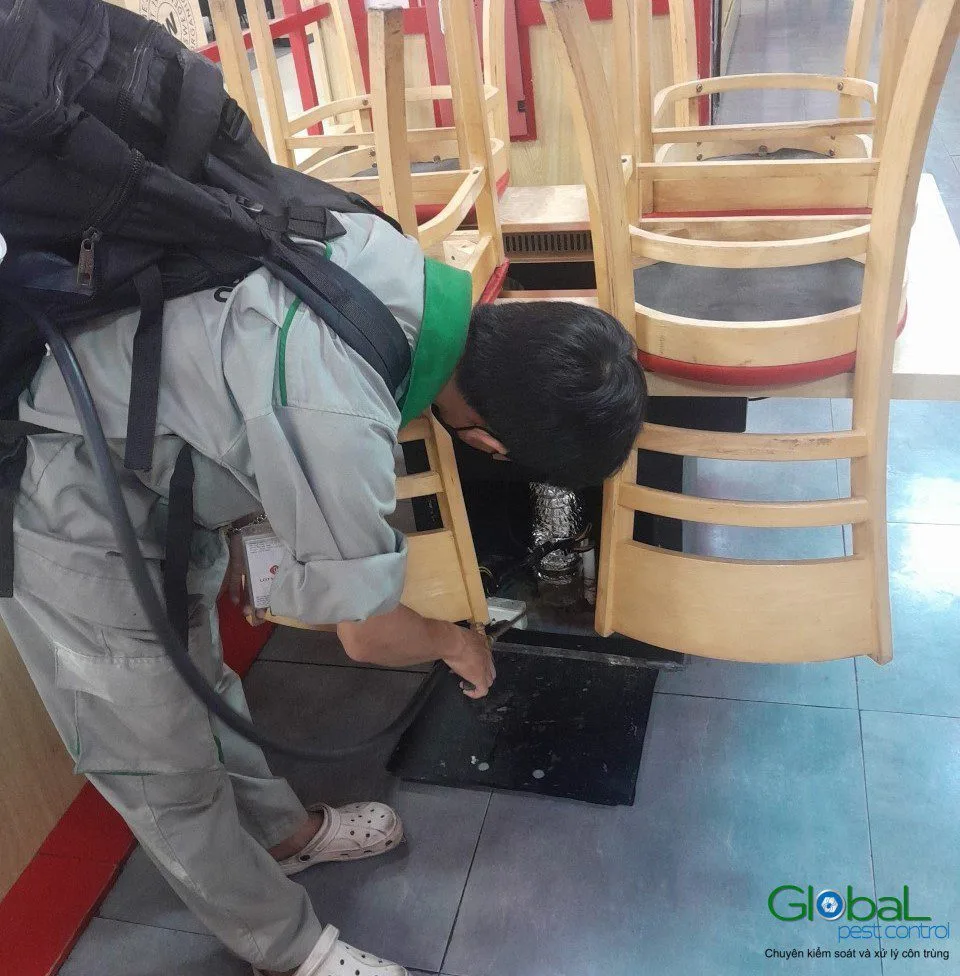
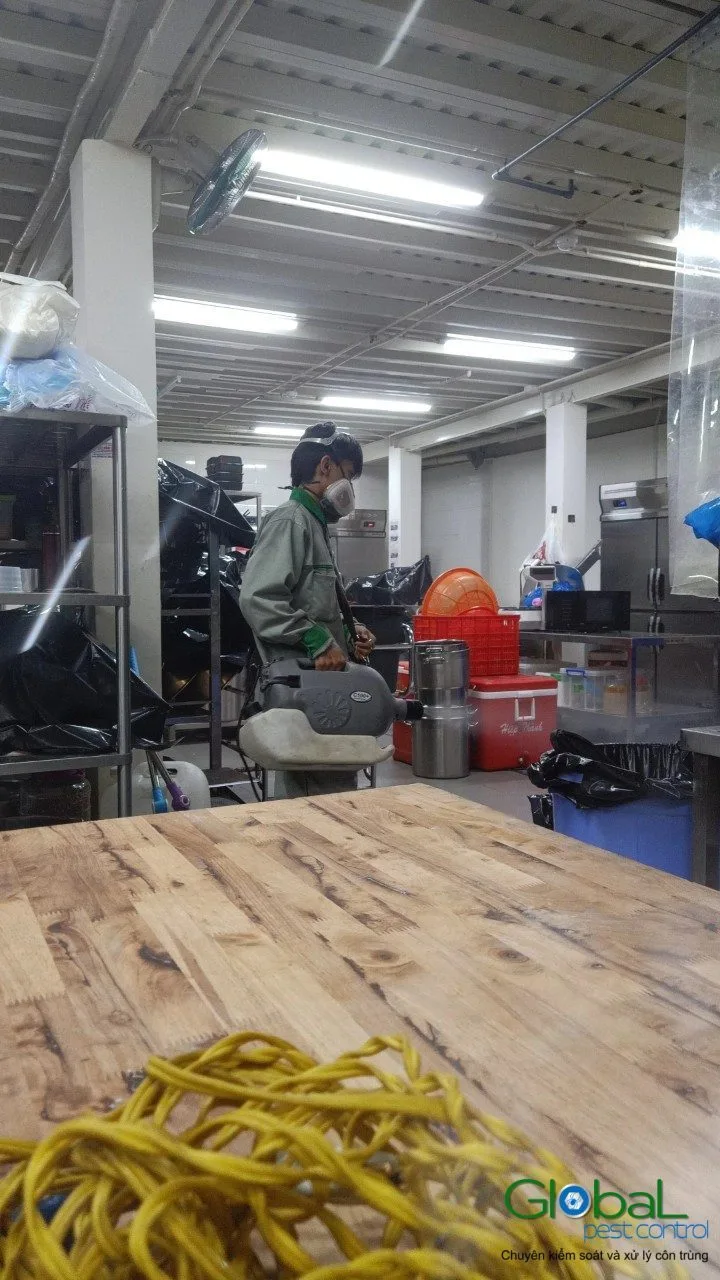
- Moving heavy equipment. A commercial fridge, a cooking range or a chest freezer is not a one-person job, and a visit that does not move them is not treating the productive space.
- Work at height. One person on steps and one footing them, for ceiling voids, light traps and riser landings.
- Large sites within a working window. A warehouse or a factory where the whole route must be walked during a shift break.
- Bed bug treatment of multiple rooms, where thoroughness per room is the whole job.
- Confined spaces, where a second person outside is a safety requirement rather than a preference.
When one is entirely appropriate
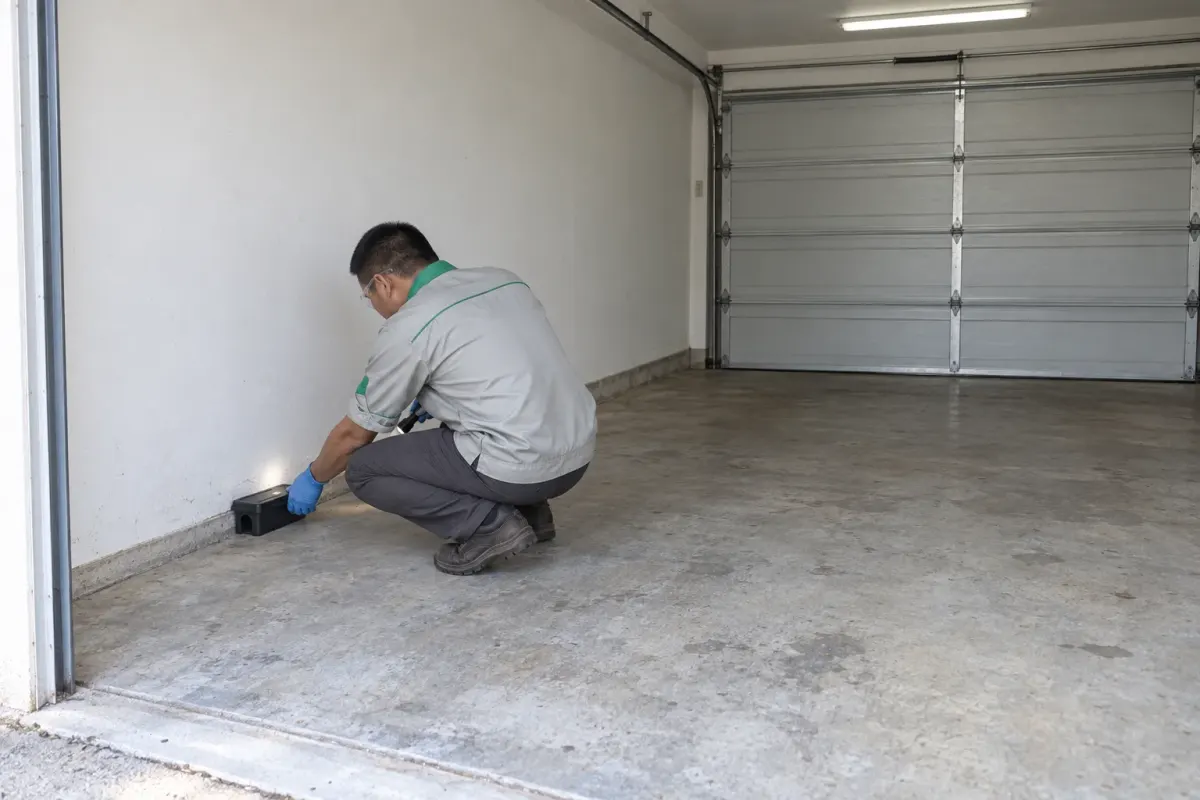
A routine apartment visit. A monthly office service. A follow-up visit where the survey is already done and the work is replenishing bait and checking monitors. A monitoring visit on a site with no current activity.
Sending two people to a one-bedroom apartment is not thoroughness; it is a scheduling artefact, and it should not appear on the price.
What actually indicates quality
Time on site, and what is done with it. A residential visit that takes forty minutes to two hours, with most of it spent inspecting rather than applying, is the signal. A fifteen-minute visit has not moved a fridge or opened a cabinet regardless of how many people arrived.
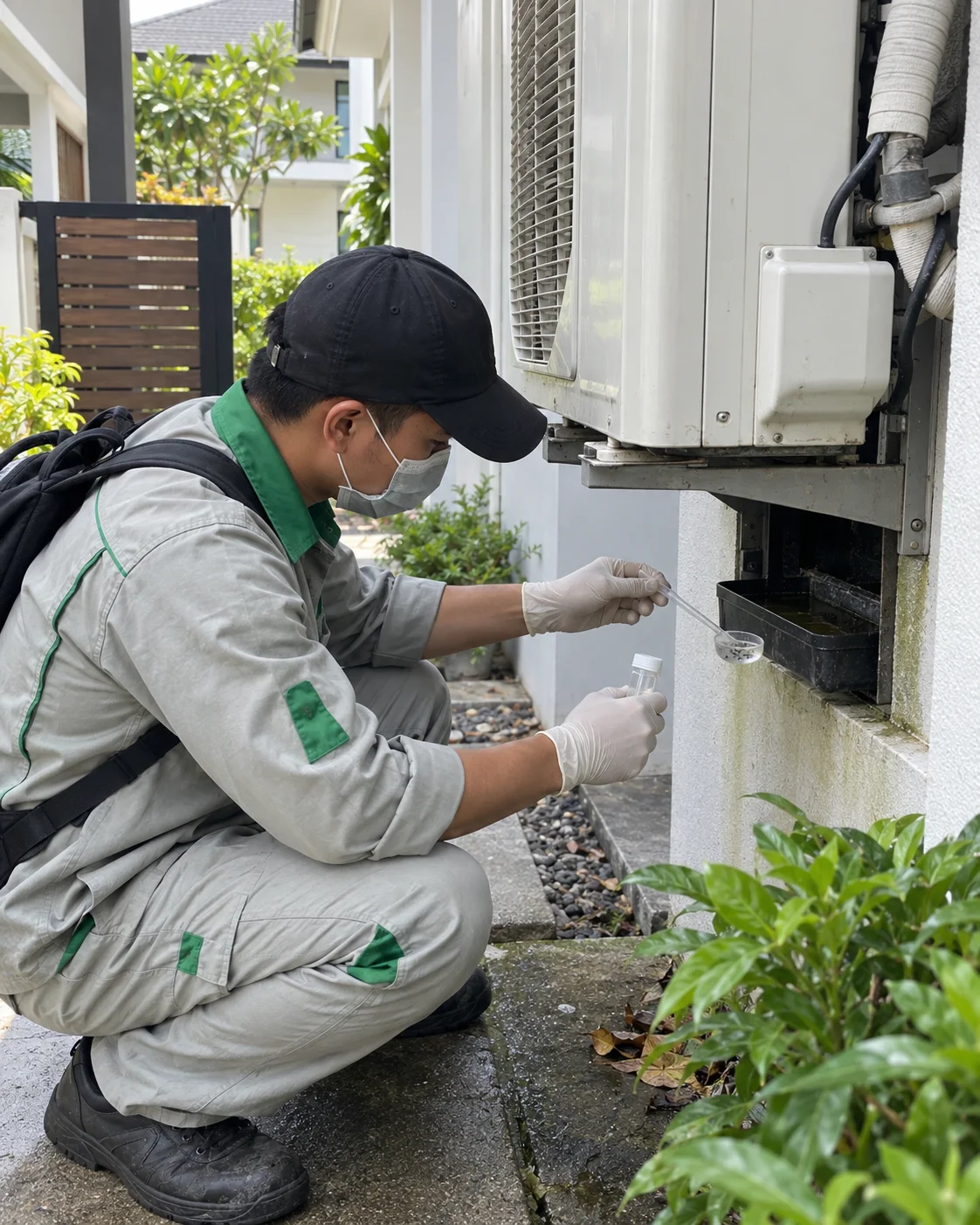
The other signal is the equipment. A torch, a mirror, a bait gun and a sprayer with a crack-and-crevice nozzle indicate somebody who will use several methods. A single sprayer indicates one answer to every question.
The trainee question
A second person is sometimes a trainee, which is neither a problem nor something to pay extra for. Training in the field is how this industry works and it is how good technicians are produced.
What is worth asking is whether the lead technician is certified and how long they have worked in the field, because that is the person making the decisions. A certified lead with a trainee is a normal and fine arrangement.
Continuity matters more than number
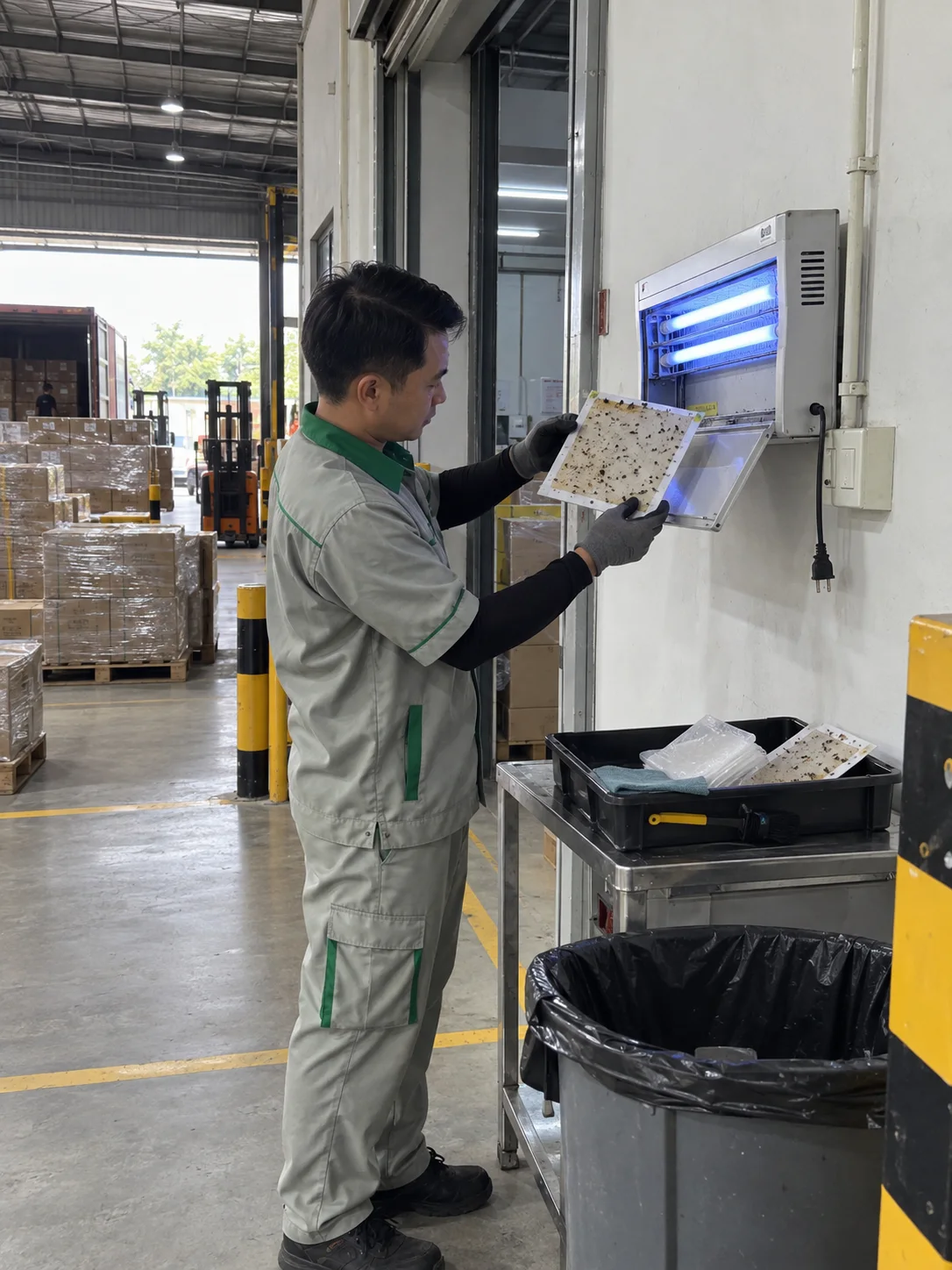
The same technician attending a property over a year finds things faster, notices what has changed, and remembers that the drain in the store room dries out. A different person each visit starts from the report every time.
Ask whether you will have a consistent technician. It is a more useful question than how many will come, and companies vary considerably in how they answer it.
What to check on arrival
That they are identifiable, that there is a lead technician who can answer questions about method and product, and that they bring the equipment for what has been quoted. If gel bait was in the proposal and only a sprayer comes through the door, that is a conversation to have at the start rather than at the end.
Language is worth asking about too, and it is a practical matter rather than a preference. A technician who can explain in English what was found and why they chose a particular method turns a visit into information you can act on. Where that is not available, the workable alternative is a bilingual report and somebody reachable by phone who can answer questions afterwards.
The safety signal
Watch what they wear. Gloves changed rather than reused, eye protection when spraying overhead, a respirator when spraying in an enclosed space. A company that equips its people properly is a company that trains them, and that correlates with everything else you care about far better than team size does.
Related reading
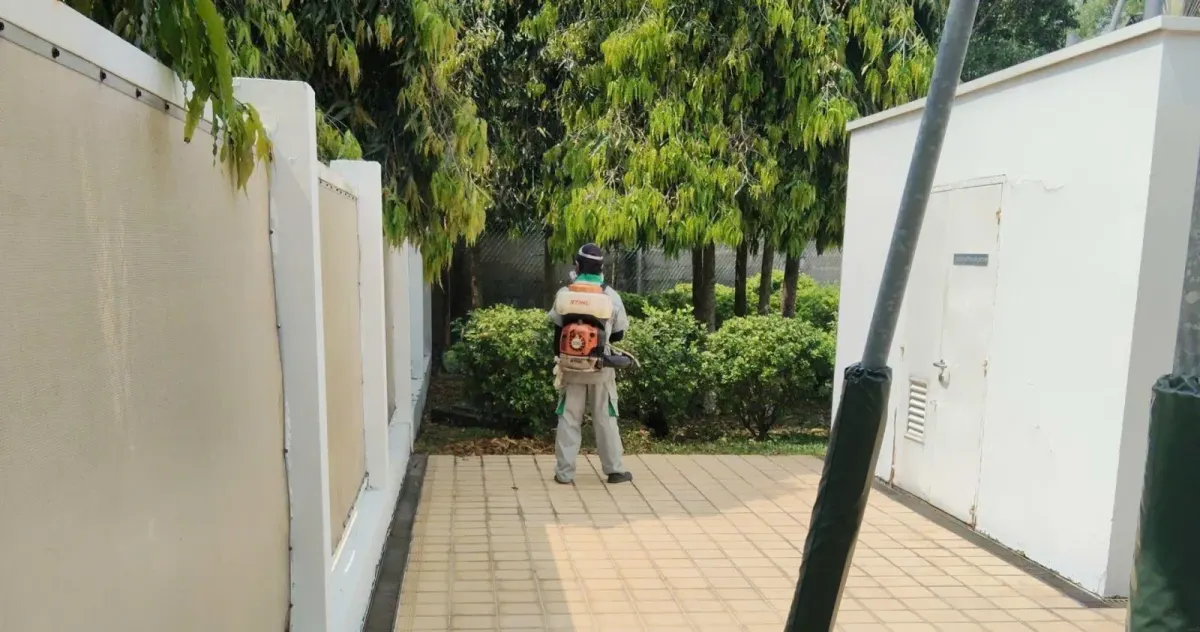
See what a technician carries and what happens during a visit. On preparing, what to tell the technician. For choosing, how to choose a company and comparing two proposals fairly. Our parent company publishes its Vietnamese-language services at khutrungtoancau.vn.
Global Pest Control is the English-language arm of Khử Trùng Toàn Cầu, based in Thu Duc City.
Common questions
Should I pay more for two technicians?
Only where the work genuinely requires two — heavy equipment, height, a large site, or multiple bed bug rooms. For a routine apartment or office visit, one competent technician with the right equipment is the appropriate resource, and a proposal charging for two should explain why.
Can I request the same technician each time?
Yes, and it is worth asking. Most companies will assign a consistent technician for a contracted site because it makes their own work easier as well. Where staff turnover makes that impossible, ask instead how the site knowledge is handed over, because that is the thing you actually care about.
The visit took twenty minutes. Is that too short?
For a first visit or a treatment, yes — that is not enough time to survey an apartment properly, let alone move appliances. For a follow-up on a small property where the survey is done and the work is replenishing bait and checking monitors, twenty to thirty minutes can be entirely reasonable. Ask what was done rather than judging by the clock alone.