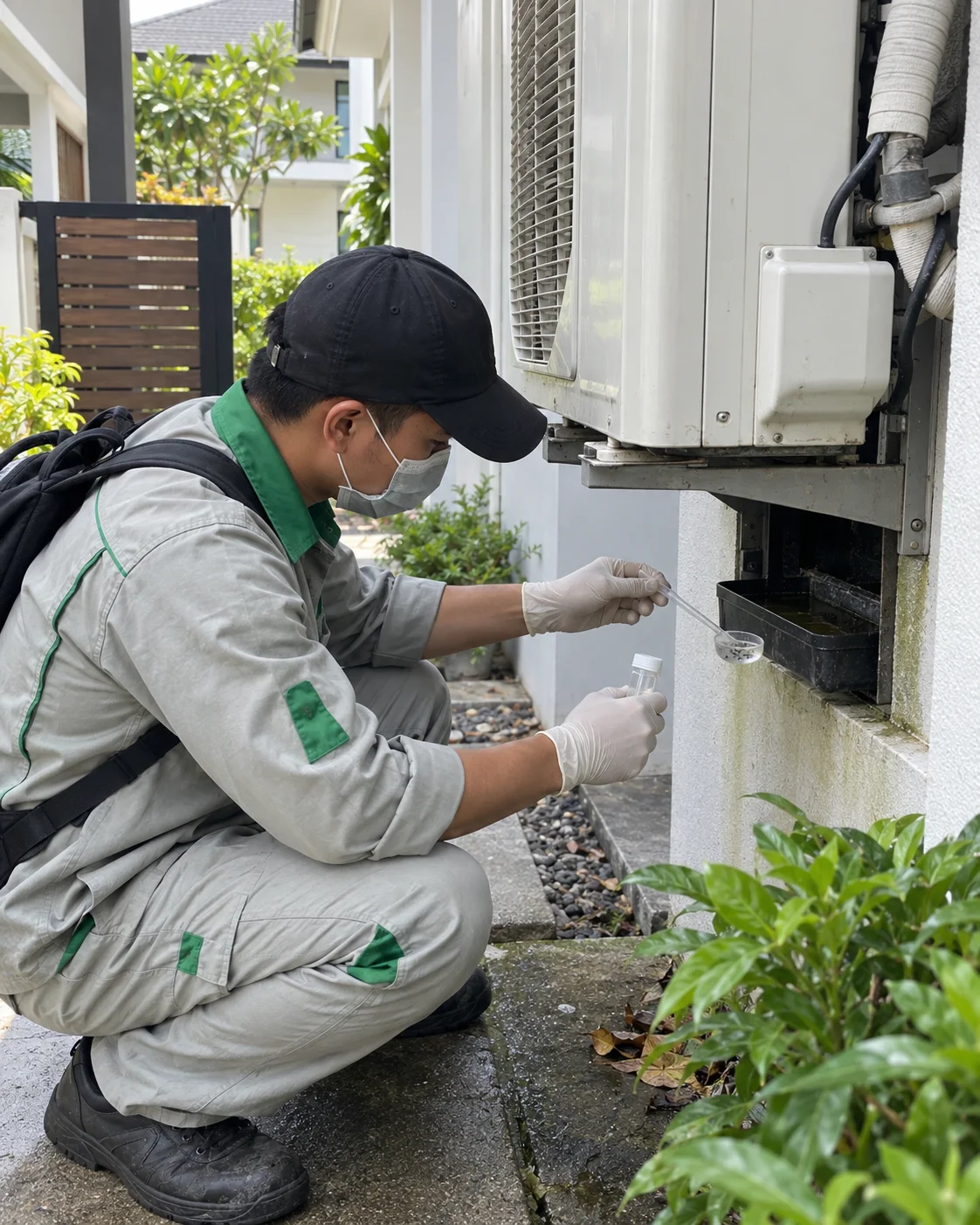
Monitors and Traps: What They Tell Us
Customers are sometimes disappointed to be sold devices that do not kill anything. A non-toxic monitor catches a few individuals by accident and has no meaningful effect on a population, which sounds like a poor purchase.
It is not a control measure. It is an instrument, and it answers the one question nobody can answer by looking: is there anything here, and is it getting better or worse?
What a monitor tells you that a sighting does not
A sighting tells you something was in a room at a moment when a person was also there. That is a heavily biased sample: it favours daylight hours, occupied rooms, and species that move in the open.
A monitor sits in a void, behind a fridge or under a bench for a fortnight and records what passed. It works at three in the morning in an empty building, in the store room nobody enters, and behind equipment nobody moves. Three months of monitor data is a genuine picture; three months without a sighting is an absence of evidence.
The main types
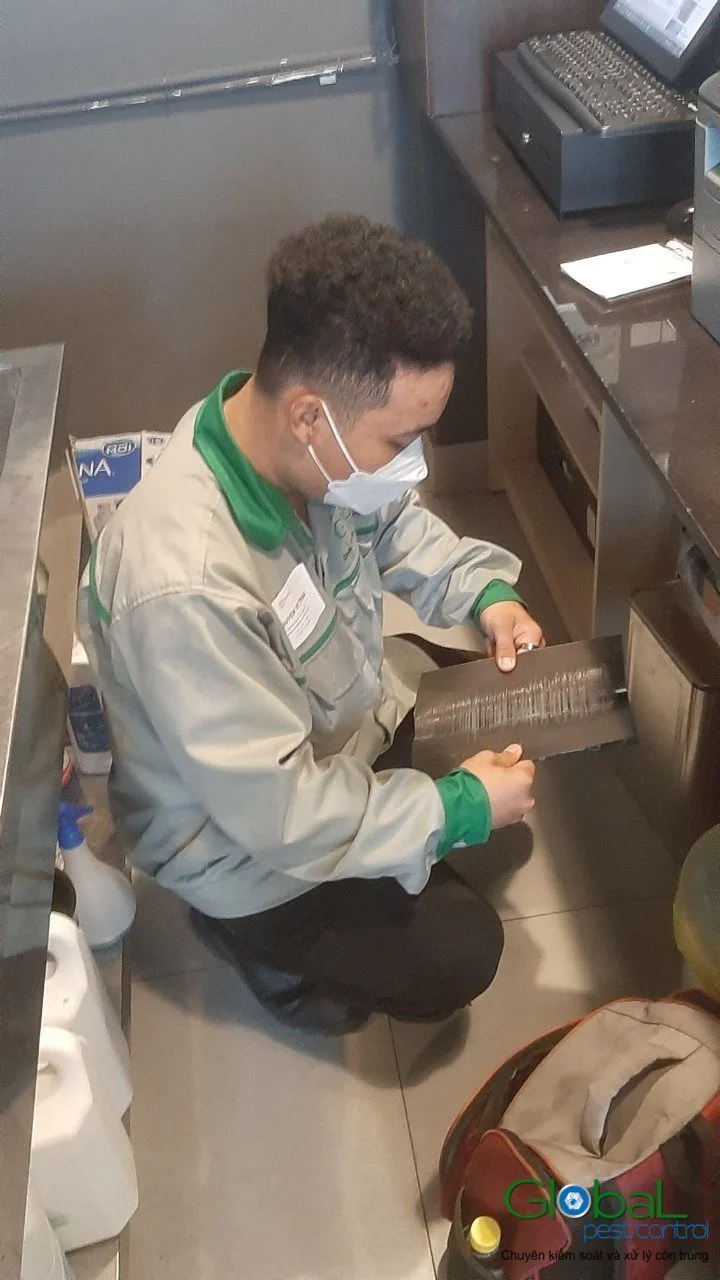
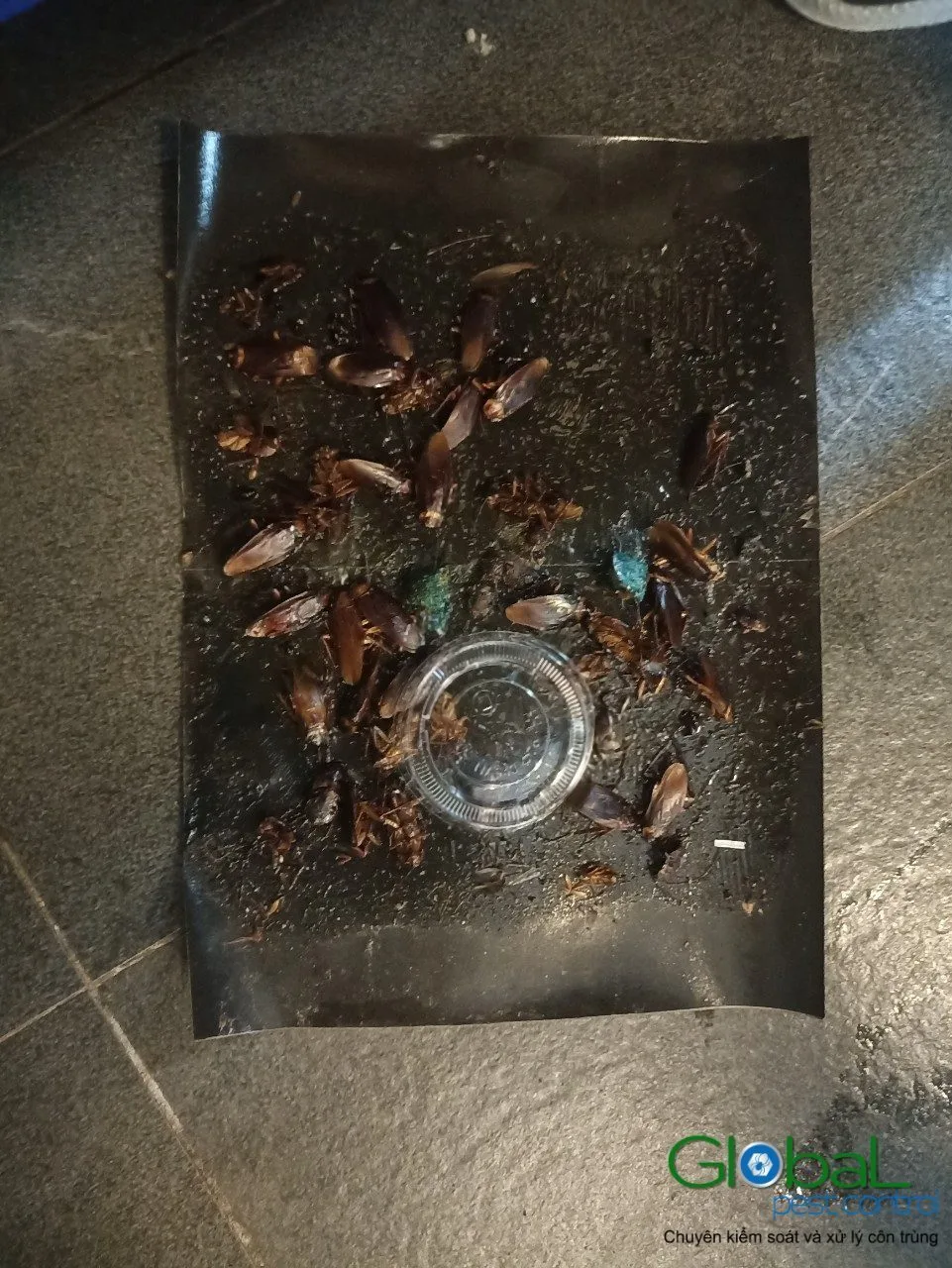
- Sticky monitors — flat card traps, often with a mild attractant, for cockroaches and crawling insects. The workhorse.
- Pheromone traps — species-specific, used for stored product moths and beetles. Very informative in warehouses and dry stores.
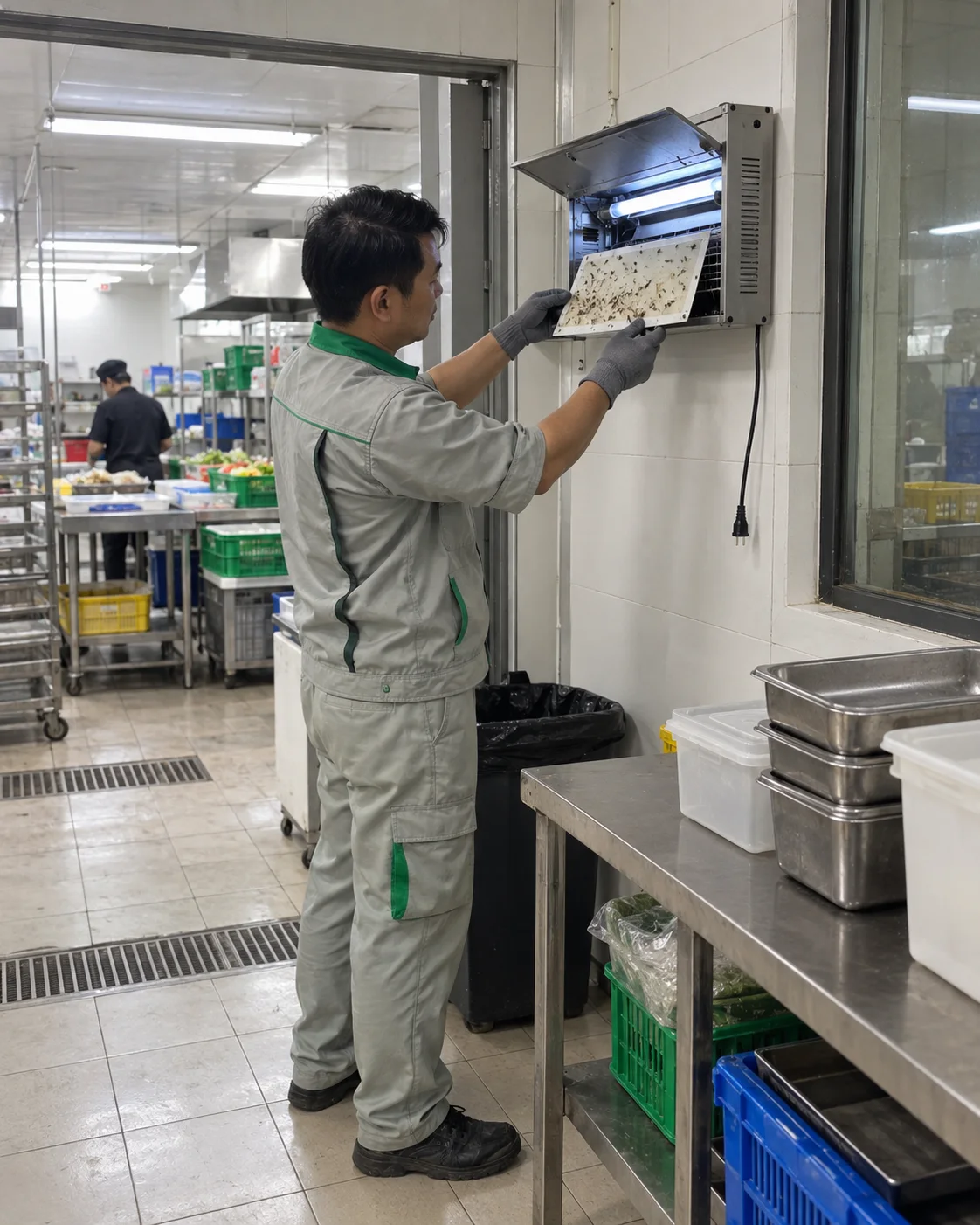
- Insect light traps — for flying insects. Both control and monitoring, provided somebody actually counts the catch.
- Non-toxic rodent monitoring blocks — bait-shaped but with no active ingredient, used to establish whether there is activity before anything toxic is deployed.
- Snap traps and live traps — control devices rather than monitors, though what they catch is data.
Placement is the whole skill
Insects and rodents travel along edges, not across open floors. A monitor in the middle of a room catches almost nothing regardless of how much activity there is, and a monitor tight against a wall, in a corner, or behind equipment catches what is actually moving.
Numbering them and marking them on a plan matters more than it sounds, because the value is in comparing the same position over time. Monitor 7 catching four insects this month and none last month tells you something. An unnumbered trap somewhere near the fridge tells you nothing at all.
How to read a catch
Three things: how many, what species, and which position. A rising count in one position with a flat count everywhere else points at a local harbourage. A rising count everywhere points at a source outside the area, often a delivery route or a shared structure.
Small numbers of a species that is not the target are normal and are not a failure. The point is the trend line rather than any single reading.
The rodent case
Placing toxic bait before establishing that there is activity is a common and avoidable mistake. Non-toxic monitoring blocks answer the question first, and the answer changes the plan substantially — if nothing is taking bait in six weeks, the problem is elsewhere and putting more toxicant on the site does nothing except create a risk of a carcass in a void.
Monitors also settle disagreements, which is often their most valuable role in practice. When a tenant reports activity and a landlord believes the tenancy is at fault, or when a restaurant blames the building and the building blames the restaurant, a set of dated, numbered monitor readings on both sides of the boundary answers the question without anybody having to be persuaded.
What auditors do with them
For a food business the monitor record is most of what an auditor reads. They will check that devices are numbered, that the numbers match a site plan, that each one has a condition recorded at each visit, and that trends have been acted on. A file with device numbers that do not match the plan is a bad finding, because it suggests the system exists on paper only.
Related reading
The trend side is covered in trend data and site plans and device numbering. For methods generally see how pest treatment works and baiting versus killing. Commercial files are covered in building a pest management file. Our parent company runs the same monitoring on its factory and business programme.
Global Pest Control is the English-language arm of Khử Trùng Toàn Cầu, based in Thu Duc City.
Common questions
Are sticky traps cruel for rodents?
Glue boards for rodents raise genuine welfare concerns and we do not use them as a routine method. They have a narrow place in a food factory where a single animal must be located and removed quickly and where every alternative has been considered, and even then they require checking within hours. For monitoring we use non-toxic blocks, and for control, break-back traps or secured stations.
How many monitors does an apartment need?
Usually four to eight, placed under the sink, behind the fridge, behind the washing machine, in the bathroom near the floor drain and in any store room. That is enough to tell you which room the activity is in, which is the question that matters in a home.
Do monitors need replacing?
Sticky monitors lose adhesion in this humidity and should be changed at every visit or at least every one to two months. Pheromone lures have a stated life, typically four to twelve weeks, and an expired lure gives a falsely reassuring zero. A monitor that is never changed is worse than no monitor, because it reads as evidence.