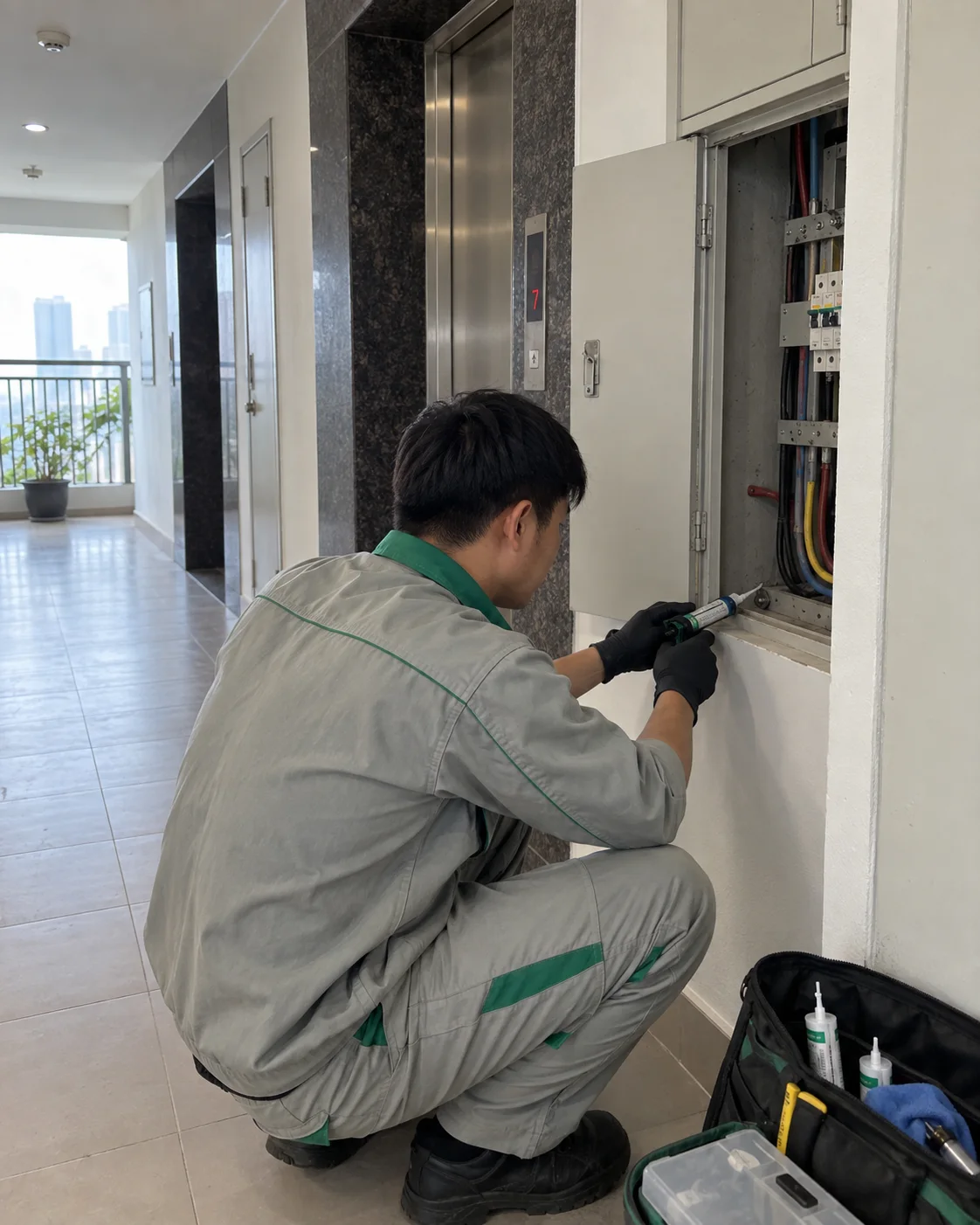
You Have Just Seen a Cockroach at Midnight
You went for a glass of water, turned the light on, and something crossed the floor. It is now midnight and you would like to know whether this is nothing or the beginning of something.
The honest answer is that it depends almost entirely on which insect it was, and you can usually tell from two things you already noticed: how big it was and which room you were in.
Big and brown in a bathroom: probably a visitor
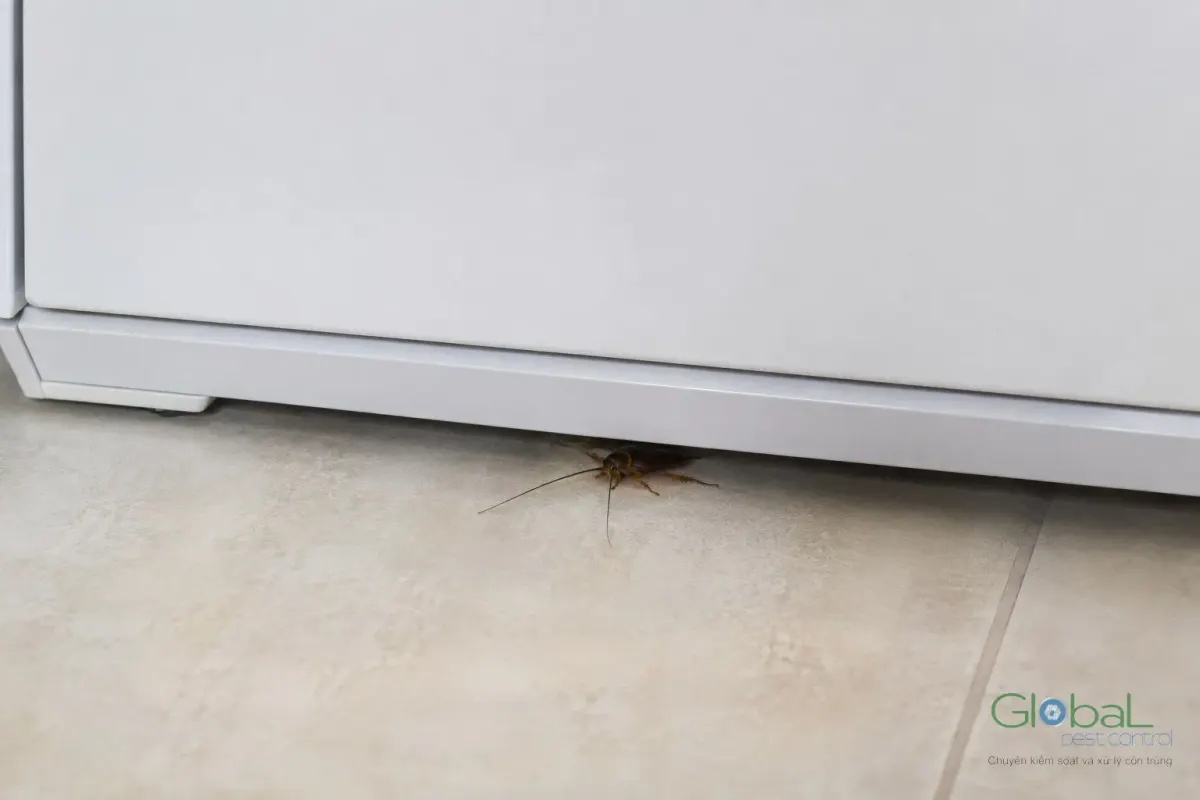
A cockroach 3 cm or more, reddish-brown, fast, in a bathroom, kitchen floor or service balcony, is almost certainly an American cockroach. This species lives in drains, sewers and basements rather than inside apartments, and individuals come up through floor drains where the water trap has dried out.
One or two of these, occasionally, is a plumbing observation rather than an infestation. It means a trap is dry. Pour water down every floor drain in the apartment and the sightings usually stop within a few days.
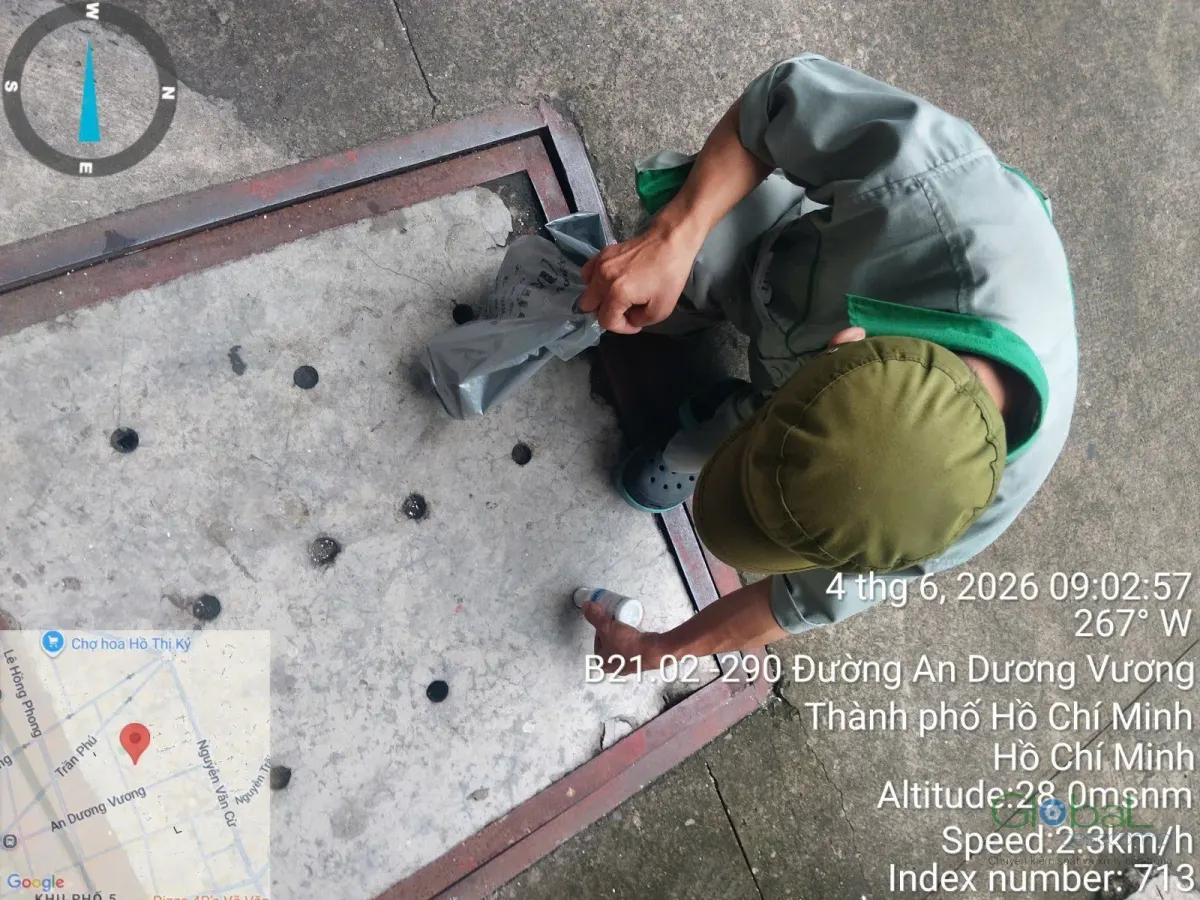
Small and pale in a kitchen: act on this one
A cockroach 1 to 1.5 cm, light brown, with two dark stripes behind the head, seen in a kitchen, near a fridge, a kettle or a microwave, is a German cockroach. This species does live indoors, breeds indoors continuously, and a female carries an egg case with thirty to forty eggs.
One of these seen in daylight or in an active kitchen usually means a population is already present, because they emerge into the open when the harbourage is crowded. This is the one where acting in week one rather than month two makes a very large difference.
What is worth doing tonight
- Take a photograph, with something for scale — a coin, a fingertip, a bottle cap. This is the single most useful thing you can do.
- Note the room and the time.
- Pour water down every floor drain.
- Do not spray anything you have in the cupboard.
Why not to spray
A domestic aerosol kills the individual you can see and scatters the ones you cannot. With German cockroaches, a repellent spray applied around a harbourage disperses the population into new voids and often into adjoining rooms, which converts a problem confined to a kitchen into a problem in three rooms. It also contaminates the surfaces where bait would otherwise be placed, which makes a professional treatment harder.
If you must do something with your hands at midnight, use a shoe rather than a can.
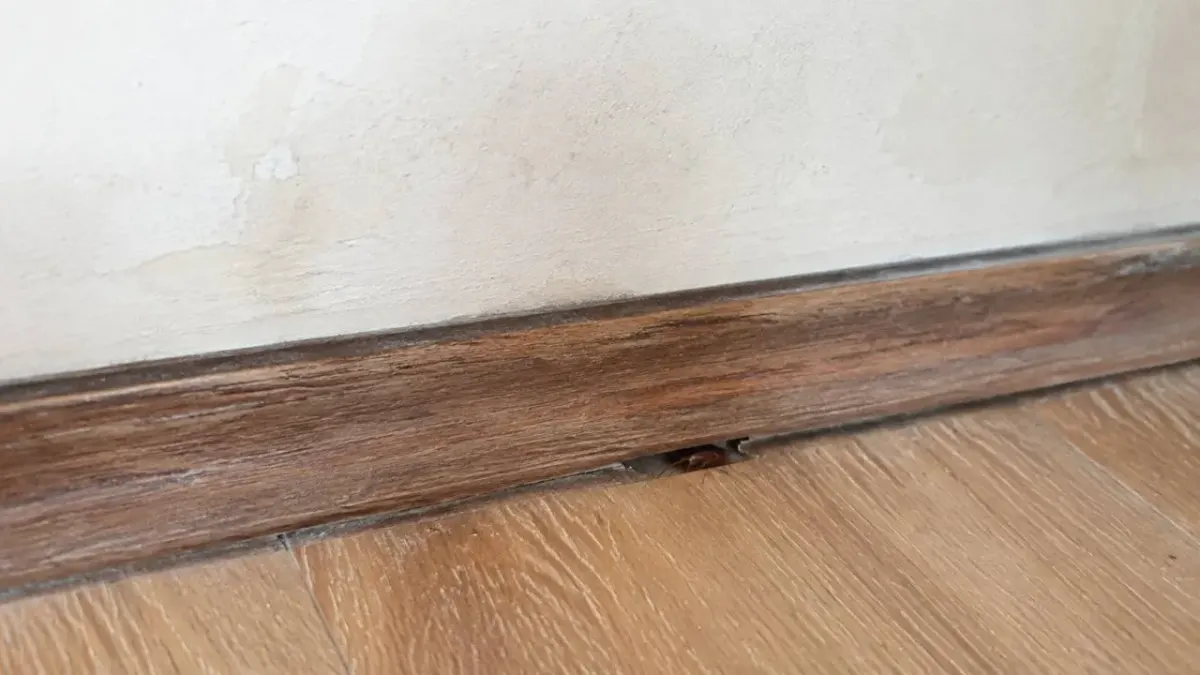
What to do tomorrow
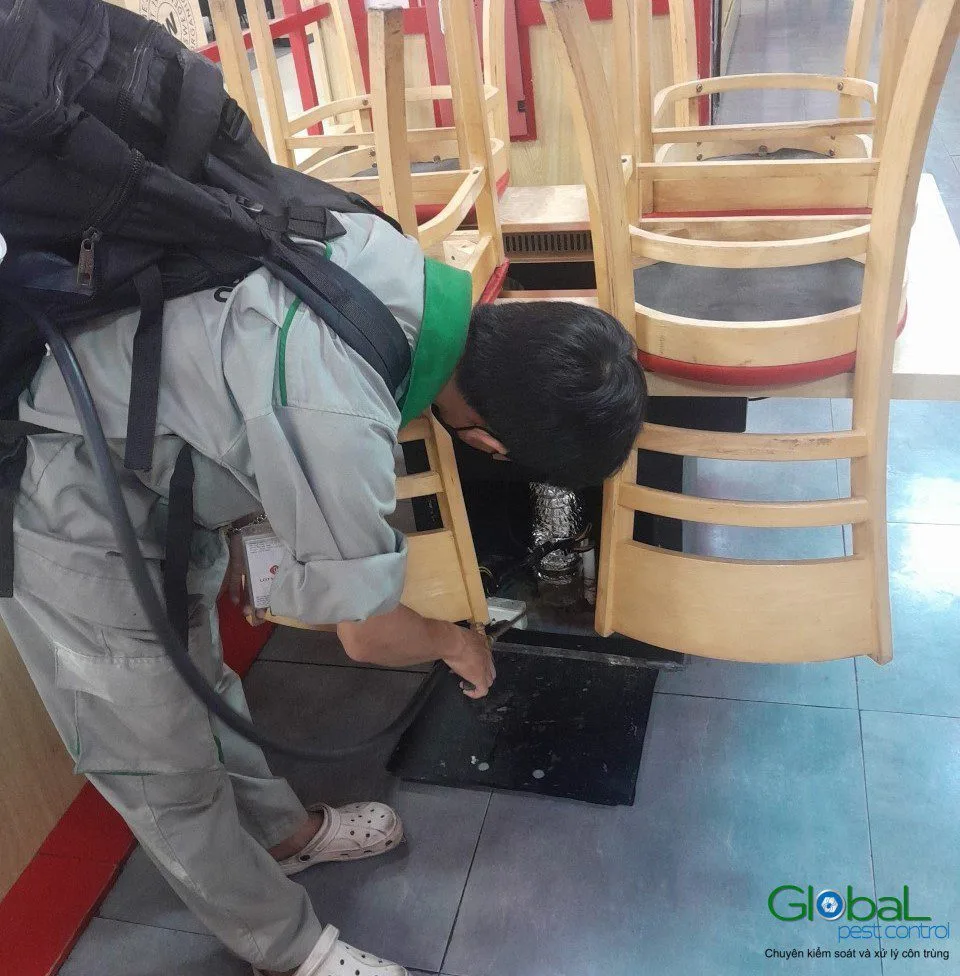
Look under the sink with a torch and look at where the waste pipe passes through the cabinet back. Pull out the microwave and the kettle and look behind them. Look at the fridge, particularly the compressor recess at the back and the floor underneath. You are looking for small dark specks like ground pepper, shed skins, or empty egg cases.
What you find over the next two days determines the answer. Nothing at all, and one American cockroach, means the drains were the whole story. Specks behind the microwave means a German cockroach population and it is worth booking a treatment rather than waiting to see.
One more thing worth checking while you have the torch out: the bin. A pedal bin with a loose lid, or a bag left beside it, is a night-time food source in the exact room where the sightings happened, and it is the easiest variable in the whole apartment to remove.
The one-versus-many question
People reasonably ask whether one insect means many. For the large drain-dwelling species, usually not. For the small kitchen species, usually yes, because they are secretive and stay in harbourage while there is room in it. That difference is the reason we keep insisting on the photograph: it is not pedantry about names, it is the difference between a plumbing job and a treatment.
Related reading
The species detail is in German and American cockroaches compared and our cockroach guide. For the two places to look first, the kitchen sink cabinet and behind your refrigerator. If it is the drains, see bathroom floor traps. Our parent company runs the Vietnamese-language cockroach programme for homes.
Global Pest Control is the English-language arm of Khử Trùng Toàn Cầu. You can send a photograph and we will tell you which of the two it is before anything is booked.
Common questions
I have seen only one in six months. Is that an infestation?
For the large species, no — that is the normal background rate in a building with shared drainage, and the response is to keep the traps wet. For the small kitchen species it is different, because seeing even one in the open suggests the sheltered space is already occupied.
Does a clean kitchen mean I will not get them?
It helps considerably with the drain-dwelling species and much less than people expect with the kitchen species, which needs very little food and can live on grease film and crumbs in a void you cannot reach. Cleanliness reduces how fast a population grows; it does not decide whether one starts.
Can I use the bait gel sold in supermarkets?
Yes, and it is a reasonable first step for a small problem, provided you place it in cracks and voids rather than on open surfaces, and provided you do not spray anything nearby — insecticide residue near a bait point stops them approaching it. Where it usually falls short is placement, since the productive spots are the ones you cannot see.