How to Move House Without Taking the Cockroaches With You
People move into a clean apartment and have cockroaches within a month, and assume the new building is the problem. Often it travelled with them. German cockroaches in particular are carried between homes in packing materials and appliances far more often than they walk in from outside.
Three things do most of the carrying: used cardboard, kitchen appliances, and electronics.
Used cardboard is the main vehicle
Corrugated cardboard has a fluted layer inside that is warm, dark, dry and exactly the width a German cockroach prefers. Boxes collected from a supermarket, a warehouse or a neighbour have often been standing somewhere with a population. Egg cases glued into the flutes survive a move easily and hatch in the new kitchen.
- Use new boxes or plastic crates for anything going into the kitchen
- If you must reuse boxes, do not store them in the new home — unpack at the door and take the cardboard straight out
- Never store flattened boxes under the sink or in a cupboard "in case they are useful"
Kitchen appliances carry populations inside them
The warm cavity behind a refrigerator motor, the underside of a microwave, the base of a kettle and the interior of a toaster are all established harbourage. They are also rarely cleaned, and they move with you.
Before anything goes on the truck, pull the appliance out, look at the back and the base, and clean it. If you find droppings or shed skins, decide whether the item is worth taking. A five-year-old microwave with a population inside is not worth infesting a new apartment for.
Electronics are the quiet one
Television backs, set-top boxes, router housings, desktop computers and games consoles are warm, dark and full of narrow spaces. They also never get cleaned inside. This is the route people miss entirely, because nothing about the outside of a device suggests anything is living in it.
Leaving electronics switched off and unplugged for a few days before the move makes the interior cool and much less attractive, and gives you a chance to see anything leaving.
A sequence that works
- Two weeks out: if the old home has an active problem, treat it. Moving an active infestation is what causes the new one
- One week out: clean behind and under all appliances; check electronics
- Packing: new boxes or crates for the kitchen; label them so they can be unpacked first
- Moving day: unpack kitchen boxes immediately and remove all cardboard from the building the same day
- First week: put out monitoring traps under the sink and behind the refrigerator, and look at them after seven days
What monitoring traps tell you
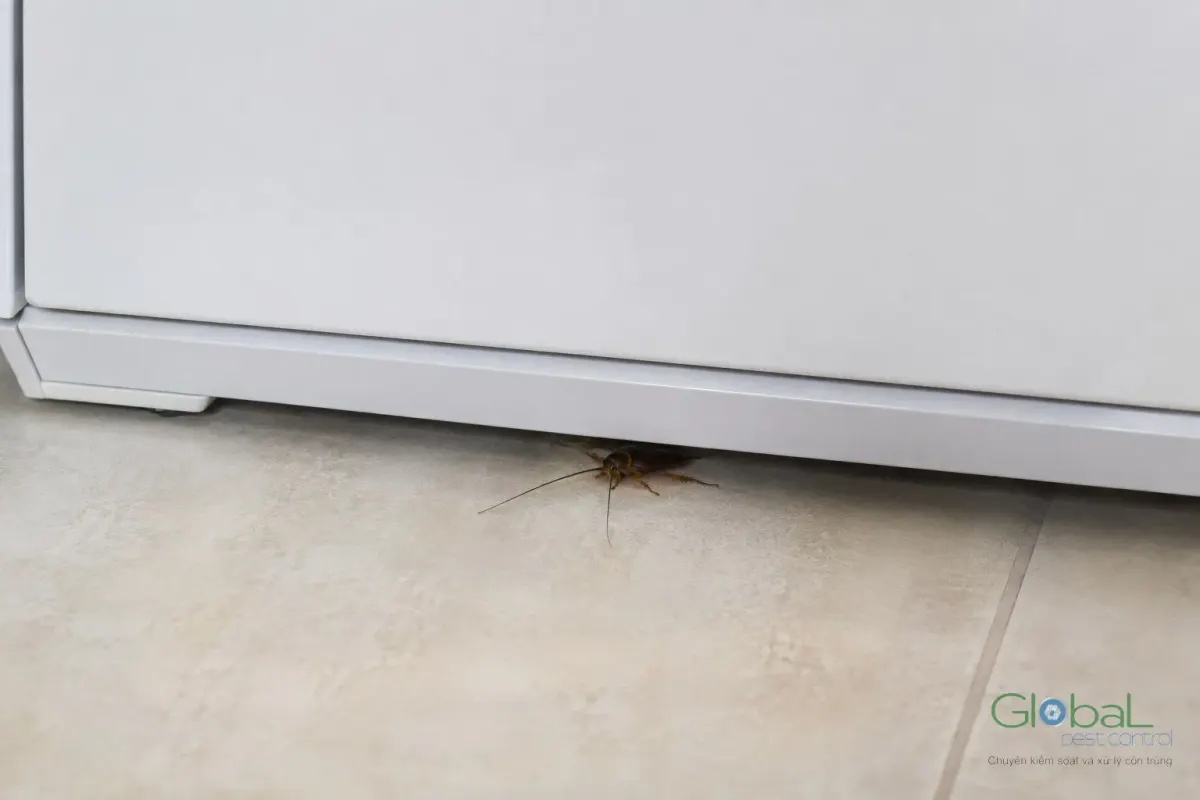
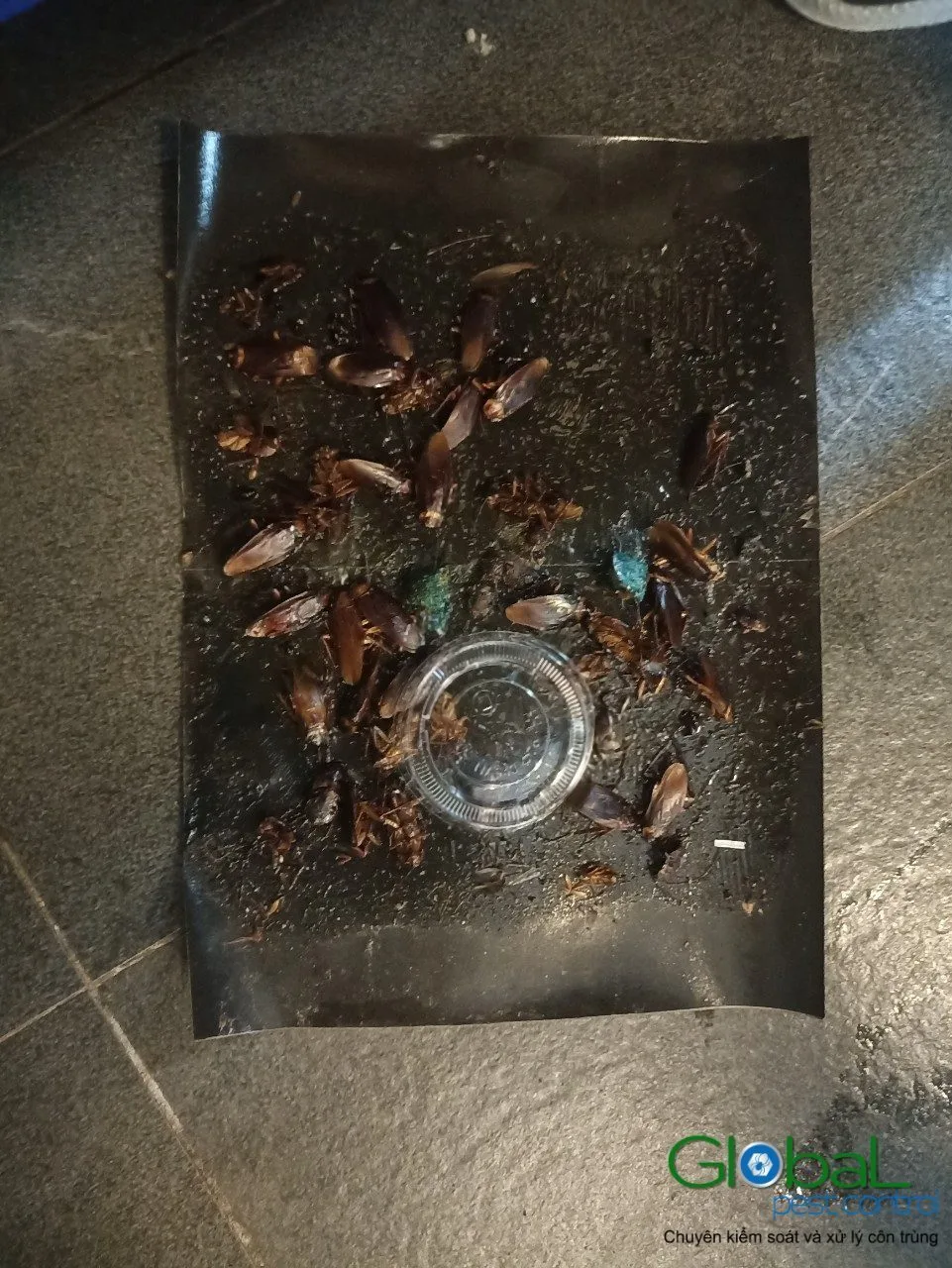
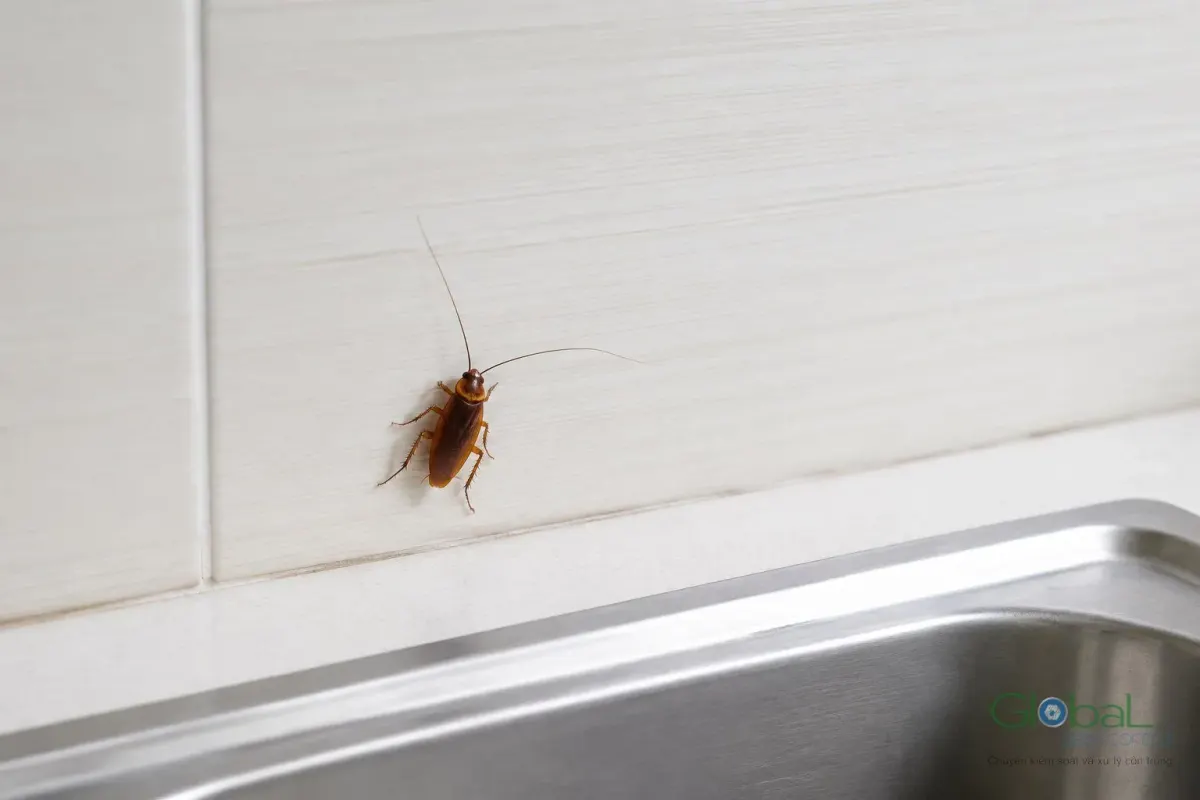
A few sticky monitors cost very little and answer the question that otherwise takes months. If they are empty after a week, nothing came with you. If they catch small light-brown cockroaches with two dark stripes behind the head, you have German cockroaches and the population is inside the unit — that needs gel baiting, not a spray.
Catching it in the first month, while the population is still a handful of insects, is the difference between one treatment and a programme.
What to do if the old home has an active problem
Treat before you pack, not after you move. Packing an active infestation distributes it into boxes that are then opened one by one in a clean apartment, which is close to the ideal method for establishing a new population.
Allow two to three weeks between the treatment and the move if you can, and use monitoring traps in the old kitchen during that period. If the traps are clean in the last week, the move is much safer.
Items that are usually not worth taking
- Old cardboard storage boxes and magazine files
- A microwave or toaster with visible residue inside the base
- Second-hand upholstered furniture that has not been inspected at the seams
- Wooden crates or pallets used as furniture
- Anything that has been stored in a garage, storeroom or basement for years
The rule of thumb is whether the item has enclosed voids that have never been cleaned. Those are the ones that carry populations.
Unpacking order matters
Unpack the kitchen first and completely, on the day of the move, and take every piece of packing material out of the building the same day. The common failure is leaving three boxes in a spare room for a fortnight, which gives anything inside them time to disperse.
Wipe down shelves and drawer interiors before food goes in, and look at the back corners of every cabinet while they are empty. This is the only time in a tenancy when those surfaces are easy to inspect, and it is worth five minutes.
The first month in the new home
Most introductions become visible between two and six weeks after a move, because a few insects arriving in a box need that long to become a noticeable population. That is why the first month is the period worth watching rather than the first week.
Keep two or three monitors in place for the whole month — under the sink, behind the refrigerator, and in any store cupboard. Check them weekly and note what you find. If they stay clean for a month, the move was successful and you can stop.
If they catch anything, act immediately. A population of five insects is a single treatment; the same population left for three months is a programme.
Global Pest Control is the English-language arm of Khử Trùng Toàn Cầu. The same technicians and the same programmes are described on our Vietnamese service pages.
Book an inspection
Site inspections are free of charge and carry no obligation. A technician walks the property, identifies the species and the harbourage, and sends a written quotation with the method and the schedule — normally within one working day.
Request an inspection · See indicative prices · All services