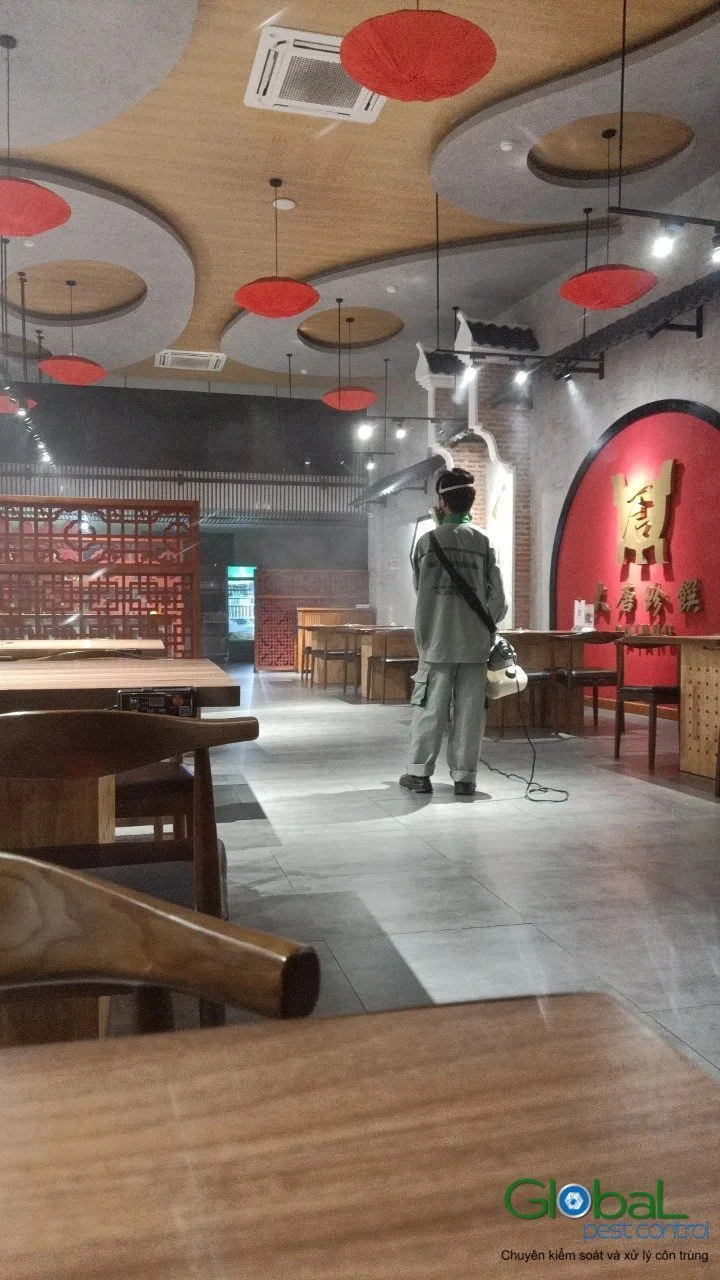
Taking Over an Existing Food Business: What to Inspect
The equipment in a food unit is listed, valued and inspected. The pest history is not, and it transfers to you completely. A population living in a boxed-in void does not recognise a change of tenant, and the first six weeks after a handover is when it becomes visible — usually just as you open.
Everything below can be done during a normal viewing, and most of it takes fifteen minutes.
Ask for the records first
Before you look at anything physical, ask the outgoing operator for their pest management file: service reports, monitor readings, the site plan and any treatment history. Three outcomes, all informative. A complete file tells you what the site has had and how often. A partial file tells you when they stopped caring. No file at all tells you the site has been running unmonitored, which is not necessarily bad but means you are starting blind and should price a baseline treatment in.
If a landlord or agent says the records are confidential, that is itself an answer worth weighing.
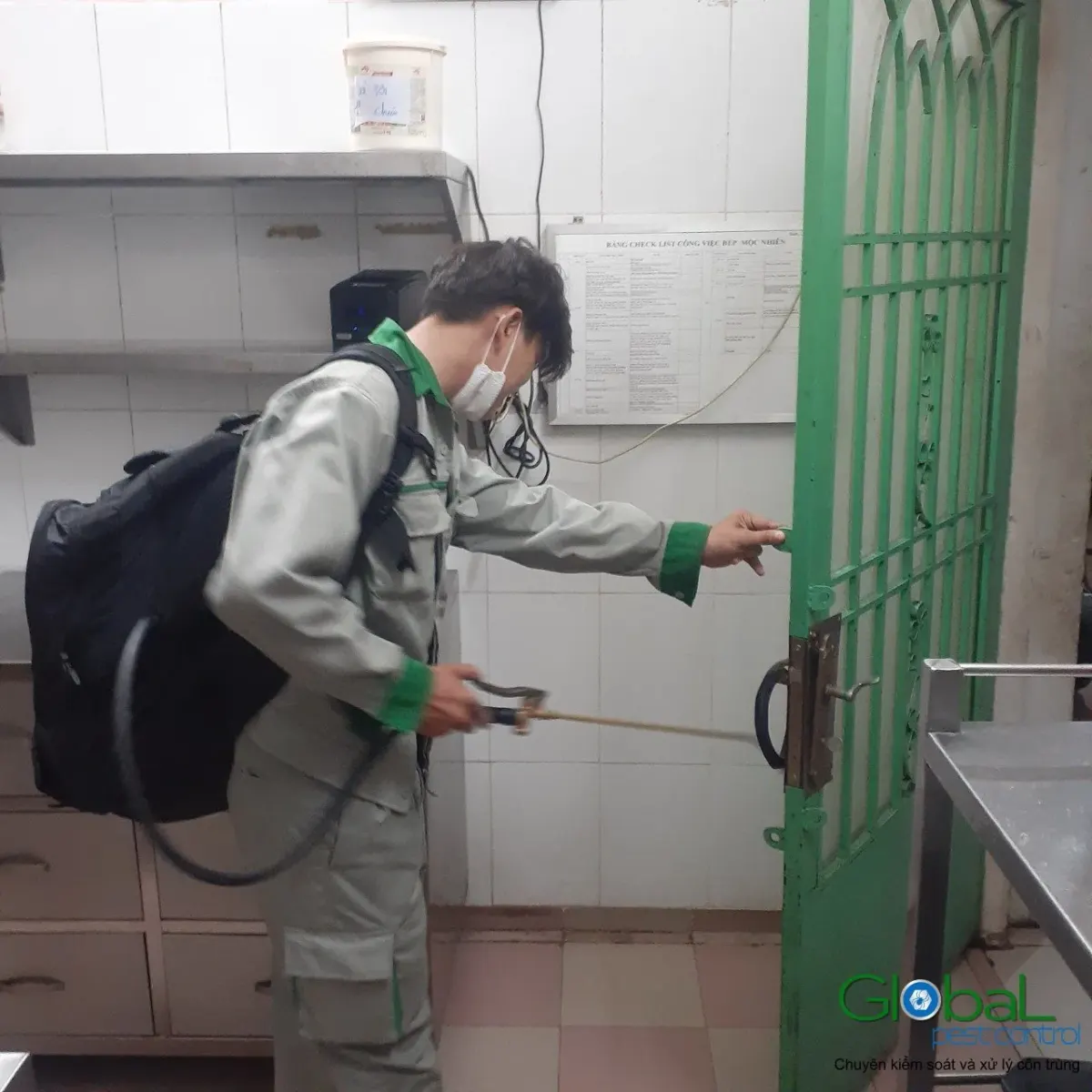
The eight places to look during a viewing
- Under and behind the cold room. The condensate drain line and the strip of floor along the door seal.
- The hot line plinth. Look for the gap between plinth and floor, and for grease that has run into it.
- Every floor gully. Lift one. If the basket is missing or the trap is dry, that has been true for a while.
- The grease trap. Ask when it was last emptied, and look at the lid seal.
- The dry store. Open a sack rather than looking at the shelf. Webbing in a corner is stored product pests.
- The bin store. Lids, floor, drainage, and whether the door closes.
- The delivery door threshold. Daylight under a door is a rodent entry.
- Behind the ice machine and under-counter fridges. Warm, wet, boxed in — the classic combination.
What droppings and marks tell you about timing
Fresh rodent droppings are dark and soft; old ones are grey, dry and crumble. That distinction tells you whether the activity is current or historic, which changes what you are buying. Rub marks — dark, greasy smears along a wall base or a pipe run — build up over months and indicate a route that has been used repeatedly rather than a single visitor. Cockroach egg cases stuck in a hinge recess mean breeding on site, not something wandering in from next door.
Photograph anything you find, with something for scale. It is evidence for the price negotiation as much as for the treatment.
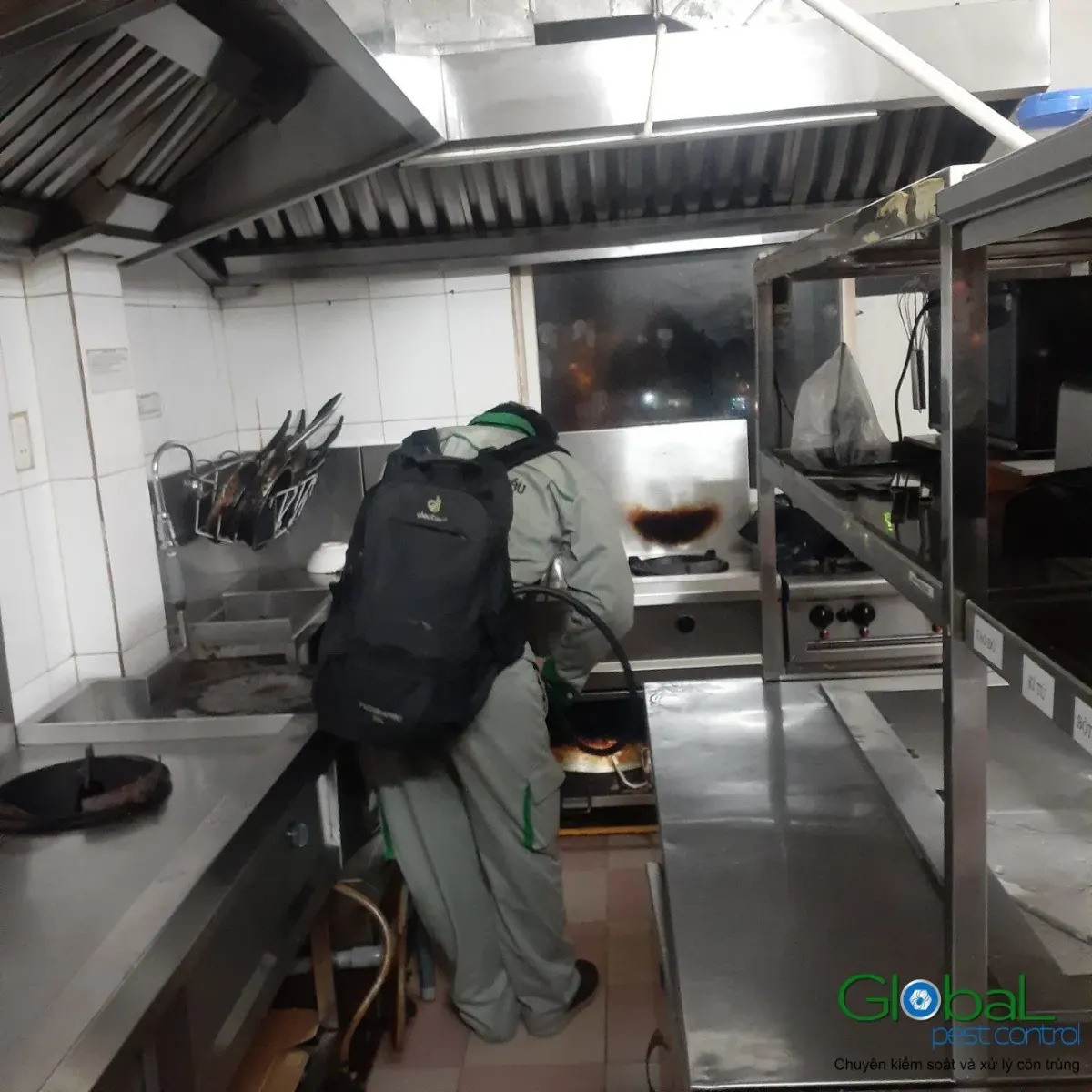
What the neighbours tell you
In a dense district your unit is connected to the ones beside, above and below it through shared walls, shared drainage and roof junctions. If the unit next door is also food, or the floor above is residential with a poorly maintained kitchen, part of your future pressure is theirs. Ask. It is a normal question and the answer changes how you budget. Our page on living above a restaurant or café describes the same relationship from the other side.
What to do in the first fortnight
Book a baseline treatment and proofing survey for the week you take possession, while the unit is empty and before your stock arrives. Get a dated report. That report becomes the boundary between the previous operator's history and yours, and it is the single most useful document you will have if a supplier, a landlord or an auditor asks a question in month eight. See pest control for businesses in Vietnam for what a complete file contains, and how to choose a pest control company before you appoint anyone.
Global Pest Control is the English-language arm of Khử Trùng Toàn Cầu, based in Thu Duc City. The handover inspection is free and the report is in English. Vietnamese-language services are at khutrungtoancau.vn.
Price the risk instead of hoping
Almost nobody walks away from a good unit because of a pest finding, and nobody should. What a finding is genuinely worth is a number in the negotiation. A cockroach population established in a boxed-in counter is two treatments three weeks apart plus the joinery work to open the void — a figure you can put on paper. Rodent activity with rub marks along a wall base is proofing plus a monitoring period. Stored product pests in the dry store is stock disposal, which is immediate and quantifiable.
Get the figure before you sign rather than discovering it in month two, and the conversation with the seller is about arithmetic rather than about blame.
Related reading
For the ongoing programme, see the restaurant programme or the café and bakery programme. For what a proposal should contain before you appoint anyone, see what a pest control quotation should tell you. If the unit is in an older building, pest problems in older buildings and shophouses covers what the fabric itself contributes.
Common questions
Can you attend a viewing with us before we sign?
Yes, and it is one of the more useful things we do. A technician walking the unit with you will identify what is current, what is historic and what is structural, and you get that in writing before you commit rather than after. There is no charge for the visit.
The unit has been closed for three months. Does that help?
Partly. A closed unit has no food coming in, so an insect population declines — but it also has dry drainage traps, which lets American cockroaches in from the building system, and rodents may have moved in precisely because it is undisturbed. Expect a different problem, not no problem.
Should the previous operator pay for the first treatment?
It is a reasonable thing to negotiate, and a dated inspection report gives you the basis for asking. In practice it is more often settled as a small reduction in the fit-out contribution than as a separate payment, because it is easier to agree.