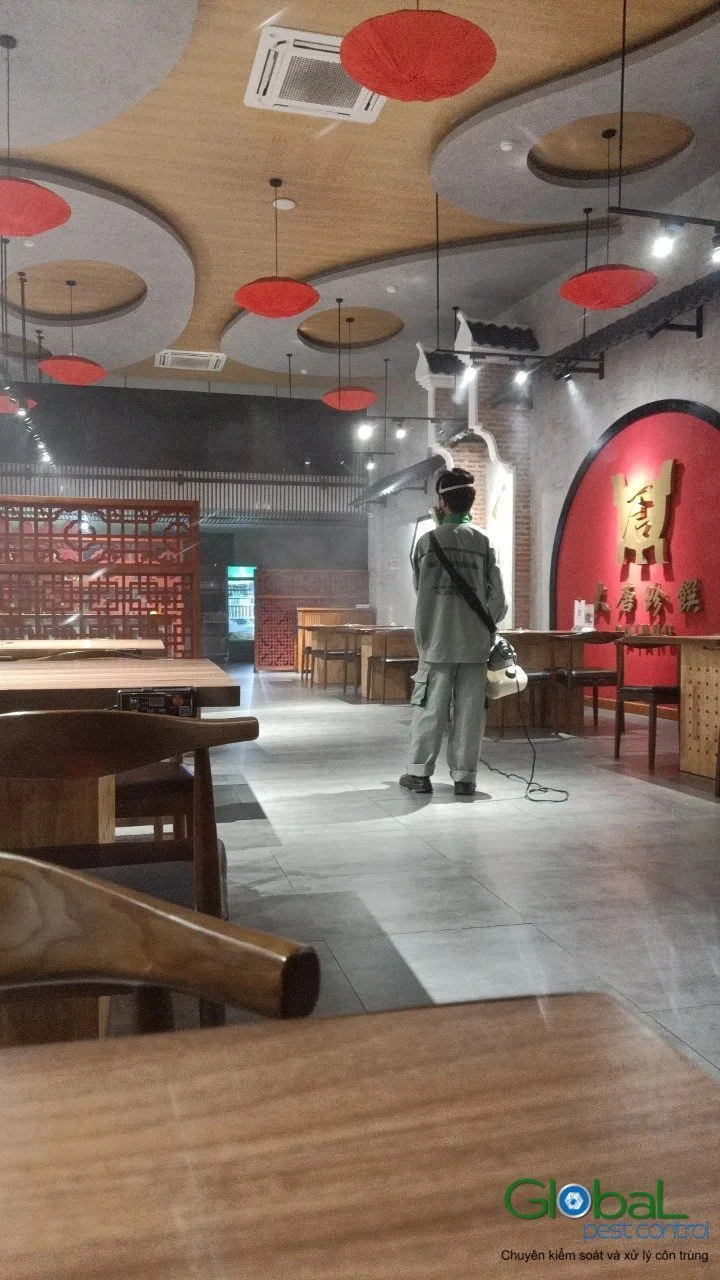
The Ten-Minute Pest Briefing for New Staff
The most cost-effective pest control measure available to a food business is not a product or a contract. It is ten minutes with a new member of staff, because the difference between a problem found in week one and the same problem found in week six is the difference between a wipe and a closure.
The briefing below is what we deliver on site, condensed. It works because it is short, it is specific to the room the person actually works in, and it asks for observation rather than action.
Start with why, in one sentence
Staff report far more when they understand that reporting is not an accusation. The sentence that works: "Seeing an insect is not a failure and nobody is in trouble for reporting one — what causes a problem is nobody mentioning it for three weeks." In a kitchen where reporting is treated as bad news, the first report arrives when the situation is already visible to customers.
Say who to tell and how. One named person, one method — a message, a note in the log, a word at handover. If it takes effort to report, it will not be reported.
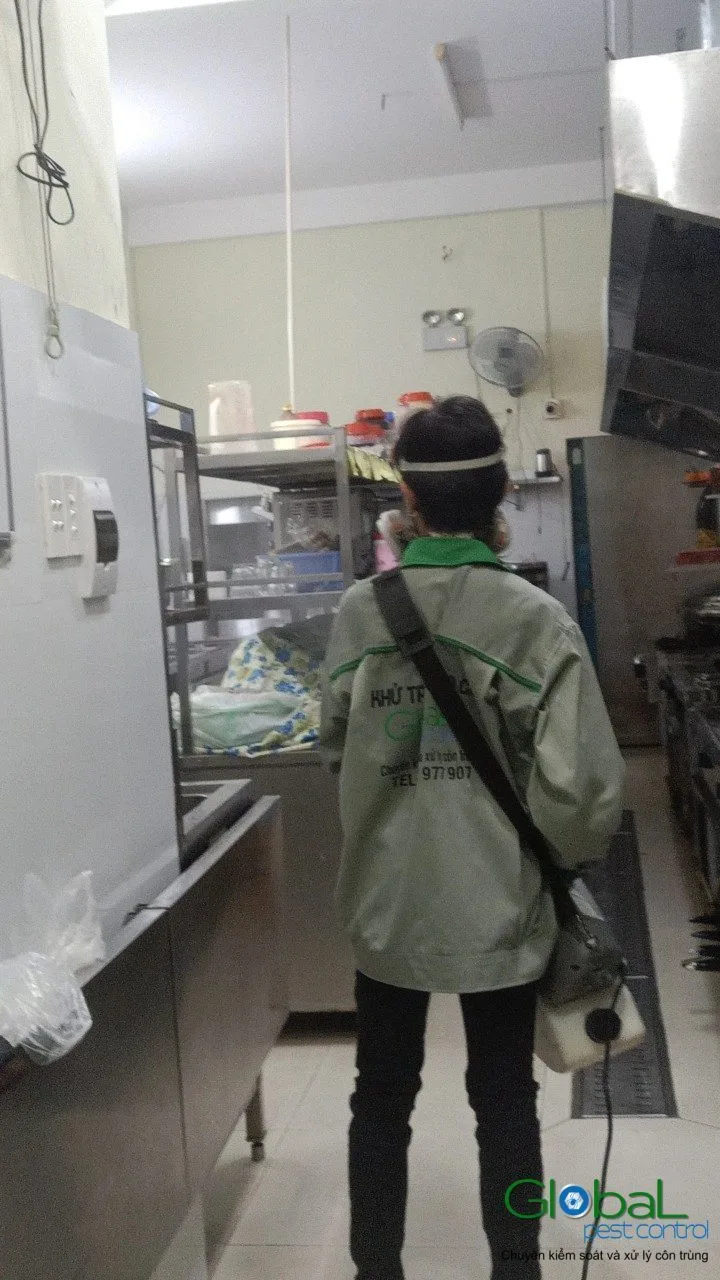
The six places, in the room they work in
- Under and behind the fridge, and the gap beside it.
- The sink cabinet, particularly where the waste pipe passes through the base.
- Every floor gully — is the basket in, is there water in it.
- The bin area, including under the bin liner and the floor beneath the bin.
- The dry store, especially the sack at the back and the corner joints of the shelving.
- The delivery door threshold, looked at from outside in daylight.
Walk them physically. A list read out is forgotten; a list walked in the room they will work in is remembered, because each item now has a picture attached to it.
What to look for, not what to identify
Do not teach species identification. It takes hours, it will be wrong, and it is not what you need from a kitchen porter. Teach four observations instead: something moving in daylight, dark specks in a line or a cluster, webbing or fine dust in dry goods, and a smell that is not food. Any of the four is worth reporting, and a technician will do the identification.
The photograph rule is the other half: photograph it before you clean it. A cleaned surface tells nobody anything, and the picture usually settles the identification in seconds.
The three habits that matter more than the checks
First, waste goes out within thirty minutes of collection, not first thing in the evening — bags standing outside for four hours are a food supply on your threshold. Second, nothing is stored on the floor, anywhere, ever; it is the single rule that removes the most harbourage. Third, the last person out runs water down every floor gully on quiet days, which keeps traps sealed and costs nothing.
What not to include
Leave out the products, the chemistry and the regulations. They are interesting to you and irrelevant to the person doing the briefing, and a briefing that runs to thirty minutes will not be repeated for the next hire. Leave out any instruction to apply anything themselves — supermarket sprays used by well-meaning staff scatter a cockroach population across a building and make professional treatment slower and more expensive.
Who else should hear it
Kitchen staff are the obvious audience, but three other groups see things the kitchen never does. Cleaners work when the building is quiet and empty, which is exactly when cockroaches and rodents are active — they see more than anyone and are asked least. Delivery and goods-in staff handle the cartons that carry stored product pests, and they are the only people who see a sack before it is on your shelf. Front of house hear the complaint first and decide, in the first thirty seconds, whether it becomes a review.
The same ten minutes works for all four groups; only the six places change. For cleaners, walk the back corridor and the bin store rather than the line.
Repeat it, briefly
Once at induction and once every few months at a handover is enough. In a business with high staff turnover — which describes most kitchens in this city — the induction version is the one that matters, so make it part of the standard first-day walkthrough rather than a separate event that gets postponed.
Related reading
For what happens on a technician's visit, see what actually happens during a pest control visit. For handling a customer-facing incident, see handling guest pest complaints. The programme itself is set out in the restaurant programme, and the records in pest control for businesses in Vietnam.
Global Pest Control is the English-language arm of Khử Trùng Toàn Cầu. We deliver this briefing in Vietnamese to your team and give you the English version for your file. Vietnamese-language services are at khutrungtoancau.vn.
Common questions
Will you train our team, or do we do it ourselves?
Either. On a contract we deliver it on a normal service visit at no extra cost, in Vietnamese, and leave a laminated card in both languages. Many operators prefer to run it themselves at induction, which works just as well provided somebody actually does it on day one.
Our staff turnover is very high. Is training worth it?
It is worth more, not less. High turnover means the six-place walk is the only pest knowledge a given person will ever have, and it is the part that produces early reports. A thirty-minute session would not survive the turnover; a ten-minute walk does.
Should staff be allowed to use insect spray?
No, and it is worth saying so explicitly in the briefing. Aerosol sprays scatter a German cockroach population into surrounding voids, which turns a contained problem into a building-wide one and makes the professional treatment slower. Reporting is the action you want from them.