December: The Year-End Check Worth Doing
December in Ho Chi Minh City sits between two things: the end of the wet season, which has just finished producing everything it produces, and two long closures — the Western holidays and then Tet — during which buildings empty and stay empty.
That makes it a useful month for one hour of deliberate work: reviewing what the year actually showed, and preparing for the quiet weeks ahead.
Look back before you look forward
For a household, that means asking what you actually saw this year and where. Most people cannot answer, which is itself the finding — a note on a phone with three dated entries is more useful than a memory of a bad summer.
For a business, it means reading twelve service reports together rather than one at a time. Patterns that are invisible in a single visit are obvious across a year: the same store room recurring, activity always following a delivery day, one monitor position that never comes back clean.
The two January problems, prevented in December
The first is dry drain traps. Every closure produces them, and every reopening produces a smell and large cockroaches in bathrooms. Fill every trap before you leave, and add a spoonful of cooking oil to any drain in a room that will be unused for weeks — the oil floats and slows evaporation substantially.
The second is waste left over a closure. Bins emptied on the last working day rather than the day before, nothing left in a fridge that will be switched off, and no bags left beside a bin store because the collection has already stopped for the holiday.
The dry-season shift is about to start
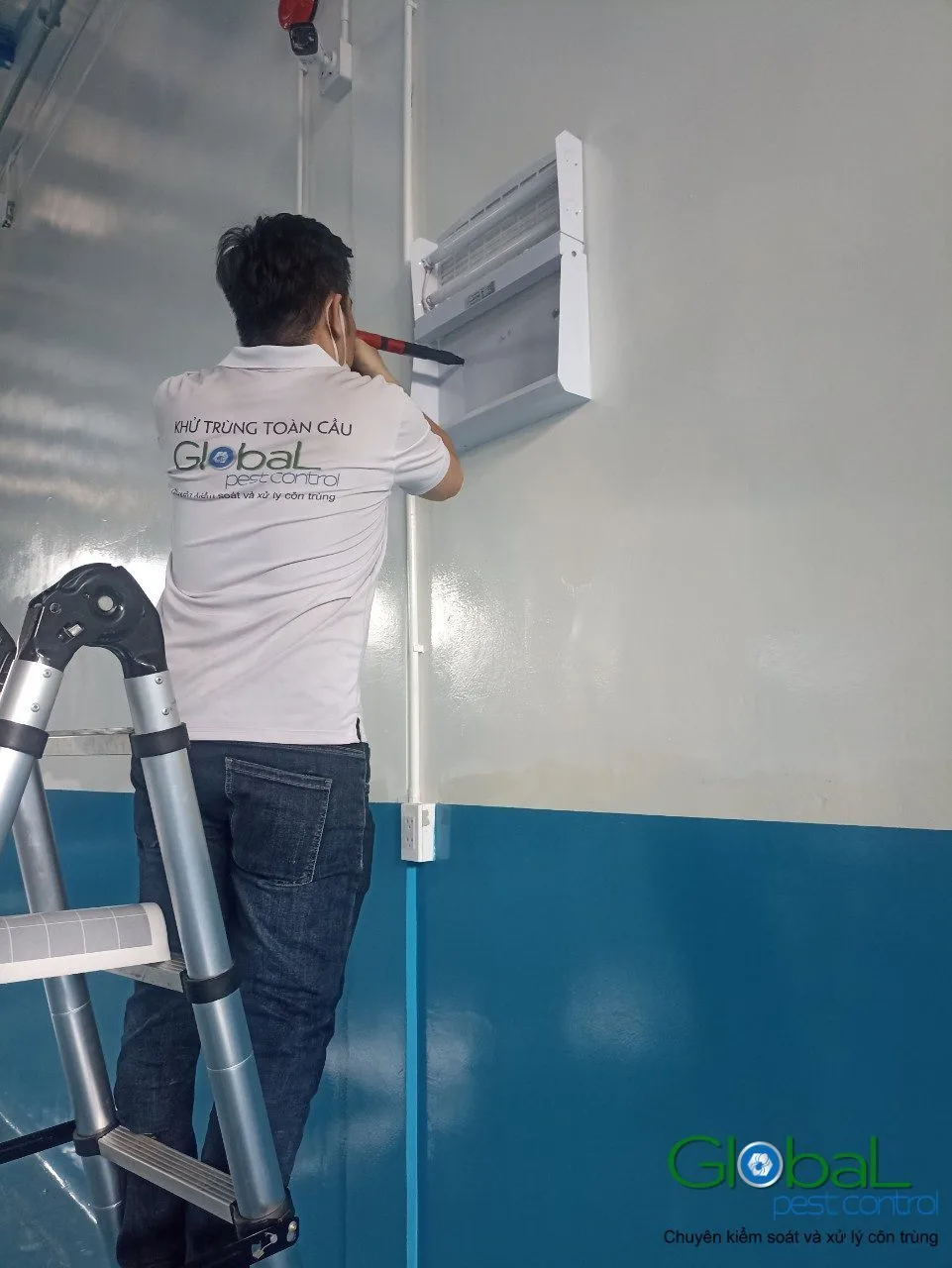
Rodents move toward buildings from December onward as open water disappears. December is therefore the right month to complete the proofing identified earlier in the year, and the last comfortable month to do external work before the January pressure arrives.
It is also the month to check that external bait stations contain fresh bait rather than merely existing. Bait left in a station through a Ho Chi Minh City wet season is usually stale and sometimes mouldy, and a station full of uneaten mouldy bait reads as a clean site when it is nothing of the sort.
The household list
Fill every trap. Empty every bin. Clear the fridge of anything that will not survive the trip. Decant or discard opened dry goods, because rice and flour left through a closure in a humid store cupboard is the commonest single finding on return. Empty and wipe balcony saucers and the air-conditioner tray.
Then, if you are travelling, ask somebody to visit once and run water down every drain. That single request removes the largest of the closure problems entirely.
The business list
Confirm the last collection date for waste and plan the final clean around it rather than the other way round. Deep clean behind and beneath equipment while the site is quiet, because this is one of two windows in the year when that is easy. Check that the site plan and the device numbering still match reality after a year of changes.
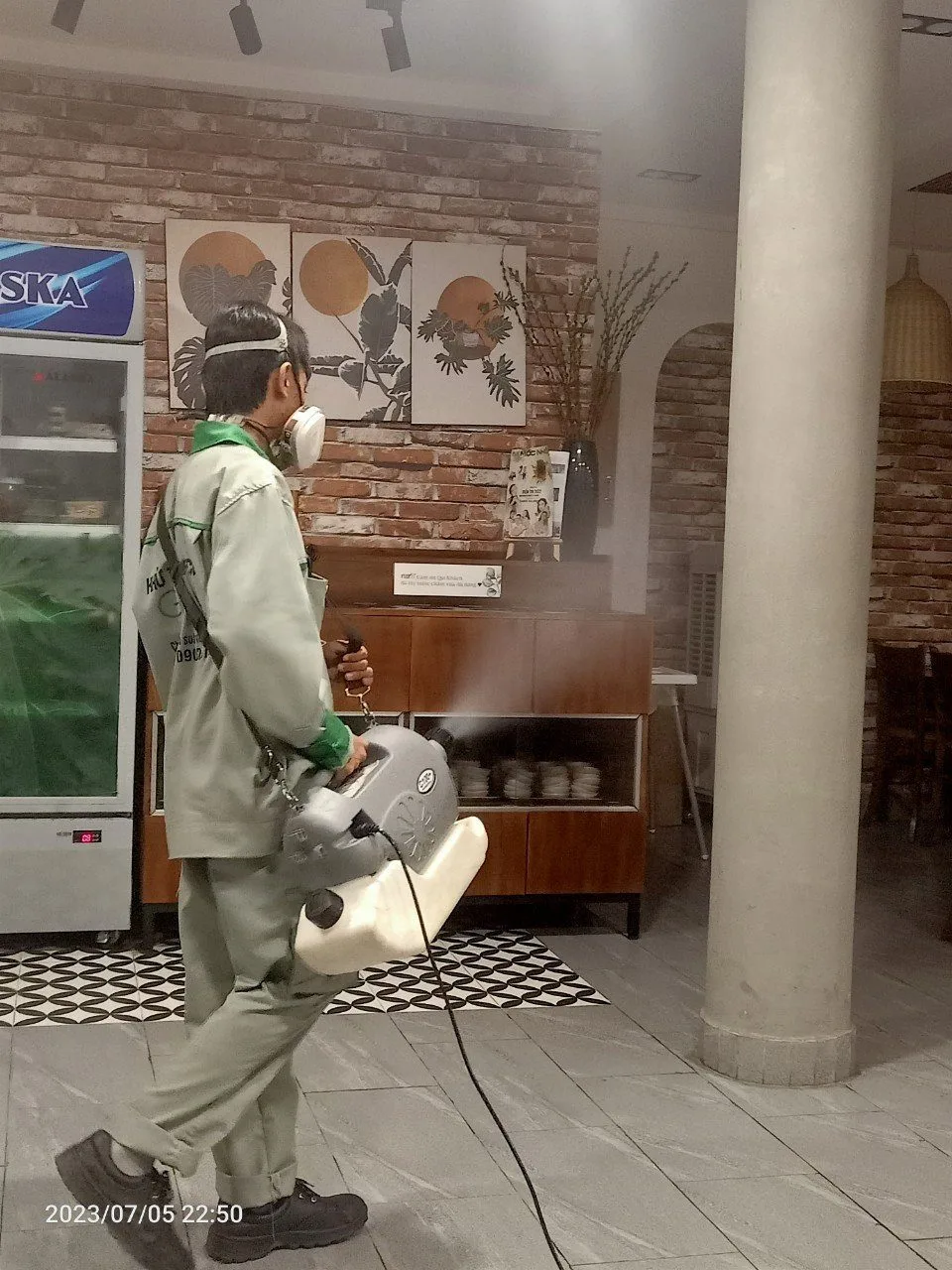
And schedule the treatment for the closure rather than for the reopening. An empty building with no competing food is the best working environment a bait programme will ever have, and the two weeks of an unoccupied site do more than four occupied visits.
One item is specific to December in this city and is easy to miss. Air-conditioning runs less through the cooler weeks, which means condensate drains that were flushed daily through the hot months now sit dry, and the trays under outdoor units stop being emptied by their own overflow. Both are worth a check before they are forgotten until March.
What to ask your contractor for
A written annual summary rather than another service report: what was found, where it recurred, what was recommended and what was actually done about it. Any established contractor can produce this, few offer it, and it is the document that turns a year of visits into a plan for the next one. It is also what makes a change of provider straightforward if you ever need to make one.
Related reading
See the October treatment window and January rodent pressure. For closures, closing a property over a holiday and Tet holiday closed kitchens. On records, trend data. Our parent company issues Vietnamese-language annual summaries through its commercial programme.
Global Pest Control is the English-language arm of Khử Trùng Toàn Cầu, based in Thu Duc City.
Common questions
Is it worth treating a restaurant during the Tet closure?
It is the single best opportunity in the year, and most sites miss it. The kitchen is empty, equipment can be moved, there is no competing food for bait, and there is no re-entry constraint. A treatment during a ten-day closure achieves more than several visits squeezed between services.
We are away for three weeks in December. What matters most?
The drains, then the bins, then the dry goods, in that order. Everything else can wait. If somebody can visit once to run the taps, that covers the first item entirely, and it is worth asking even of a neighbour you barely know.
Our contractor has never given us an annual summary. Should we ask?
Yes, and ask now rather than in January. A summary written while the year is fresh is better than one assembled later, and the request itself is informative — a contractor who has been recording findings properly can produce it within a week, and one who has not will find it difficult.