Why Kitchens Come Back From Tet With a Pest Problem
Restaurants, offices and family kitchens that close for a week or two at Tet often reopen with a problem they did not have before. It is consistent enough to plan around, and the reason is not mysterious.
Two things change while a kitchen sits idle. Nobody disturbs the insects, so they forage further and more openly than they would in a working kitchen. And the floor drains dry out, which removes the water seal that normally blocks the pipe.
A quiet kitchen is a different environment
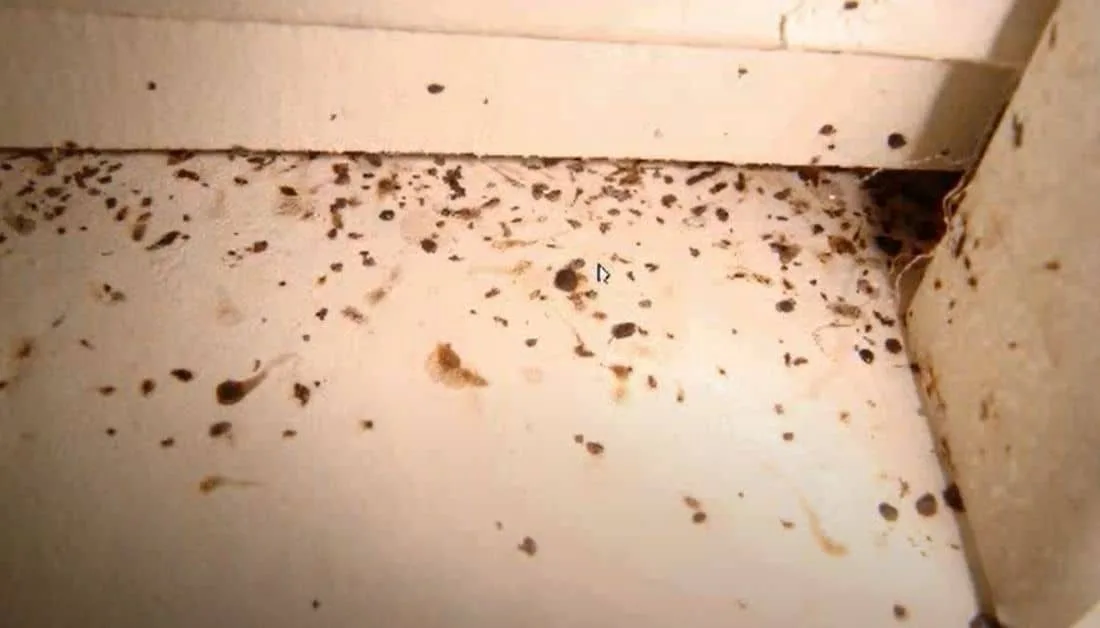
Cockroaches avoid movement and light. In a kitchen that runs sixteen hours a day they stay in cracks and come out only at night, which is why a busy restaurant can have a substantial population and see very little of it. Close the kitchen for ten days and the same population spreads across surfaces, into dry stores and into equipment that is normally in use.
When the staff come back, the insects are suddenly visible everywhere. The population did not explode over Tet — it simply stopped hiding.
Dry drains open a route between floors
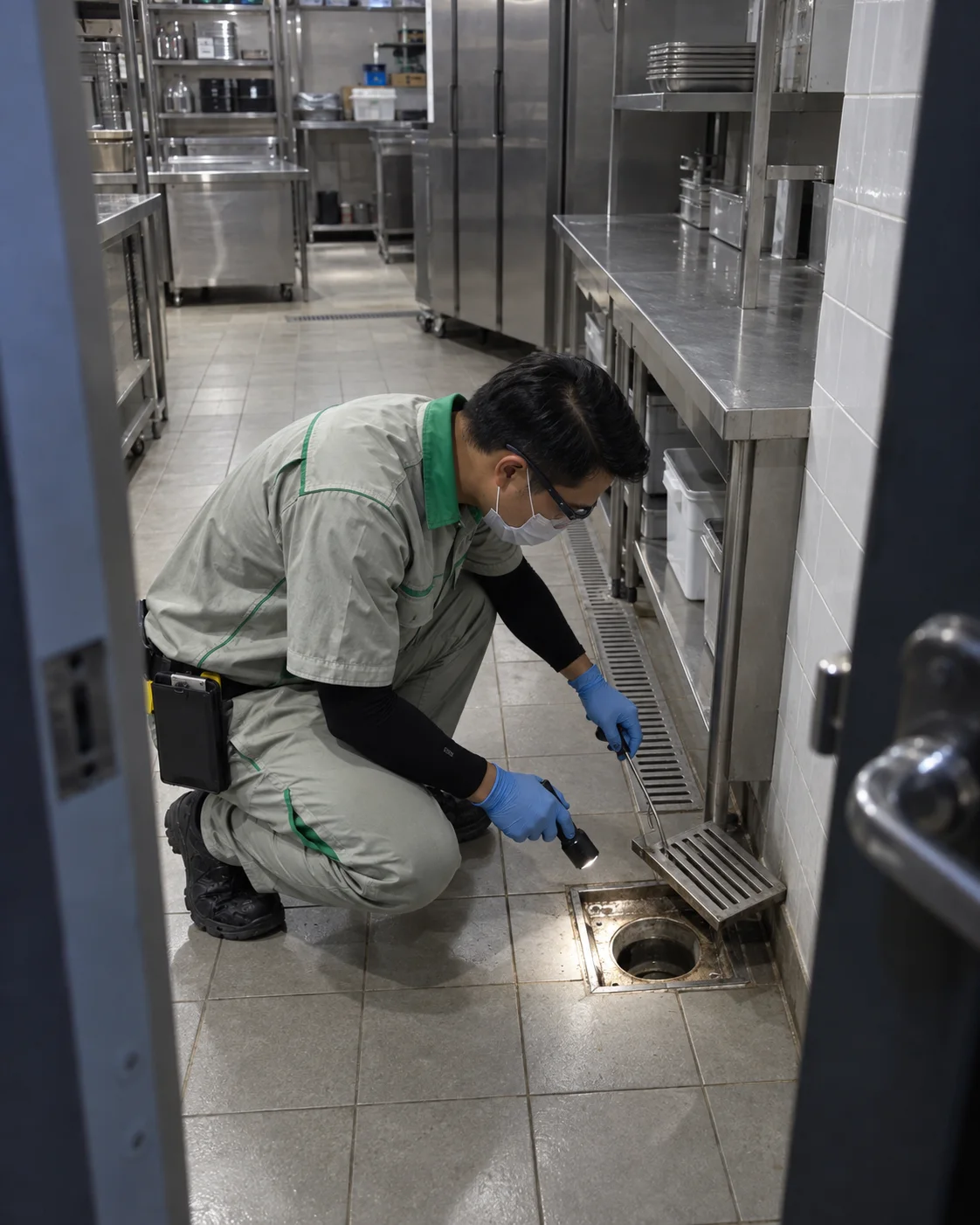
Every floor gully holds a water seal. In a working kitchen it is topped up constantly. Over a week of closure in the dry season it evaporates, and the drain becomes a clear pipe connecting your kitchen to the rest of the building and to the sewer.
This is the usual explanation when a kitchen that had German cockroaches before the holiday has large American cockroaches after it. They are a different species arriving by a different route.
Closing a kitchen down properly
- Empty and clean under and behind all equipment, especially anything warm — that is where residue accumulates
- Move dry goods into sealed containers rather than leaving opened packaging on shelves
- Empty and wash bins, then leave them dry with lids closed
- Fill every floor gully with water on the last day, and cover it
- Clear grease traps before closing rather than after reopening
- Leave nothing organic in the refrigerator if the power will be switched off
The best time for treatment is before the closure, not after
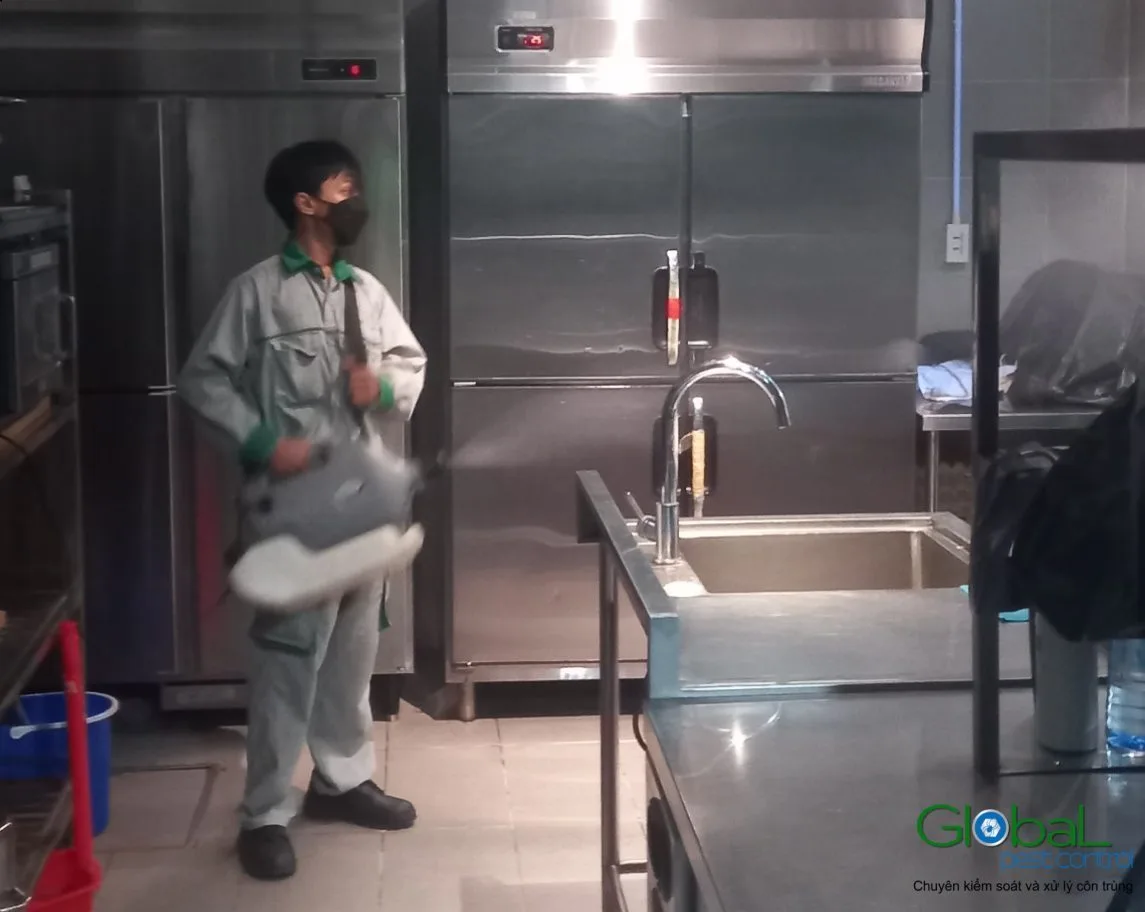
A closed kitchen is the easiest environment to treat properly: no food preparation to work around, no staff to keep clear of treated surfaces, and time for baits to work through a population without being cleaned away.
Treating in the week before closure and inspecting on the day of reopening is far more effective than reacting to what staff find on the first morning back. It also avoids the worst case, which is a reopening delayed because the kitchen is not fit to use.
For offices and homes
The same logic applies at a smaller scale. An office pantry left with an open bin and a dry floor drain for two weeks will have visitors. So will an apartment where the rubbish was not taken out before the family travelled.
Five minutes of closing-down work removes most of the risk, and it is the same five minutes whether the closure is Tet, a summer holiday or a long weekend.
Reopening: the first two hours
- Do not switch everything on and start prep — walk the kitchen first with a torch
- Check floor gullies, refill them, and look for anything that has come up through them
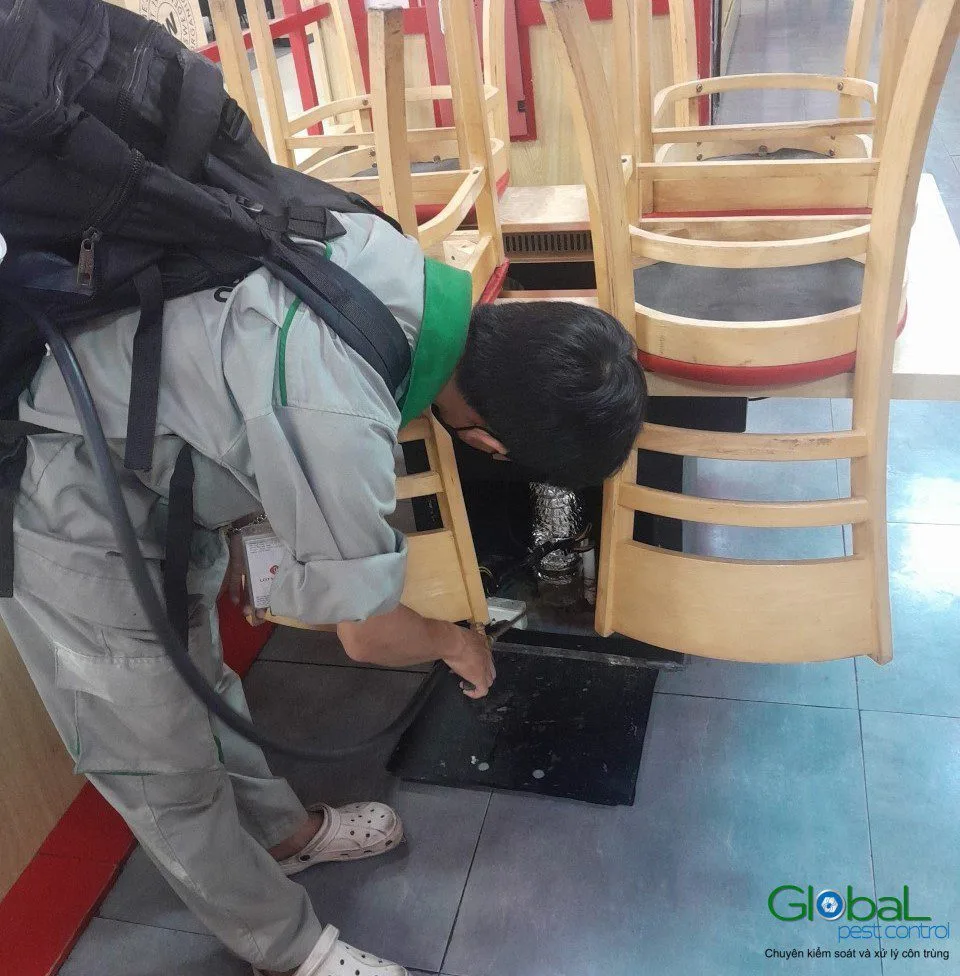
- Look behind and under every warm appliance before it is switched on
- Check dry stores for gnaw marks on packaging and for droppings on shelf edges
- Check the grease trap and the external bin area before the first delivery arrives
Twenty minutes of looking before service starts is what prevents the problem being discovered mid-shift, which is when it becomes expensive.
Why rodents are the bigger risk in a long closure
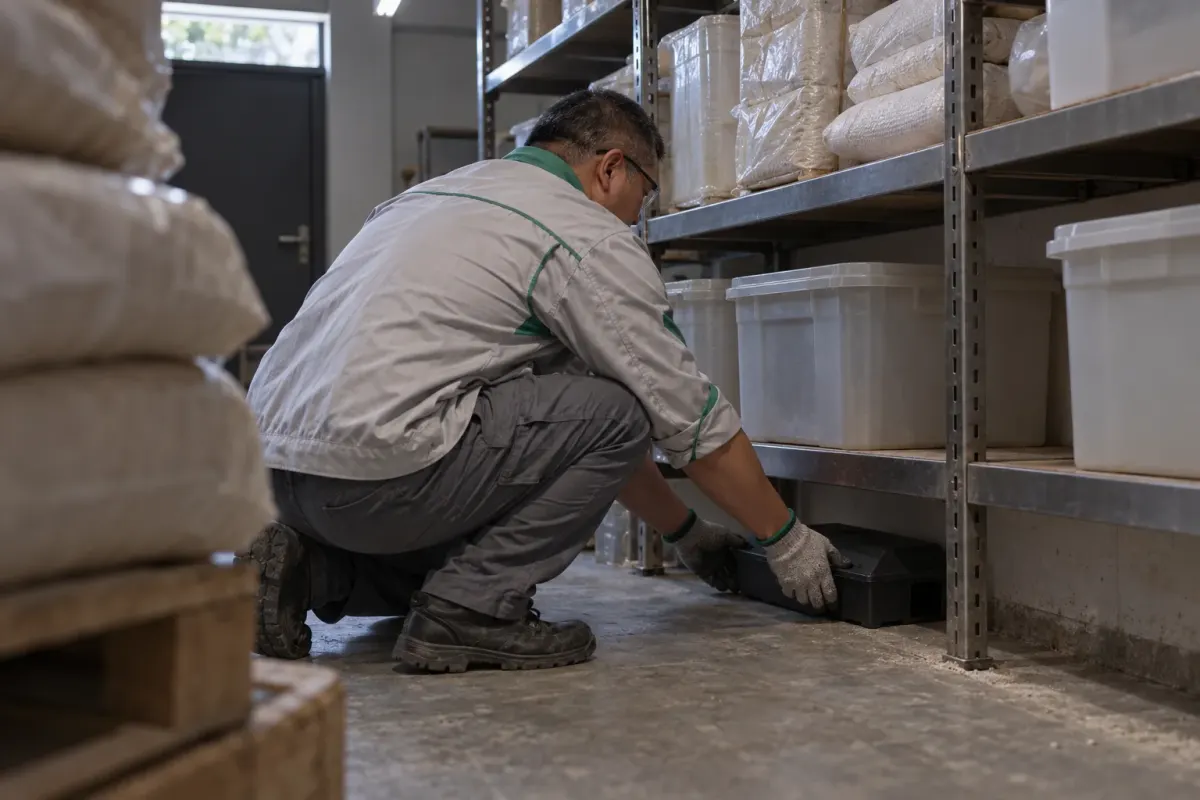
Insects spread and become visible. Rodents do something worse: with no people in the building they explore, gnaw and nest, and they do it in places they would never use in a working kitchen — inside equipment housings, in dry store pallets, behind fixed units.
Damage to cabling is the expensive version of this, and it is usually found when something does not switch on. A closed kitchen with no monitoring at all for two weeks is the scenario that produces it.
For a business that closes every year
Make the closedown a written checklist rather than a memory, and give it to whoever locks up. The same list works every year and takes an hour.
Where a pest contract is in place, ask for a visit in the week before closure and an inspection on the day of reopening. Contractors expect this request around Tet and will schedule it if asked in advance; asking on the day of reopening rarely works, because everyone else is asking too.
Staff accommodation and shared kitchens
Businesses with staff accommodation face the same problem in a second building, and usually with less attention. A shared kitchen left with food in cupboards and a full bin for two weeks produces exactly what a restaurant kitchen does, and the people who return to it are the same people who then walk into the workplace.
Include accommodation in the closedown checklist: bins emptied and removed from the building, food cleared or sealed, drains filled, and someone nominated to check it on the first day back. It costs nothing and it removes a source that is otherwise invisible to the business.
Global Pest Control is the English-language arm of Khử Trùng Toàn Cầu. The same technicians and the same programmes are described on the equivalent service pages in Vietnamese.
Book an inspection
Site inspections are free of charge and carry no obligation. A technician walks the property, identifies the species and the harbourage, and sends a written quotation with the method and the schedule — normally within one working day.
Request an inspection · See indicative prices · All services