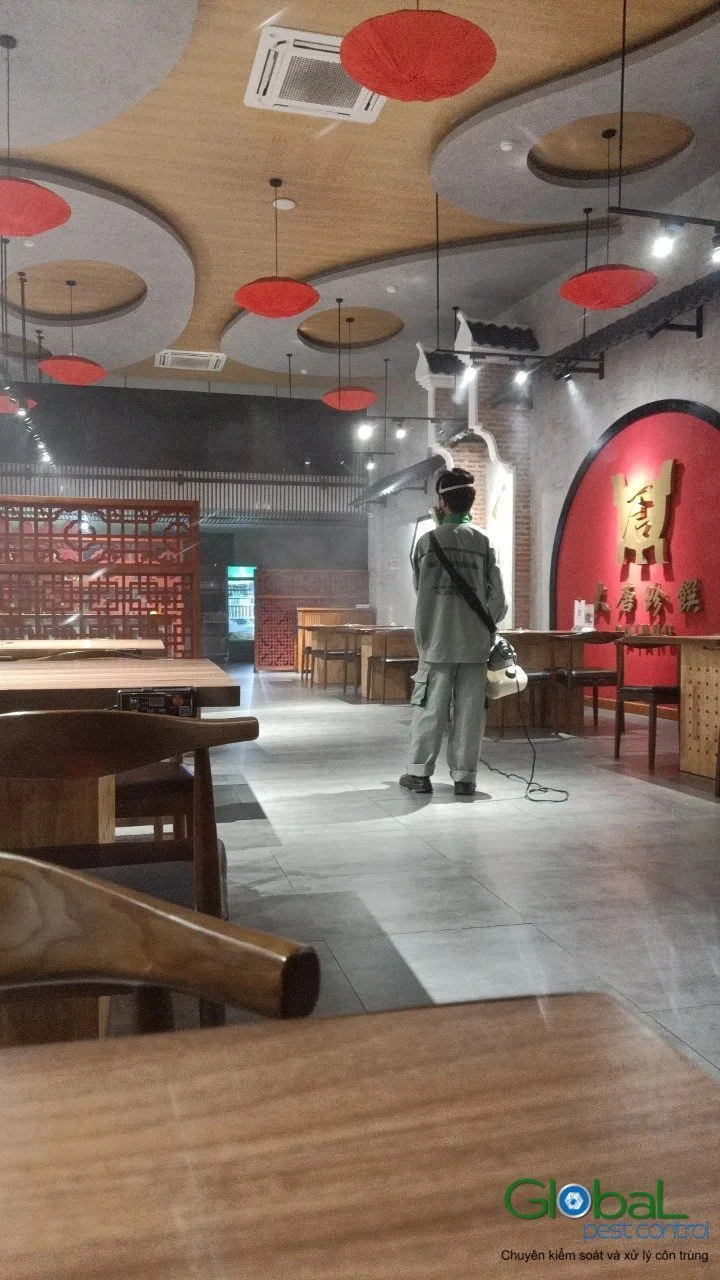
Fitting Out a Café Before the Equipment Arrives
A café is not a small restaurant. Most of the floor area is customers, the materials are dry rather than wet, and the room is warm for eighteen hours instead of six. During a fit-out that changes what is worth doing, and it changes where the money goes.
The single most useful hour of the whole build is spent in the empty shell with a torch and a tube of sealant, before a single machine is delivered.
The counter run is the whole job
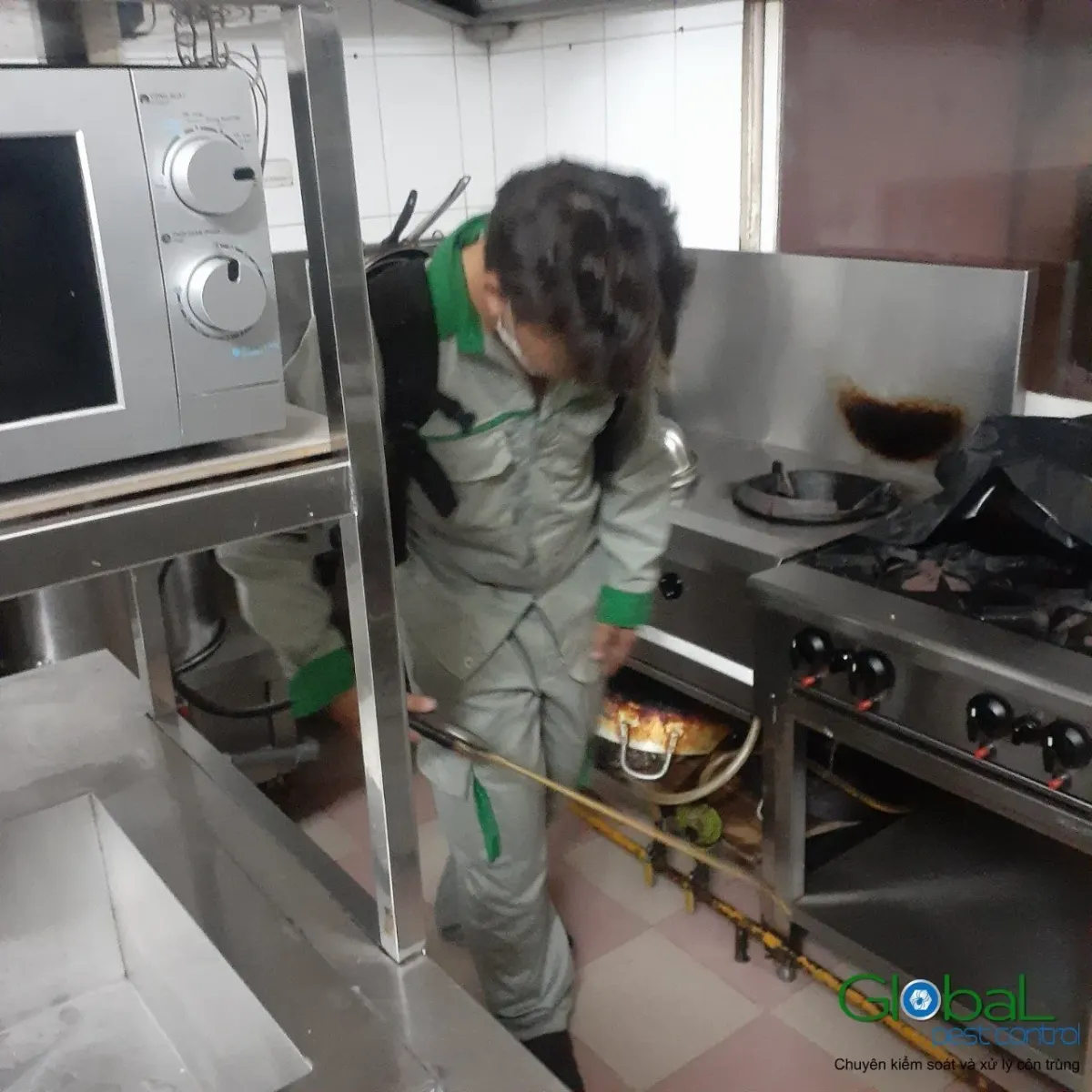
Almost everything a café will report for the next five years happens within two metres of the counter. The espresso machine and grinder sit on a warm plinth; the under-counter fridge runs a compressor at floor level; the sink, the drip tray drain and the ice well all discharge into a small area of floor; and the whole assembly is boxed in.
Specify it so it can be cleaned into. Either seal the counter base to the floor completely with no cavity, or leave it on legs with 150 mm of clear, moppable floor beneath. A 40 mm gap under a sealed-looking plinth is the worst of both: dark, warm, damp and unreachable.
Drainage that will actually be maintained
- Every drip tray must discharge to a trapped point, not into a bucket somebody empties. A bucket is a breeding site with a schedule attached to it.
- Floor gullies need removable baskets. A gully that cannot be lifted will not be cleaned, and it becomes the site's permanent fly source.
- The ice well overflow and the sink waste should not share an untrapped run — smell travels back up a shared branch.
- Where the counter meets the wall, seal the joint before tiling. Water gets behind unsealed joints and stays there.
Dry stores, even a small one
Flour, sugar, nuts, chocolate, syrups and coffee beans feed a group of insects a restaurant rarely meets: stored product pests. Indian meal moth and flour beetle breed inside the sack, which means surface treatment does nothing and only stock control works. Plan for shelving 150 mm off the floor and 50 mm off the wall, sealed containers for open product, and enough space to see behind everything. See pest control for cafés and bakeries for how these behave once you are trading.
The frontage, which most operators forget
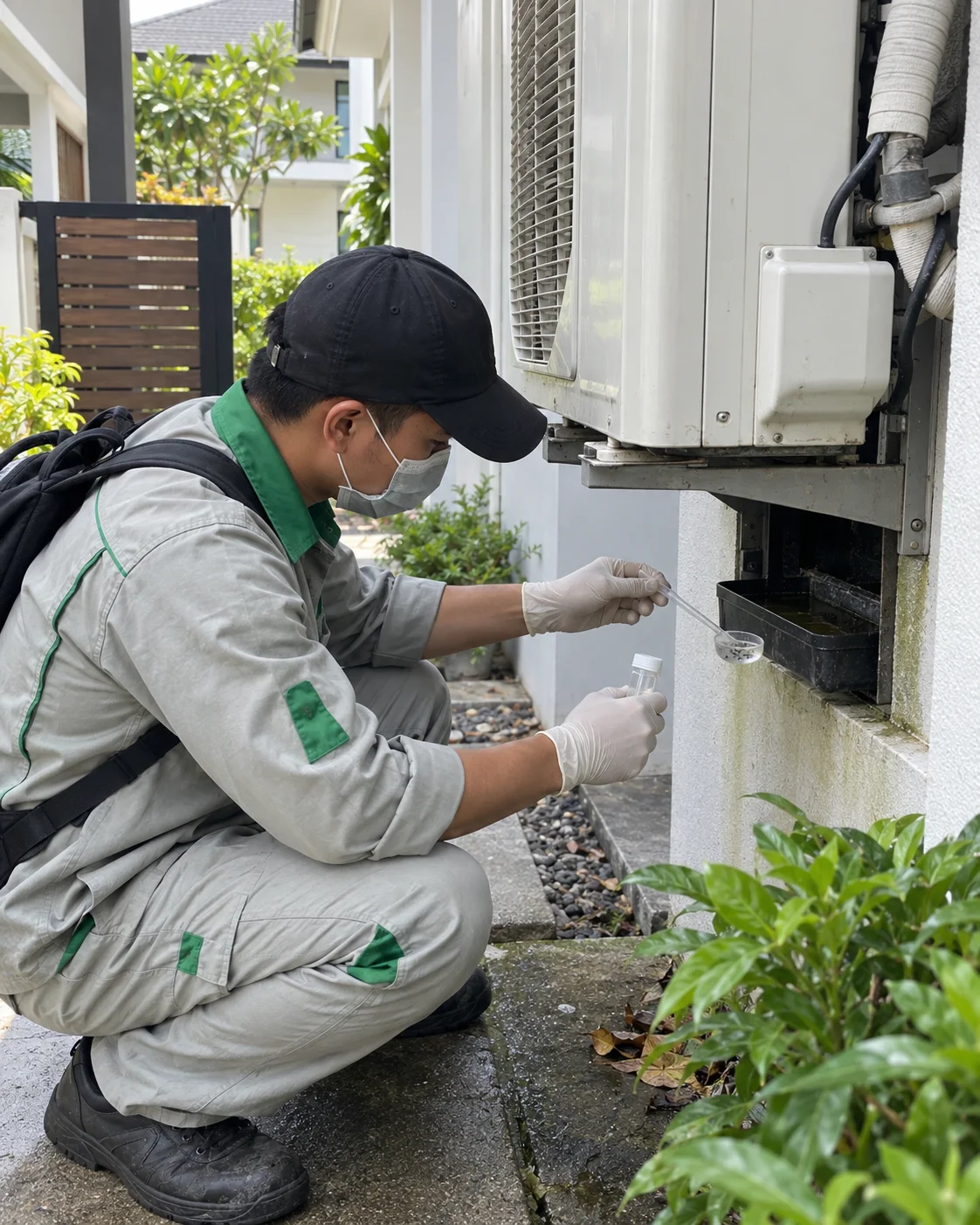
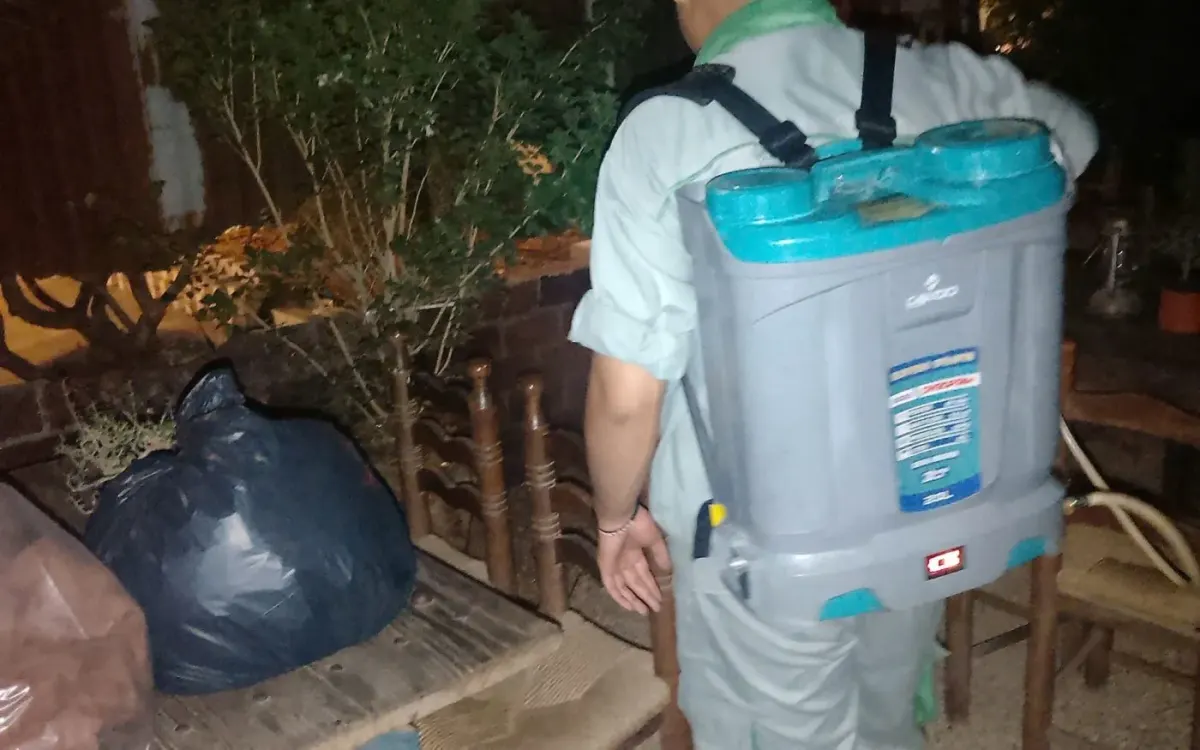
Outdoor and semi-outdoor seating is the norm here, and it puts customers next to planting, drainage and the street. During fit-out that means three decisions: do not specify planters without drainage holes and saucers you can empty; make sure the drainage channel along the frontage can be lifted and cleaned; and put the bin store somewhere with a door, not at the end of the seating.
Mosquitoes at dusk are the complaint that actually moves customers to another café, and almost all of it comes from standing water within a few metres of where they are sitting. See where mosquitoes actually breed — the list is the same for a café frontage.
Taking over an existing unit
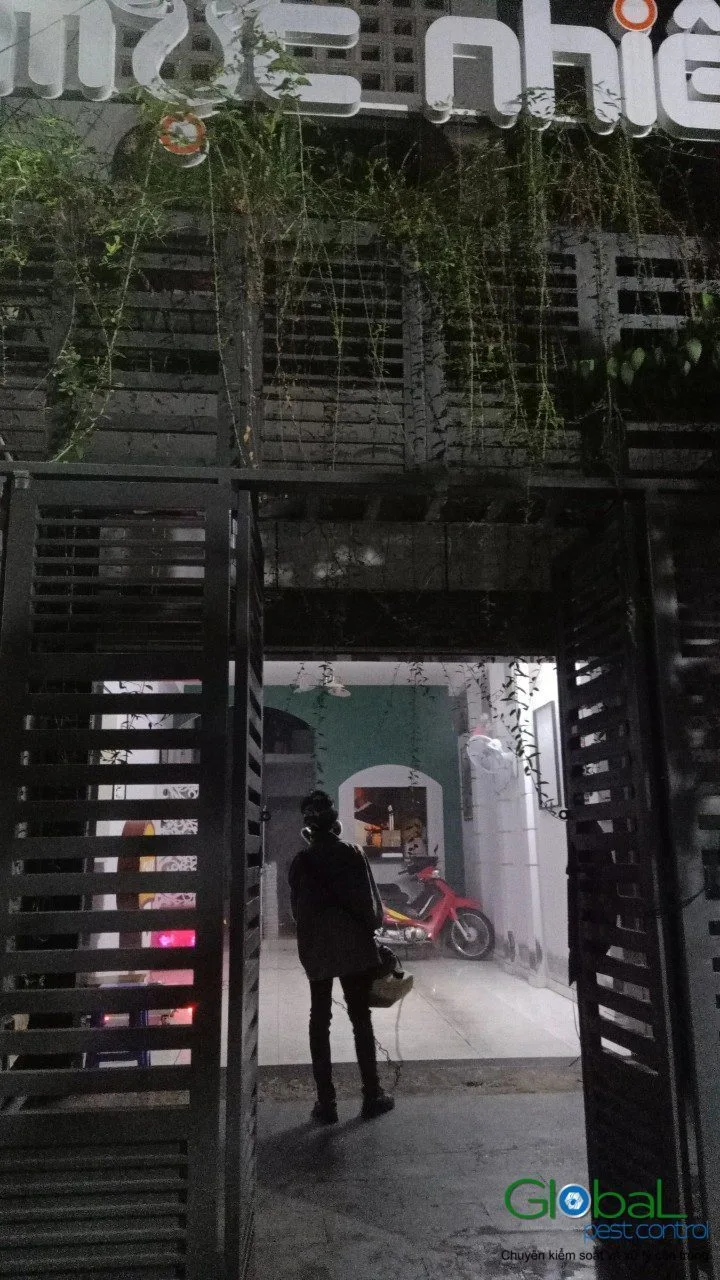
If you are fitting out inside a shell that was previously food, treat the strip-out as an inspection. Open the boxed-in areas before the builders close them again, photograph what is behind, and get a treatment done while the space is empty. A unit that has been vacant for months is usually quiet; a unit that traded until last week is usually not, and the population does not leave with the previous tenant.
Cost and timing
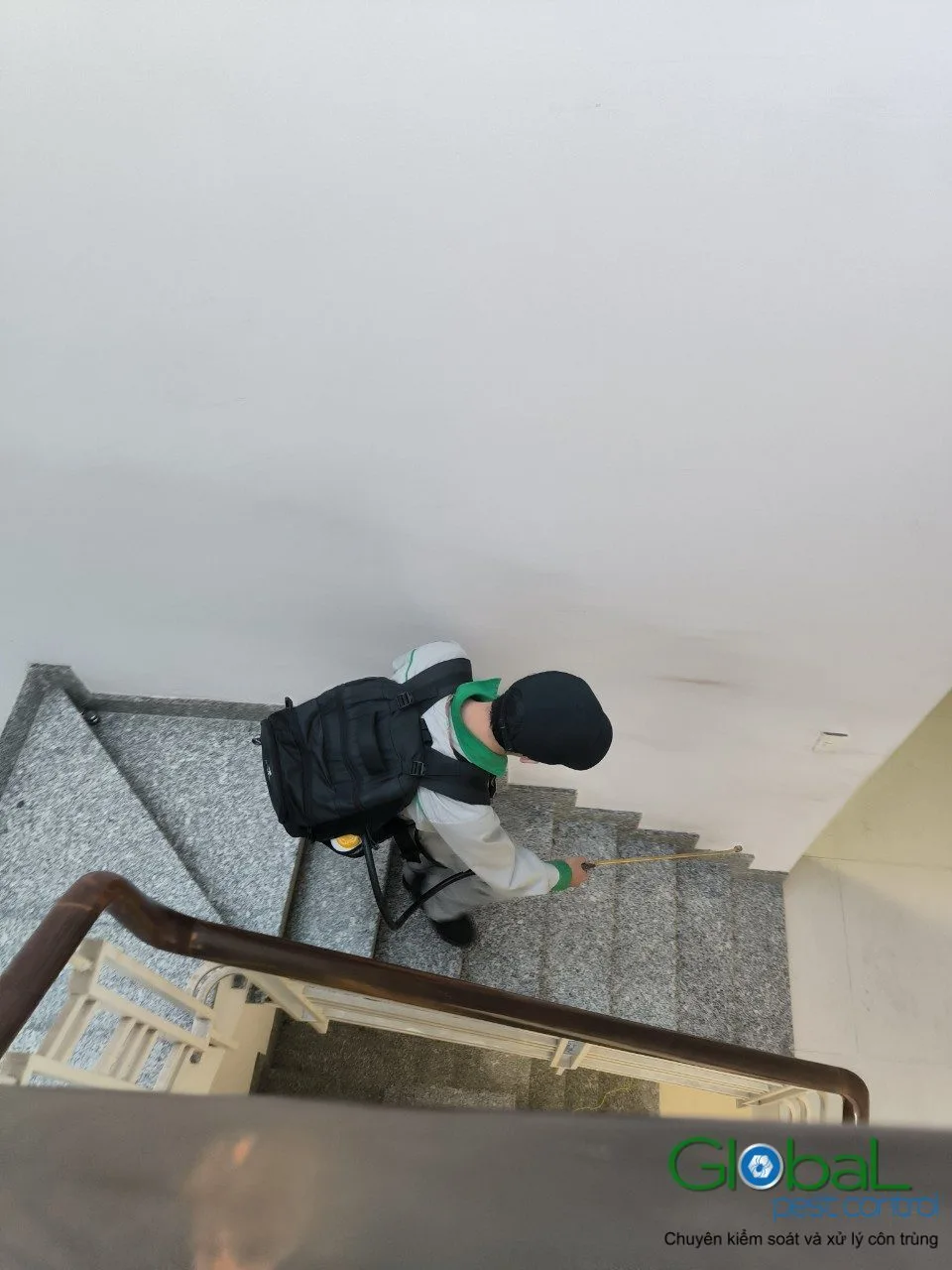
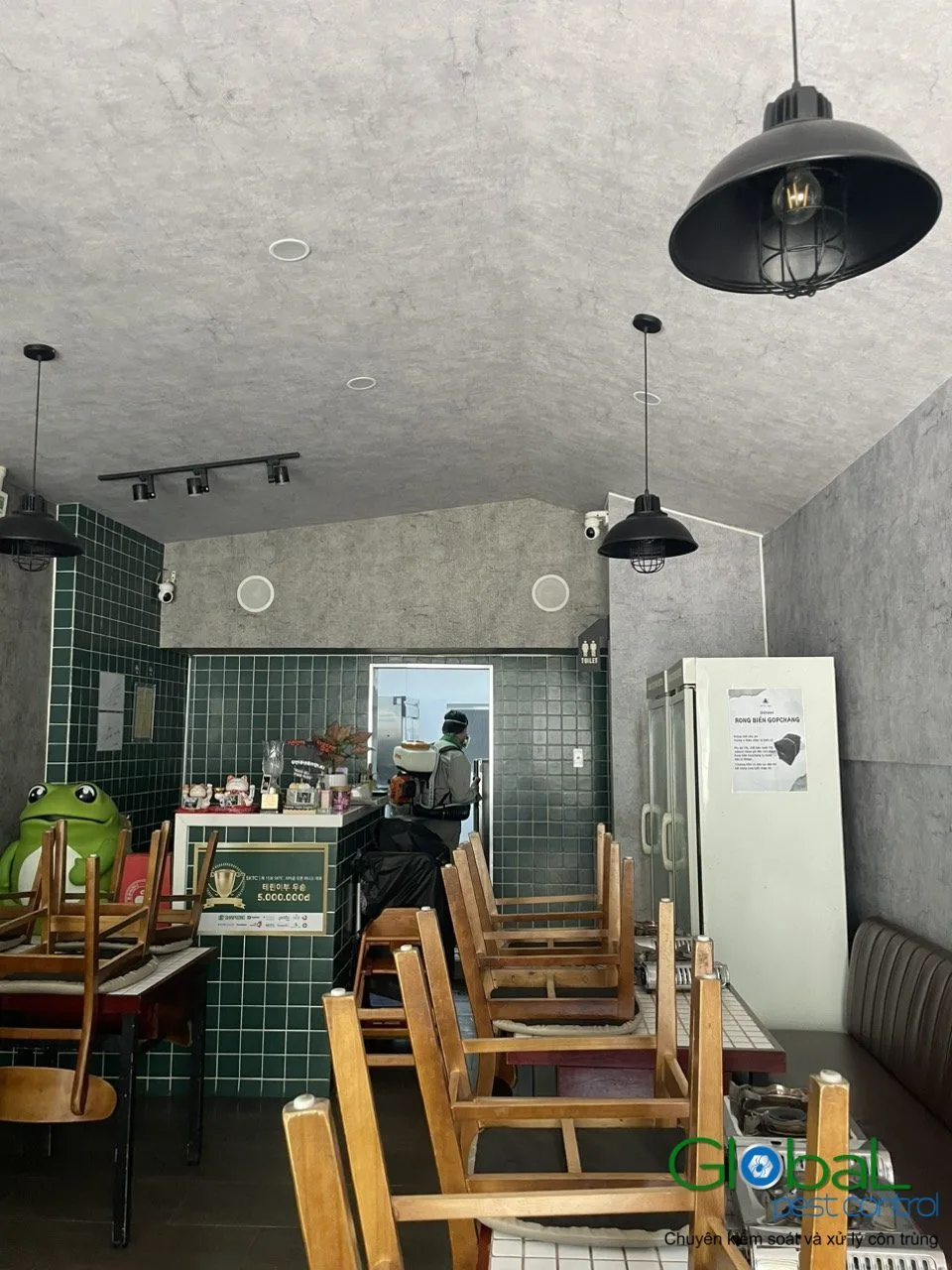
A proofing and baseline visit on an empty shell is short and inexpensive — no equipment to work around, no trading hours to schedule against. Book it once the first fix is done and the walls are closed but before the counter and machines land. Indicative pricing is on the price list; the survey is free and comes with a written list of the gaps found so your builder can close them while they are still on site.
Global Pest Control is the English-language arm of Khử Trùng Toàn Cầu. Reports and records in English for a foreign-owned café, Vietnamese for the landlord and the contractors. Vietnamese-language services are at khutrungtoancau.vn.
Ventilation and the eighteen-hour room
A café is warm and occupied far longer each day than a restaurant, and that changes the humidity picture. Steam wands, dishwashers and an ice well running from six in the morning put a lot of moisture into a small room, and if the extract is undersized it stays there. High humidity suits cockroaches, drain flies and silverfish, and it also keeps surfaces damp enough that spills never fully dry.
During fit-out, size the extract for the equipment rather than for the floor area, and make sure it discharges outside rather than into a ceiling void. A ceiling void receiving warm damp air is a problem you cannot see and cannot easily treat.
Related reading
Once you are open, the café and bakery programme covers the recurring work. For the records a delivery platform or a landlord will ask for, see pest control for businesses in Vietnam. If you are taking over a unit that already traded, pest problems in older buildings and shophouses is worth reading first, and how pest treatment works explains what a first visit involves.
Common questions
Is it worth treating a shell that has never been used?
A treatment, often not. A proofing survey, almost always — the value is the list of penetrations and gaps, which is cheap to fix now and expensive later. If the shell is inside a building with other food units, a baseline treatment is worth it as well.
Our landlord says the building is treated. Does that cover us?
It covers the common areas: corridors, refuse rooms, basements, landscaping. It stops at your door and it is not a record of your unit. For a food business you need your own file regardless, because that is what an audit or a delivery platform will ask for.
How long before opening should the last visit be?
Two to five days. Late enough that the equipment is in and the real gaps are visible, early enough that any gel bait has had time to work and any proofing can still be finished before you trade.