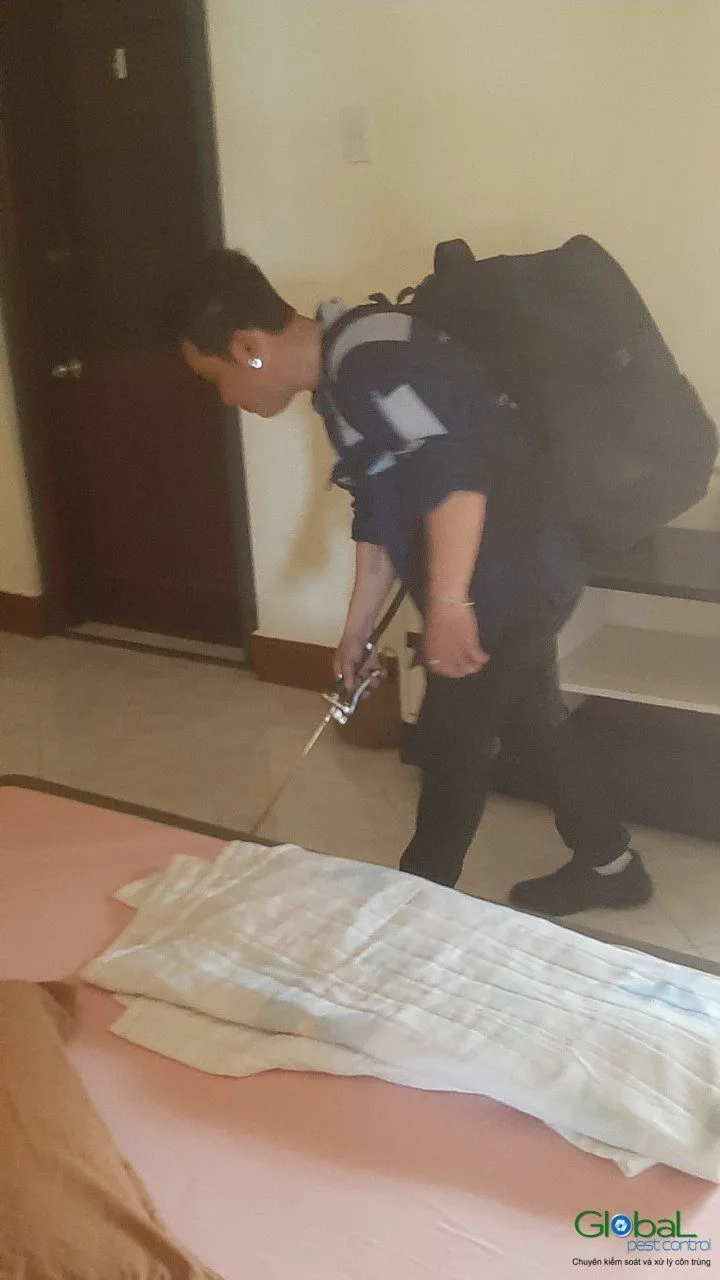
Working From Home in a Tropical Apartment
An apartment that is empty from eight to seven behaves differently from one that is occupied all day. Most people who moved to remote work in Ho Chi Minh City noticed the change within a few months without connecting the two, usually as ants on a desk in the afternoon.
Three things change, and all three are easy to manage once you know what they are.
One: food moves out of the kitchen
Eating at a desk means crumbs on a desk, coffee rings, a plate left until the next call finishes, a snack drawer. From an ant\x27s point of view a home office is a new feeding site in a room that previously had none, and it is a room with cable trays, a printer and a monitor stand to shelter under.
The fix is behavioural rather than technical and it works completely: eat in the kitchen, keep no food in desk drawers, and wipe the desk at the end of the day rather than in the morning.
Two: the balcony door is open for hours
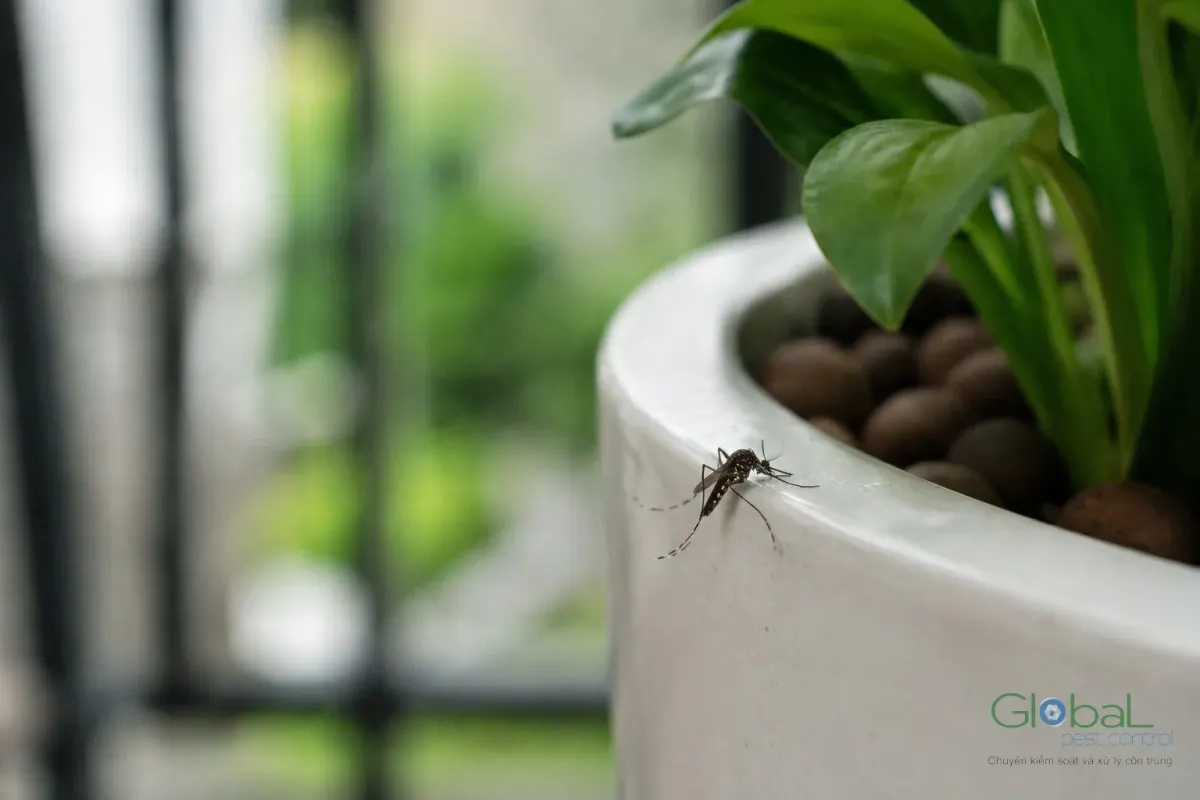
Working with the balcony open is one of the pleasures of living here, and it is also eight hours a day of unscreened opening. Mosquitoes come in during the late afternoon rather than at night, which is why people working from home report being bitten at their desk around four or five o\x27clock.
A screen on the sliding door solves it and costs little. Where a screen is not possible, a fan pointed across the seating area works better than most people expect, because mosquitoes fly poorly in moving air.
Three: the apartment stays warm and lit
Equipment running all day, lights on into the evening, and doors between rooms left open all change the internal environment slightly. Individually none of this matters much; together it means a slightly warmer, slightly more continuously active space, and it removes the long quiet period that used to interrupt things.
The home office checklist
- No food or wrappers in desk drawers. This is the single biggest one.
- A screen on the balcony door if you work with it open.
- Cable management off the floor, so the desk area can actually be cleaned.
- The bin emptied daily, particularly if it takes food waste.
- No plant saucers with standing water in the room you sit in all day.
Being at home changes what you can arrange
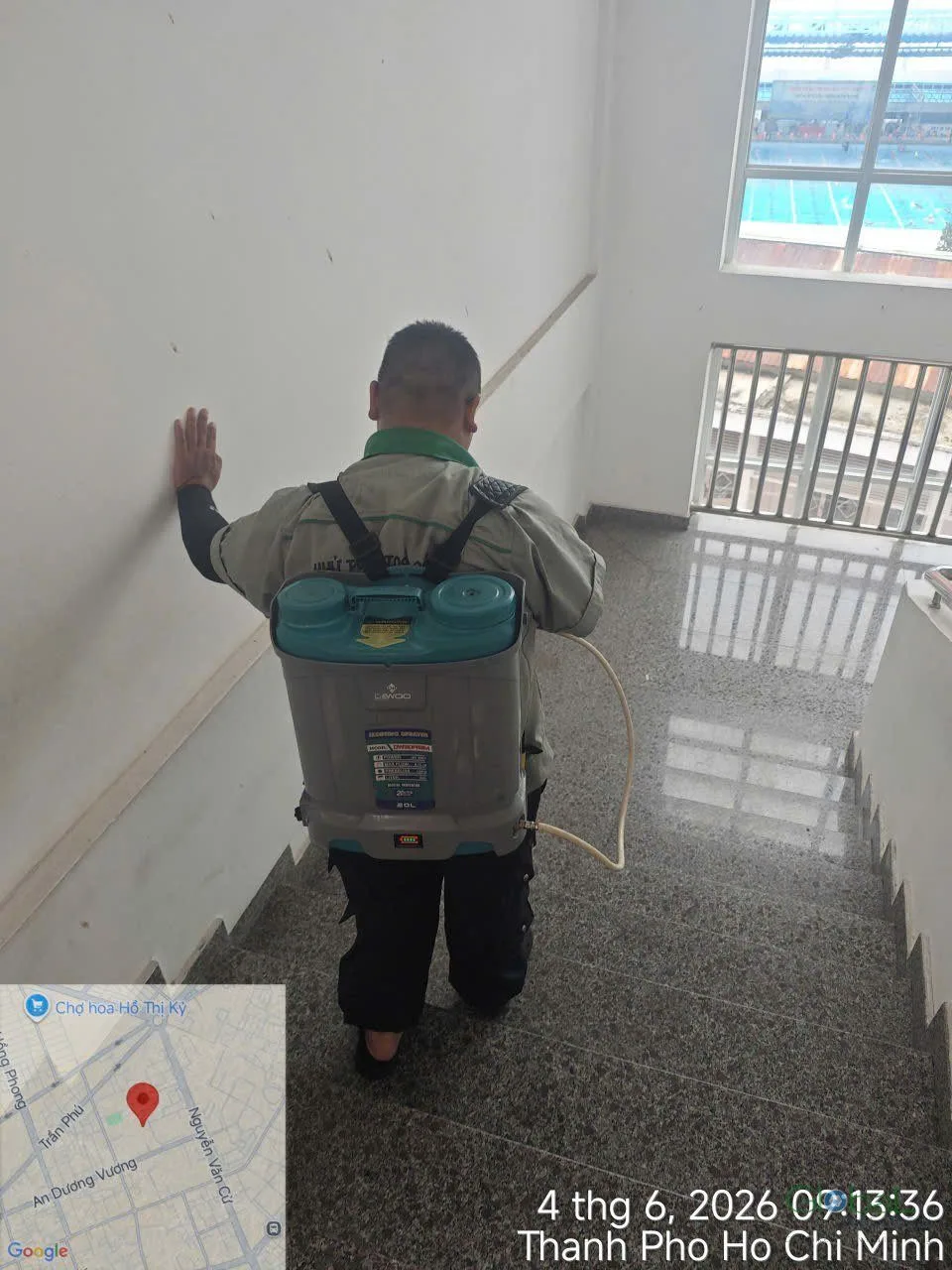
There is an upside worth using. Being at home means you can let a technician in on a weekday morning, which is when the work is easiest to schedule, and it means you can observe patterns nobody who leaves at eight ever sees — where an ant trail actually runs, what time it appears, which room the mosquitoes arrive in.
That information genuinely shortens a job. A customer who can say "the trail comes from the left side of the balcony door between three and five" has done half of the survey.
Two smaller effects are worth mentioning. Air-conditioning a single room for eight hours a day pulls warm humid air toward the cooled space through every gap in the room, and it produces condensate on the outdoor unit continuously rather than in short bursts. Neither creates a problem on its own, but both explain why a home office often becomes the room where activity concentrates.
Ants are the characteristic problem
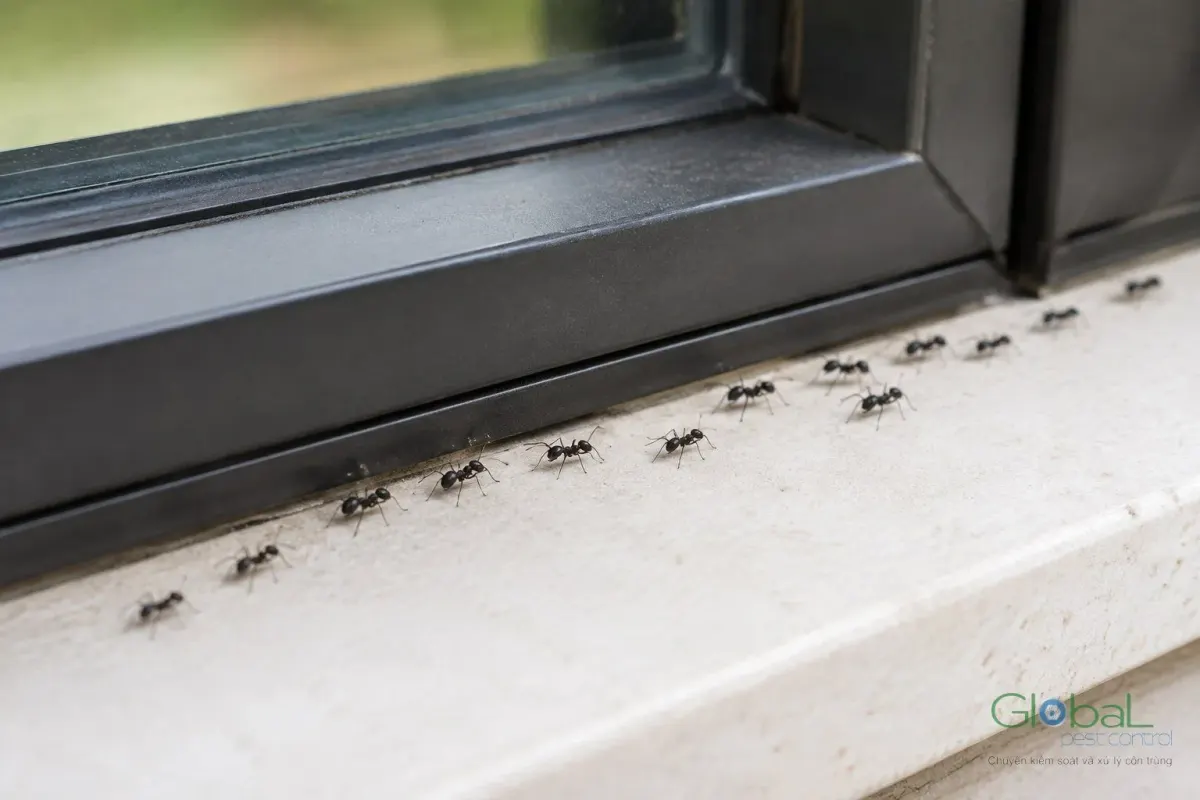
Of everything associated with working from home here, ant trails to a desk are by far the most common. The instinct is to wipe the trail, which removes the pheromone path and scatters the foragers without affecting the nest at all — the trail reappears a day later on a slightly different line.
The approach that works is to leave the trail, place a bait on it rather than beside it, and accept that numbers increase for two or three days before they fall. That increase is the bait being carried back, and interrupting it at that point is why most self-treatment fails.
Related reading
Ant behaviour is covered in reading an ant trail and why bait looks worse before it gets better. For the balcony, balcony planters, and for shared workspaces, coworking and small offices. The household programme is our apartment programme. Our parent company runs the Vietnamese-language ant control programme.
Global Pest Control is the English-language arm of Khử Trùng Toàn Cầu, based in Thu Duc City. Weekday morning appointments are the easiest to book and the least disruptive.
Common questions
Why do the ants only appear in the afternoon?
Foraging activity here is strongly influenced by surface temperature, and many species avoid the hottest part of the day on exposed surfaces. Late afternoon is also when a desk has accumulated a day of crumbs. The timing is useful information rather than a curiosity, because it tells a technician when to look.
Does an electric mosquito racket or a plug-in help?
A racket is satisfying and removes individuals. Plug-in vaporisers do reduce biting in a closed room and are reasonable for a bedroom overnight; in a room with a balcony door open all day they achieve very little, because the room is not closed. A screen does more than either.
Should I get a treatment or just change habits?
Try the habits first for two weeks, because most home-office ant problems resolve with the food source removed. If a trail persists after that, it is coming from a nest with another food source and it is worth treating properly — at which point knowing the trail route, which you now do, makes the visit short.