Leaving Vietnam: Closing Up a Home for Good
Leaving a country is a logistics problem with a deadline, and the apartment handover usually lands in the same week as the shipping, the bank account closure and the farewell dinners. It is also the point at which a landlord decides how much of your deposit to return.
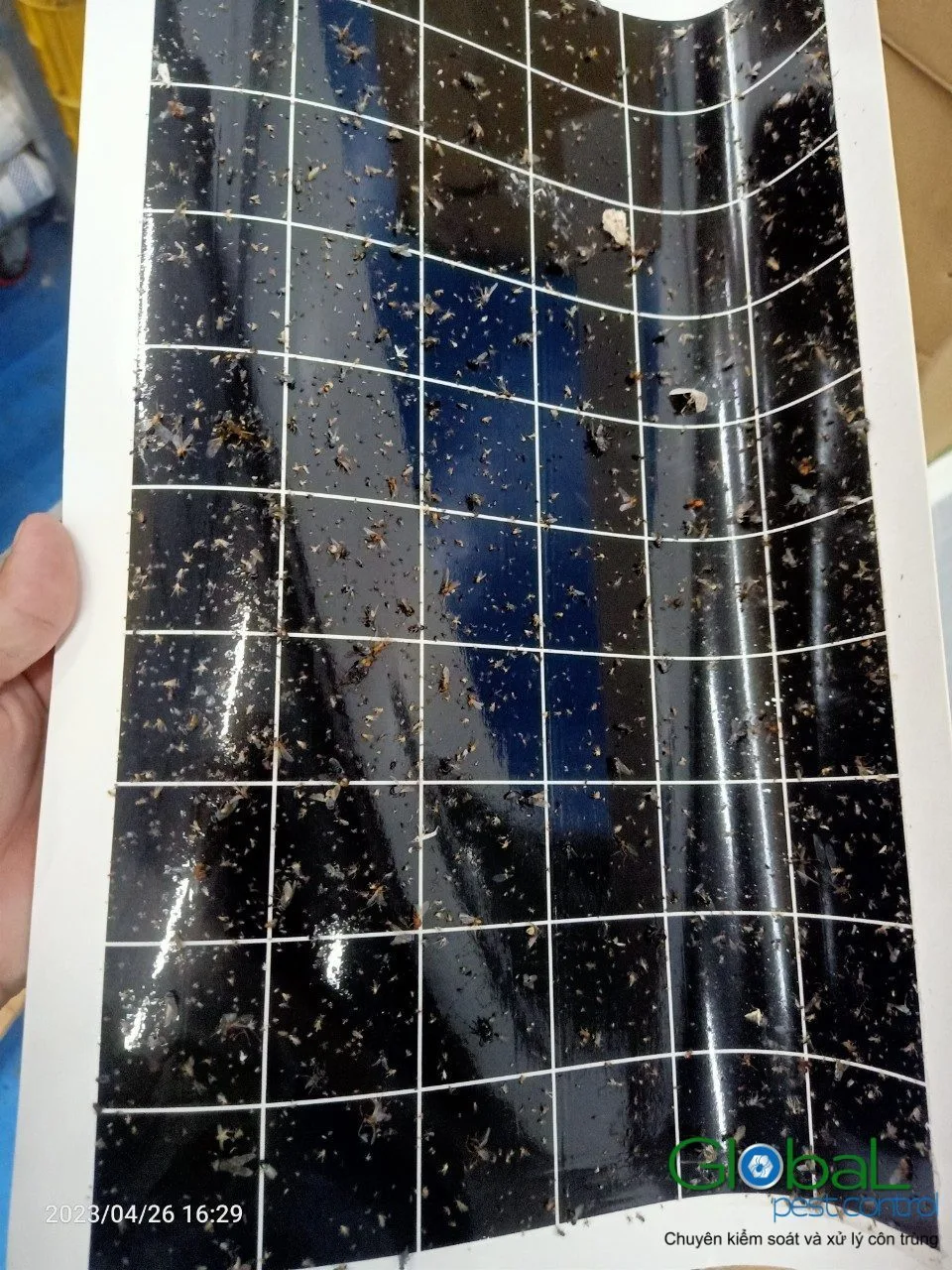
In our experience of Ho Chi Minh City tenancies, the three things landlords actually inspect for are damage, cleanliness and evidence of pests. The third is the one nobody plans for.
Read the lease before you plan the last month
Many Vietnamese leases contain a clause requiring the property to be professionally cleaned, and some require pest treatment, before handover. Others say nothing at all, in which case nothing is required and any request at handover is a negotiation rather than an obligation.
Find out which of those two you are in now rather than in the final week, because it changes both the budget and the schedule. If the lease is in Vietnamese only and you are unsure, it is worth having the handover clauses translated properly.
The order the last fortnight should run in
- Empty and dispose first. Nothing can be inspected or treated properly around boxes.
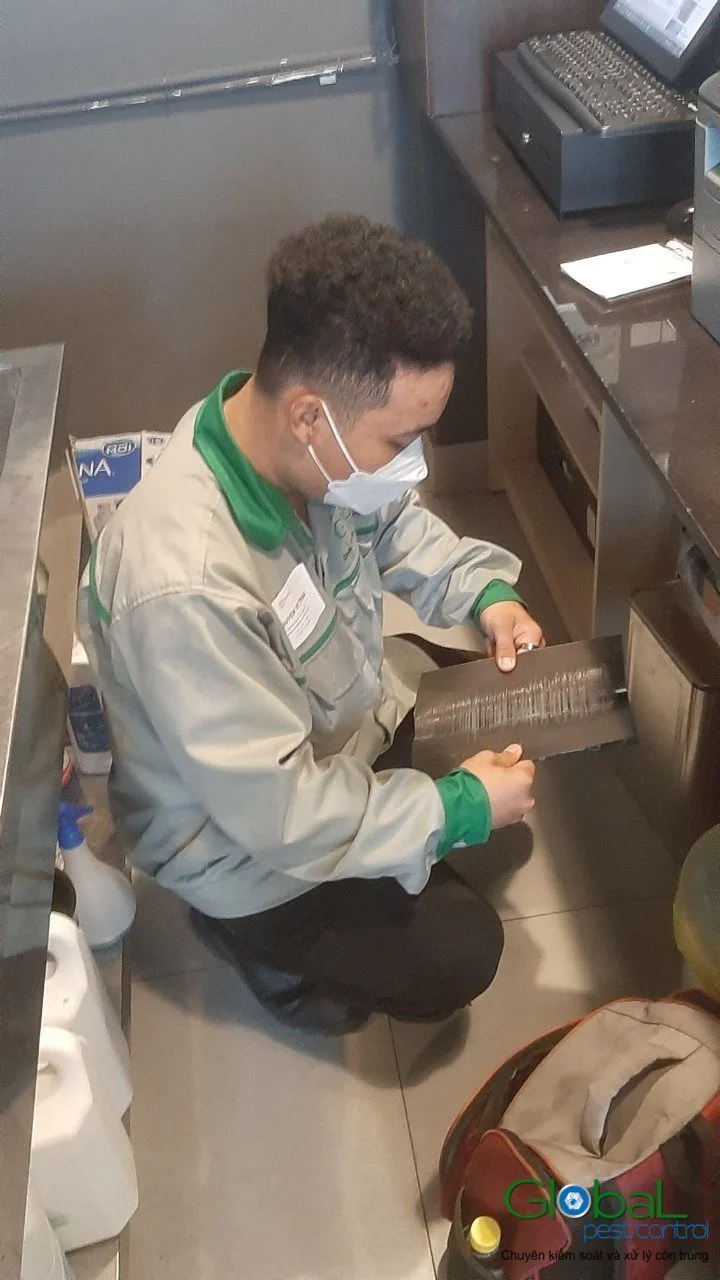
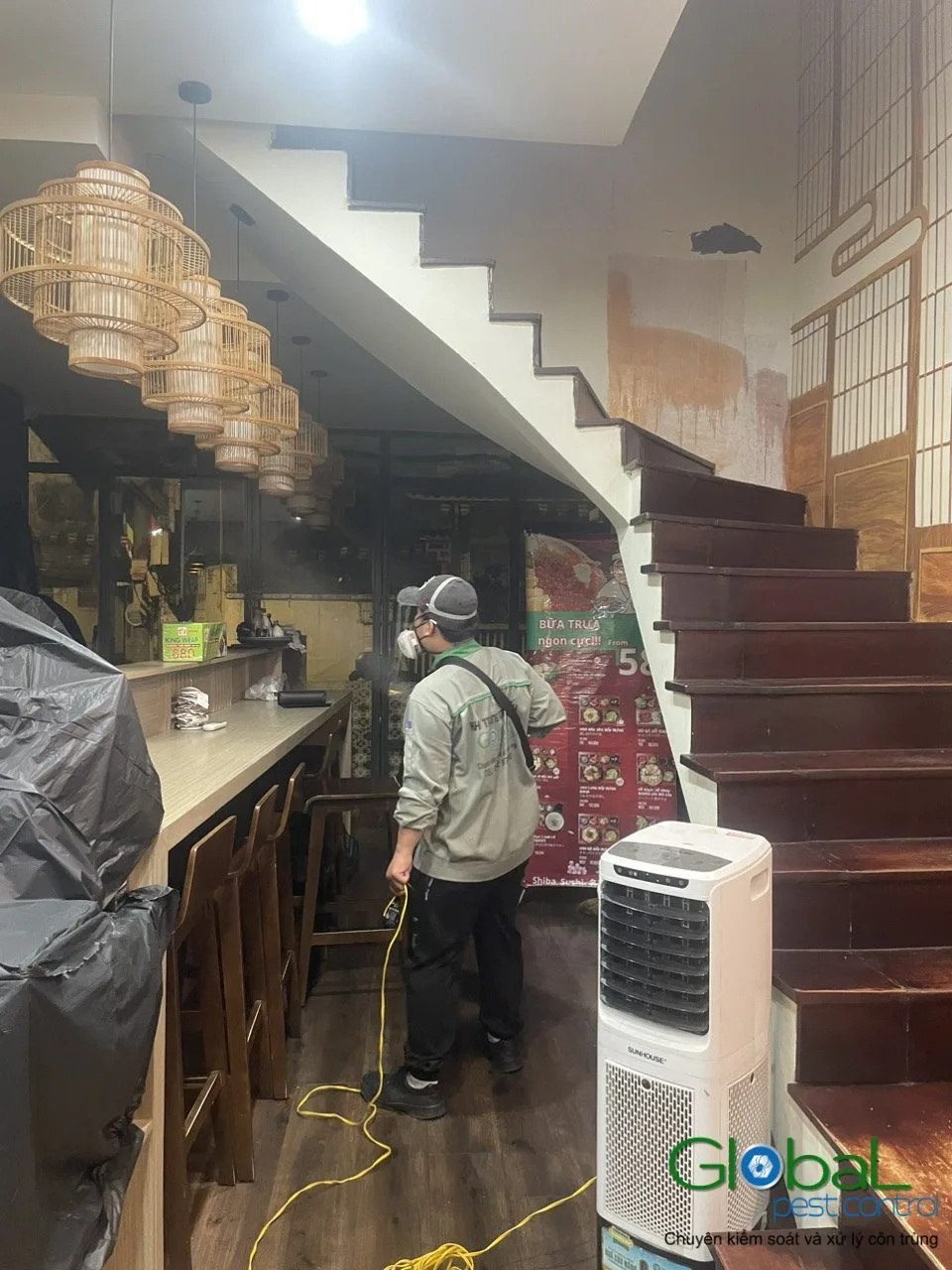
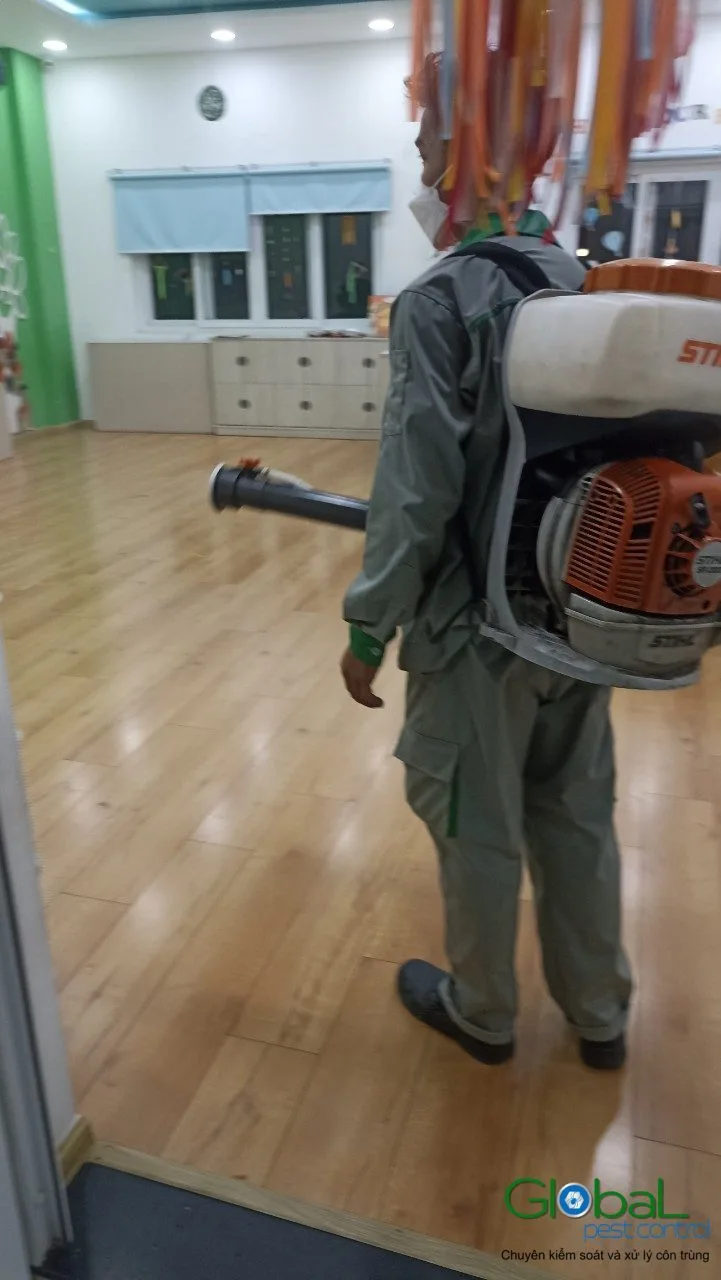
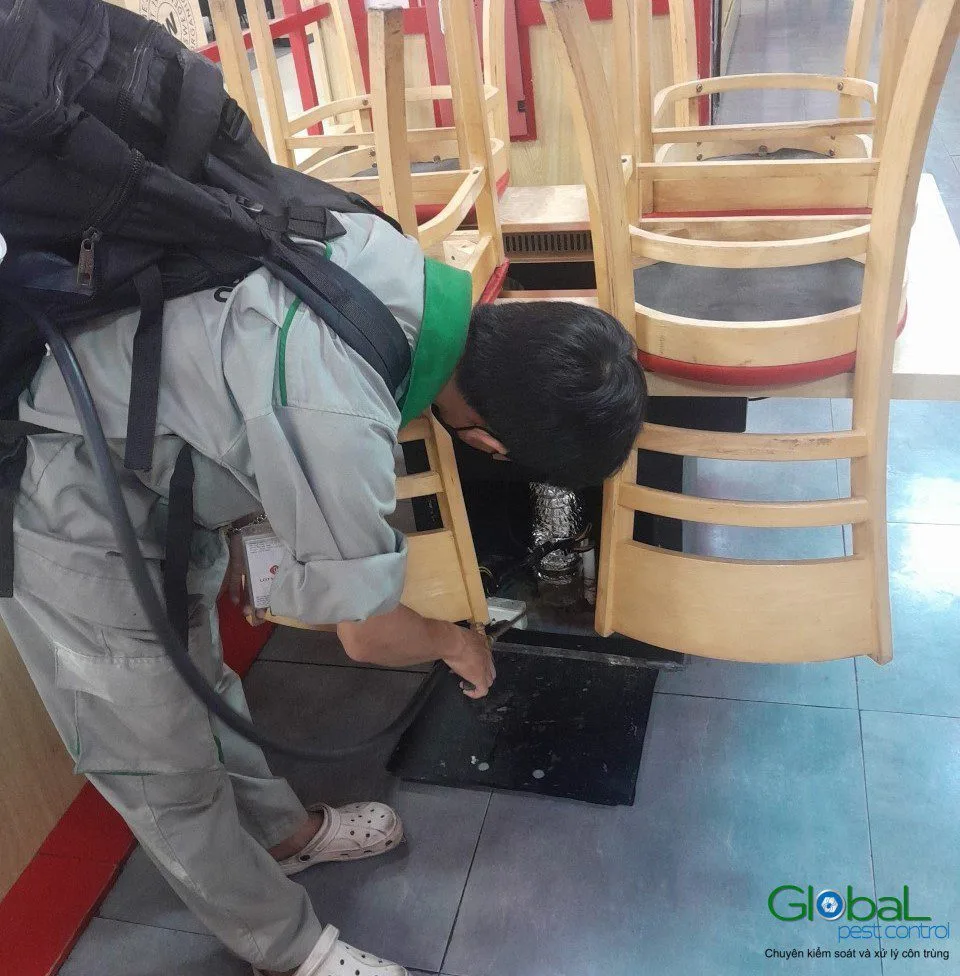
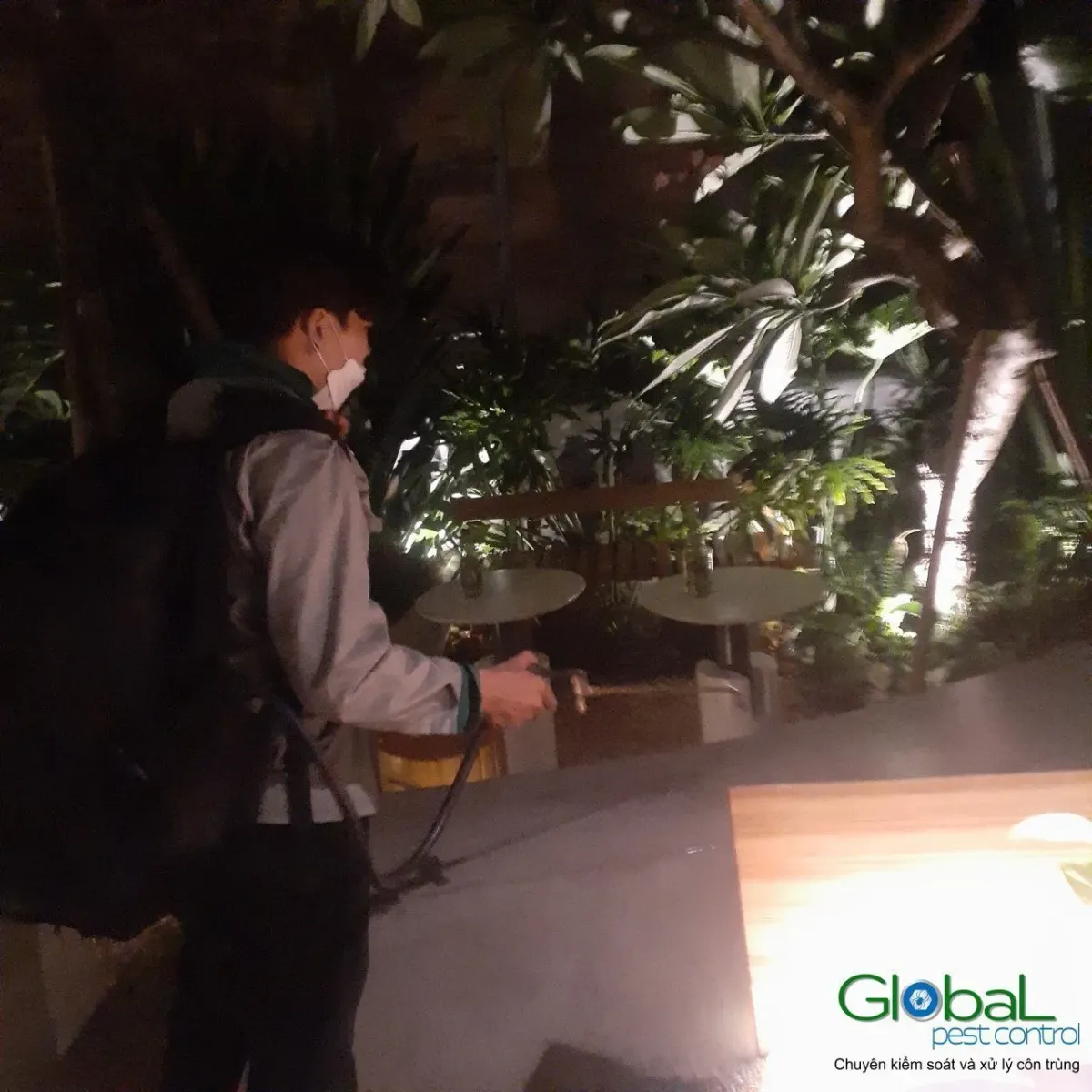
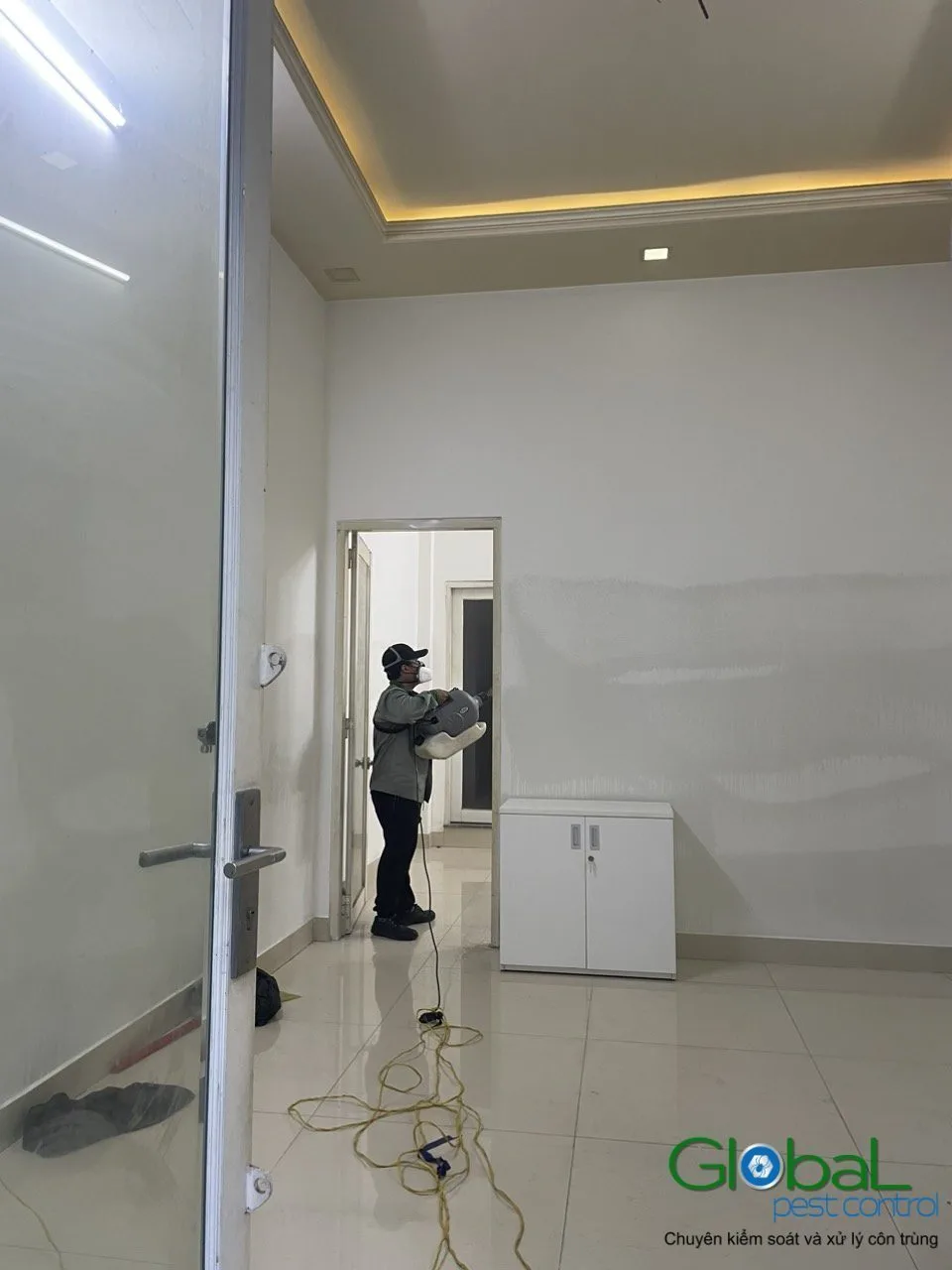
- Then any pest treatment, if required or if there has been a problem, because it needs empty rooms.
- Then the deep clean, in that order — cleaning after a treatment removes it, so a cleaner sent in the day after a technician has wasted one of the two.
- Then the joint inspection, with the landlord or agent present and photographs taken on the day.
Getting the middle two the wrong way round is the most common mistake, and it is expensive because it usually means paying for the treatment twice.
What to do about the things you are leaving behind
Anything soft that you are not shipping — a mattress topper, cushions, a rug, an office chair — either goes to a new owner or goes out. Leaving soft items in an apartment that will then stand empty for weeks is how the next tenant inherits a problem, and if the landlord finds it later, your deposit is the nearest available source of funds.
Dry food is the other category. Rice, flour and pet food left in a cupboard for two months in this climate reliably produces moths or weevils, and it is the single most common cause of a complaint arriving after a tenant has already left the country.
The drains, one last time
On the day you hand over, fill every floor drain and every trap in the apartment. A property that then stands empty for a month has dry traps throughout, and the first thing the next tenant or the agent notices is a smell and cockroaches in the bathroom. It costs five minutes and it is the cheapest possible insurance against a claim you cannot easily answer from another country.
Documentation is the whole game once you have left
Photograph every room at handover, with the date visible, and take the pictures with the landlord or agent present. Get any treatment or cleaning certificate emailed to you rather than handed over on paper. Get a signed handover note listing the meter readings and the condition, even a brief one.
Once you are in another country, a dispute you cannot document is a dispute you will not win, and the practical cost of pursuing it usually exceeds the deposit. Ten minutes of photographs on the day removes almost all of that risk.
If you are subletting or handing to a friend
People often pass a lease to a colleague rather than terminating it. That is convenient and it removes the deposit problem, but it also removes the reset — no inspection, no clean, no empty period. It is worth doing the drain fill, the food clear-out and a proper look at the bedrooms anyway, as a favour to the person taking over, because they will otherwise inherit whatever has been quietly accumulating and will reasonably assume it started with them.
Related reading
The formal version is in end of lease pest treatment, and responsibility in who pays, landlord or tenant. If the flat will stand empty, see leaving a home empty for a month. Deposit questions are covered in insurance, deposits and pest damage. Our parent company issues Vietnamese-language certificates through its residential programme.
Global Pest Control is the English-language arm of Khử Trùng Toàn Cầu. We issue handover certificates in English and Vietnamese on the same sheet, which is what an agent needs.
Common questions
The landlord is demanding a pest treatment and the lease does not mention one. Do I have to?
Not as an obligation, but it is worth asking what they are concerned about, because occasionally there is a genuine finding you were not aware of. If there is not, a polite written reply pointing to the lease usually ends it. If the relationship matters — a colleague is taking the flat, or you may return — a single treatment is often cheaper than the argument.
Who keeps the treatment certificate, me or the landlord?
Both. Give the landlord a copy at handover and keep the original yourself, because the certificate is your evidence that the condition on the day was documented. We email it as a PDF for exactly this reason.
How far in advance should the treatment be done?
Two to five days before handover, after the apartment is empty and before the final clean, and ideally with the final clean at least a day later. Anything more than a week ahead and the landlord may reasonably question whether it reflects the condition at handover.