Pest-Borne Diseases in Southern Vietnam: What to Know
Most pests in a home are a nuisance rather than a health risk. A few are not, and it is worth being clear about which is which so that effort goes to the right place. In southern Vietnam the realistic concern is dengue.
Dengue and the mosquito that carries it
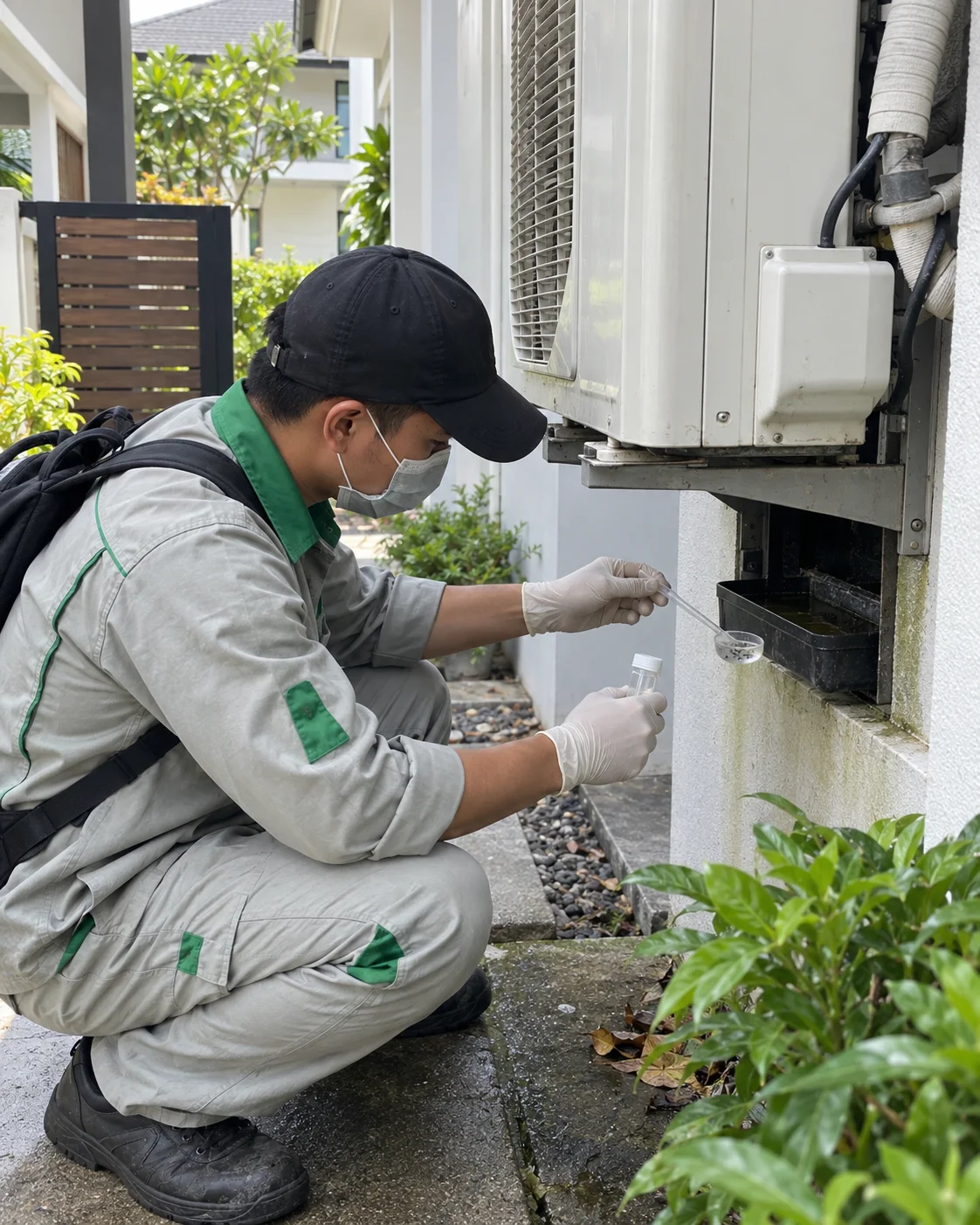
Dengue is transmitted by Aedes mosquitoes, and two things about them shape the whole prevention approach. They bite during the day, with peaks in the early morning and late afternoon. And they breed in small volumes of relatively clean standing water close to where people live, not in drains or canals.
That means a bed net at night protects against very little, and emptying the saucer under a balcony plant protects against a great deal.
What that means at home
- Empty and scrub anything holding water weekly, including plant saucers and condenser trays
- Cover water storage containers
- Use repellent during the day rather than only in the evening
- Fit or repair window and door screens, particularly on the rooms used during the day
- Report clusters of cases in a building to management — treatment of common areas is the usual response
There is no vaccine that removes the need for these, and there is no treatment that removes the mosquito from a neighbourhood. Removing breeding sites within your own boundary is the part you control.
Rodents
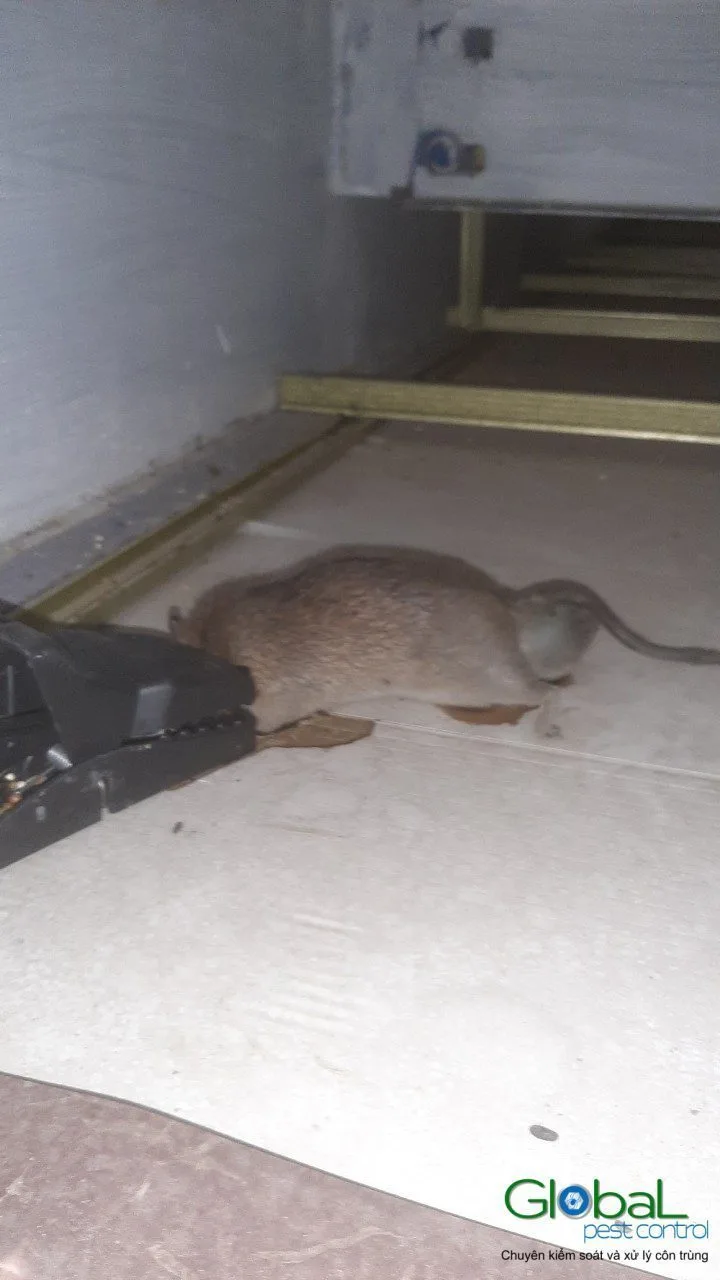
Rodents contaminate food and surfaces with urine and droppings, and they carry parasites. Leptospirosis is the concern most often raised, transmitted through water contaminated with rodent urine — a real risk during flooding, less so in a dry apartment.
The practical response is exclusion and hygiene rather than fear: seal entry points, keep food in sealed containers, and clean any contaminated area with disinfectant while wearing gloves rather than sweeping it dry.
Cockroaches
Cockroaches move between drains and food surfaces and carry bacteria mechanically on their bodies. They are also a significant trigger for asthma and allergy, particularly in children, through droppings and shed skins in house dust.
The allergy link is the underrated one. In a home with an asthmatic child, controlling cockroaches is a health measure, not a comfort measure.
What is worth less worry than it gets
Geckos, most spiders and the great majority of ants in Vietnamese homes present no meaningful health risk. Paederus beetles cause a painful skin reaction if crushed against skin, which is avoided by blowing them off rather than swatting.
Directing effort by actual risk means most households should spend their attention on standing water and on food storage, and much less on the insects they happen to find alarming.
What to do if someone in the household has dengue
Medical care is the first matter and is not something pest control replaces. The pest control response runs alongside it and is aimed at preventing further transmission in the same household or building.
- Remove every breeding site within the property immediately, not over the following week
- Use repellent and screens for everyone in the household, including the patient, since mosquitoes biting an infected person carry the virus onward
- Notify building management, because the response is usually building-wide
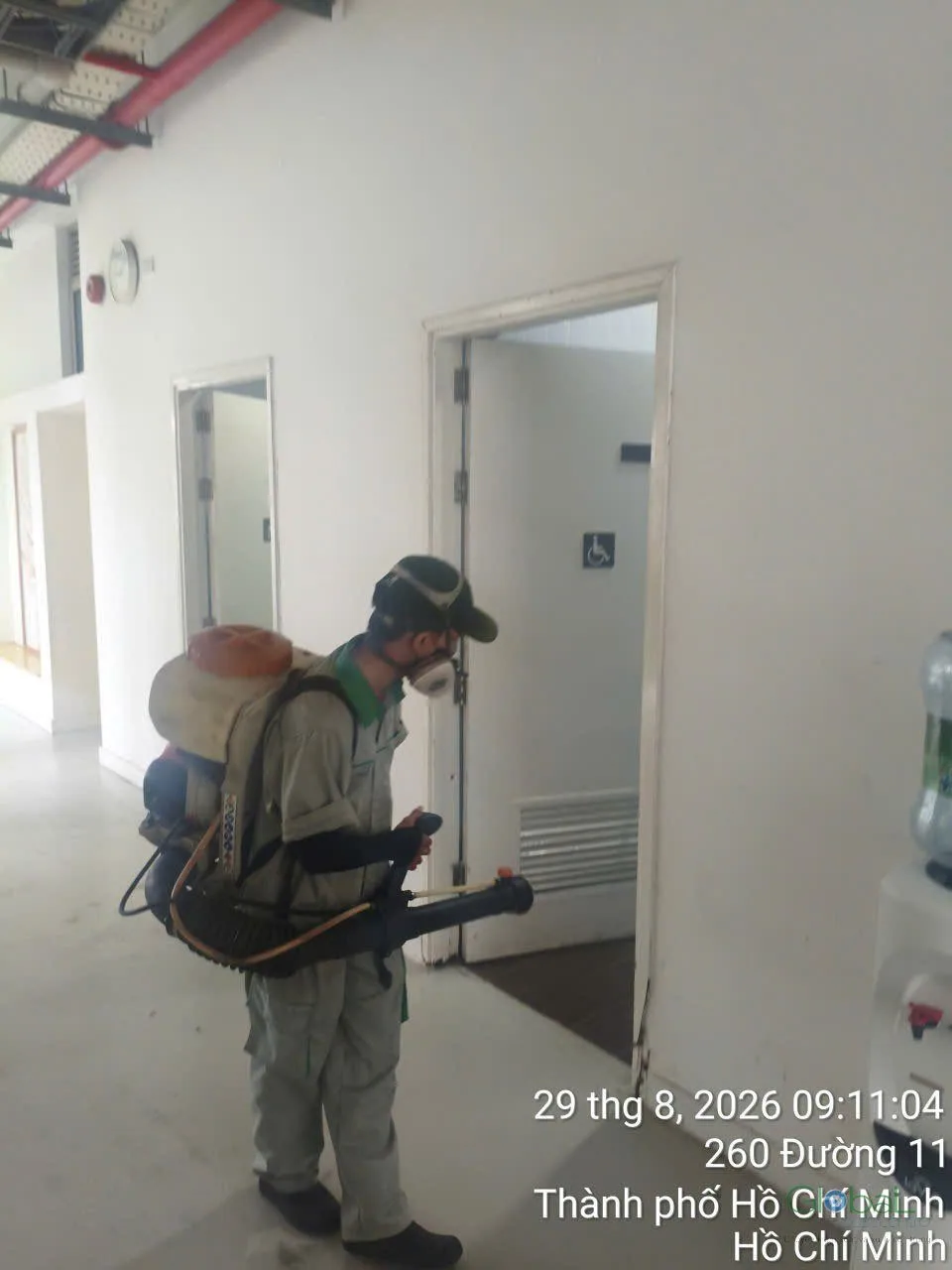
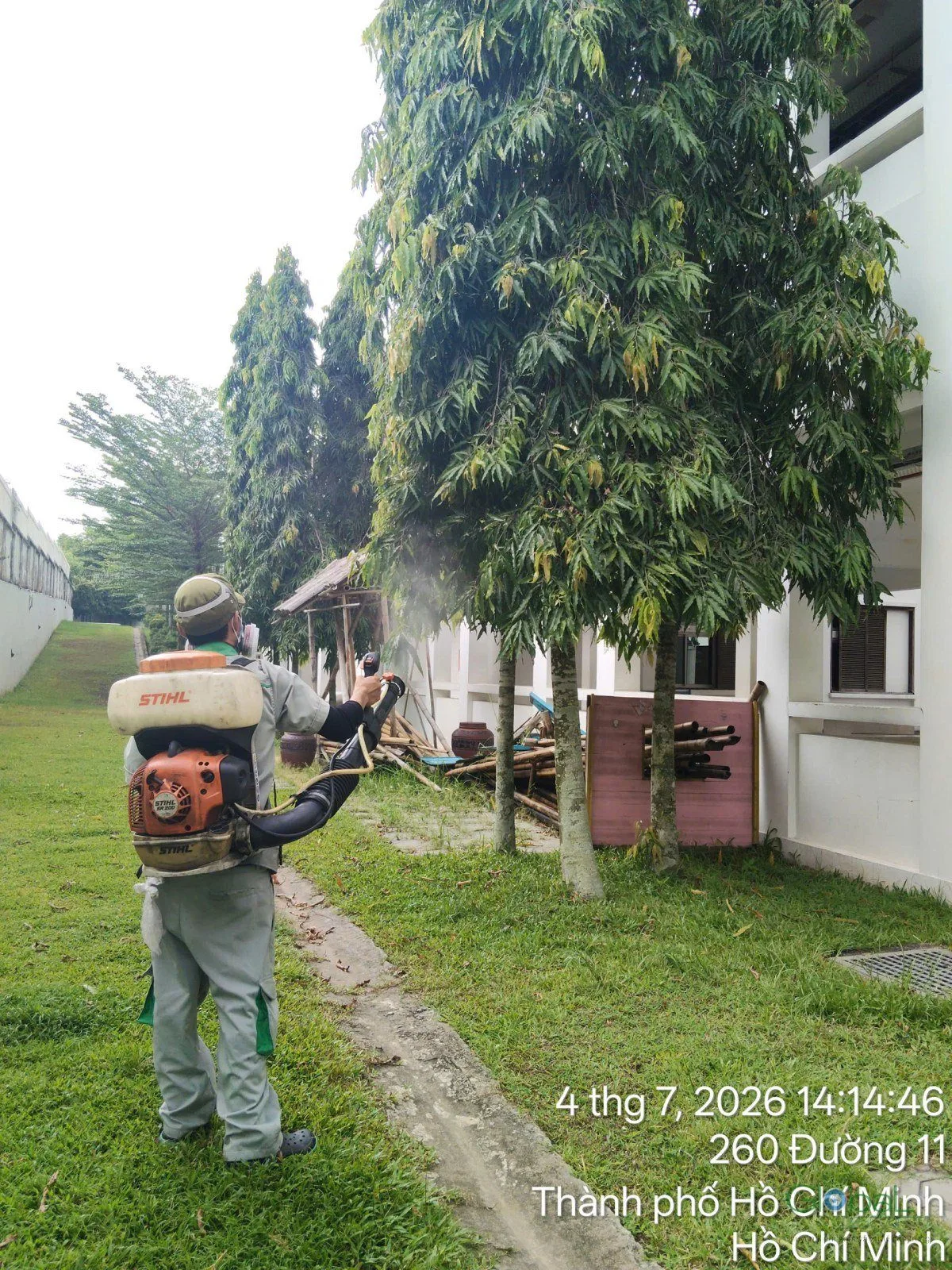
- Expect fogging of common areas — this is one of the situations where fogging is genuinely appropriate
Food premises and the contamination question
For a restaurant or a food factory, the health issue is contamination rather than disease transmission to staff. Rodent urine and droppings on packaging, insects in stored product and cockroaches moving between drains and surfaces all constitute contamination whether or not anyone becomes ill.
That is why food standards focus on evidence of activity rather than on demonstrated illness. A single dropping in a dry store is a finding, and correctly so.
Keeping the risk in proportion
Living in Ho Chi Minh City does not require anxiety about insects. The realistic health measures are small and specific: no standing water, screens where you sleep and work, repellent during the day in the rainy season, food stored sealed, and prompt action if rodents are present.
Households that do those five things have addressed nearly all of the genuine risk, and can treat everything else as a matter of comfort rather than of health.
Travel, seasons and short stays
Visitors on short stays in the rainy season carry the same dengue risk as residents and usually take fewer precautions, because they associate mosquitoes with the evening. Daytime repellent and a room with working screens are the two measures that matter, and neither depends on how long you are staying.
For anyone returning to a home country after a stay here, a fever within two weeks of leaving is worth mentioning to a doctor along with the fact of the travel. It is a straightforward thing to test for and an easy one to miss if the connection is not made.
Buildings, not just homes
Dengue transmission is a neighbourhood matter rather than a household one, because the mosquito flies only a short distance and breeds close to where people are. A single untended site — a podium garden, a basement sump, a stalled construction plot — supplies an entire block.
That is why building-level action outperforms individual effort during an outbreak, and why reporting a case to management is worth doing even when it feels like a private matter. Buildings that treat and clear sites within days see the cluster stop; those that wait for a second case usually get one.
Global Pest Control is the English-language arm of Khử Trùng Toàn Cầu. The same technicians and the same programmes are described on our Vietnamese service pages.
Book an inspection
Site inspections are free of charge and carry no obligation. A technician walks the property, identifies the species and the harbourage, and sends a written quotation with the method and the schedule — normally within one working day.
Request an inspection · See indicative prices · All services