Pest Control Regulations in Vietnam: What Is Permitted
Pest control in Vietnam is regulated in two ways that matter to a customer: the products must be registered, and the business must be properly established and permitted to provide the service. Neither is difficult to check, and a company working to a standard expects to be asked.
Product registration
Insecticides and rodenticides intended for household and public health use are registered with the Ministry of Health, and the registration is printed on the product label together with the active ingredient and the permitted uses.
What this means in practice is that a product used in your kitchen should arrive in its original labelled container. Product decanted into an unlabelled bottle cannot be verified as registered, and it cannot be checked against the label rate either.
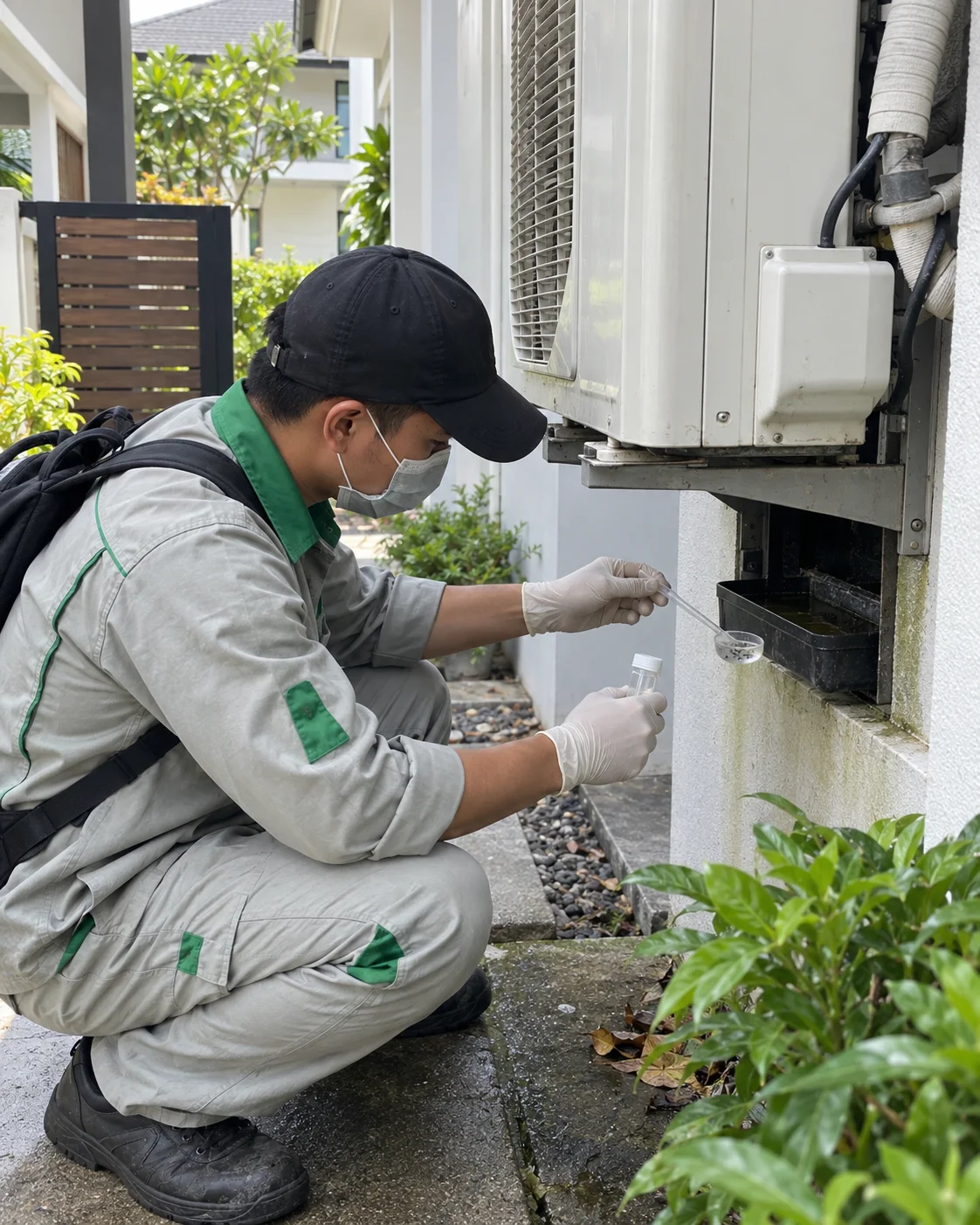
What a contractor should be able to show
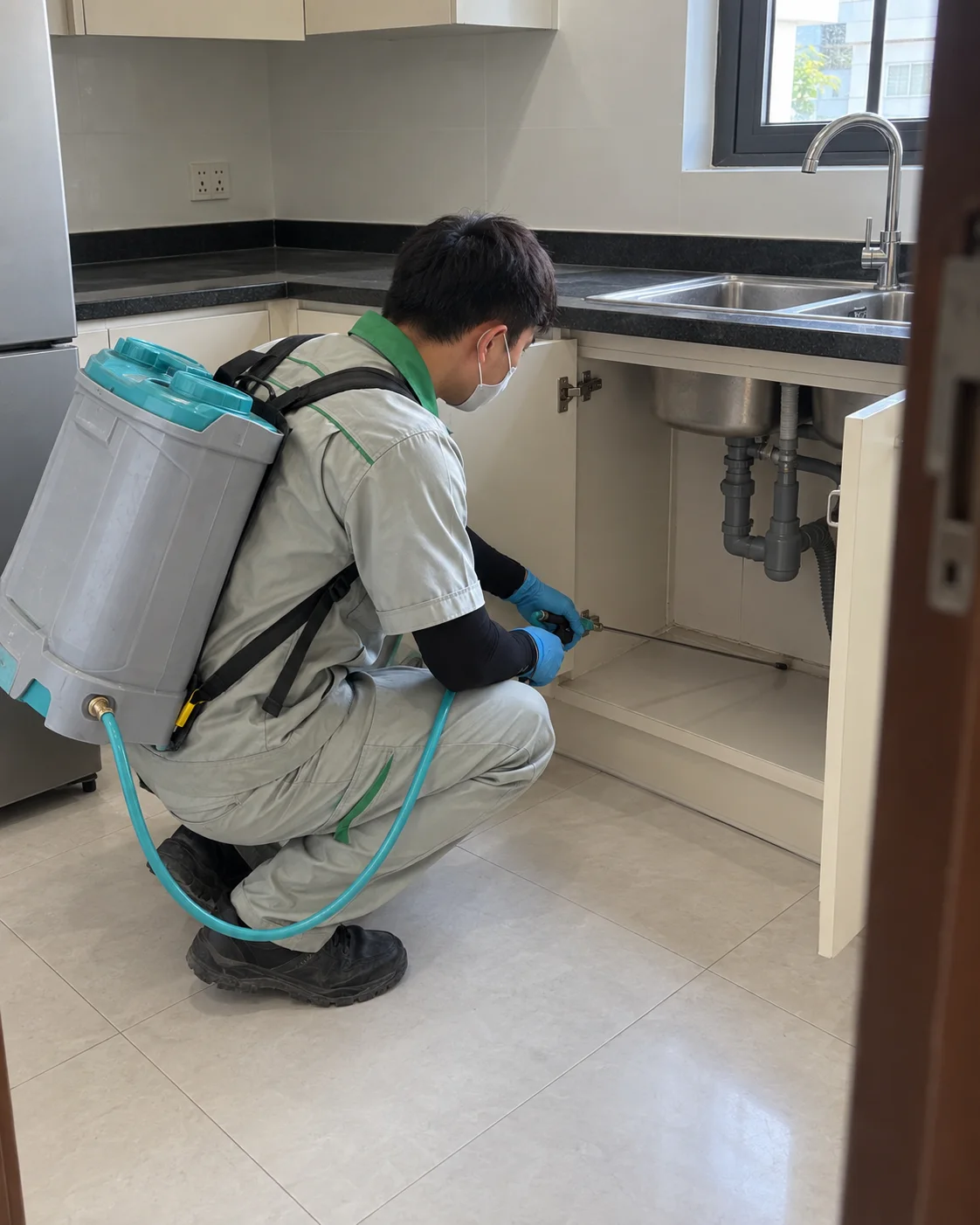
- Business registration for the company providing the service
- Product labels or product documentation for what is being applied
- Safety data sheets on request, particularly for a commercial site
- Evidence that technicians have been trained, which for commercial work is usually a certificate
- Insurance, for work on a commercial premises
For a household treatment, the first two are the realistic ask. For a factory, a hospital or a food business, all five belong in the file.
Where fumigation is different
Fumigation with gases such as those used on containers, grain and timber is a separate, tightly controlled activity requiring specific licensing, equipment and gas monitoring. It is carried out on sealed loads or sealed structures, not on furnished occupied homes.
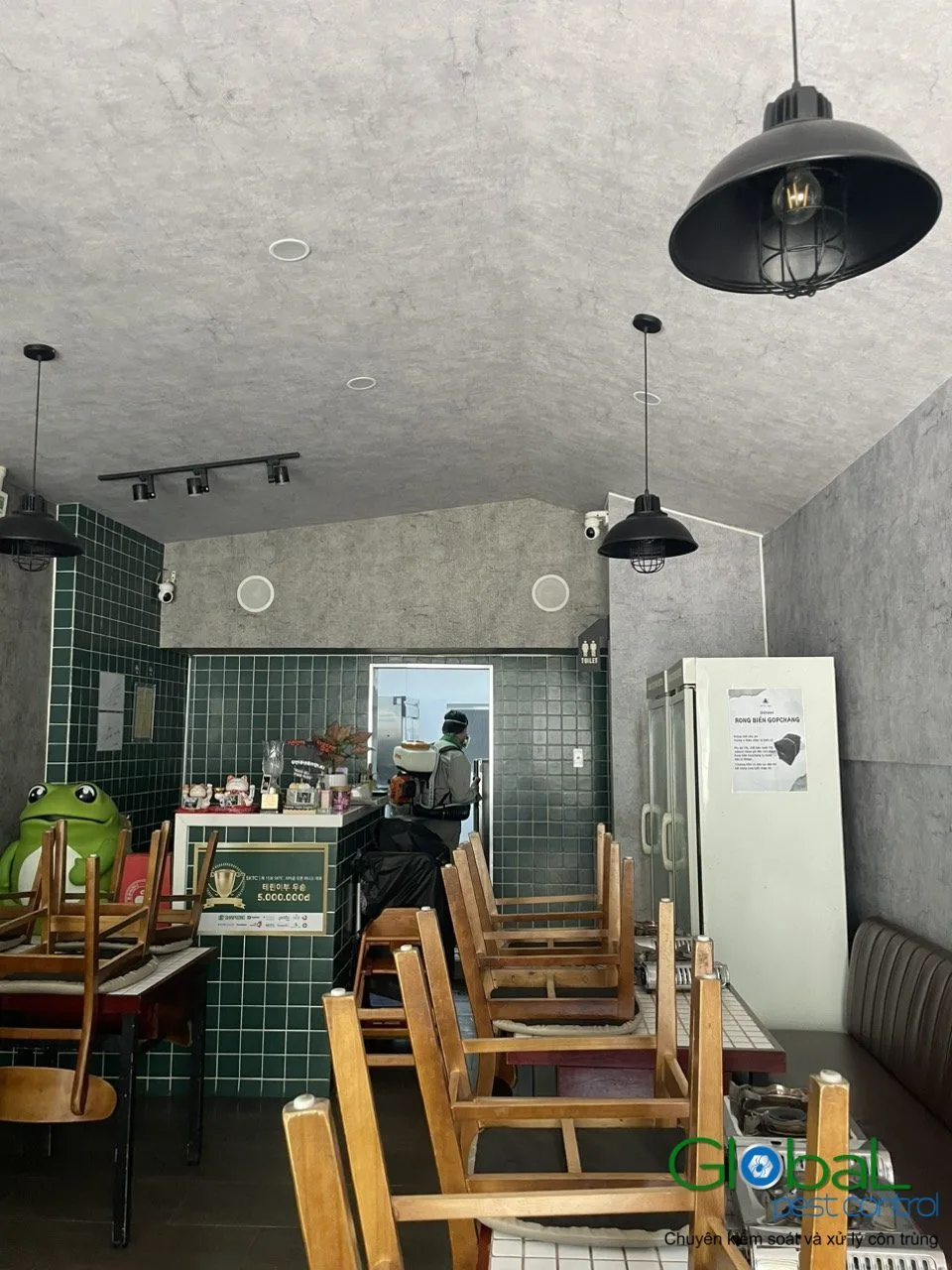
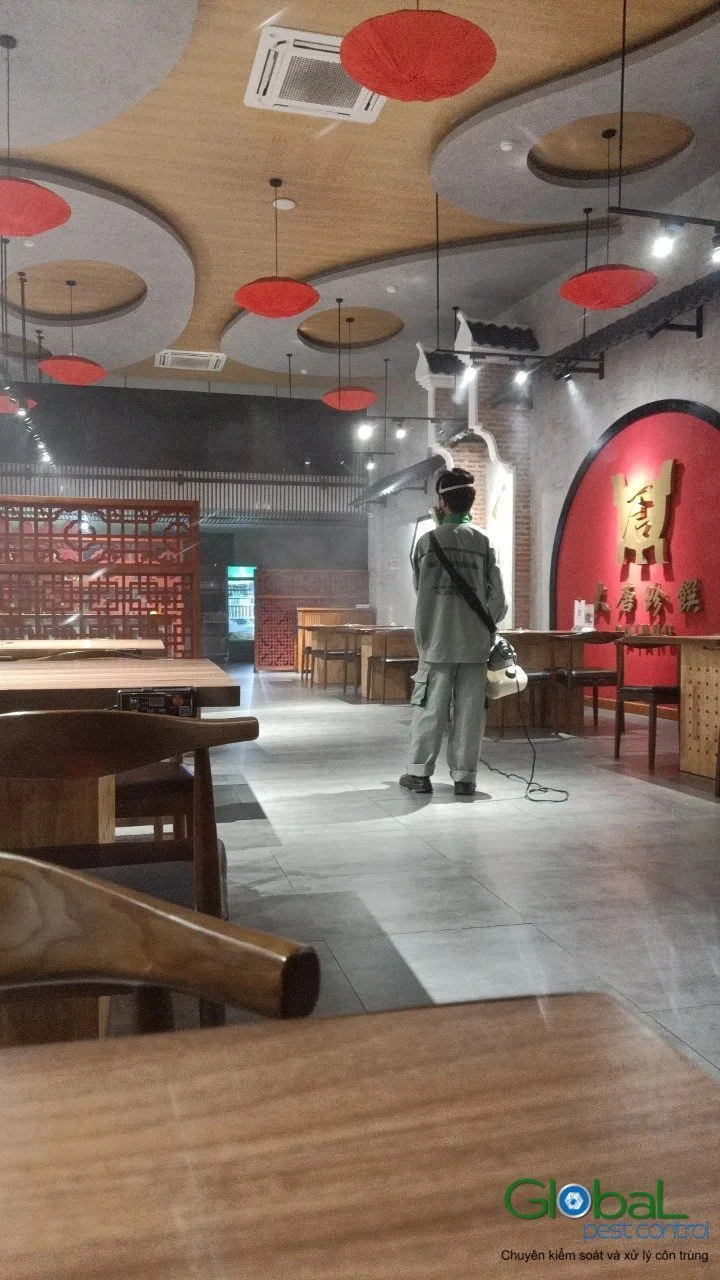
If a company offers to "fumigate" an apartment as a routine service, they are almost certainly describing a fogging treatment. That is a legitimate method, but the word matters, and so does knowing which one you are buying.
Restrictions that come up in practice
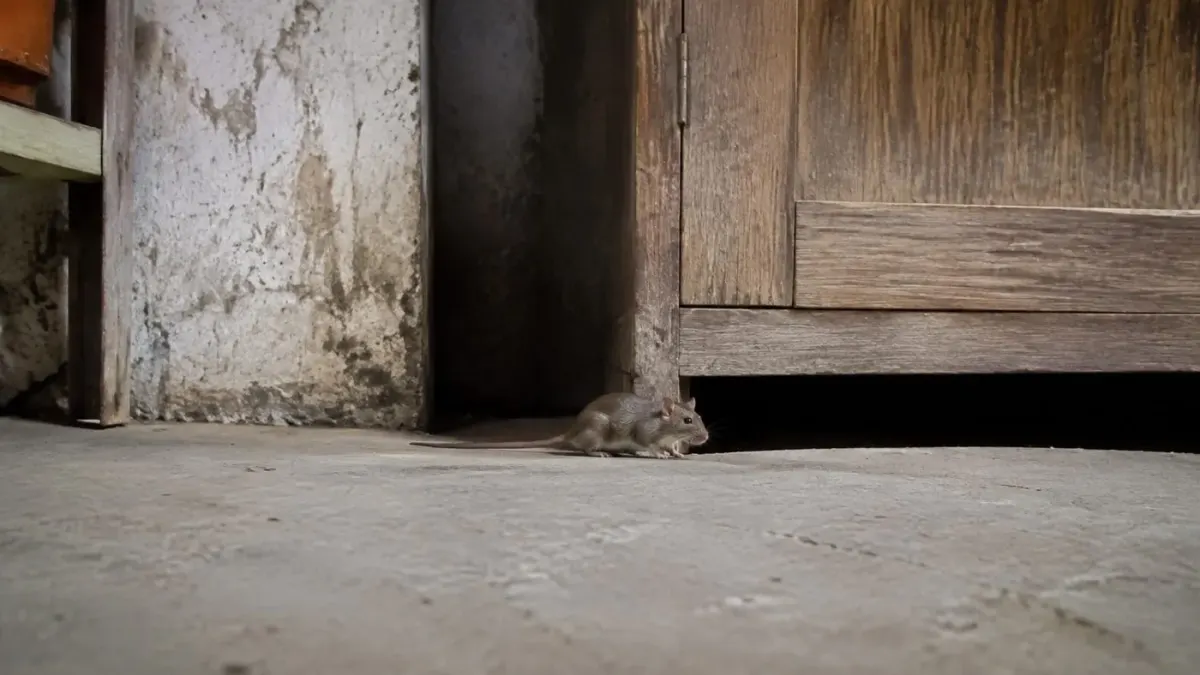
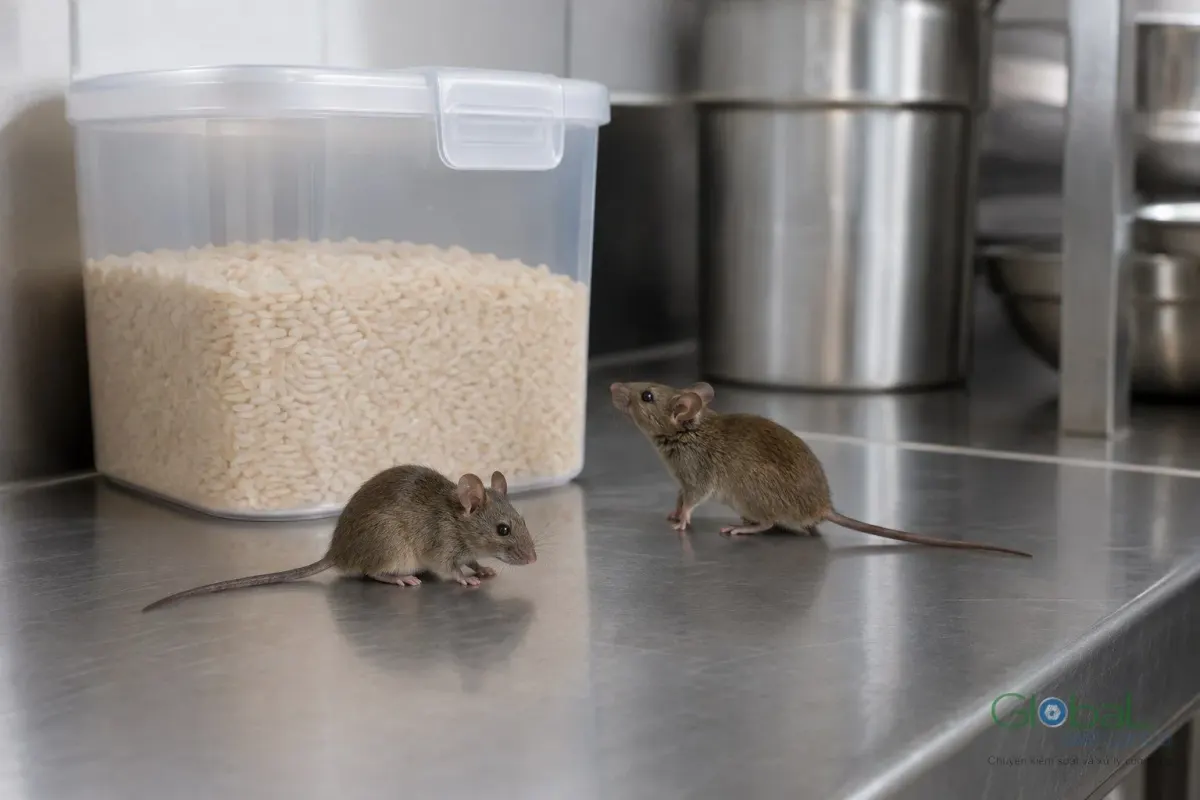
- Rodenticide should be in tamper-resistant stations, and not loose in a food area
- Products applied to surfaces that contact food require specific label approval
- Re-entry intervals stated on the label apply to occupants, not only to the technician
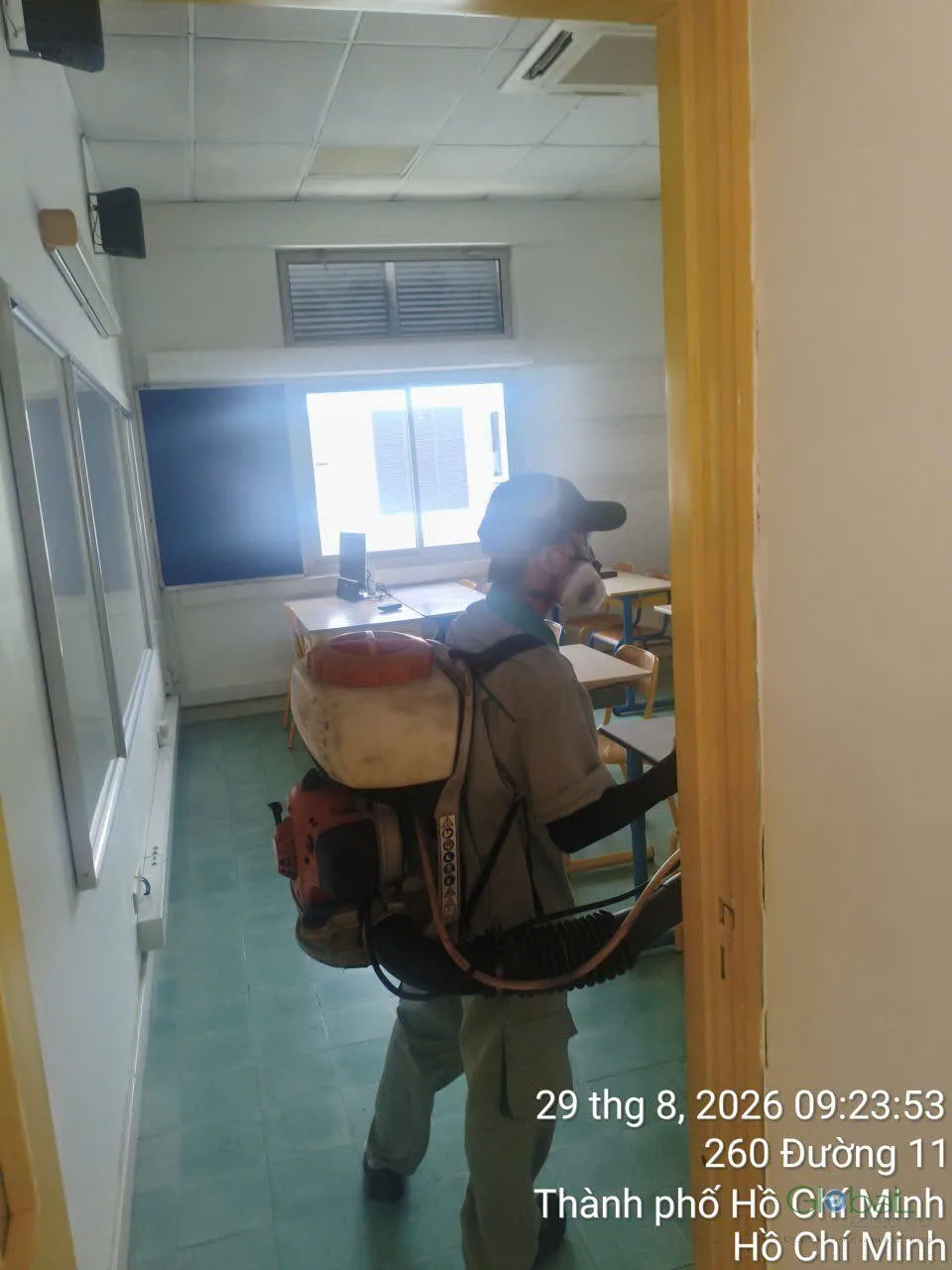
- Treatment in hospitals, schools and food premises follows the site's own protocols in addition to the label
What to do if something looks wrong
If a technician arrives with unlabelled containers, refuses to name the active ingredient, or places rodent bait openly inside a kitchen, stop the work and ask. Those three are not technicalities; they are the points at which a treatment stops being controllable.
A company that reacts badly to a reasonable question about what is being applied in your home has answered a different and more useful question.
What applies specifically to food businesses
Food premises carry obligations beyond the pest control contract itself: pest control is one element of a food safety system, and inspectors look at the records as part of that system rather than as a separate matter.
In practice this means the documentation requirements are stricter than for a household, and the contractor is expected to supply evidence that becomes part of the business's own file.
Rented property and who is permitted to arrange work
A tenant can arrange treatment inside the unit they occupy. Work in common areas, risers, drainage stacks and the building envelope belongs to the owner or the management company, and a contractor cannot simply be sent to treat them.
This is worth knowing before booking, because it defines what a household treatment can achieve in an apartment building and why some problems require the building to act.
Questions to ask a company about compliance
- Is the business registered, and can you see the registration
- Are the products registered for the use you are buying
- Are technicians trained, and is there a certificate
- Is there insurance covering work on your premises
- For a food or healthcare site: can they supply safety data sheets and product documentation for the file
For a home the first two matter most. For a business all five belong in the folder before the first visit, not after the first audit.
Schools, hospitals and childcare
These sites carry additional expectations that go beyond the product label: treatment outside occupancy hours, documented re-entry intervals, and a preference for baits and physical control over broadcast spraying in occupied spaces.
Parents and administrators are entitled to ask what was applied and when, and a school that can answer with a report and a schedule handles the question in one message. It is worth agreeing that documentation with the contractor at the start rather than assembling it in response to a query.
What is not regulated, and why it still matters
Retail insecticides sold in supermarkets are registered products, but nothing regulates how a household uses them. Repeated aerosol use in a kitchen is legal and is still one of the most common reasons a professional treatment later takes twice as long.
The same applies to rodent glue boards, which are widely available, frequently used indoors and cause a slow death that most owners did not intend. They are prohibited or restricted in a number of countries, and a professional contractor here will normally use trapping and proofing instead.
Global Pest Control is the English-language arm of Khử Trùng Toàn Cầu. The same technicians and the same programmes are described on our company information in Vietnamese.
Book an inspection
Site inspections are free of charge and carry no obligation. A technician walks the property, identifies the species and the harbourage, and sends a written quotation with the method and the schedule — normally within one working day.
Request an inspection · See indicative prices · All services