Pantry Moths and Weevils in Rice and Flour
Small moths flying around a kitchen in the evening, or small beetles in a bag of rice, are among the most common household findings in Ho Chi Minh City — and among the most misunderstood.
They did not come in from outside. Almost invariably they arrived inside a packet, already infested at the point of purchase or during storage, and that single fact changes both the prevention and the response.
What you are likely to have
The Indian meal moth is the usual moth: about 8 mm, with the outer half of the wings distinctly coppery and the inner half pale. The larvae are what damage the food, and the webbing they leave in the corner of a packet or a cupboard is often the first sign.
The rice weevil is a small dark beetle with a long snout, which develops inside individual grains — so a bag can look normal while being substantially infested. Flour beetles are small, flat, reddish-brown and move quickly through fine products.
Why the climate matters
Development that takes months in a temperate pantry takes weeks here. A packet bought in good condition and stored for two months in a warm cupboard can support a full generation, which is why bulk buying is riskier in this city than people expect.
Humidity compounds it, because damp product is more attractive and more suitable for development than dry.
Where to look
Rice, flour, cereal, pasta, dried noodles, nuts, dried fruit, spices, pet food and birdseed. Also the things people forget: chocolate, decorative dried arrangements, and grain-filled heat packs.
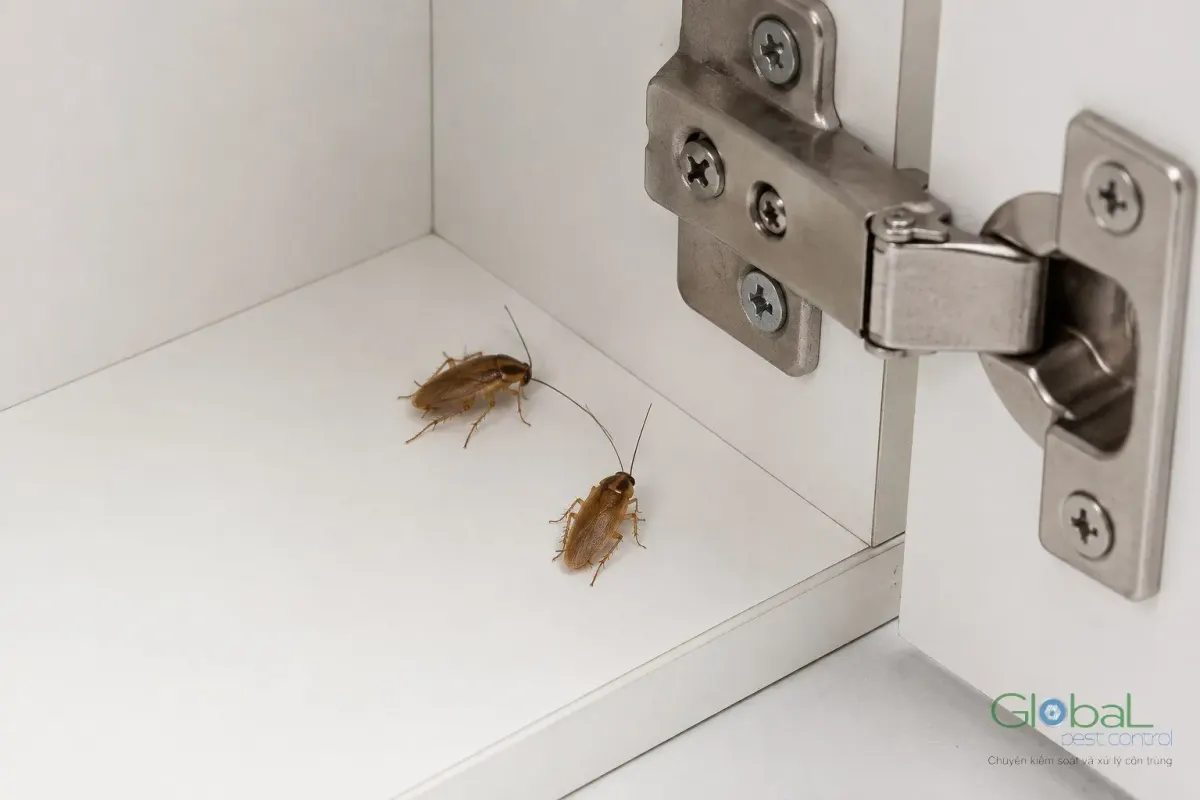
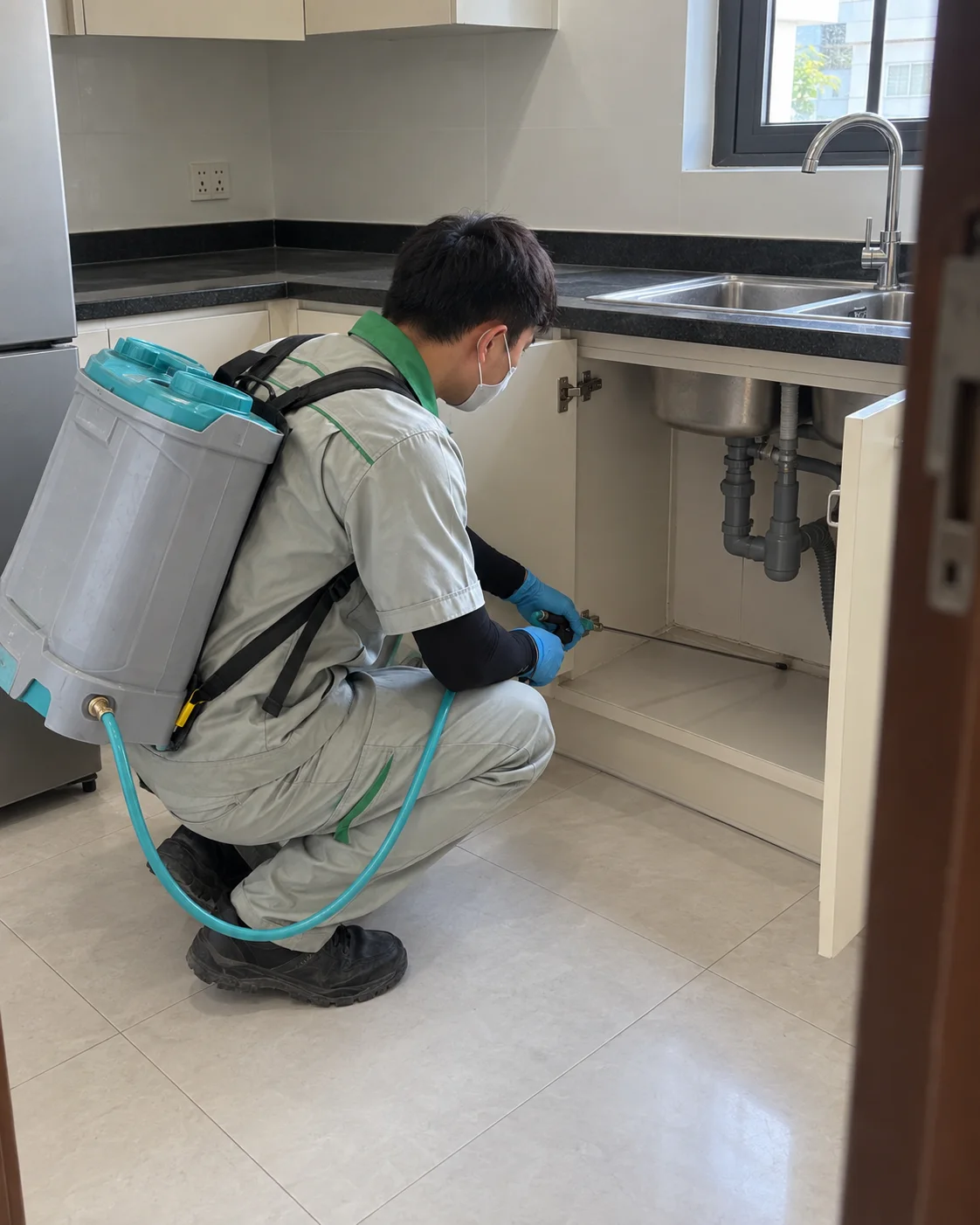
In the cupboard itself, check the corners, the shelf-support holes, the underside of shelves and the gap where the shelf meets the wall. Indian meal moth larvae crawl a surprising distance to pupate and frequently do so away from the food, which is why moths keep appearing after the infested packet has been thrown out.
What resolves it
Empty the cupboard completely. Inspect every packet, including sealed ones, and discard anything with webbing, live insects or fine powder in the folds. Vacuum the cupboard thoroughly, including the shelf-support holes, and empty the vacuum outside immediately.
Then wipe out and dry the cupboard, and restock into rigid containers with gasket lids. That last step is the one that prevents recurrence, because a sealed container stops an infested packet from spreading to everything else.
Why insecticide is rarely the answer
The population is inside the food, and nothing should be applied to food or to food-contact surfaces. Treatment here is physical: removal, cleaning and containment.
Where a pheromone trap is used, it is a monitoring tool rather than a control measure — it catches adult male moths and tells you whether a population is still present, which is genuinely useful for confirming that a clear-out worked. It will not resolve an infestation on its own.
Freezing, which does work
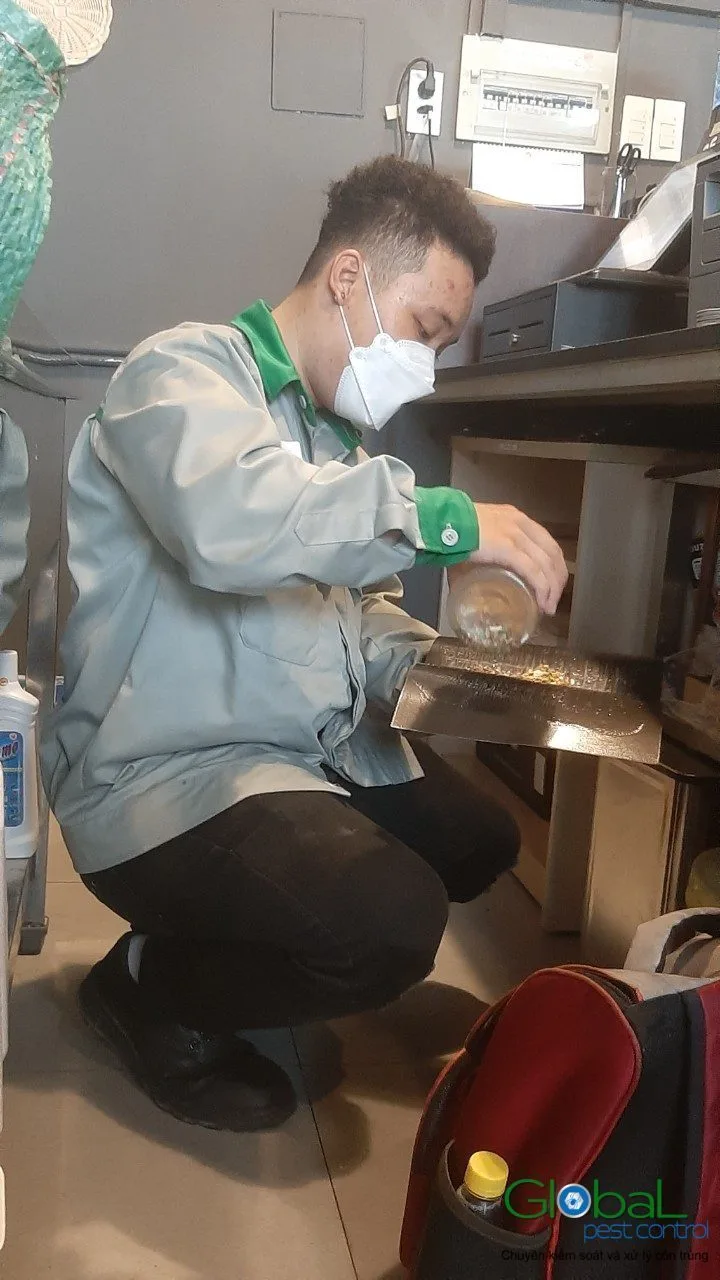
For a valuable or hard-to-replace item, sealing it in a bag and freezing at minus 18 °C for four to seven days kills all stages. It is a genuinely useful technique for spices, specialist flours and imported goods that would be expensive to replace.
Some households routinely freeze rice and flour for a few days on purchase, which is more effort than most people will sustain and does work.
Prevention that actually holds
Buy smaller quantities more often. Decant into rigid sealed containers on the day of purchase rather than eventually. Rotate stock so nothing sits for months. Check packets at the point of purchase where the packaging allows — a bag of rice with fine powder at the bottom of the fold is worth leaving on the shelf.
And clear the cupboard properly before a long trip, because a packet left through a six-week absence in this climate is the single most common source of the problem people find on returning.
Related reading
See dry stores in a kitchen for the commercial version, and storerooms for domestic bulk storage. For deliveries, goods-in inspection. On returning from a trip, returning after a long trip.
Global Pest Control is the English-language arm of Khử Trùng Toàn Cầu, based in Thu Duc City.
Common questions
I threw out the infested rice and moths still appear. Why?
Because the larvae leave the food to pupate, often crawling several metres and settling in a shelf-support hole, a cupboard corner or a ceiling junction. Those pupae continue to produce adults for weeks after the source is gone. A thorough vacuum of the whole cupboard including the small holes is what ends it.
Is food with weevils in it safe to eat?
It is not a poisoning risk and most people would rather not, which is a perfectly reasonable position. What matters practically is that infested product should not go back into the cupboard, because it will reseed everything around it. Discard it outside the building rather than in the kitchen bin.
Do bay leaves in the rice work?
It is a widespread practice here and the evidence for it is weak at best. A sealed rigid container works reliably and costs less than a year of bay leaves. If you like the practice, keep it, and do not rely on it instead of the container.