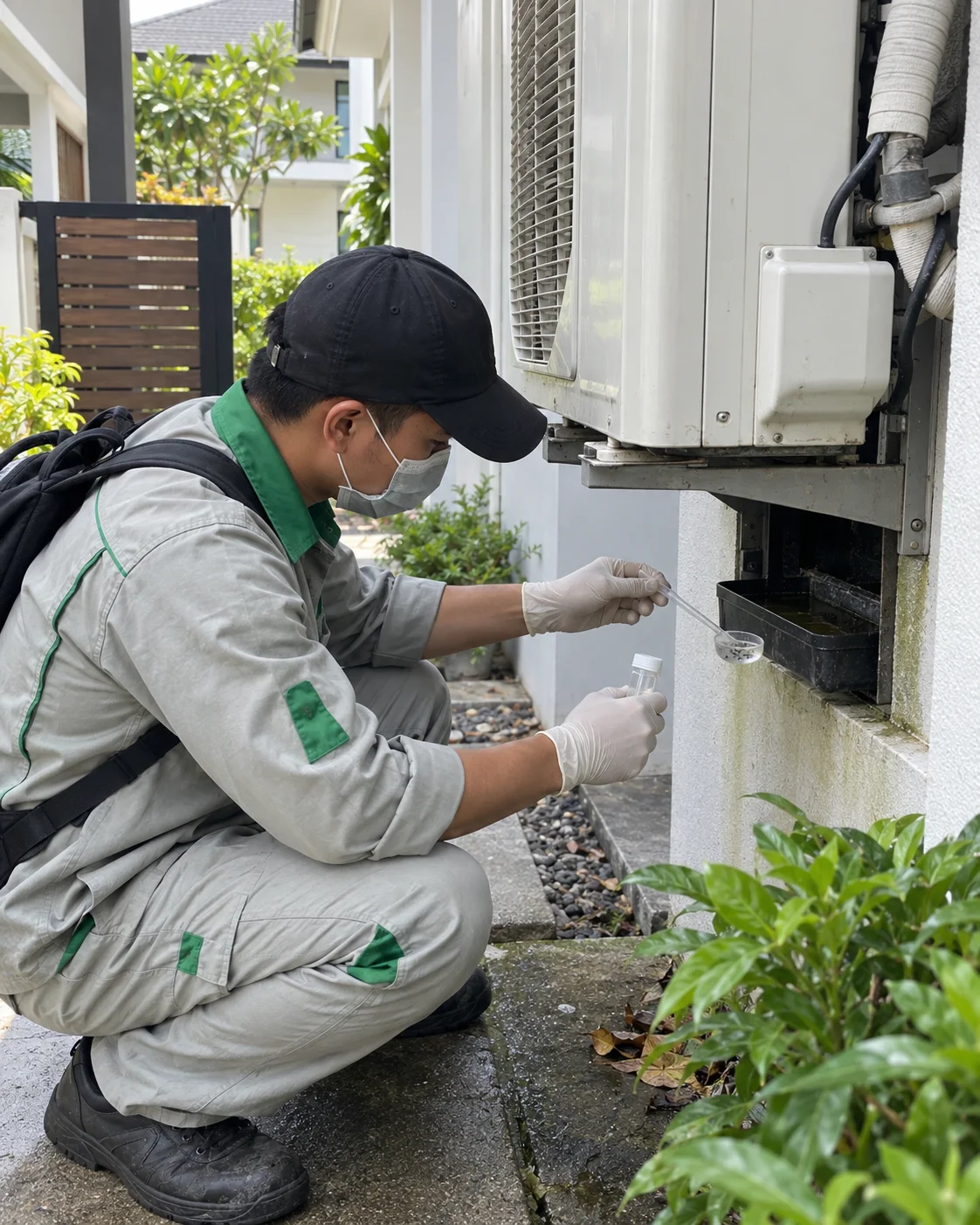
Emergency Call-Out or Scheduled Visit
Emergency call-out carries a premium and a compressed timescale, which usually means a shorter survey and a faster treatment. That trade is worth making for some situations and not for others.
Here is an honest sorting, including the cases where waiting three days for a properly planned visit produces a materially better result.
Genuinely urgent
- Any rodent or insect activity in a food production or preparation area. The clock starts for compliance reasons as well as practical ones.
- A wasp or hornet nest at a property with children, pets or anyone with an allergy.
- A snake inside a building.
- An animal trapped in a ceiling or a wall, for welfare reasons and because of what happens if it dies there.
- A guest complaint in a hotel, where the room is out of service and the commercial cost accumulates hourly.
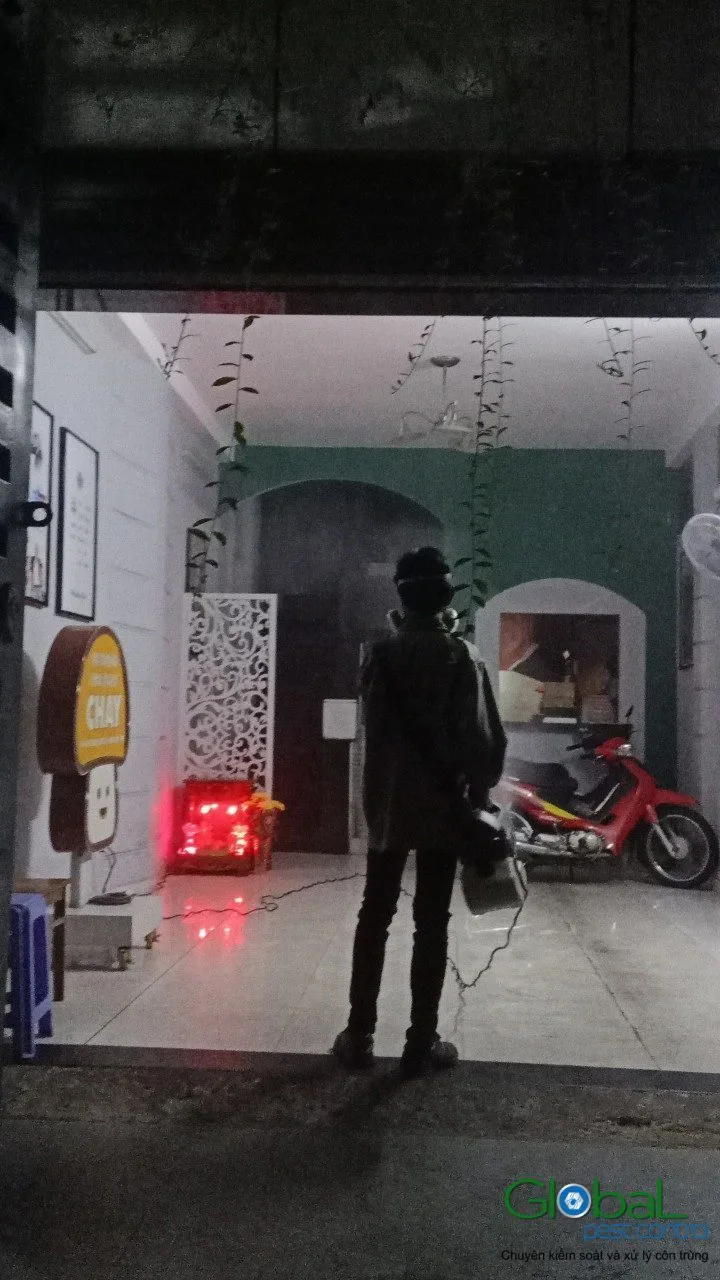
Feels urgent, usually is not
A single cockroach at midnight. It is unpleasant and it is almost always a drain question, and pouring water down every floor trap tonight does more than a call-out would.
An ant trail that appeared this morning. Colonies do not become materially worse in three days, and baiting it yourself tonight starts the process anyway.
Bites of unknown origin. This is the case where speed most reliably wastes money, because a rushed visit produces a guess. A day of gathering evidence — photographs, the ten-minute torch search, checking outside for a bird nest — makes the eventual visit far shorter and more accurate.
Why a scheduled visit is often better
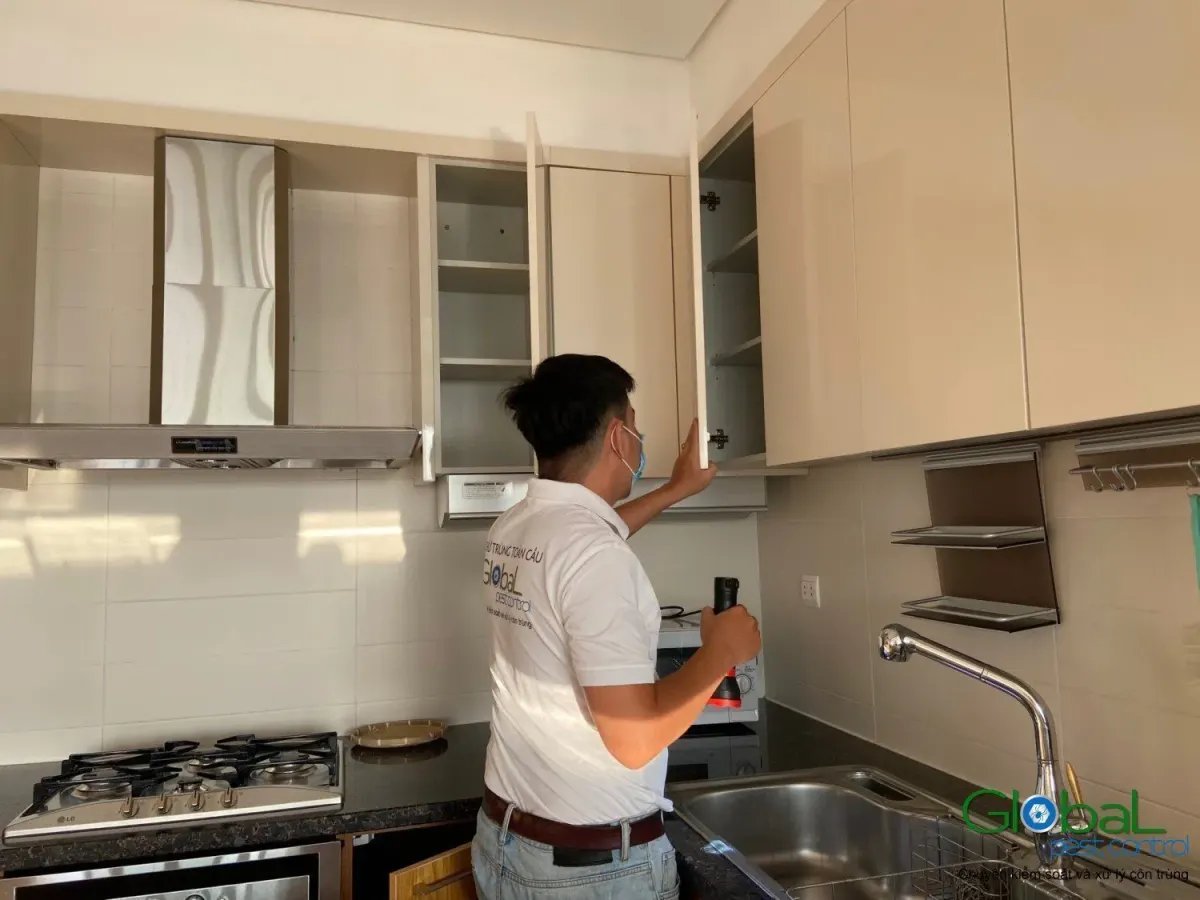
It allows a survey rather than a response. It allows the right products to be brought rather than whatever is in the van. It allows the property to be prepared — cabinets cleared, appliances accessible, the housekeeper present. And it allows a follow-up to be scheduled at the same time, which for several species is what completes the job.
An emergency visit frequently ends with a second visit anyway, and the customer has paid a premium for the first one.
What to do while you wait
Do not spray anything, which is the single most useful instruction. Photograph what you have seen. Fill the floor drains. Empty the bins and remove food from open surfaces. Keep the area as it is rather than cleaning it, because the evidence decides the diagnosis.
For a suspected bed bug problem, do not strip the bed and do not move furniture out of the room. Containment while you wait is worth more than anything else you could do.
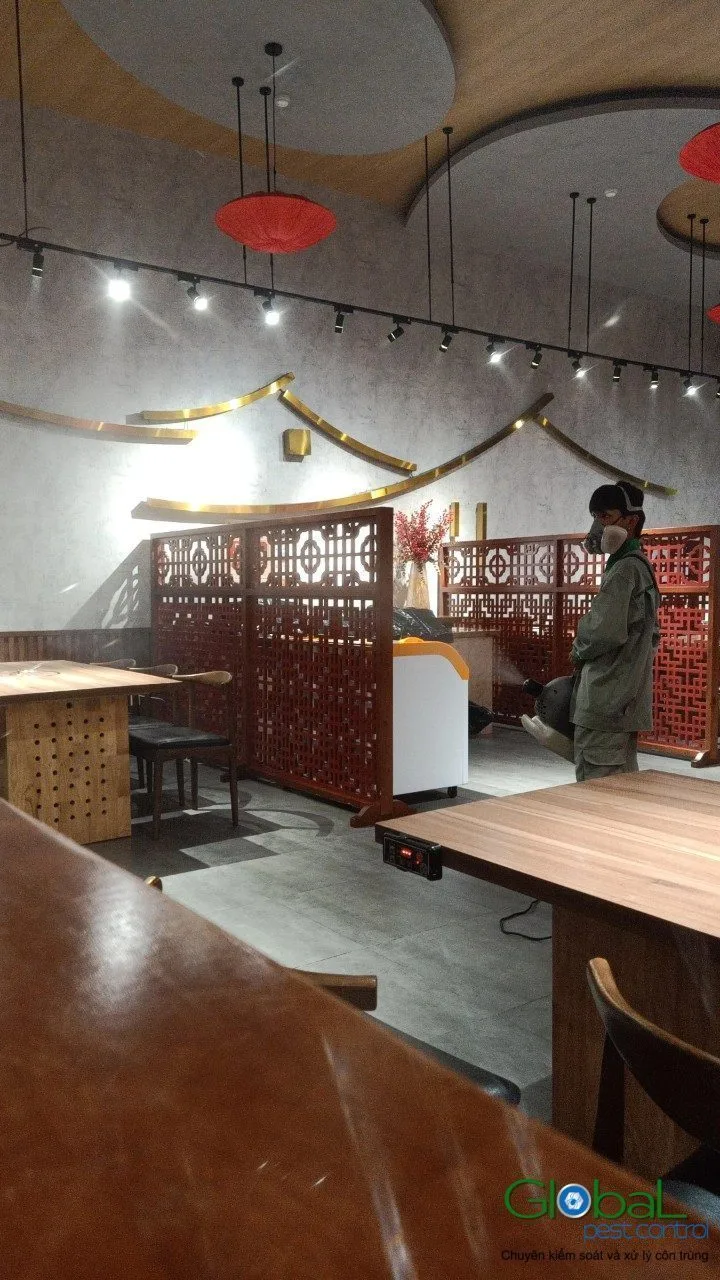
What a call-out should include
Attendance within a stated period, an inspection, an immediate treatment where one is appropriate, and a written report. If it does not include a report it is a visit rather than a service, and there is nothing to hand to a landlord, an auditor or the next contractor.
For a contracted site, check how many call-outs are included in the price before paying a premium — many contracts include several a year and customers routinely pay for visits they had already bought.
One practical point about availability: the busiest period for emergency calls in this city is the middle of the rainy season and the fortnight after Tet, which is exactly when most people need one. If your property has a predictable pressure point — a restaurant reopening, a building that floods, a site next to construction — booking a planned visit into that window is considerably cheaper than competing for an emergency slot inside it.
The commercial calculation
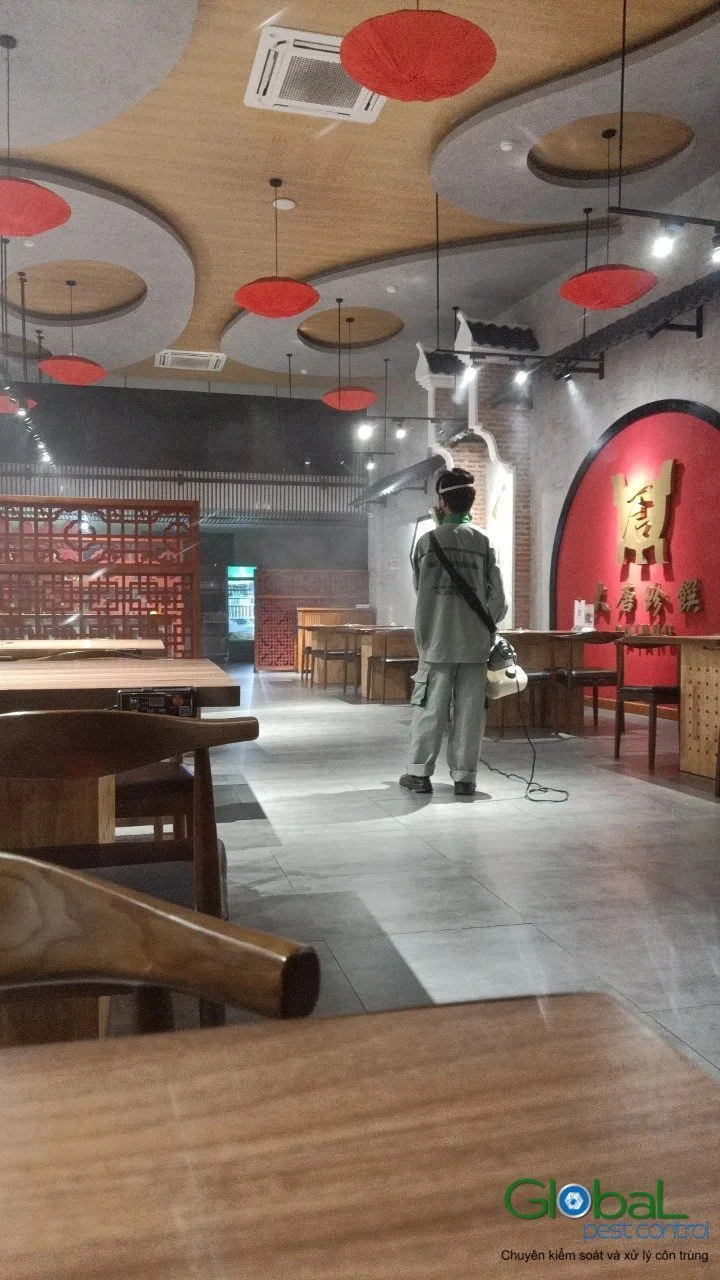
For a restaurant or a hotel the arithmetic is usually different from a household, because the cost of a room out of service, a delayed opening or a customer complaint exceeds the call-out premium substantially. In those settings the honest advice is to call immediately and record that you did.
The recording matters as much as the calling. A dated response two hours after an observation is a system working; the same treatment a week later with no record is a finding.
Related reading
See when to call and when to wait and what to do at midnight. On contracts, what twelve months buys. For hotels, handling guest complaints, and for preparation, what to tell the technician. Our parent company takes Vietnamese-language emergency calls through its service lines.
Global Pest Control is the English-language arm of Khử Trùng Toàn Cầu, based in Thu Duc City.
Common questions
How much more does an emergency visit cost?
It varies by company and by how far outside normal hours it falls, and the premium is usually meaningful rather than token. What is worth asking before agreeing is whether the same visit could happen tomorrow morning at standard rate, because for most household situations the difference in outcome between tonight and tomorrow is nil.
Will you come out at night?
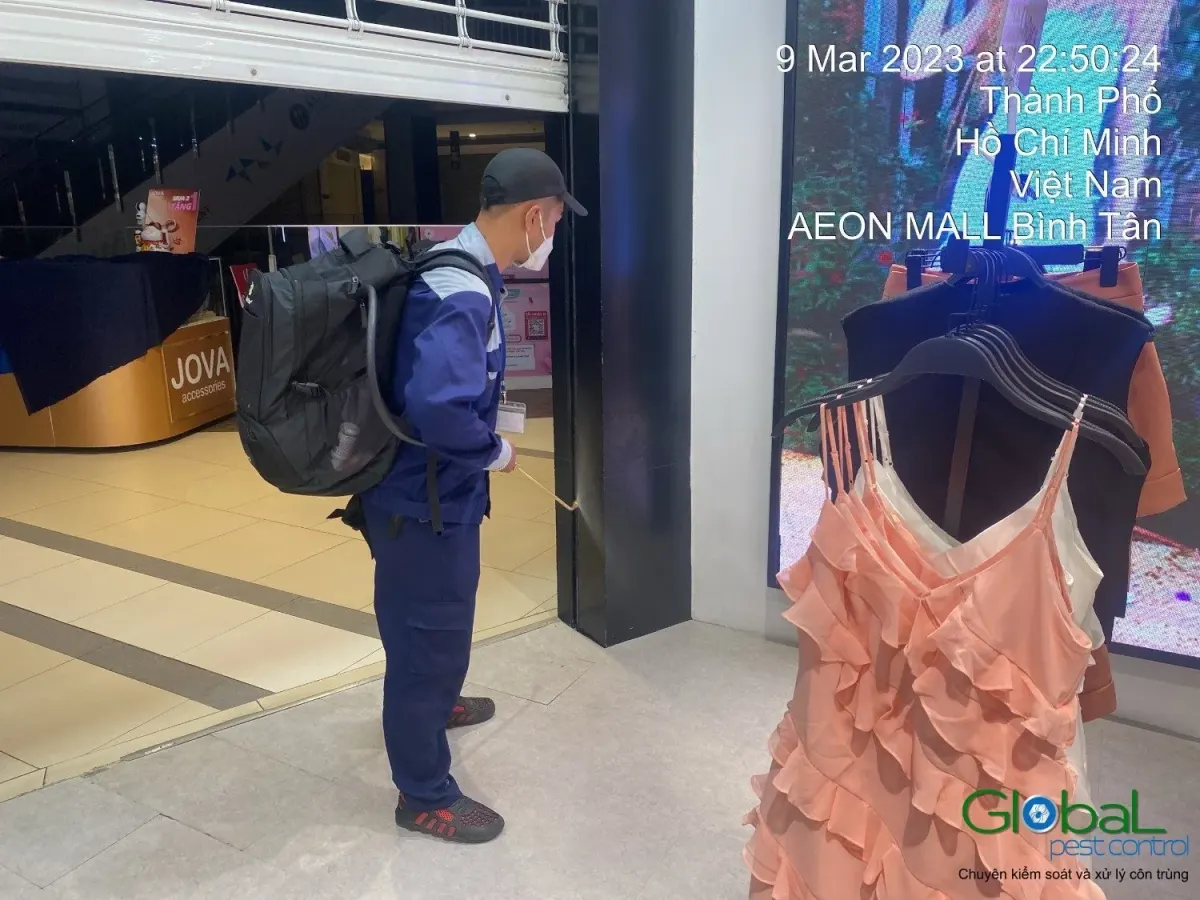
For genuine emergencies and for commercial sites that can only be treated outside trading hours, yes, and out-of-hours work is a normal part of restaurant and hotel programmes. For a household with a single cockroach, we would tell you honestly that tomorrow morning is a better use of your money.
We have a wasp nest. Can we deal with it ourselves?
We would strongly advise not. Disturbing a nest without protective equipment is how people get stung repeatedly, and reactions vary. Keep everyone away from the area, close the windows on that side, and have somebody attend. This is one of the few genuinely urgent categories and one where the do-it-yourself version carries real risk.